🏜️ Overview
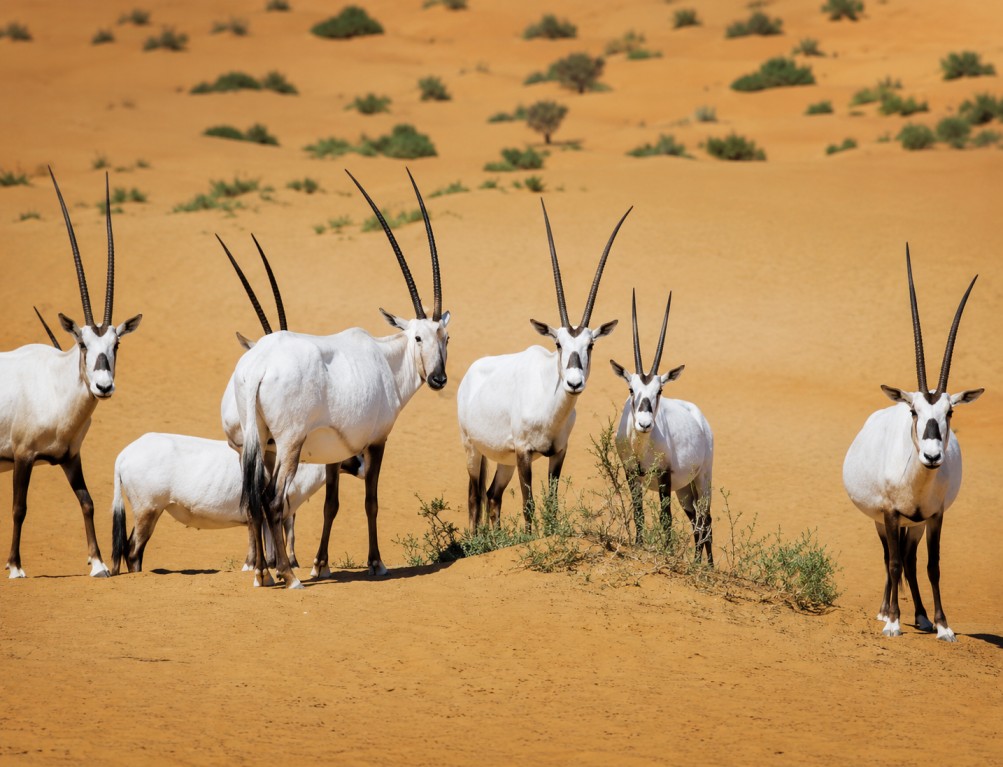
Desert National Park stands as one of the largest and most ecologically distinctive protected areas in India, representing a vast expanse of the Thar Desert ecosystem whose rolling sand dunes, rocky outcrops, and sparse desert scrubland together preserve one of the most complete and biologically significant arid landscapes found anywhere in the Indian subcontinent. Situated across the Jaisalmer and Barmer districts of Rajasthan, extending over an area of more than 3000 square kilometres, Desert National Park represents one of the largest national parks in the country and a landscape of considerable ecological importance, its terrain encompassing a striking variety of desert habitats including craggy rocks, compact and shifting sand dunes, sparse grasslands, and fixed dunes interspersed with rare desert vegetation, the park serving as a critical refuge for some of India's most endangered desert-adapted wildlife. The destination draws wildlife enthusiasts, birdwatchers, and travelers fascinated by the stark beauty of desert ecosystems from across the country and the world, offering an encounter with one of the last remaining strongholds of the critically endangered Great Indian Bustard, a species whose survival in the wild has become increasingly precarious and whose presence here lends the park an importance far beyond its considerable scenic and ecological appeal.
🦤 Why Visit Desert National Park
The recognition of Desert National Park as one of the last reliable habitats of the Great Indian Bustard reflects its unparalleled conservation significance, the species having declined catastrophically across its former range and the park now representing one of the most critical remaining strongholds for this magnificent and now exceedingly rare bird, making a visit here a genuinely meaningful encounter with one of the most endangered avian species on the planet. One of the most compelling reasons to visit is the sheer scale and variety of the desert landscape itself, the park encompassing terrain ranging from dramatic shifting sand dunes to rocky outcrops and sparse grassland, offering a far more ecologically diverse and visually varied experience of the Thar Desert than the more commonly visited tourist dune fields elsewhere in Jaisalmer. The park additionally supports a remarkable diversity of other desert wildlife and birdlife, including chinkara, desert fox, and numerous raptor species that have adapted to the harsh conditions of this arid ecosystem, making it a rewarding destination for serious naturalists and birdwatchers beyond the singular draw of the bustard. The combination of critical endangered species conservation significance, the genuine scale and variety of authentic desert terrain, and the relatively undisturbed character of a destination considerably less commercialized than the more touristic dune experiences nearby further strengthens the appeal of Desert National Park as a meaningful and ecologically important Rajasthan destination.
🐾 Key Highlights Within the Area
The Great Indian Bustard population within the park stands out as its most globally significant wildlife highlight, sightings of this critically endangered species, though increasingly rare, representing one of the most meaningful wildlife encounters available anywhere in India for dedicated birdwatchers and conservationists.
The varied desert terrain of the park, ranging from craggy rock formations to shifting and fixed sand dunes, offers a highlight of considerable scenic and geological interest, presenting a far more complex and authentic desert landscape than the more commercially developed dune areas frequented by typical Jaisalmer tourism.
The park's grassland patches, critical to the survival of the bustard and other ground-nesting birds, add a further dimension of ecological importance to the landscape.
Sam and Khuri, dune areas situated within or near the broader park region, offer additional opportunities to experience the dramatic shifting sands characteristic of this part of the Thar Desert.
🚙 Activities
Wildlife and birdwatching safaris through the park's varied desert terrain are the primary activity for visitors, offering the best chance of observing the Great Indian Bustard alongside chinkara, desert fox, and the park's diverse raptor population. Photography of the desert landscape, particularly during the soft light of early morning and evening, is a rewarding pursuit given the dramatic scenery of dunes and rocky terrain. Jeep safaris into the more remote sections of the park offer the most comprehensive way to experience its ecological diversity.
📅 Best Time to Visit
The most favorable period to visit Desert National Park is from October to March, when temperatures across the Thar Desert are considerably more comfortable for extended outdoor exploration and wildlife viewing conditions are at their most favorable.
🗺️ Connectivity
Desert National Park is accessible from Jaisalmer, situated approximately 40 kilometres away and serving as the most practical gateway city, with a domestic airport offering seasonal flights and a railway station connected to Jodhpur, Jaipur, and Delhi. Road connectivity from Jaisalmer and Barmer is well established, making Desert National Park a rewarding inclusion in western Rajasthan desert itineraries alongside the more famous heritage and dune destinations of Jaisalmer.