South India
- Home
- South India
Explore Categories
Tour Packages & Services for South India
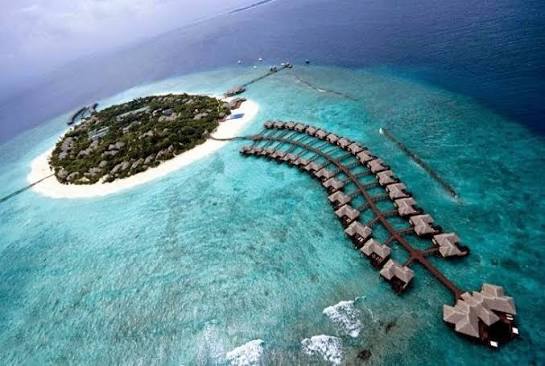
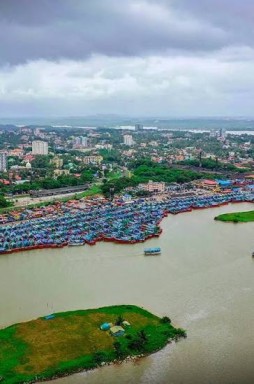
Mangaluru : Where Beaches Meets Culture
Situated along the scenic Arabian Sea coast in Karnataka, Mangaluru (formerly known as Mangalore) is a vibrant port city celebrated for its pristine beaches, ancient temples, colonial heritage, rich cultural traditions, and delicious coastal cuisine. Serving as the headquarters of Dakshina Kannada district, Mangaluru is one of South India's most important commercial, educational, and tourism hubs. Surrounded by rivers, coconut groves, lush hills, and the Western Ghats, the city offers a unique blend of urban energy and natural beauty. Mangaluru tourism attracts families, couples, solo travelers, pilgrims, food lovers, photographers, history enthusiasts, and beach lovers seeking an authentic coastal experience.
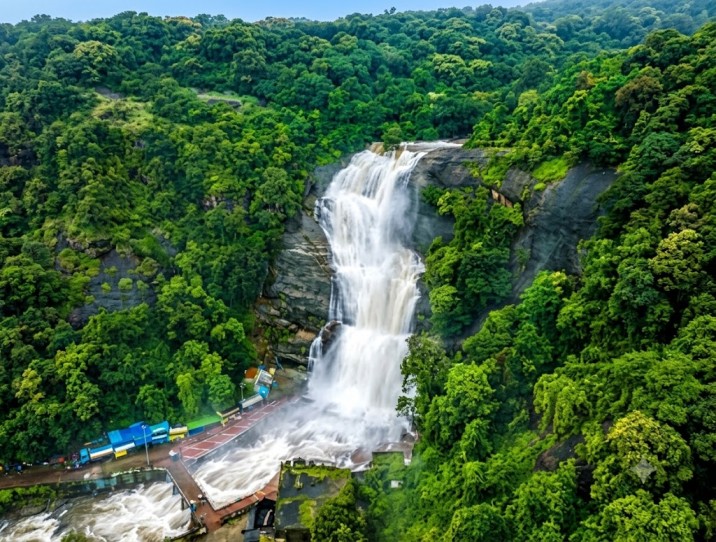
Courtallam-Falls : Where Waterfalls Meet Wellness
Located in the Tenkasi district of Tamil Nadu, Courtallam Falls (also spelled Kutralam Falls) is one of South India's most celebrated waterfall destinations. Nestled in the picturesque Western Ghats near the Kerala border, Courtallam is renowned for its cascading waterfalls, lush forests, cool climate, and therapeutic waters believed to possess medicinal properties. Fed by the Chittar River, the waterfalls flow through forests rich in medicinal herbs, making them a favorite destination for wellness seekers and nature lovers alike. Courtallam Falls tourism attracts families, couples, solo travelers, photographers, pilgrims, and adventure enthusiasts looking for relaxation, scenic beauty, and a refreshing escape amidst nature.
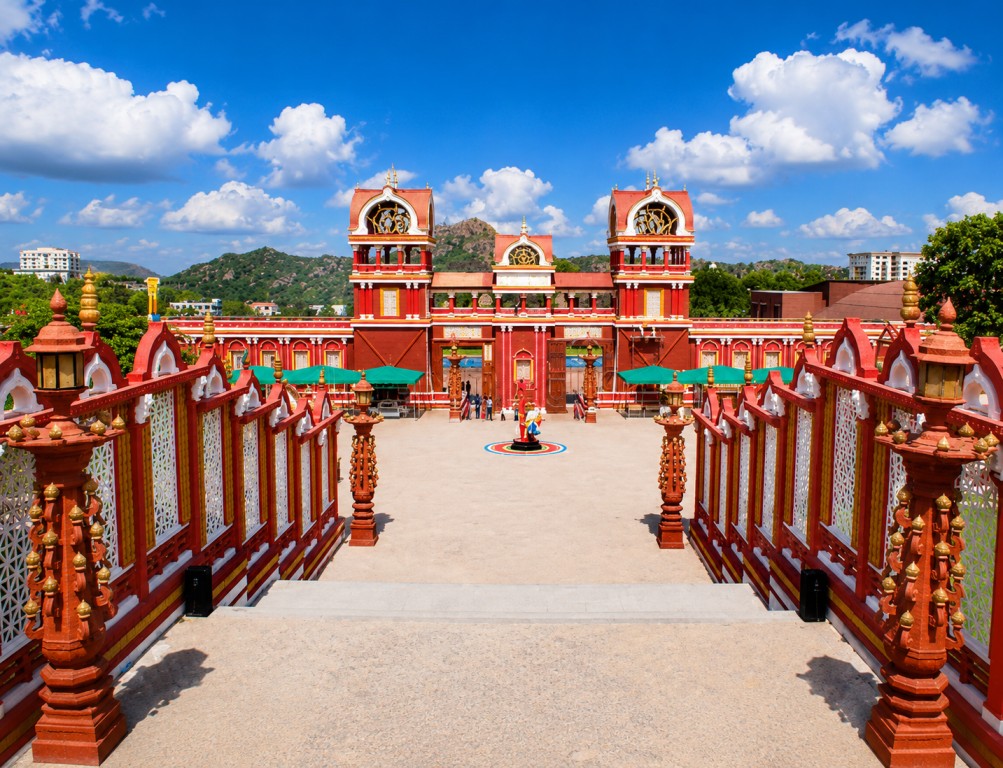
Ramoji-Film-City : World's Largest Film Studio Complex
Located on the outskirts of Hyderabad in Telangana, Ramoji Film City is the world's largest integrated film studio complex and one of India's most unique entertainment and tourism destinations. Spread across more than 2,000 acres, this spectacular attraction combines world-class film production facilities with theme parks, gardens, live entertainment, adventure activities, luxury accommodation, and family-friendly attractions. Recognized by the Guinness World Records as the world's largest film studio complex, Ramoji Film City offers visitors a fascinating opportunity to experience the magic of cinema while enjoying a full day of entertainment, recreation, and sightseeing. Its diverse attractions make it a favourite destination for families, couples, students, photographers, film enthusiasts, and travellers from around the world.
Krusadai-Island : A Hidden Jewel Of The Arabian Sea
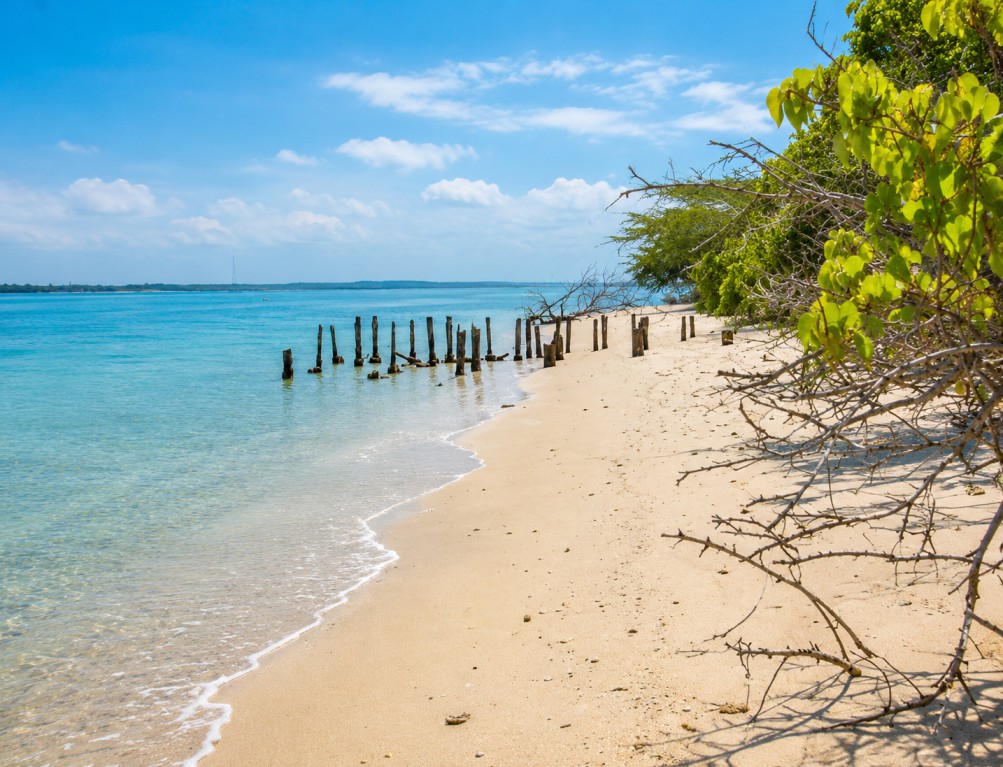
Located off the coast of Rameswaram in Ramanathapuram district, Tamil Nadu, Krusadai Island is one of India's most ecologically significant marine destinations. Part of the Gulf of Mannar Marine National Park and the Gulf of Mannar Biosphere Reserve, this unspoiled island is renowned for its extraordinary marine biodiversity, crystal-clear waters, coral reefs, seagrass meadows, and rare aquatic species. Often referred to as a paradise for marine biologists and nature enthusiasts, Krusadai Island offers visitors a unique opportunity to explore one of India's richest coastal ecosystems while enjoying the tranquil beauty of the Bay of Bengal. Its untouched environment, scientific importance, and remarkable wildlife make it one of Tamil Nadu's most fascinating offbeat travel destinations.
Lakshadweep -India's Tropical Paradise
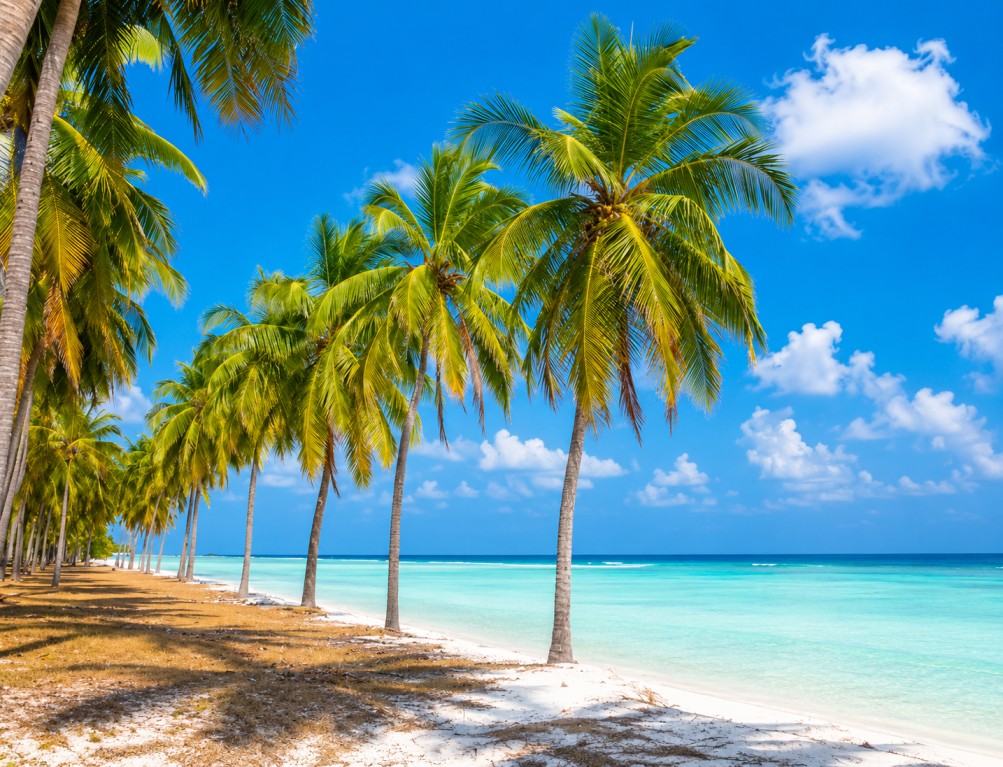
Lakshadweep, India's smallest Union Territory, is a breathtaking tropical archipelago located in the Arabian Sea, approximately 220 to 440 kilometres off the southwestern coast of Kerala. Comprising 36 coral islands, atolls, reefs, and lagoons, of which only a few are inhabited, Lakshadweep is renowned for its crystal-clear turquoise waters, white sandy beaches, vibrant coral reefs, and abundant marine biodiversity. The islands are spread across nearly 32 square kilometres of land but are surrounded by an expansive lagoon system that makes them one of India's premier beach and marine tourism destinations
Netrani-Island : India's Hidden Marine Gem
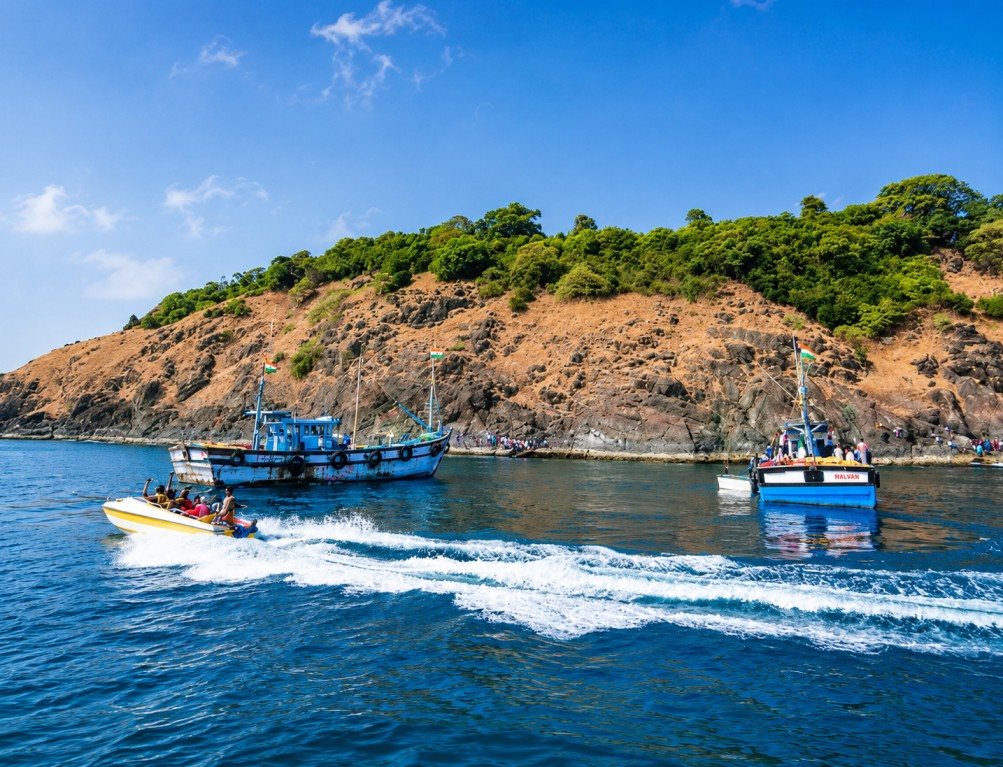
Located off the coast of Murudeshwar in Uttara Kannada district, Karnataka, Netrani Island is one of India's finest destinations for scuba diving, snorkeling, and marine tourism. Surrounded by the clear blue waters of the Arabian Sea, this small heart-shaped island has earned a reputation as one of the country's best underwater adventure destinations. Popularly known as Pigeon Island, Netrani Island is famous for its exceptional visibility, vibrant coral reefs, rich marine biodiversity, and thrilling diving experiences. Whether you are an experienced diver or a first-time underwater explorer, Netrani Island offers an unforgettable combination of natural beauty, adventure, and peaceful coastal scenery.
Topslip- Gateway to umtamed Wilderness
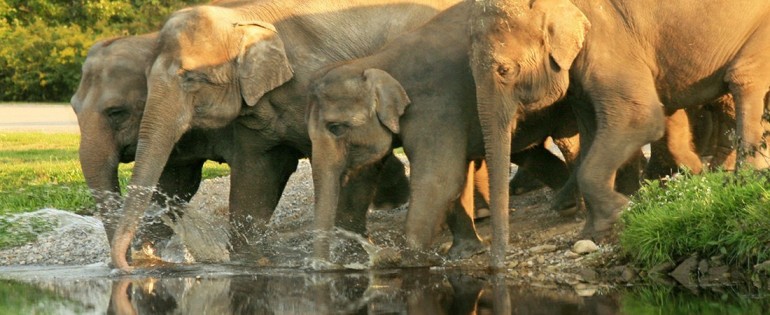
Forget mist-covered hill towns and souvenir shops for a moment. Picture instead a thick curtain of teak and bamboo forest, the distant trumpet of an elephant somewhere in the trees, and the kind of silence that only exists where the wild has been left mostly alone. That's Topslip — not a town, not a resort destination, but a gateway into one of South India's last great wildernesses. Tucked inside the Anamalai Tiger Reserve in the Western Ghats of Tamil Nadu, Topslip sits at a modest altitude of around 240 metres, yet it feels worlds away from anywhere else in the state.
Shivamogga - Where Nature Meets Adventure
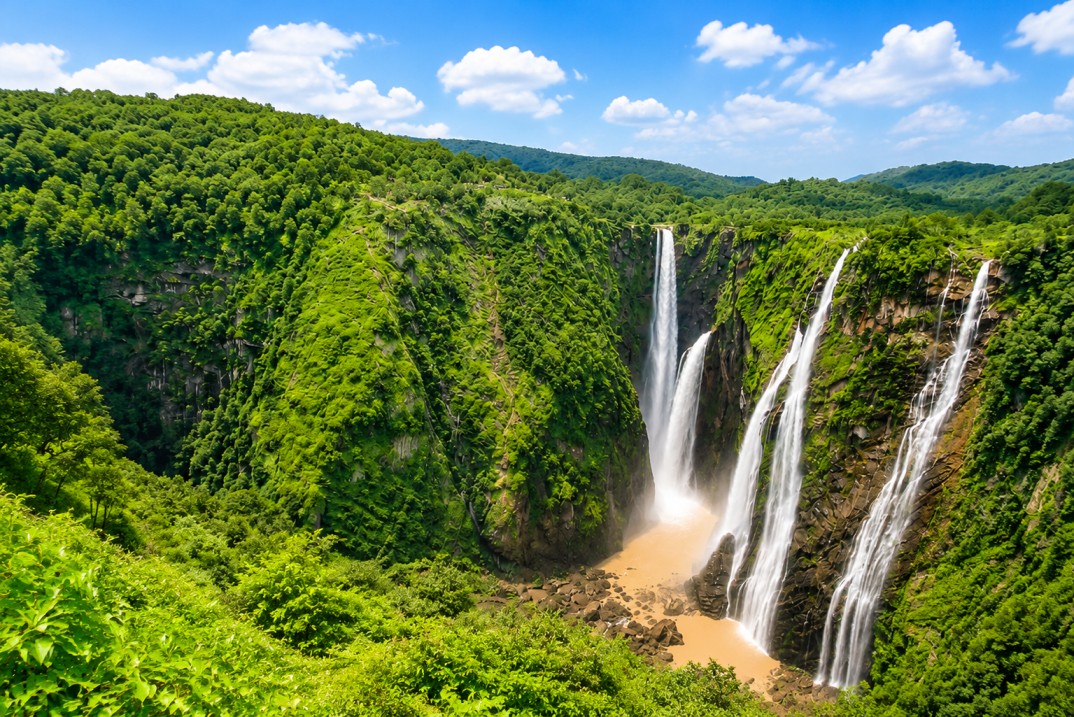
Shivamogga stands as one of the most naturally abundant and historically layered destinations in Karnataka, a district and city of considerable depth where the thundering cascades of some of India's most powerful waterfalls, the dense evergreen forests of the Western Ghats, a rich heritage of dynastic architecture, and the agricultural identity of the Malnad region converge into a destination of genuine and varied appeal. Situated in the central part of Karnataka on the banks of the Tunga River at an elevation of approximately 569 metres, Shivamogga serves as the headquarters of the district of the same name and carries the informal title of the Gateway to Malnad — a designation that reflects its position at the threshold of the hilly, forested, and waterfall-rich terrain of the Western Ghats that stretches westward from its boundaries toward the Konkan coast.
Javadi-Hills : The Hidden Green Escape Of Tamil Nadu
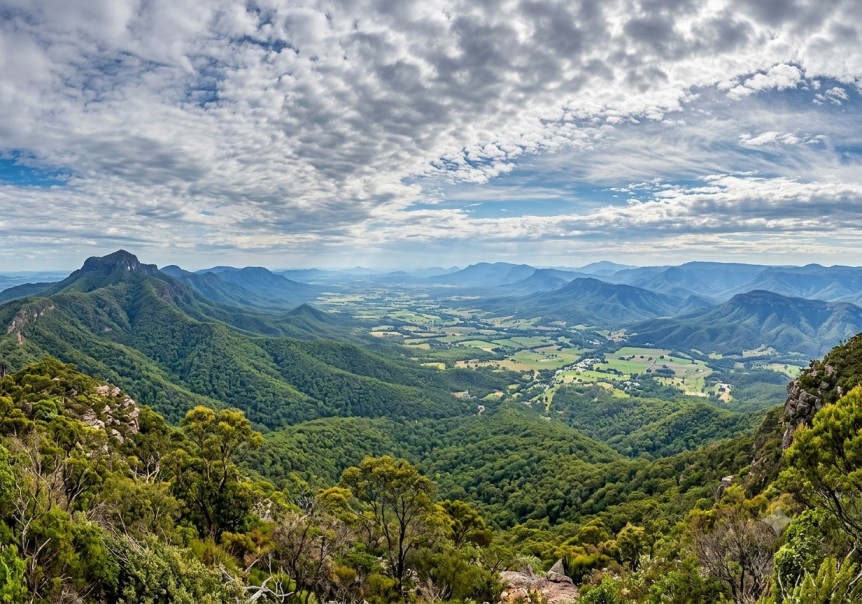
Nestled in the Eastern Ghats of northern Tamil Nadu, the Javadi Hills are a serene hill range spread across the districts of Tirupathur and Tiruvannamalai. Rising to an elevation of around 1,100 meters above sea level, this lesser-known destination offers a refreshing blend of dense forests, rolling hills, waterfalls, and tribal heritage. Far from the crowds of popular hill stations, Javadi Hills tourism appeals to travelers seeking peace, natural beauty, and authentic rural experiences. Whether you are planning a relaxing getaway, a photography trip, or an outdoor adventure, Javadi Hills provides a unique opportunity to explore one of Tamil Nadu's hidden treasures.
Devikulam : The Serene Hill Retreat Of Kerela
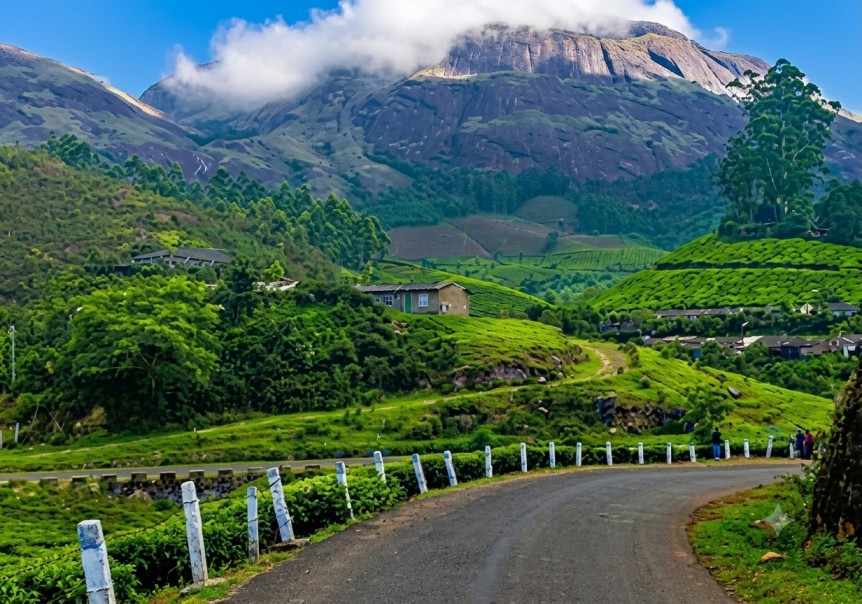
Nestled in the picturesque Idukki district of Kerala, Devikulam is a charming hill station located about 16 kilometers from Munnar. Surrounded by lush tea plantations, mist-covered hills, forests, and crystal-clear streams, this peaceful destination is a perfect retreat for travelers seeking nature, relaxation, and scenic beauty. Situated at an altitude of around 1,800 meters in the Western Ghats, Devikulam enjoys a pleasant climate throughout the year, making it a popular choice for families, honeymooners, photographers, and adventure enthusiasts. Its tranquil atmosphere, breathtaking landscapes, and rich natural heritage make Devikulam tourism one of Kerala's hidden gems.
Anamudi Viewpoint : The Roof Of South India
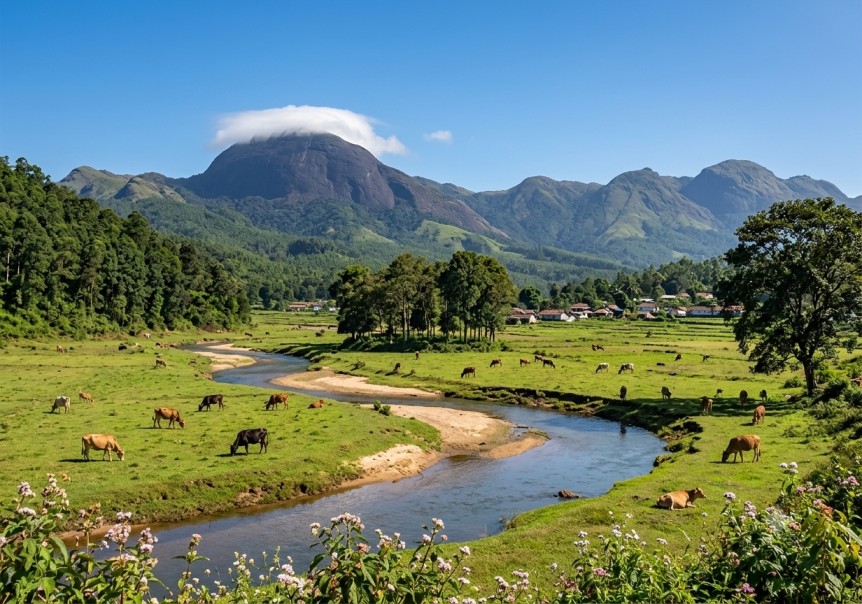
Perched at the edge of the clouds in the heart of Eravikulam National Park, the Anamudi Viewpoint offers one of South India's most breathtaking panoramas. Located near Munnar in the Idukki district of Kerala, this high-altitude vantage point sits in the shadow of Anamudi Peak — at 2,695 metres, the highest summit in the Western Ghats and the highest point in India south of the Himalayas. For travelers seeking dramatic landscapes, rare wildlife, and the cool crisp air of the Ghats, this destination delivers an experience that stays with you long after the mist has cleared.
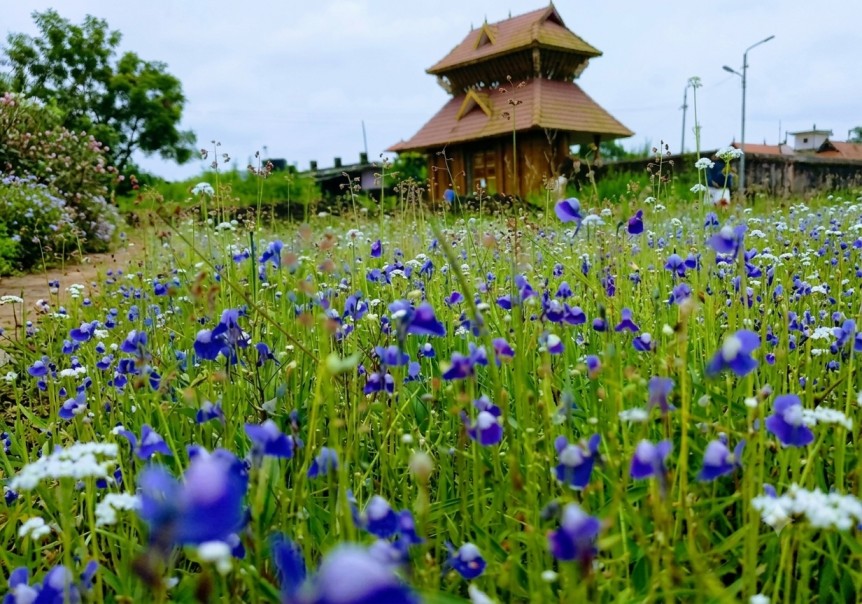
Madayipara : The Meadow Of Flowers In Kerela
Kerala has a way of surprising even well-travelled visitors. You think you know what it offers — the backwaters, the hill stations, the beaches, the spice gardens — and then you turn a corner in the northern part of the state and encounter something entirely outside that familiar repertoire. Madayipara is exactly that kind of surprise: a vast, flat-topped laterite plateau rising unexpectedly from the coastal lowlands of Kannur district, a landscape so unlike anything else in Kerala that first-time visitors often stop in genuine bewilderment, trying to reconcile what they are seeing with their mental image of what this state looks like.
Located near Payyanur in northern Kerala, approximately 15 kilometres from the Arabian Sea coast and about 90 kilometres north of Kozhikode (Calicut), Madayipara is a laterite plateau covering roughly 25 square kilometres at an elevation of about 40–50 metres above the surrounding plains — modest by hill station standards, but dramatic in context because the surrounding land is so flat. The plateau's edges drop away in near-vertical laterite cliffs that glow deep red-orange in the late afternoon sun, giving the place a visual character unlike anything else in Kerala's otherwise predominantly green landscape.
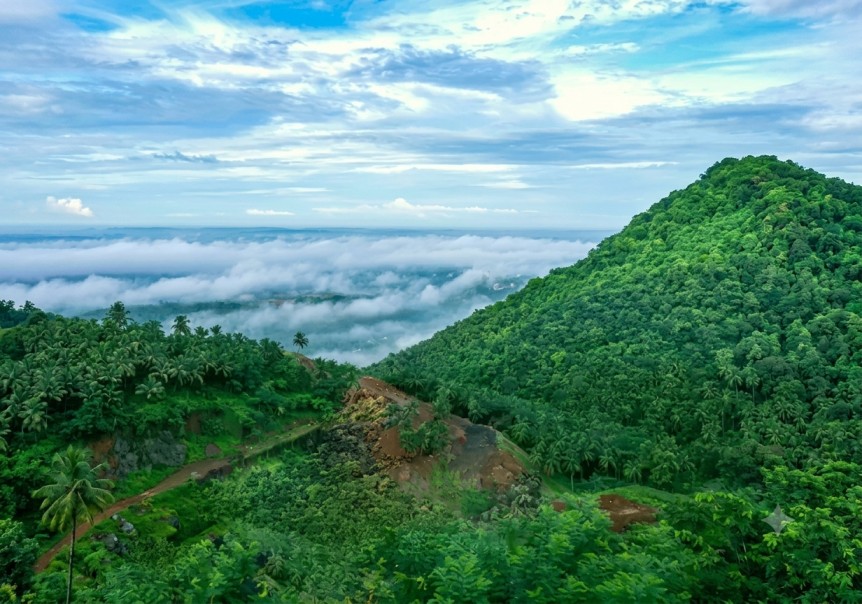
Arimba-Hills : The Mini Ooty Of Kerela
There is a particular kind of travel experience that has become increasingly rare in India — the discovery of a place that has not yet been packaged, promoted, and optimised for mass consumption. Arimbra Hills in Kerala belongs to that diminishing category of destinations where the landscape is genuinely unspoiled, the atmosphere genuinely unhurried, and the experience of simply being there genuinely restorative in ways that more famous hill stations, however beautiful, can no longer quite deliver.
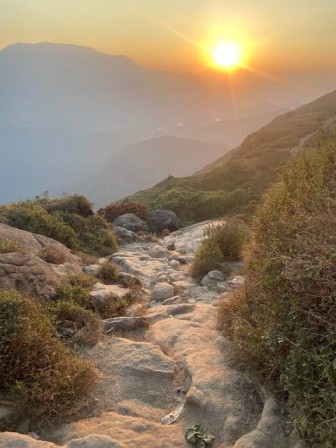
Velliangiri-Hills : Where Spirituality Meets Adventure
There's a place near Coimbatore where the climb up a hillside feels less like exercise and more like a conversation with something ancient. Vellingiri Hills — also spelled Velliangiri — rises out of the Western Ghats as part of the Nilgiri Biosphere Reserve, and locals don't just call it beautiful. They call it sacred, often referring to it as the "Kailash of the South." You don't simply visit Vellingiri; you undertake it, barefoot, step by stone step, and somewhere around the third or fourth hill, you start to understand why.
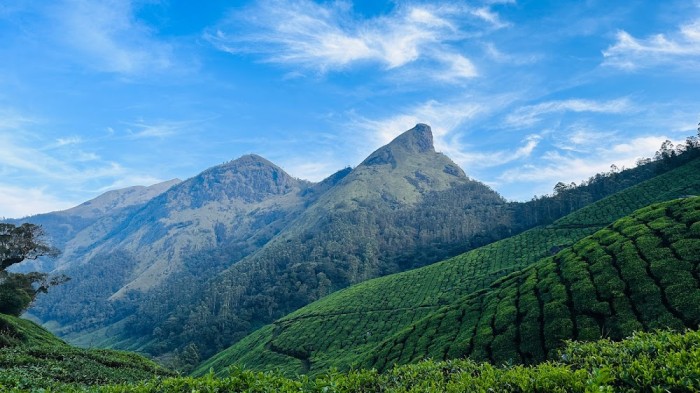
Kolukkumalai-Hill : World's Highest Organic Tea Estate
There's a place where the clouds don't float above you — they float below your feet. Where the first rays of sunrise spill over a sea of mist while you're still wrapped in a blanket, sipping tea plucked from the very bushes surrounding you. That's Kolukkumalai — not just a tea estate, but the roof of South India itself. Perched at roughly 7,100–8,000 feet in the rugged folds of the Western Ghats, straddling the Tamil Nadu–Kerala border in Theni district, this is the highest tea plantation in the world, and once you've stood at its edge watching the valley disappear into cloud, you'll understand why people call the journey here as unforgettable as the destination.
Posadi Gumpe : The Hidden Sunset Paradise Of Karnataka
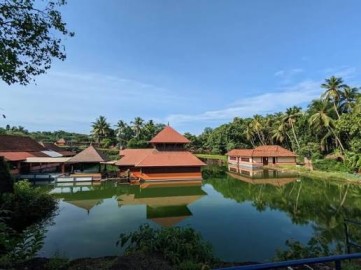
Imagine pulling yourself up the final stretch of a gentle green slope, lungs full of cool forest air, and then — suddenly — the world opens up. To your west, the Arabian Sea glitters like scattered silver. To the north, the rooftops of Mangalore shimmer in the distance. And straight ahead, the ancient peaks of Kudremukh rise like sleeping giants draped in emerald. That is your welcome to Posadi Gumpe — and it doesn't say hello quietly.
Tucked away in the Kasaragod district of Kerala, Posadi Gumpe is a Tulu word where Posa means "new" and Gumpe means "hill" — the New Hill. It is the kind of name that hints at discovery, at something still unfolding. And in many ways, that is exactly what this place is — a destination that the wider world is only just beginning to find, even as it has stood quietly breathtaking for centuries Kerala Tourism.
Neelakurinji : The Flower That Blooms Once In 12 years
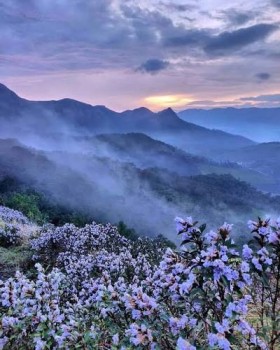
Imagine standing on a hillside in Kerala, surrounded by rolling western ghats as far as the eye can see — and instead of the usual green, the entire landscape has turned a deep, dreamy shade of violet-blue. Not a painting, not a dream, but the real, living, blooming miracle of Neelakurinji (Strobilanthes kunthiana) in full flower. This is one of nature's most extraordinary spectacles, a phenomenon so rare and so breathtaking that people plan journeys years in advance just to witness it. And when it finally arrives, it does not disappoint.
Neelakurinji isn't a place you visit every year. It isn't even a place you visit every decade. This remarkable flowering shrub blooms only once every twelve years, carpeting the shola grasslands of the Western Ghats — particularly the misty hills of Munnar, Eravikulam, and the Nilgiri ranges of Kerala — in a violet-blue sea that stretches across entire mountain slopes. The word itself tells you everything: neela means blue, and kurinji is the flower. Together, they give the Nilgiris — the Blue Mountains — their very name.
Agasthyarkoodam : The Sacred Peak Of The Western Ghats
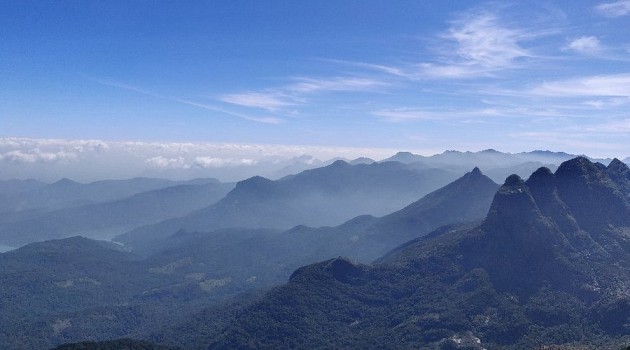
Imagine standing at the edge of the world, the wind carrying the scent of wild herbs and ancient forests, mist curling around peaks that seem to brush the clouds, and a silence so profound it feels sacred. That's Agasthyarkoodam for you — not merely a mountain, but a living legend. Rising to a majestic 1,868 metres above sea level at the southernmost tip of the Western Ghats in Kerala's Thiruvananthapuram district, this extraordinary peak is one of the most biodiverse and spiritually charged destinations in all of southern India. Trekkers, botanists, pilgrims, and wilderness seekers who make this journey speak of it with a reverence rarely reserved for any other place — as if the mountain itself demands respect simply by existing.
Ranipuram-Hills : The Ooty Of Kerela
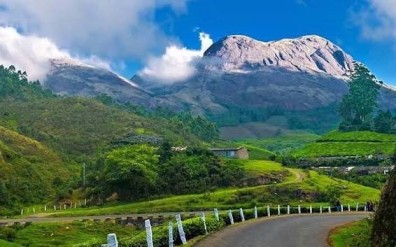
Imagine standing on a ridge so green it hurts your eyes, the wind carrying the scent of wild cardamom and damp earth, a thick blanket of cloud rolling in from the Western Ghats as the forest below hums with birdsong. That's Ranipuram for you — not just a hill, but a secret. Tucked away at an altitude of about 748 metres in the Kasaragod district of northern Kerala, this lesser-known gem sits on the border of Kerala and Karnataka, draped in shola forests and grasslands that feel entirely untouched by the world outside. Locals sometimes call it the "Ooty of Kasaragod," and once you make the climb, you'll understand the comparison — though Ranipuram, if anything, feels even more raw, more honest, and more beautifully unspoiled.
Rajamala Hill : The Green Crown Of Munnar
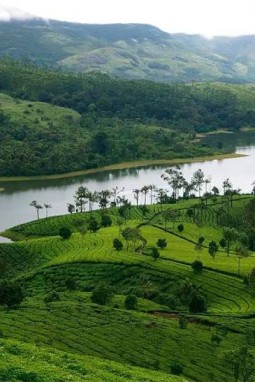
Imagine standing at the edge of a misty ridge, the world below swallowed entirely by rolling cloud, and before you — grazing calmly on the emerald slopes as if they own the mountain — a herd of Nilgiri Tahr, those ancient wild goats of the Western Ghats. No fences. No barriers. Just you, the wind, and one of the most untouched high-altitude landscapes in all of India. That's Rajamala for you — not just a viewpoint or a wildlife spot, but an experience that strips everything back to something raw and real. Nestled at an altitude of over 2,600 metres above sea level within the magnificent Eravikulam National Park in Kerala's Idukki district, Rajamala is where nature has been left gloriously, defiantly wild.
Agumbe- Where rainforests come Alive
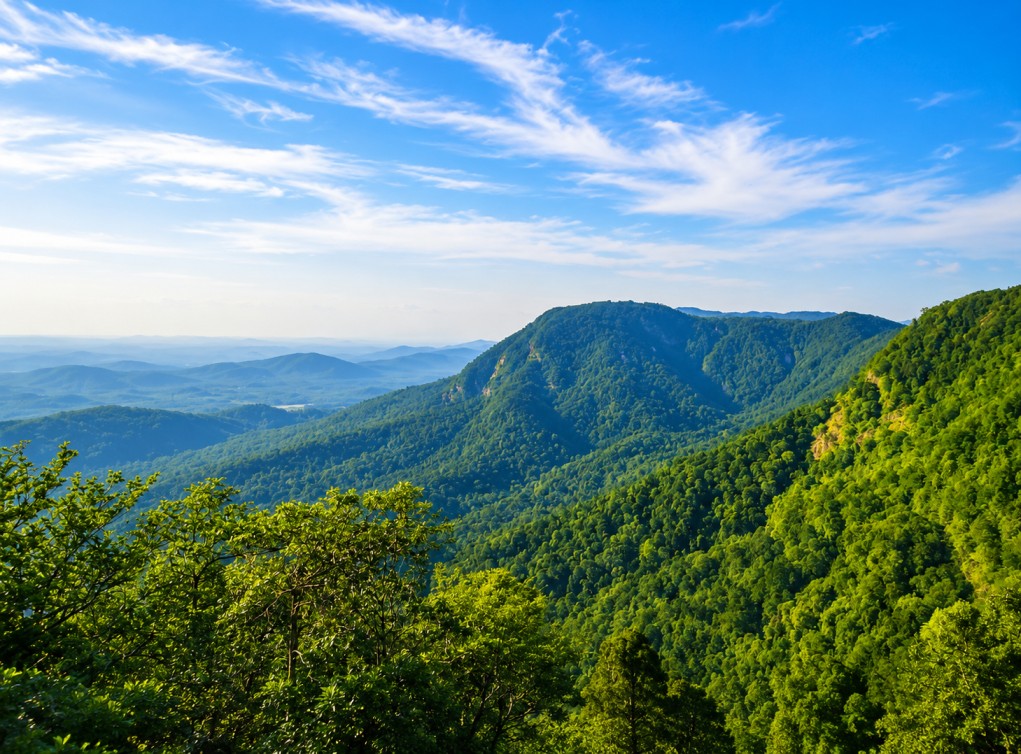
There are places in India defined by their sunshine, and then there is Agumbe — a small hill village in the Shivamogga district of Karnataka that has built its entire identity around rain. Receiving an average annual rainfall of approximately 7,000 to 8,000 millimetres, Agumbe holds the distinction of being the second wettest place in India after Cherrapunji in Meghalaya — a fact that shapes everything about it, from its extraordinary biodiversity to its misty, moss-covered aesthetic to the particular kind of traveller it attracts. Located in the Malnad region of the Western Ghats, approximately 100 kilometres from Mangalore and 380 kilometres from Bengaluru, Agumbe sits at an elevation of about 600 metres on the crest of the Ghats escarpment, where the moisture-laden winds of the Arabian Sea rise, cool, and release their water with spectacular generosity.
Vellarimara-Kerela's Hidden Mountain Paradise
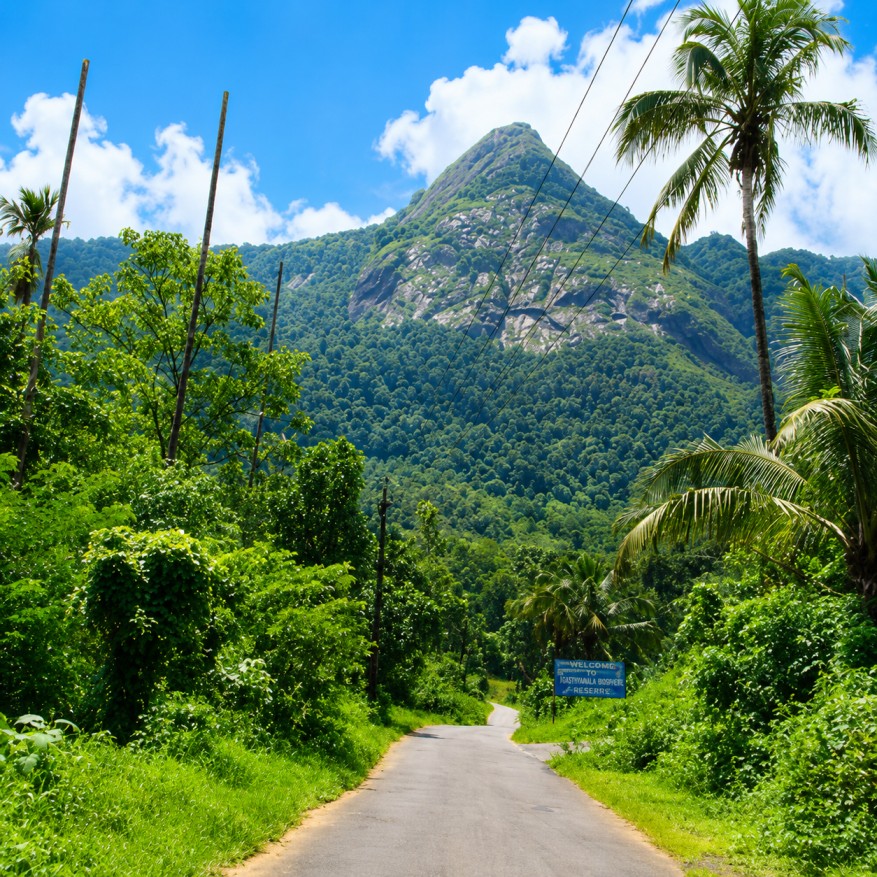
Kerala is a state that wears its natural beauty openly — the backwaters, the hill stations, the spice-scented forests are well known and well visited. But tucked into the northern reaches of the Western Ghats, in the Wayanad and Malappuram border region, there are peaks that the mainstream tourism circuit has not yet absorbed, summits that still require genuine effort to reach and reward that effort with experiences of corresponding depth. Vellarimala is one of these — a mountain that serious trekkers in Kerala speak of with the particular respect reserved for places that ask something real of you before they give anything back
Lambasingi : The Kashmir Of Andhra Pradesh
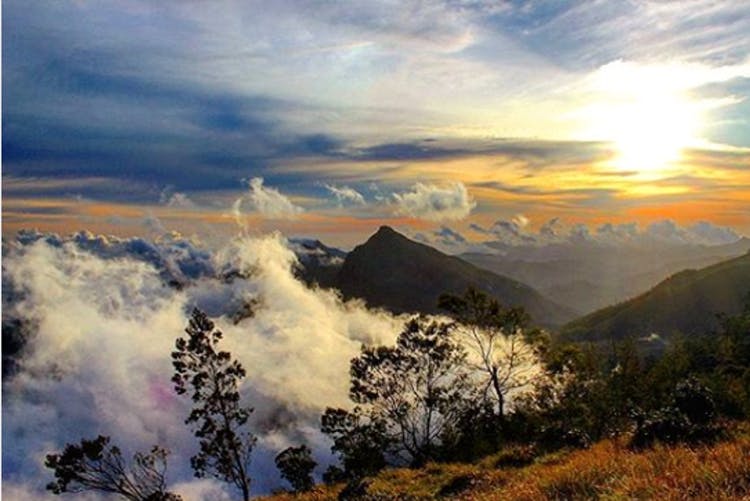
Lambasingi stands as one of the most enchanting hill station destinations in South India, representing a remarkable sanctuary of natural beauty and climatic distinction. Situated in the Eastern Ghats of Visakhapatnam district in Andhra Pradesh, this elevated settlement is widely recognized as the "Kashmir of Andhra Pradesh," a title earned through its cool mountain climate, mist-laden valleys, and dense pine forests that create an atmosphere entirely distinct from the surrounding plains. The destination draws nature enthusiasts, trekkers, photographers, and travelers seeking respite from the heat, offering a landscape defined by winding pathways through ancient forests, panoramic viewpoints, cascading waterfalls, and an ambiance of serene mountain tranquility rarely matched elsewhere in the region.
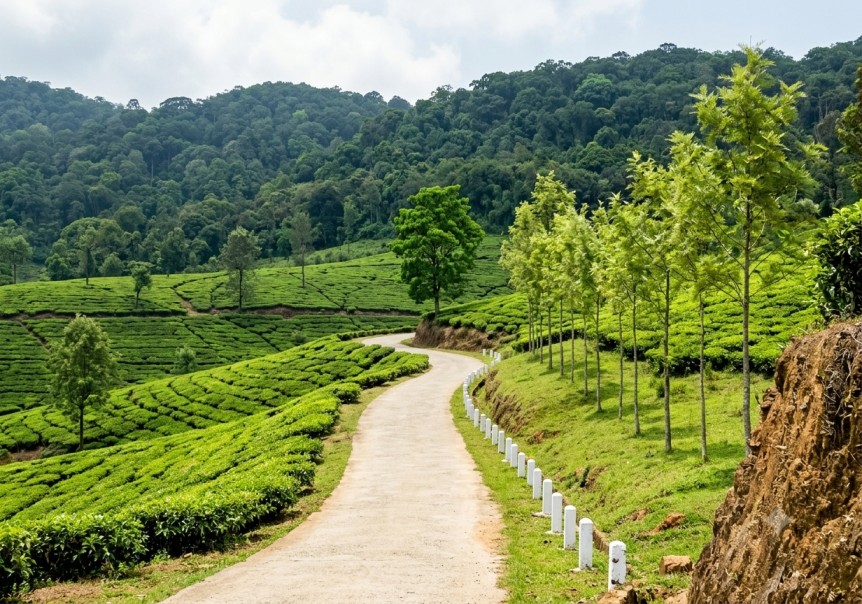
Marayoor : The Sandalwood Forest Of Kerela
Imagine stepping into a valley where the air itself smells of something ancient and sacred — a warm, woody sweetness drifting from groves of wild sandalwood that have grown here undisturbed for centuries. Add to that the rustle of sugarcane fields catching the breeze, the quiet mystery of Neolithic dolmens scattered across the hillsides, and the soft sound of the Pambar River threading its way through red-earthed meadows. That's Marayoor for you — not just a destination, but a secret Kerala keeps close to its heart. Tucked away in the Idukki district, at an altitude of around 900 metres in the rain shadow region of the Western Ghats, this small, unhurried town is one of the most genuinely unspoilt places in all of South India. Once you find your way here, you'll wonder how somewhere this extraordinary stayed so beautifully hidden.
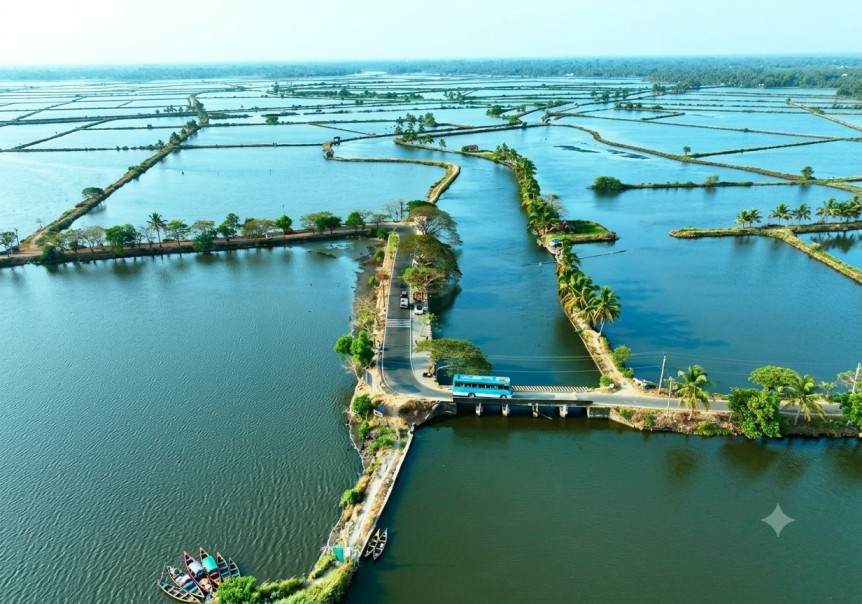
Kadamakudy : The Hidden Island Paradise Near Kochi
Imagine stepping onto a narrow wooden bridge at dawn, the water below glassy and still, a kingfisher darting like a jewel through the mangroves, and the only sound you hear is the soft dip of a fisherman's oar somewhere in the mist. That's Kadamakudy for you — not just a cluster of islands, but a state of being. Nestled within the Ernakulam district of Kerala, just 20 kilometres from the bustling heart of Kochi, this hidden constellation of 10 interconnected islands sits cradled between the Vembanad Lake and the Arabian Sea backwaters. Locals live quietly here, between coconut palms and tidal channels, and once you arrive, you'll find yourself wondering how a place this extraordinary has remained so beautifully, mercifully unknown.
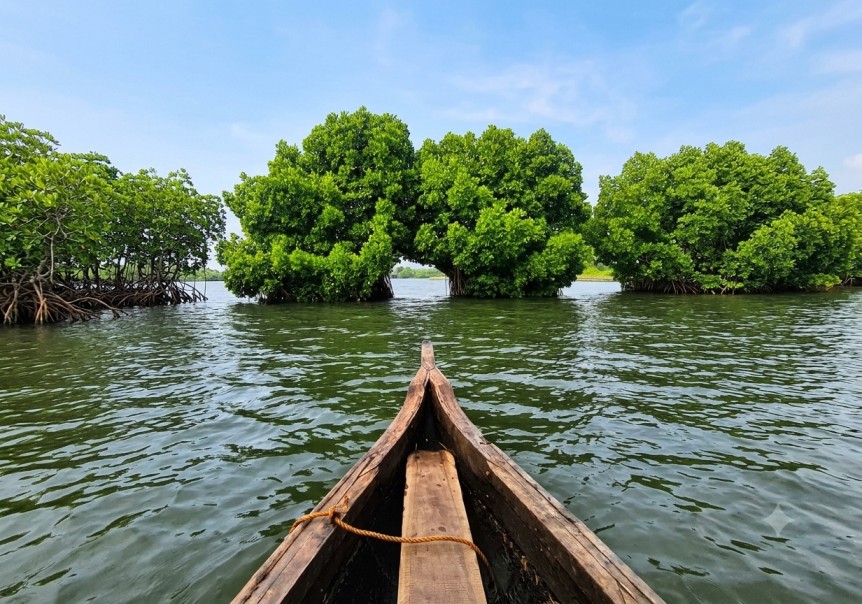
Munroe-Island : A Hidden Backwater Paradise In Kerela
Imagine drifting in a slender canoe through a maze of narrow waterways, the only sounds being the dip of a paddle, the rustle of coconut palms overhead, and the distant call of a kingfisher perched on a drooping branch. The air smells of water hyacinth and wet earth, and somewhere behind a cluster of pandanus reeds, a woman hangs fishing nets out to dry in the soft morning light. That's Munroe Island for you — not just a destination, but a quiet exhale. Tucked away in Kollam district where the Ashtamudi Lake meets the Kallada River, this cluster of eight tiny islands has been living its unhurried life long before the world came looking for it. And once you find it, you'll understand why people whisper about it like a secret they're reluctant to share.
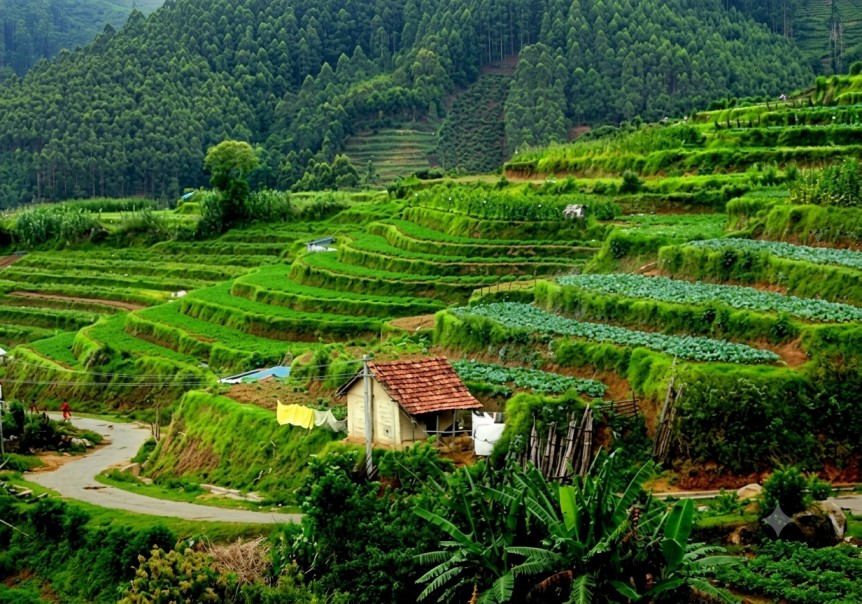
Vandanmadu : The Cardamom Capital Of India
Imagine stepping out of your car and being greeted not by honking traffic or tourist crowds, but by the intoxicating fragrance of cardamom drifting down from terraced hillsides, the sound of a gentle stream somewhere below, and a cool breeze that feels like a reward for having made the journey. That's Vandanmedu for you — not just a village, but an experience that engages all five senses at once. Tucked away in the Idukki district of Kerala at an altitude of roughly 1,200 metres, this quiet highland gem sits in the heart of the Cardamom Hills, a landscape so lush and so alive that it makes you wonder why you ever spent your holidays anywhere else. The world's largest cardamom auction market is right here — and yet, somehow, Vandanmedu remains refreshingly unhurried, unpolished, and utterly real.
Parunthumpara : The Eagle Rock Of Kerela
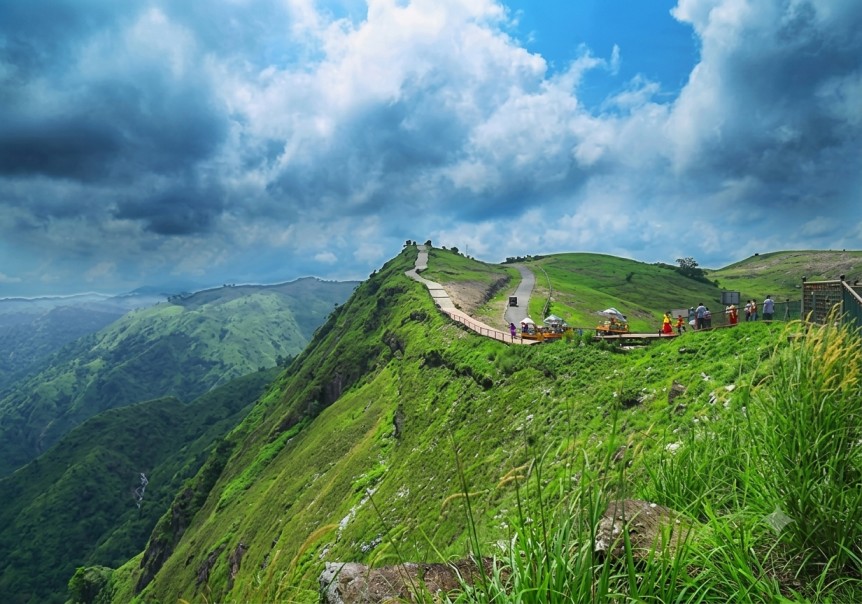
Imagine standing at the edge of a cliff as the wind rushes past you, a sea of emerald cardamom and tea gardens rolling endlessly below, and golden eagles — the very creatures that gave this place its name — circling lazily in the blue above. That's Parunthumpara for you — not just a viewpoint, but an experience that quietly rearranges something inside you. Perched at an altitude of approximately 1,800 metres above sea level in the Idukki district of Kerala, this little-known highland gem sits within the Western Ghats, one of the world's most celebrated biodiversity hotspots. The name itself tells the story — Parunth meaning eagle and para meaning rock, making it, quite simply, the Rock of Eagles. And the moment you arrive, wings outstretched on the mountain wind, you understand exactly why.
Peeru-Hills : Ajmer's Scenic Sunset Point
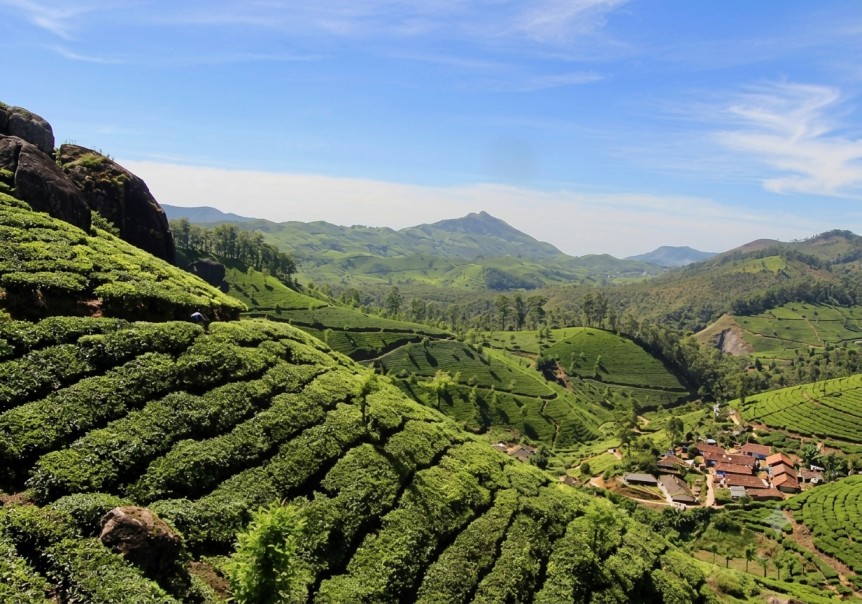
Imagine stepping off the road into a world where cardamom-scented air wraps around you like a shawl, where mist rolls in low over spice-covered hillsides, and where the only sounds you hear are birdsong and the distant rush of a stream through dense forest. That's Peeru Hills for you — not just a destination, but a quiet revelation. Tucked away in the Palakkad district of Kerala at an elevation of around 900 metres in the foothills of the Western Ghats, this lesser-known gem has long been cherished by those fortunate enough to find it. And once you do, you'll understand why the people who discover Peeru Hills tend to keep coming back, as if the forest itself has left something behind in them that they need to retrieve
Charminar : The Timeless Symbol Of Hyderabad
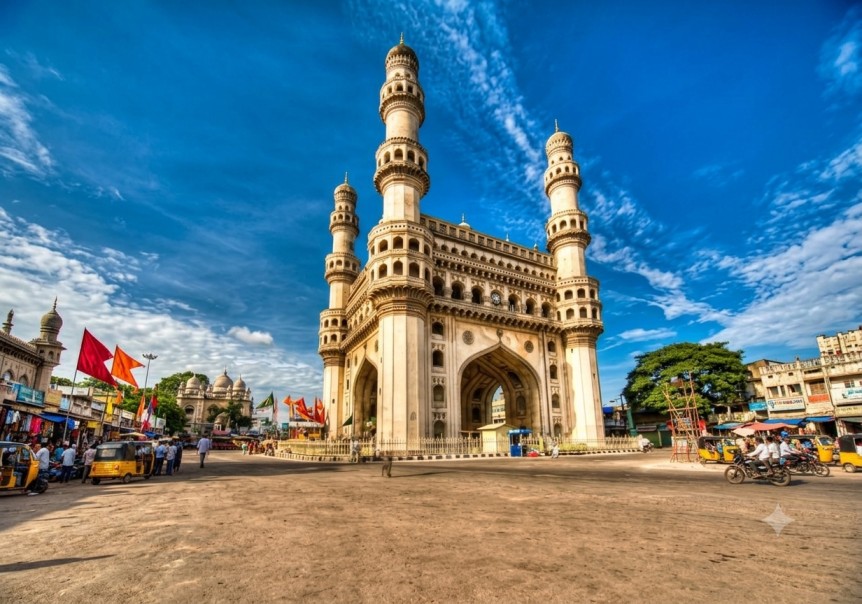
Picture standing at a bustling crossroads where the air smells of attar perfume and sizzling kebabs, where bangles clink in nearby shops, and four towering minarets pierce the sky above you, standing sentinel over a city's soul. That's Charminar for you — not just a monument, but the very heartbeat of Hyderabad. Built over four centuries ago, this iconic structure has watched empires rise and fall while remaining the unshakeable symbol of a city that beautifully blends the old with the new.
Kotagiri : The Serene Hill Station Of Tamil Nadu
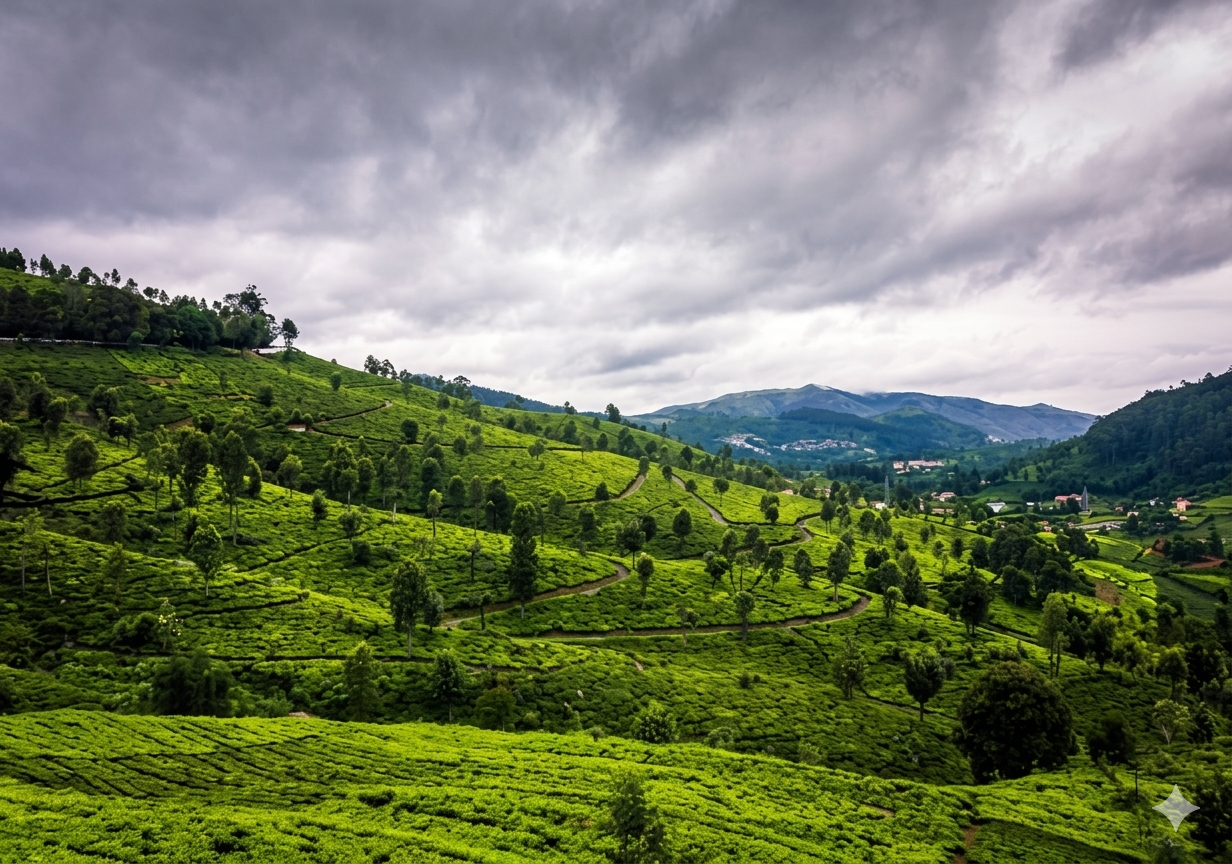
Some places announce themselves loudly — with billboards, tourist crowds, and Instagram-ready viewpoints that everyone and their neighbor has already photographed. Kotagiri does none of that. It simply waits, patient and unhurried, at 1,793 meters above sea level in the Nilgiri Hills of Tamil Nadu, confident that the right kind of traveler will find their way to it eventually.
And when you do find it — tucked between rolling tea gardens, ancient tribal settlements, and mist-soaked valleys — you'll wonder why it took you so long.
Kotagiri is the oldest hill station in the Nilgiris, older than Ooty, older than Coonoor, and yet somehow far less crowded than either. It carries its age gracefully, the way a well-loved book does — worn at the edges, rich in stories, and infinitely more rewarding than anything brand new. For travelers who are tired of manufactured charm and hungry for something genuinely real, Kotagiri is the answer you didn't know you were looking for.
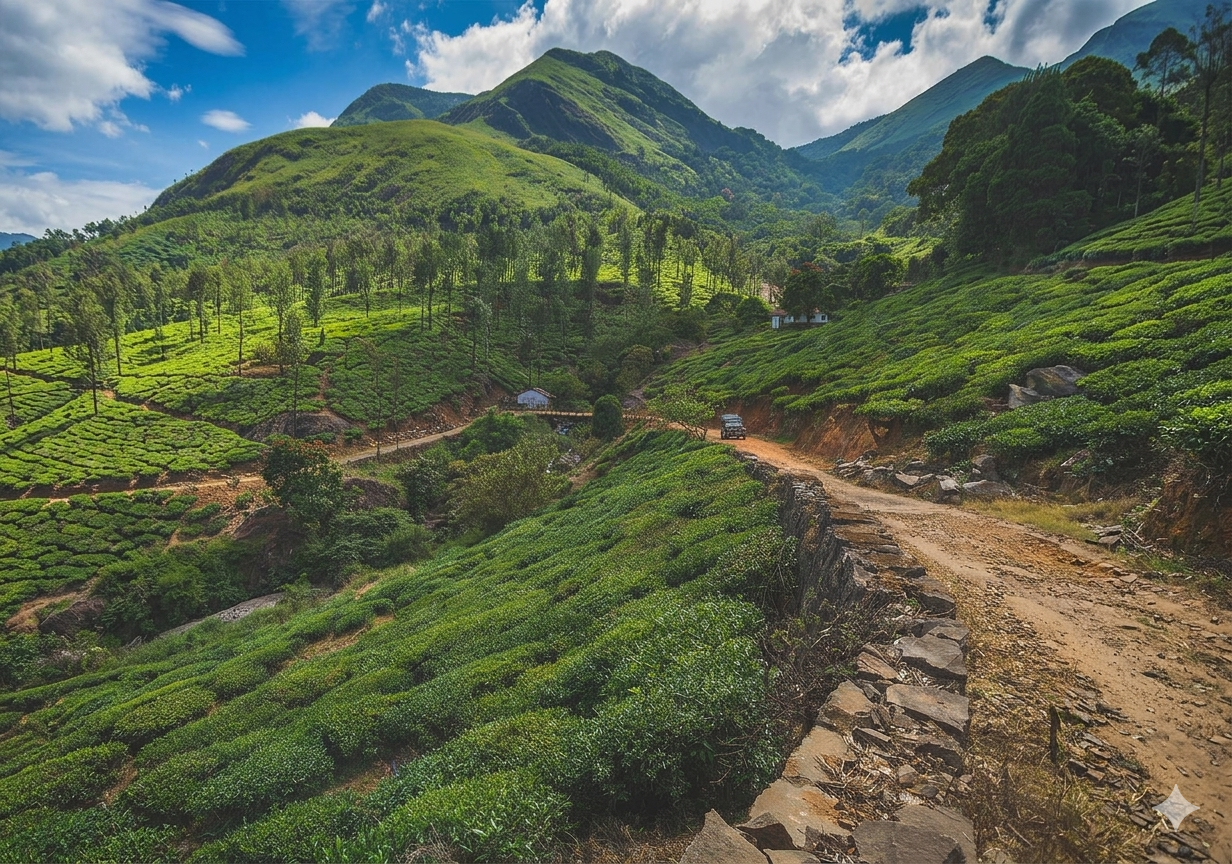
Wayanad : The Green Paradise Of Kerela
There are destinations you visit, and then there are destinations that visit you — settling somewhere deep inside and refusing to leave. Wayanad is the latter. Tucked away in the northeastern corner of Kerala, draped in mist and wrapped in the kind of green that doesn't exist anywhere else on earth, Wayanad is the sort of place that makes you forget what day it is. And honestly? That's the whole point.
If you've ever dreamed of waking up to the sound of rain on tea leaves, spotting a wild elephant through the morning fog, or sipping freshly brewed black coffee on a bamboo porch with a valley stretched endlessly below you — Wayanad is where that dream lives.
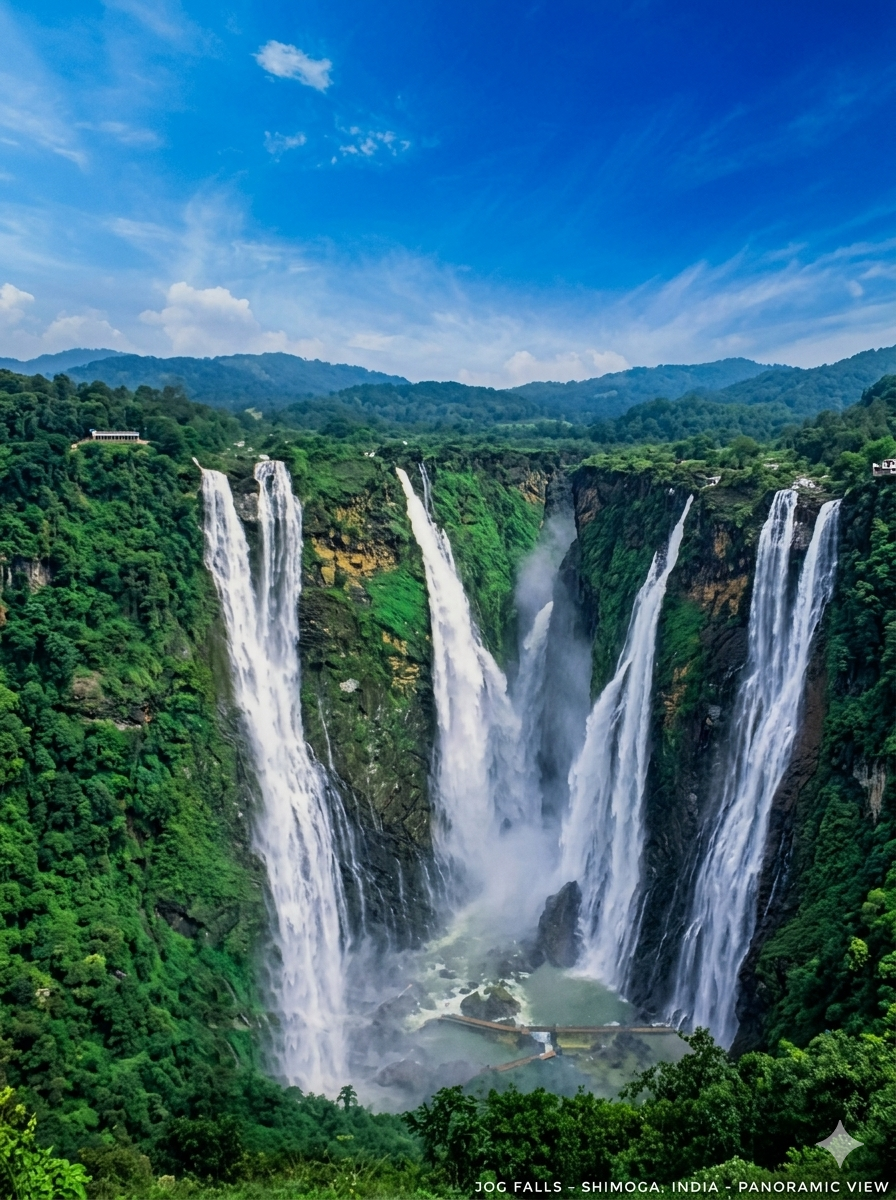
Jog Waterfalls : The Majestic Waterfall Of India
There are places in India that don't just attract tourists — they call to you. Jog Waterfall and Gokarna are two such destinations tucked along Karnataka's western coastline, where the Western Ghats tumble into the Arabian Sea and time seems to slow down just enough for you to breathe again. Whether you're a thrill-seeker chasing the thunder of India's mightiest waterfall or a wandering soul looking for a quiet beach town untouched by mass tourism, this duo delivers in ways that will leave you reaching for your journal long after you've returned home.
These aren't just tourist checkboxes. They're experiences that stay with you — the kind you describe to friends with wide eyes and the kind that make you book a return trip before the
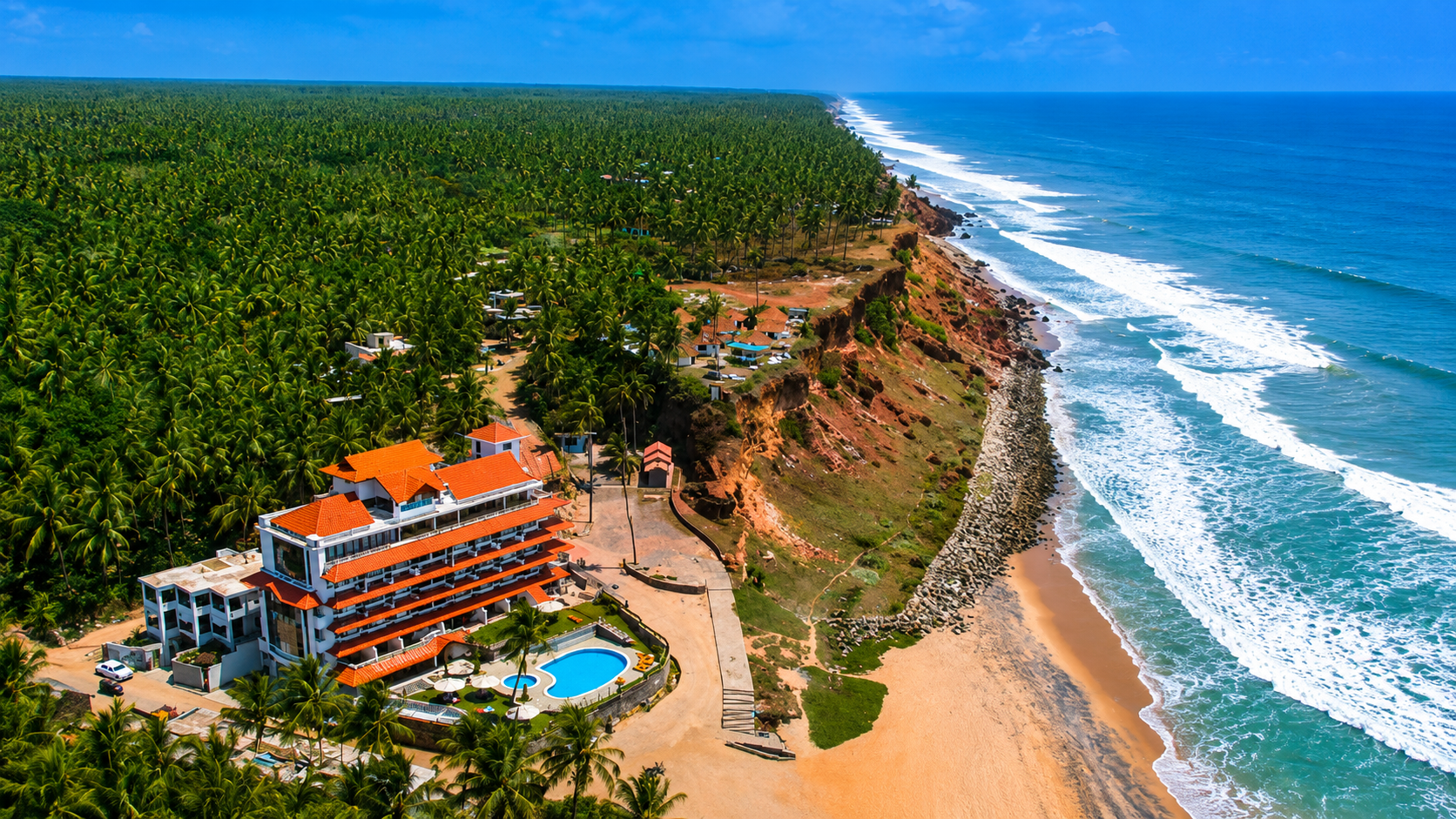
Varkala : India's Most Stunning Cliffside Beach Escape
Varkala stands as one of the most distinctive and spiritually significant coastal destinations in India, representing a unique convergence of ancient pilgrimage tradition, dramatic natural geography, and contemporary wellness culture. Located on the southwestern coast of Kerala in the Arabian Sea, Varkala is distinguished by its towering red laterite cliffs that plunge dramatically to pristine beaches, creating a landscape of unparalleled visual beauty. The destination draws pilgrims, wellness seekers, and travelers from across the world, offering a setting defined by sacred temples, traditional Ayurvedic centers, meditation retreats, and an atmosphere of rejuvenation rarely matched elsewhere.
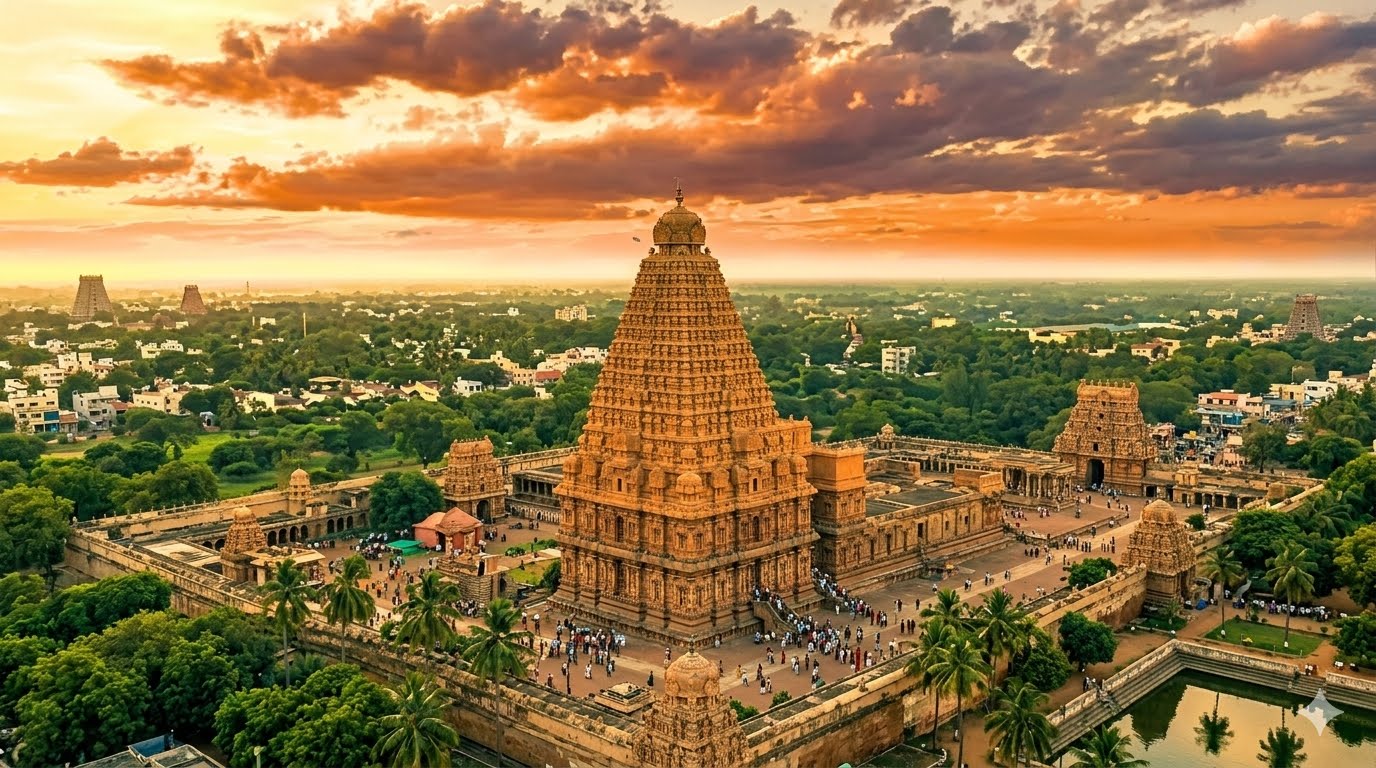
Thanjavur : The Cultural Crown Of South India
Thanjavur stands as one of the most culturally magnificent and historically consequential destinations in India, a city whose identity as the seat of the mighty Chola Empire at the peak of its power between the ninth and thirteenth centuries CE has left behind a legacy of temple architecture, classical art, sacred music, bronze sculpture, and literary scholarship that places it among the most important cultural capitals in the history of Asian civilisation. Known also as Tanjore — the anglicised form of its name — and celebrated as the cultural capital of Tamil Nadu, the city sits in the fertile delta of the Kaveri River in the southeastern part of the state, surrounded by the rice fields that have earned it the additional designation of the Rice Bowl of Tamil Nadu, and dominated by the soaring tower of the Brihadeeswarar Temple, whose dark granite vimana rising to a height of sixty-six metres has served as the most visible symbol of Chola imperial ambition for over a thousand years
Kemmanagundi : The Queen Of Hills Stations In Karnataka
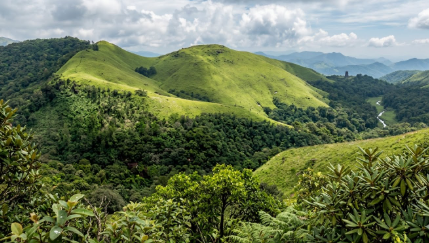
Kemmanagundi stands as one of the most beautifully composed and least crowded hill retreats in Karnataka, a highland destination of quiet grandeur that combines royal heritage, horticultural refinement, dramatic waterfalls, and sweeping valley views in a setting of exceptional natural beauty at the edge of the Western Ghats. Situated in the Tarikere taluk of the Chikkamagaluru district at an altitude of 1,434 metres above sea level, Kemmanagundi occupies a position on the Baba Budan Giri range of the Western Ghats where the combination of elevation, moisture, and lateritic soil creates a landscape of unusual fertility and visual richness — dense with coffee and tea plantations, bamboo groves, shola forest patches, and the cascading streams and waterfalls that are among the most celebrated natural features of the Malnad highlands.
Dandeli : India's Wild Adventure Capital Of The Western Ghats
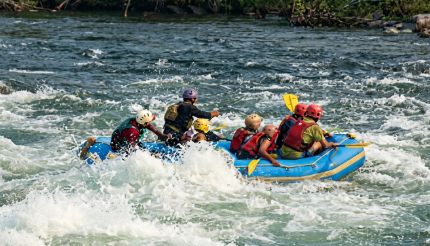
Dandeli stands as one of the most thrillingly alive and ecologically rich adventure destinations in southern India, a small town in the northern reaches of Karnataka where the Kali River winds through dense Western Ghats forest, white-water rapids tumble through limestone gorges, and one of the largest wildlife sanctuaries in the state spreads across hundreds of square kilometres of some of the most biodiverse terrain in the Indian subcontinent. Situated in the Uttara Kannada district of Karnataka on the banks of the Kali River, Dandeli has earned a deserved reputation as Karnataka's adventure capital — a destination where the thrill of white-water rafting, the quieter pleasures of jungle safari, the darkness of ancient limestone caves, and the extraordinary richness of a birdlife exceeding 300 species all converge within a landscape of striking natural beauty.
Kudremukh : Where Misty Mountain Touch The Clouds
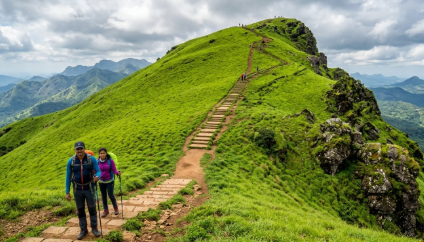
Kudremukh stands as one of the most ecologically extraordinary and visually magnificent destinations in the Western Ghats, a protected wilderness of rolling shola grasslands, dense tropical rainforest, cascading rivers, and mist-wrapped peaks that together constitute one of the most biologically significant landscapes in Asia. Situated in the Chikkamagaluru district of Karnataka and forming the core of a national park spanning approximately 600 square kilometres, Kudremukh occupies a position at the heart of the Western Ghats — a mountain range recognised by UNESCO as a World Heritage Site and identified as one of the world's 34 biological hotspots, a global distinction that places it among the rarest and most irreplaceable natural environments on earth.
Gokarna : A Hidden Gem Of Sun,Sand,& Serenity
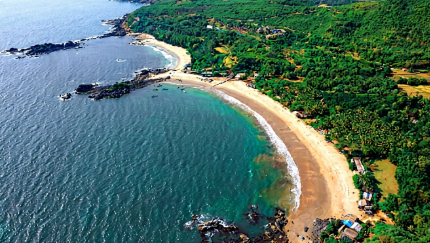
Gokarna stands as one of the most distinctive and spiritually charged coastal destinations in India, a small temple town on the Arabian Sea coast of Karnataka that holds within its modest boundaries a rare and genuinely compelling combination of ancient pilgrimage tradition, unspoiled beaches of extraordinary beauty, and a quality of unhurried coastal life that has drawn both devout Hindu pilgrims and wandering travellers from across the world for very different but equally sincere reasons. Situated in the Uttara Kannada district of Karnataka, approximately 514 kilometres from Bengaluru and 163 kilometres from Panaji in Goa, Gokarna occupies a stretch of the Karnataka coastline where the Western Ghats descend steeply to the sea, creating a landscape of forested headlands, hidden coves, and long curved beaches separated from each other by rocky promontories and connected by clifftop trails that offer views of the Arabian Sea of considerable dramatic beauty.
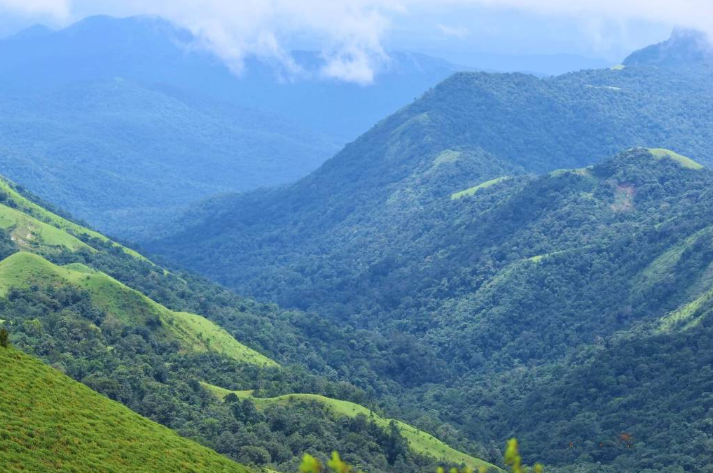
Chikmagalur : Where Coffee Meets The Clouds
Chikmagalur stands as one of the most richly aromatic and scenically compelling hill destinations in southern India, a district where the scent of coffee blossoms drifts through misty highland air, forested peaks rise to the highest altitudes in Karnataka, and cascading waterfalls descend through dense Western Ghats vegetation into valleys of extraordinary natural beauty. Nestled in the foothills of the Mullayangiri range in the central-western part of Karnataka, Chikmagalur occupies a landscape at the intersection of the coffee country, the dense evergreen forests of the Malnad region, and the wildlife-rich protected areas of the Western Ghats — a convergence that gives the district a depth and variety of experience that few hill destinations in the peninsula can match.
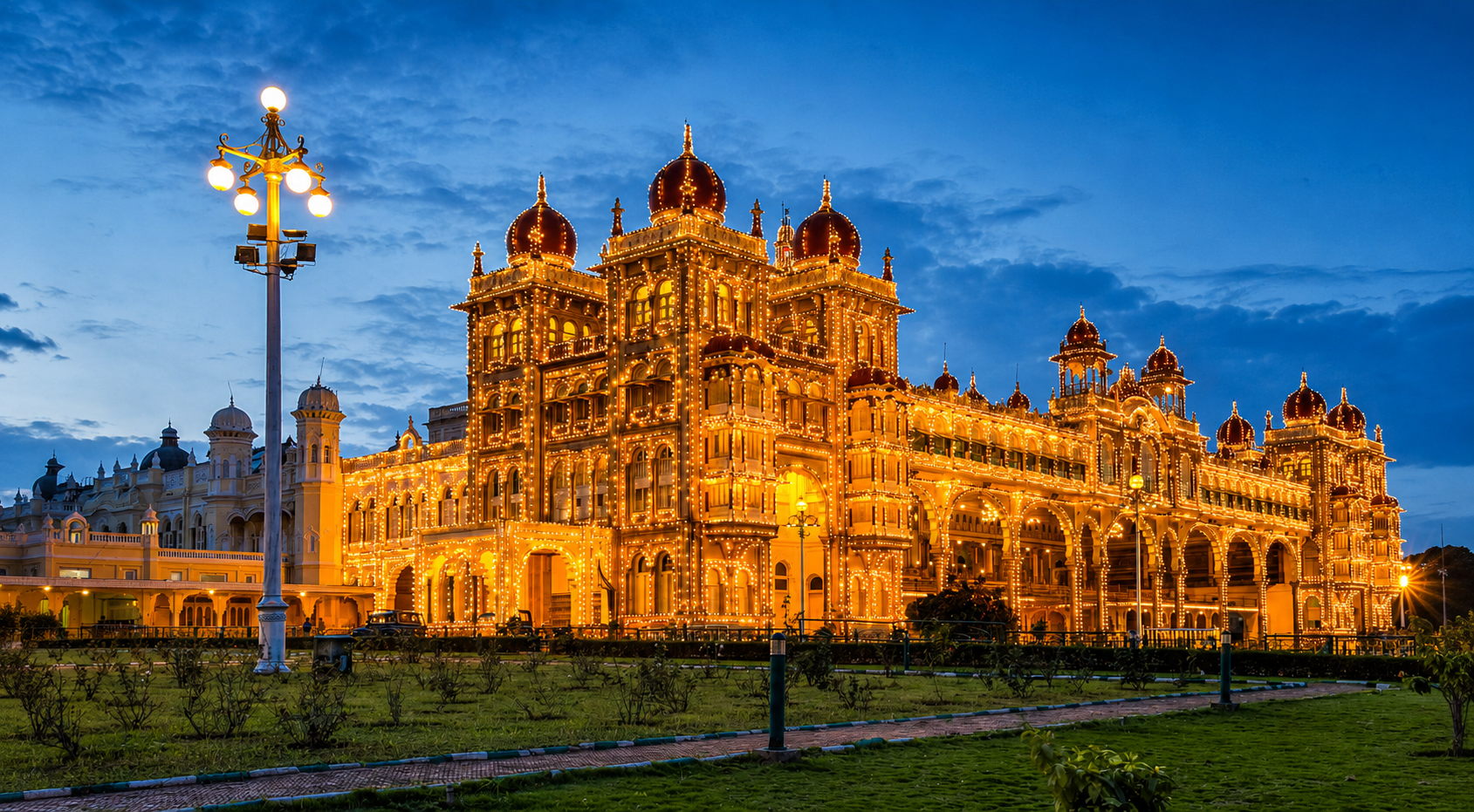
Mysore : The Royal Heritage City Of India
Mysuru stands as one of the most regally beautiful and culturally distinguished cities in southern India, a destination whose layered identity as a seat of royal power, a centre of classical arts and learning, a city of palaces and gardens, and a living repository of Karnataka's finest craft traditions has made it one of the most visited and beloved heritage cities in the country. Formerly known as Mysore and officially renamed Mysuru in 2014, the city is situated in the southern part of Karnataka at the foothills of the Chamundi Hills, approximately 147 kilometres southwest of Bengaluru. It is the third most populous city in the state and carries the informal titles of the City of Palaces, the Sandalwood City, and the City of Yoga — each reflecting a distinct and genuine dimension of what the city offers to its visitors.
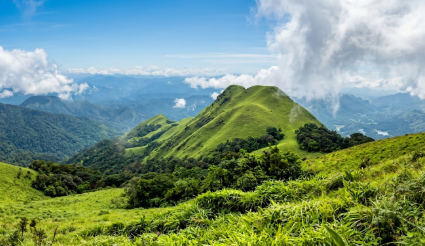
Coorg : The Scotland Of India
Coorg stands as one of the most beloved and atmospheric hill destinations in southern India, a landscape of mist-wrapped hills, cascading waterfalls, aromatic coffee estates, and ancient forests that has earned its place among the most celebrated natural retreats on the subcontinent. Formally known as Kodagu, the district occupies the southwestern corner of Karnataka in the Western Ghats, spread across an area of approximately 4,102 square kilometres at altitudes ranging from 900 to 1,715 metres above sea level. The town of Madikeri, known during the British period as Mercara, serves as the district headquarters and the natural hub from which the surrounding landscape of peaks, valleys, plantations, and wildlife sanctuaries is most conveniently explored.
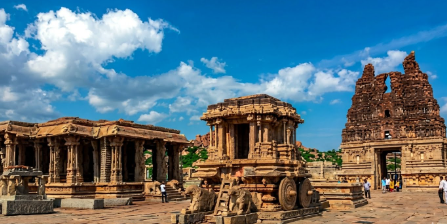
Hampi : A Timeless Journey Through a Lost Empire
Hampi stands as one of the most extraordinary and visually overwhelming heritage destinations in India, an ancient landscape where the ruins of one of the greatest empires in medieval Asian history lie scattered across a surreal terrain of massive granite boulders, banana plantations, and the broad, sacred waters of the Tungabhadra River. Situated in the Vijayanagara district of northern Karnataka, approximately 340 kilometres from Bengaluru, Hampi occupies the site of Vijayanagara — the City of Victory — which served as the capital of the Vijayanagara Empire from 1343 to 1565 and grew, at the peak of its power under Emperor Krishnadevaraya in the early sixteenth century, into one of the largest and richest cities in the world, a metropolis of extraordinary wealth, architectural ambition, and cultural vitality that astounded every traveller and merchant who visited it.
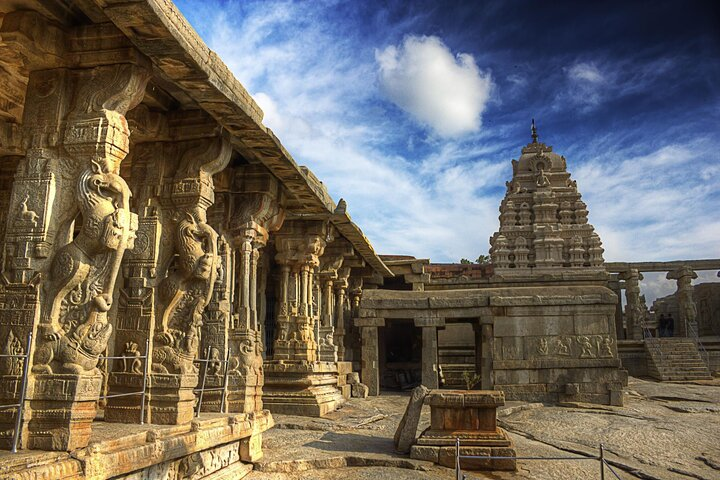
Lapakshi Temple : Where Legends Come Alive
Lepakshi Temple stands as one of the most architecturally distinguished and artistically significant temple destinations in South India, representing a remarkable testament to ancient craftsmanship and spiritual devotion. Situated in the Anantapur district of Andhra Pradesh, perched on the Deccan plateau, this 16th-century shrine dedicated to Lord Shiva and Parvati is recognized as a masterpiece of Dravidian architecture and sculptural artistry, drawing pilgrims, architects, historians, and art enthusiasts from across India and the world. The destination offers a landscape defined by intricately carved pillars, vibrant hand-painted frescoes, monumental stone sculptures, and an atmosphere of contemplative reverence that speaks to centuries of devotional continuity and artistic excellence.
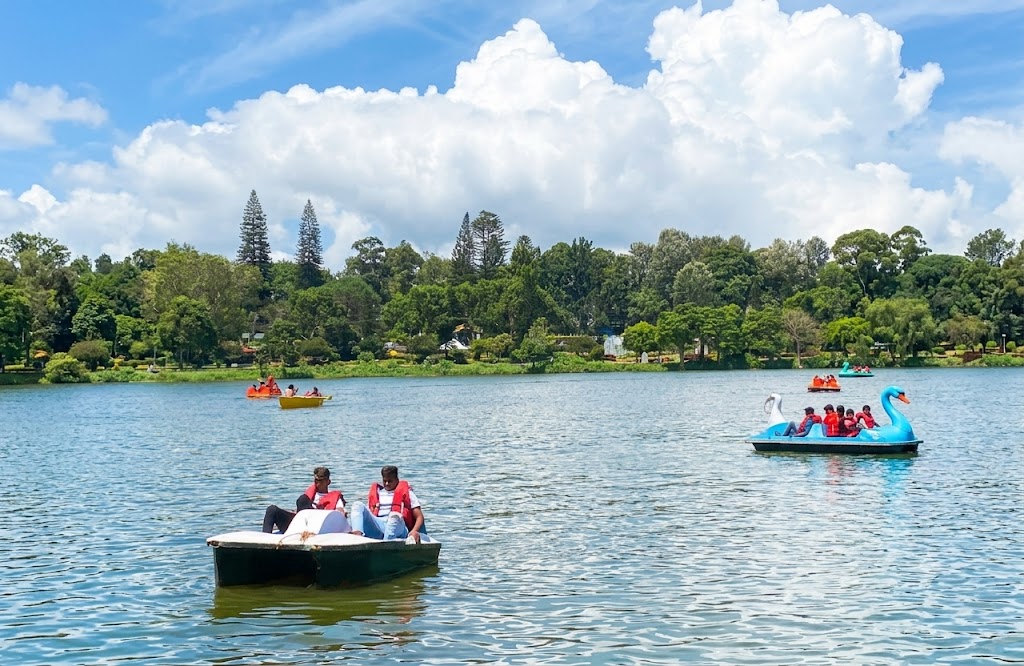
Yercaud : Where Serenity Meets Nature
Imagine waking up to a cool mountain breeze, the scent of coffee blossoms drifting through your window, and a view of mist-wrapped hills stretching endlessly into the horizon. That's Yercaud for you — a quiet, unhurried hill station nestled in the Shevaroy Hills of Salem district in Tamil Nadu, sitting at an elevation of about 1,515 metres (4,970 feet) above sea level. Often called the "Poor Man's Ooty," Yercaud is anything but poor in beauty, character, or charm. It's simply more honest — less crowded, less commercialized, and far more soul-filling than its famous neighbour.
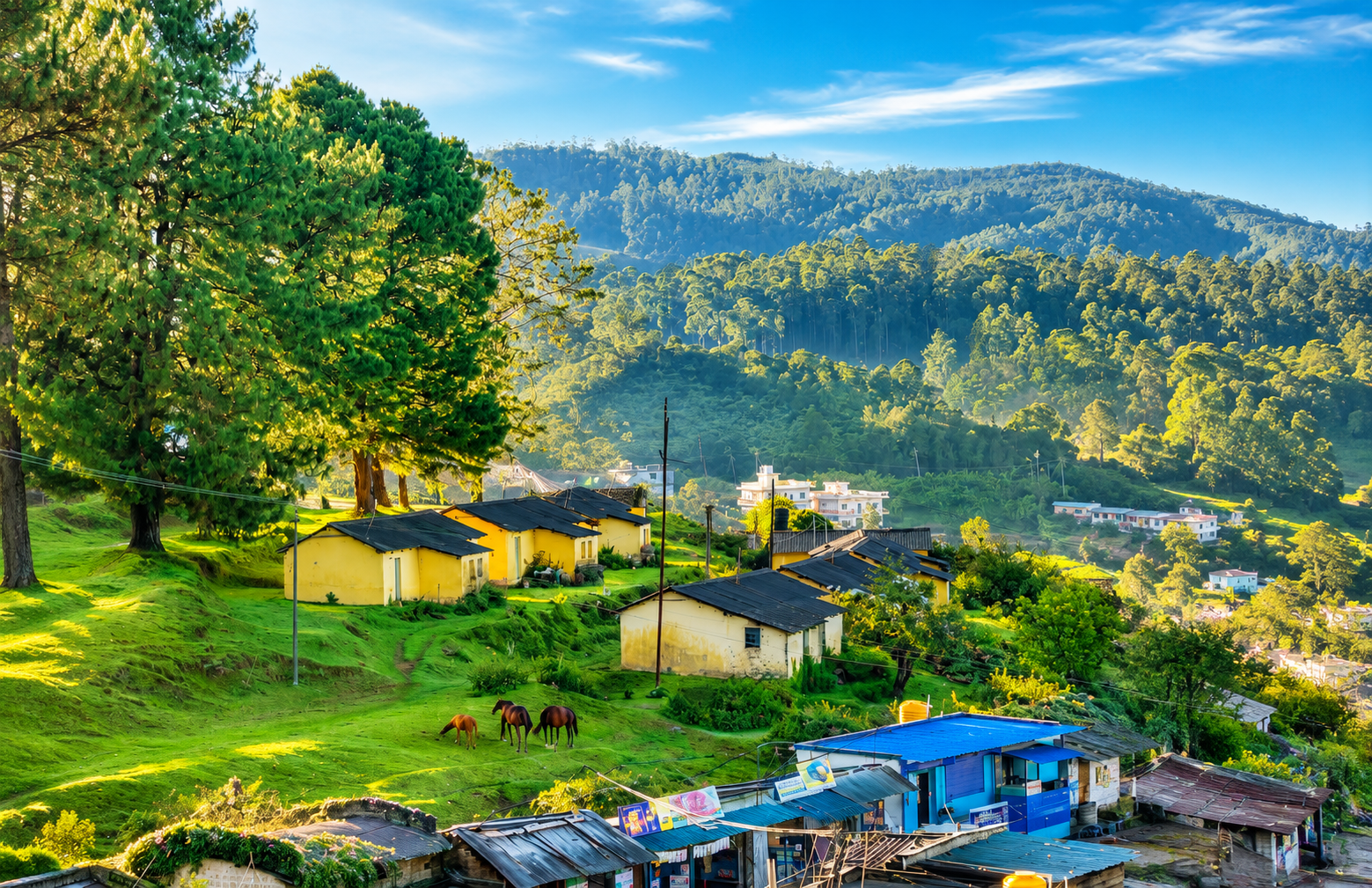
Kodaikanal : The Princess Of Hill Stations
Imagine waking up to a world wrapped in silver mist, the scent of eucalyptus drifting through your window, and a cup of steaming chai warming your hands as you gaze out at rolling valleys that seem to go on forever. That's Kodaikanal for you — not just a hill station, but a feeling. Nestled at an altitude of about 2,133 metres above sea level in the Palani Hills of Tamil Nadu, this enchanting destination has been stealing hearts for centuries. Locals call it "Kodai," and once you visit, you'll understand why people return here again and again, as if the hills themselves are calling them home
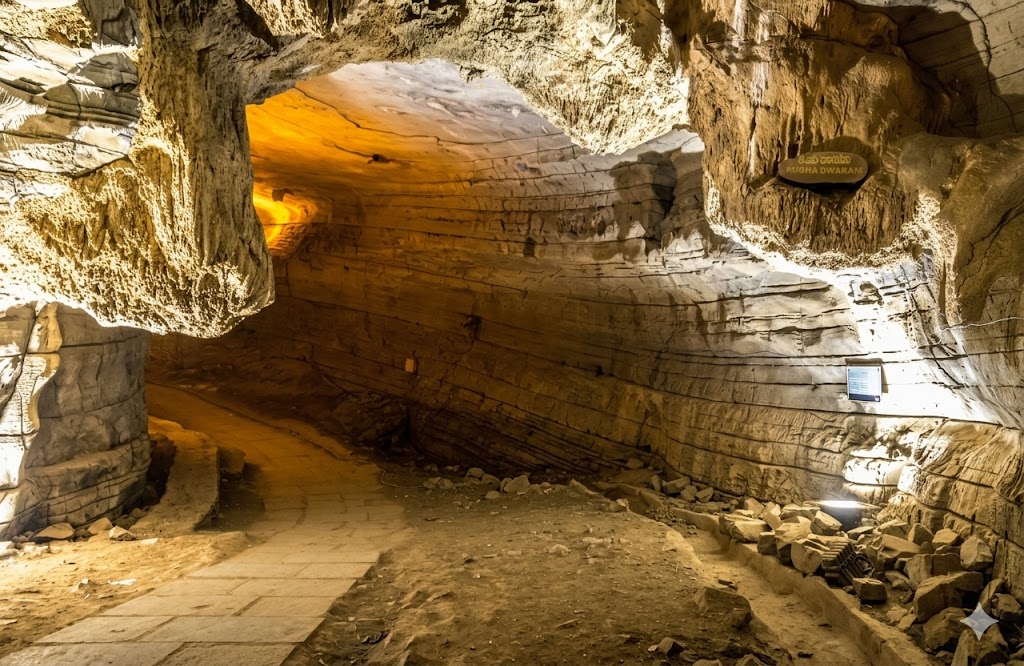
Belum Caves : India's Hidden Underground Wonder
Most caves ask you to duck your head and stay alert for a few minutes before you're back in daylight. Belum Caves asks something different — it invites you to walk, and walk, and keep walking, deeper into a labyrinth that winds on for kilometers beneath ordinary farmland, past chambers shaped like meditation halls, past an underground river that vanishes into the earth, past stalactites curved like cobra hoods. By the time you emerge, blinking, back into the Andhra Pradesh sunshine, you'll genuinely feel like you've returned from another world.
Tucked away in the Kurnool district of Andhra Pradesh, the Belum Caves are India's second-longest cave system, and quite possibly one of the most underrated natural wonders in the entire country. If you think you've seen every kind of landscape India has to offer, this place will prove you wrong.
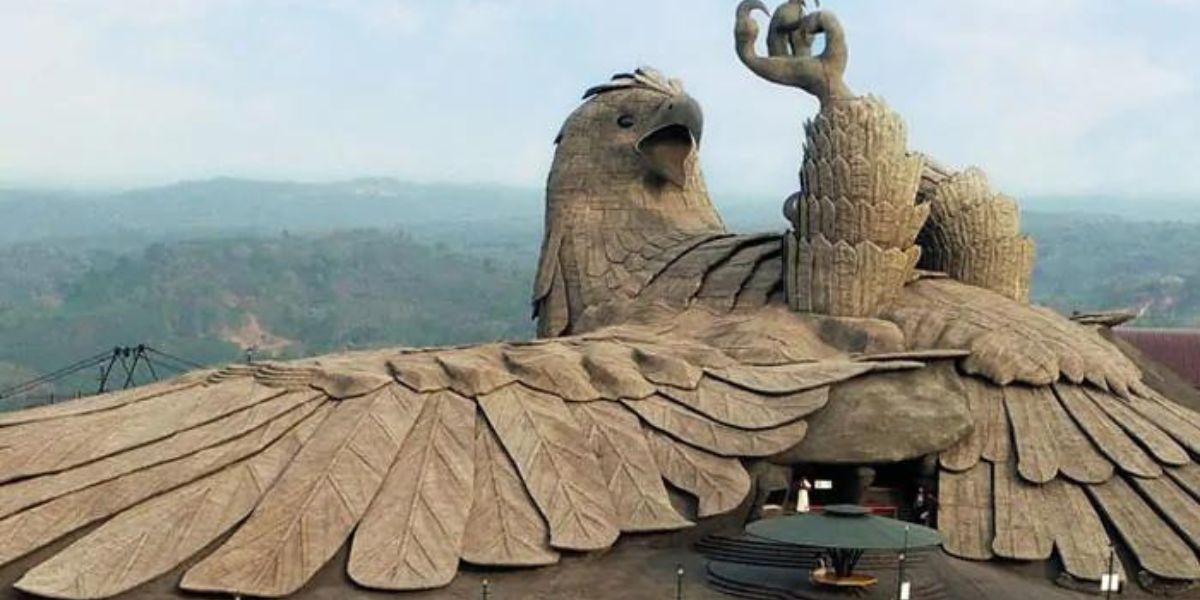
Jatayu: Where Myth Meets Majesty
Jatayu Sculpture stands as a contemporary marvel of artistic expression and spiritual symbolism, representing a remarkable fusion of mythology, craftsmanship, and natural landscape. Situated in the lush hills of Chadayamangalam in the Kollam district of Kerala, this colossal structure is recognized as the world's largest bird sculpture, commemorating Jatayu, the noble eagle from the ancient Hindu epic Mahabharata. The destination draws art enthusiasts, mythology scholars, adventure seekers, and spiritual travelers from across India and beyond, offering a sprawling landscape defined by verdant forests, panoramic vistas, and an atmosphere of creative grandeur rarely encountered elsewhere.
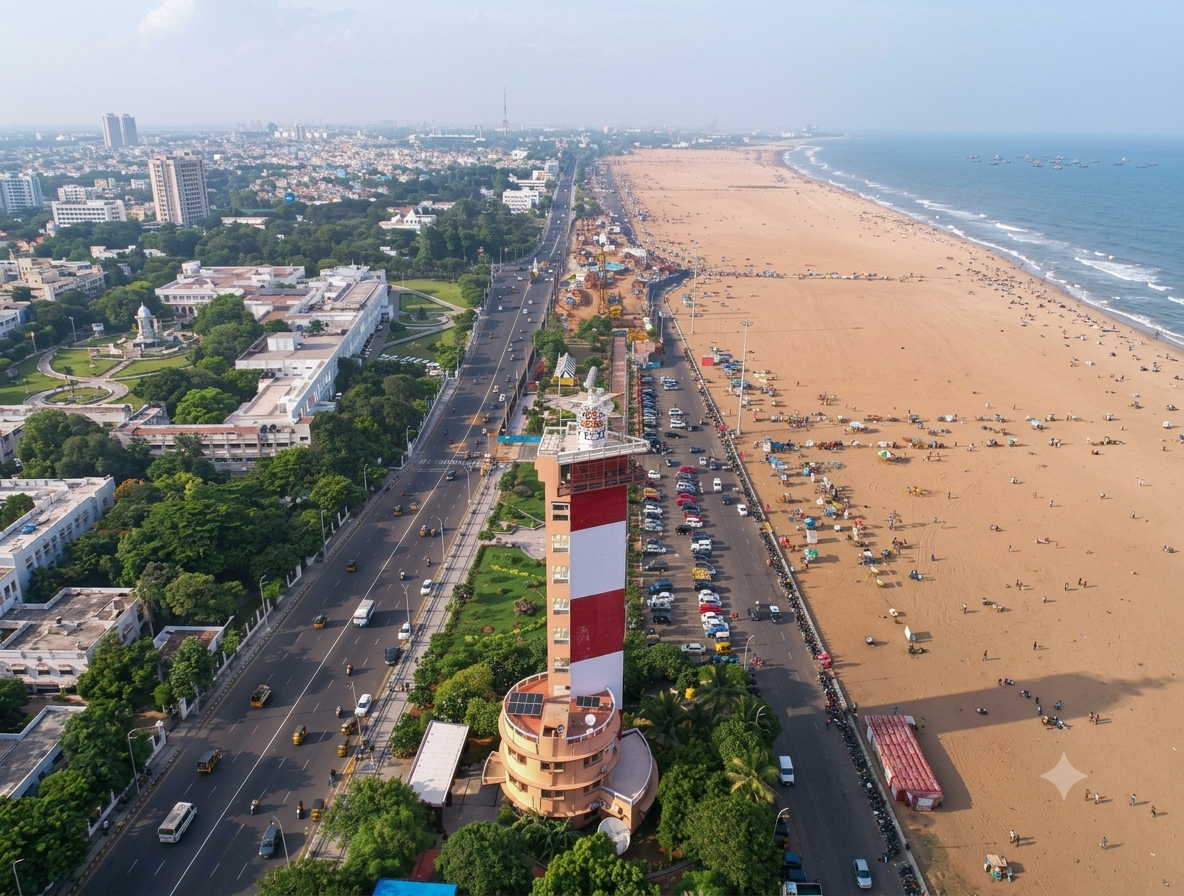
Chennai : Where Heritage Meets The Sea
Chennai stands as one of the most historically layered, culturally vibrant, and geographically dramatic metropolitan cities in India, a destination that combines the grandeur of ancient Dravidian temple architecture, the colonial heritage of the first British settlement on Indian soil, the world's longest urban beach, a classical arts tradition of extraordinary depth, and the dynamic energy of one of the fastest-growing economies in Asia — all within a single coastal city facing the Bay of Bengal on the southeastern tip of the subcontinent. Formally known as Madras until 1996 and serving as the capital of Tamil Nadu, Chennai is India's fourth-largest city and the primary cultural, commercial, educational, and administrative centre of the south, a position it has held across different forms of governance for nearly four centuries
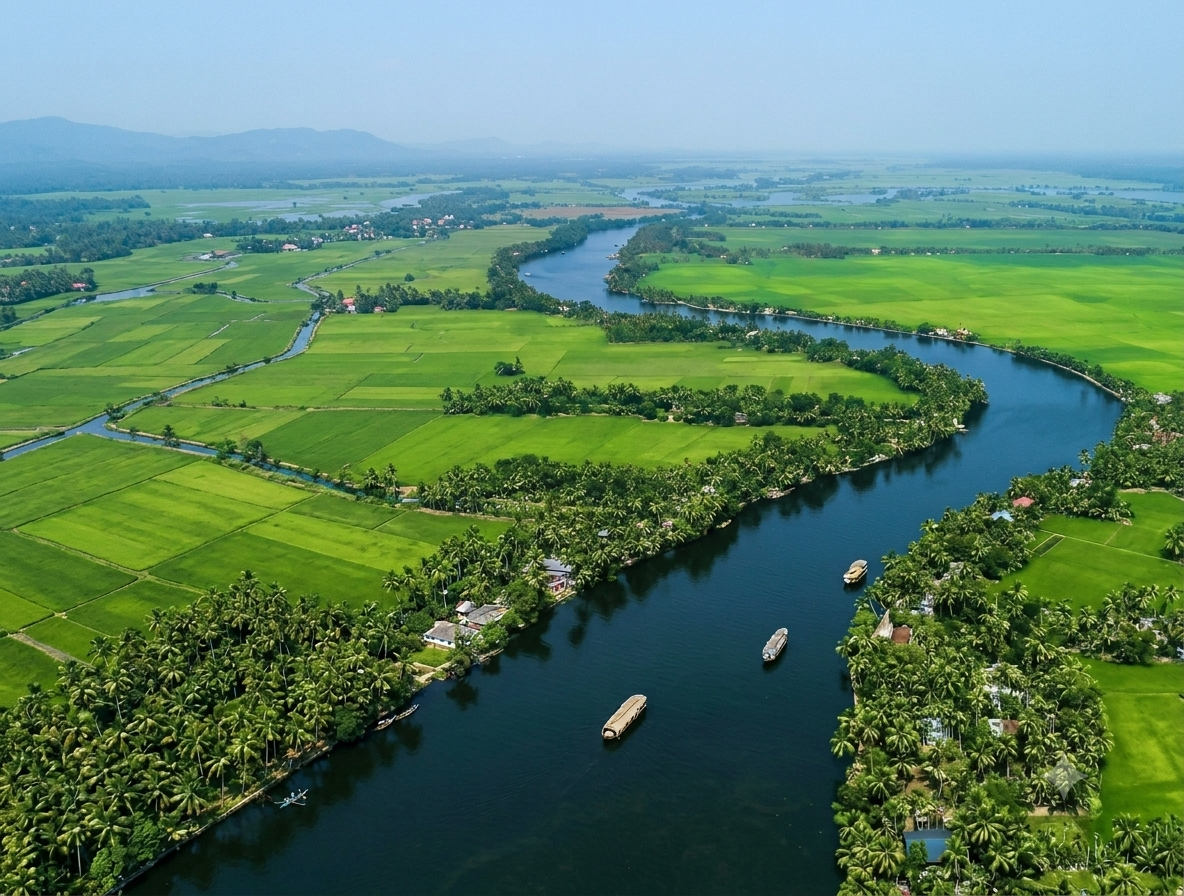
Alleppey Backwaters: A Journey On Water
Alleppey stands as one of the most evocative and distinctively Kerala destinations in India, a place where the boundaries between land and water dissolve into a landscape of canals, lagoons, lakes, and backwaters that has earned the town its celebrated comparison with Venice and its identity as the aquatic heart of God's Own Country. Officially named Alappuzha and situated in the southern part of Kerala facing the Arabian Sea, Alleppey occupies a geography defined by the meeting of the sea, the Vembanad Lake — the longest lake in India — and an intricate network of canals, rivers, and waterways that connects the town to the fishing villages, paddy fields, coir-making communities, and natural wetlands of the surrounding backwater country. The town itself is one of the oldest planned urban settlements in India, its grid of canals laid out in the nineteenth century by Raja Kesavadas under the patronage of the Travancore kingdom in a design that functioned as much for commerce as for navigation.
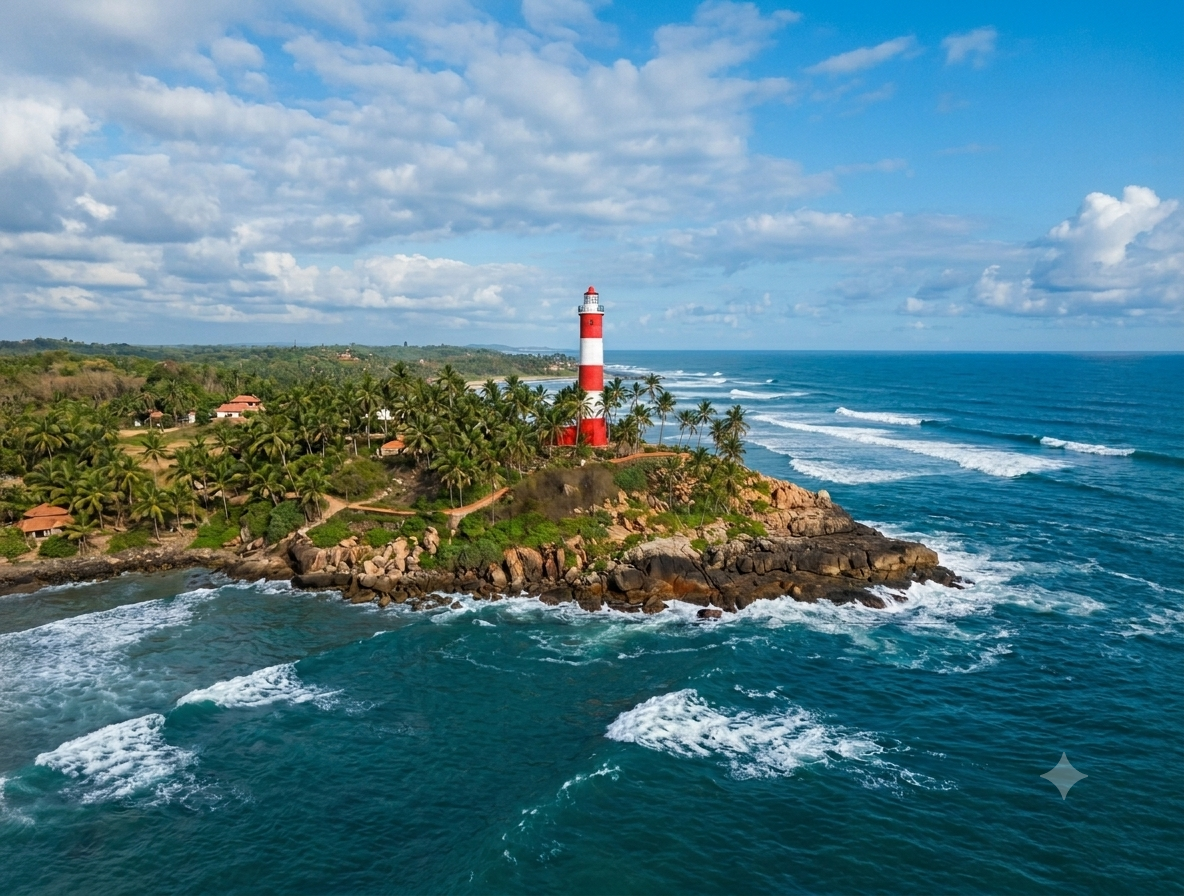
Kovalam: The Coastal Paradise
Kovalam stands as one of the most internationally celebrated and culturally distinctive beach destinations in India, a coastal town on the southwestern tip of the subcontinent where three crescent-shaped beaches of exceptional natural beauty, a deep-rooted tradition of Ayurvedic healing, a vibrant cultural heritage, and the warm hospitality of Kerala's coastal communities have together created a destination of global reputation and enduring appeal. Situated approximately fifteen kilometres southeast of Thiruvananthapuram, the capital of Kerala, on the Arabian Sea coast of the southernmost district of the state, Kovalam occupies a stretch of shoreline where the land curves gently into the sea in a series of arcs separated by rocky headlands, creating a natural geography of bays and promontories that gives each beach its own distinct character and shelters the waters to a degree that makes swimming and water activity accessible for much of the year.
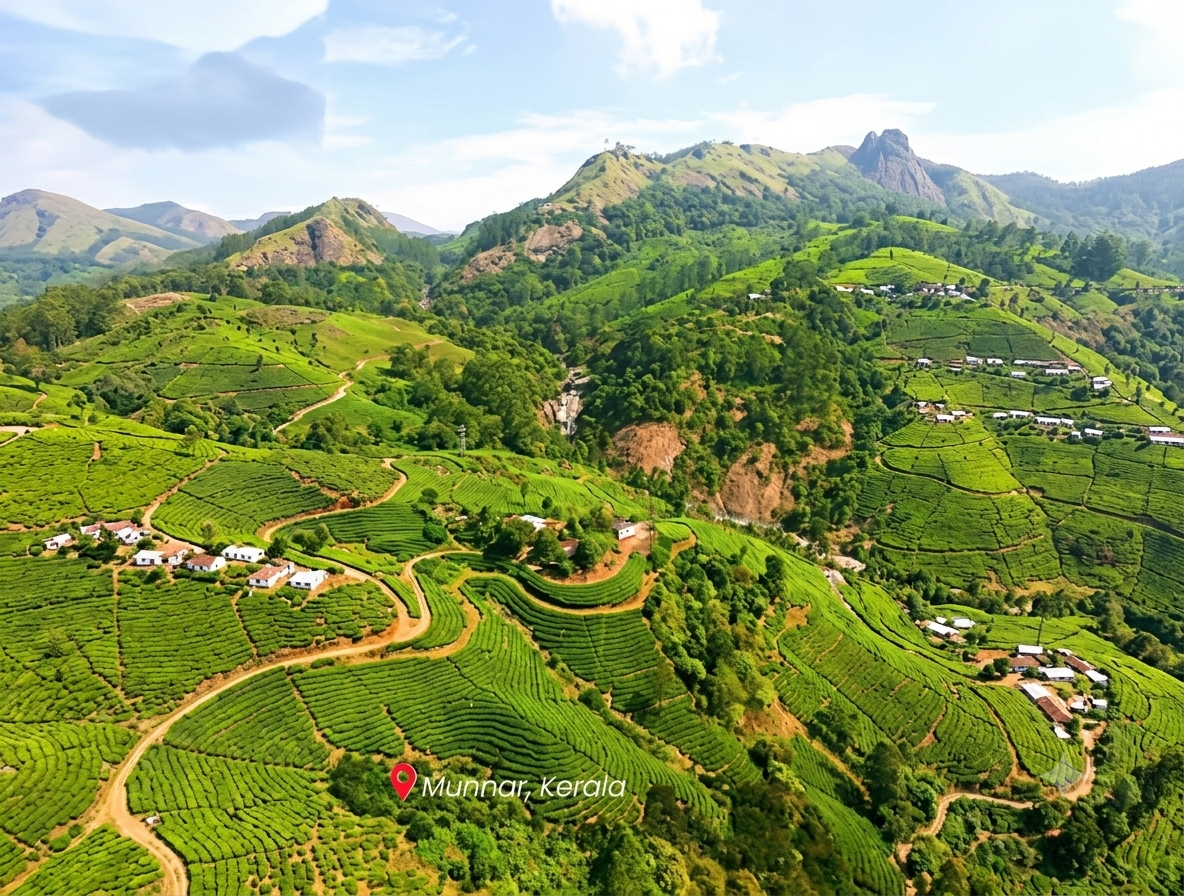
Munnar: Where Tea Garden Touch The Sky
Munnar stands as one of the most celebrated and visually magnificent hill stations in India, a destination whose endlessly rolling carpet of tea gardens, mist-wrapped peaks, cascading waterfalls, and cool highland air have made it one of the most visited and most loved natural retreats on the subcontinent. Situated in the Idukki district of Kerala at an altitude of approximately 1,600 metres above sea level, Munnar occupies the confluence of three mountain streams — the Muthirapuzha, the Nallathanni, and the Kundala — from which its name is derived, the word meaning in Tamil three rivers meeting. The surrounding landscape rises further to the Anamudi Peak at 2,695 metres, the highest point in peninsular India outside the Himalayas, and the entire arc of hills that frames the town constitutes one of the most ecologically significant and biologically rich highland ecosystems in the Western Ghats.
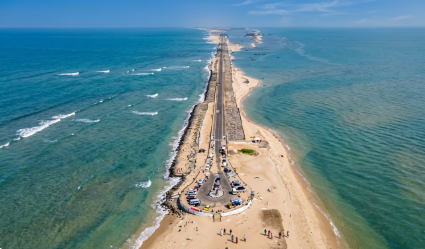
Dhanushkodi: Where Oceans Collide
Dhanushkodi stands as one of the most hauntingly beautiful and historically layered destinations in India, a place where mythological significance, natural drama, and the memory of catastrophic loss converge at the very edge of the Indian subcontinent. Situated at the southeastern tip of Pamban Island in the Ramanathapuram district of Tamil Nadu, approximately twenty kilometres from Rameswaram, Dhanushkodi occupies a narrow strip of land barely fifty yards wide in places, flanked on one side by the Bay of Bengal and on the other by the Indian Ocean — a geography so extreme and so visually arresting that it defies easy comparison with any other destination in the country.
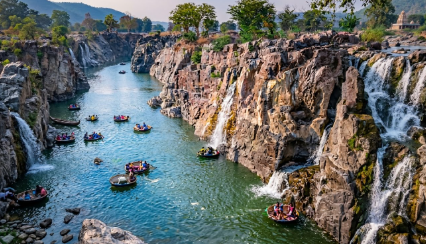
Hogenakkal Falls: Where Water Roars
Hogenakkal Falls stands as one of the most spectacular and atmospherically distinctive natural destinations in southern India, a waterfall of considerable power and unusual geological character that has earned its place among the most visited natural sites in Tamil Nadu and one of the most celebrated river falls on the entire subcontinent. Situated in the Dharmapuri district of Tamil Nadu at the point where the Kaveri River crosses from Karnataka into Tamil Nadu, descending through a dramatically rocky terrain in a series of cascading channels, Hogenakkal presents a landscape of white-frothing water, dark carbonatite rock, and perpetual mist that is unlike any other waterfall environment in peninsular India.
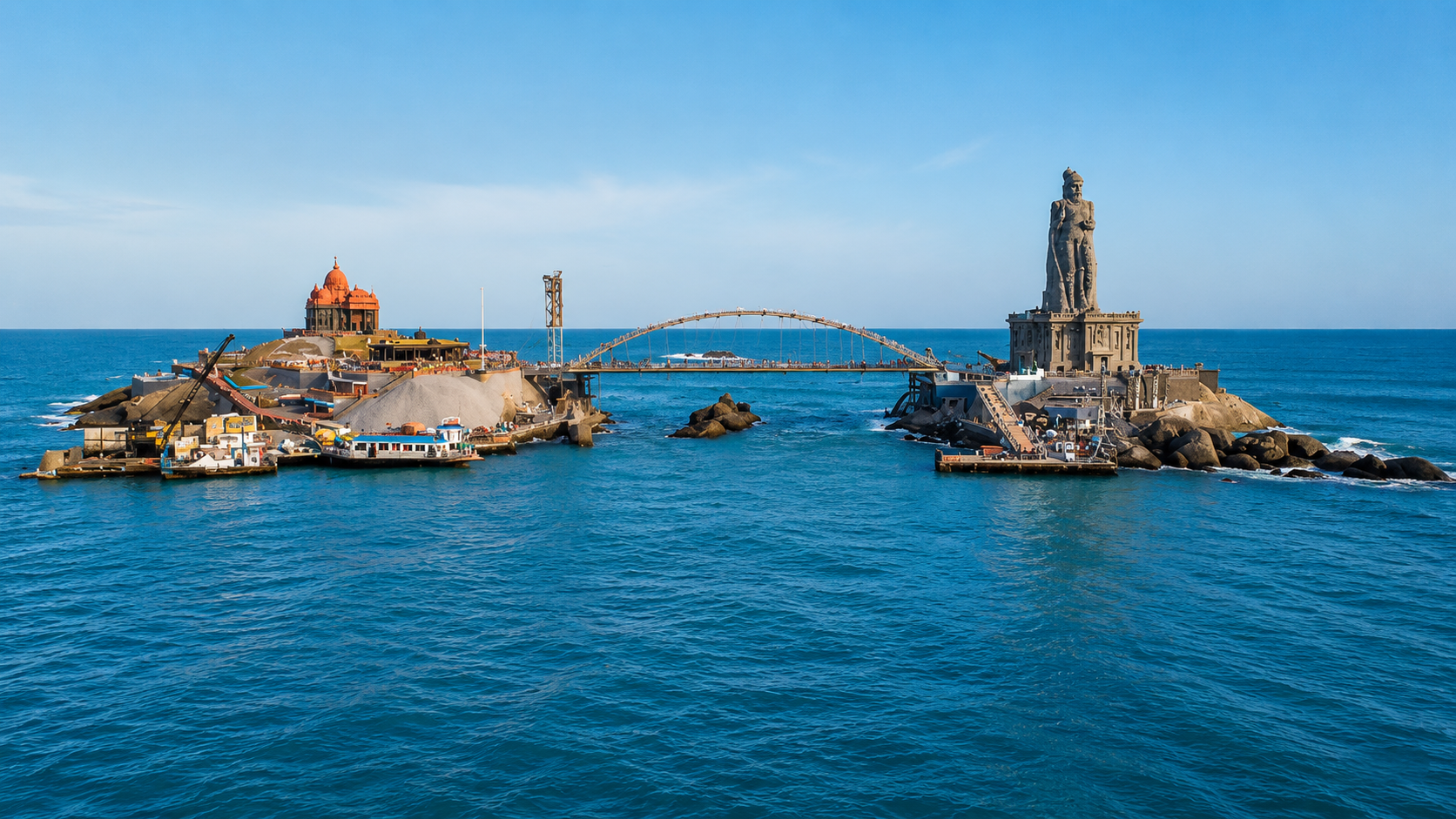
kanyakumari: Where Three Seas Meet
Kanyakumari stands as one of the most geographically singular and spiritually resonant destinations in India, a town whose identity is shaped by the extraordinary fact of its location at the absolute southern tip of the Indian subcontinent, where the Arabian Sea, the Bay of Bengal, and the Indian Ocean converge in a meeting of waters that has held profound significance in the Indian imagination for over two thousand years. Known during the British period as Cape Comorin, and formally named Kanniyakumari in Tamil, this compact coastal town in the southernmost district of Tamil Nadu occupies a position of rare geographical drama — a land's end where the peninsula narrows to a point, the sea wraps around on three sides, and the horizon offers an unbroken sweep of open ocean in nearly every direction.
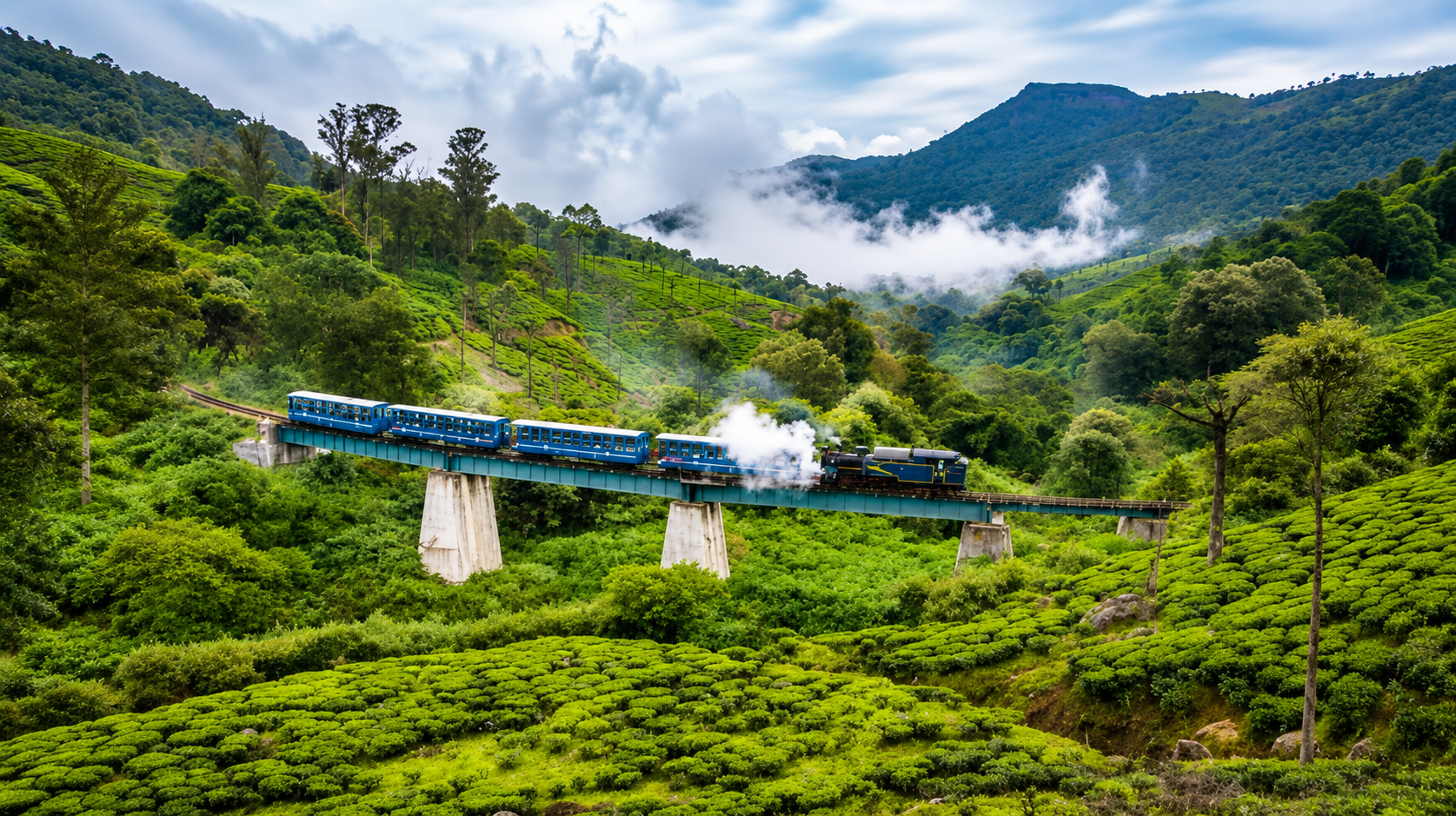
Ooty: The Paradise In The Hills
Ooty stands as one of the most beloved and enduringly celebrated hill stations in India, a destination whose combination of cool highland air, rolling tea gardens, colonial heritage, and sweeping Nilgiri landscapes has drawn travellers, nature lovers, and honeymooners for well over two centuries. Formally known as Udhagamandalam and popularly called Ooty, the town sits at an altitude of approximately 2,240 metres above sea level in the Nilgiris district of Tamil Nadu, nestled within a landscape of forested hills, mist-draped valleys, and terraced gardens that together create one of the most visually satisfying natural environments in peninsular India.
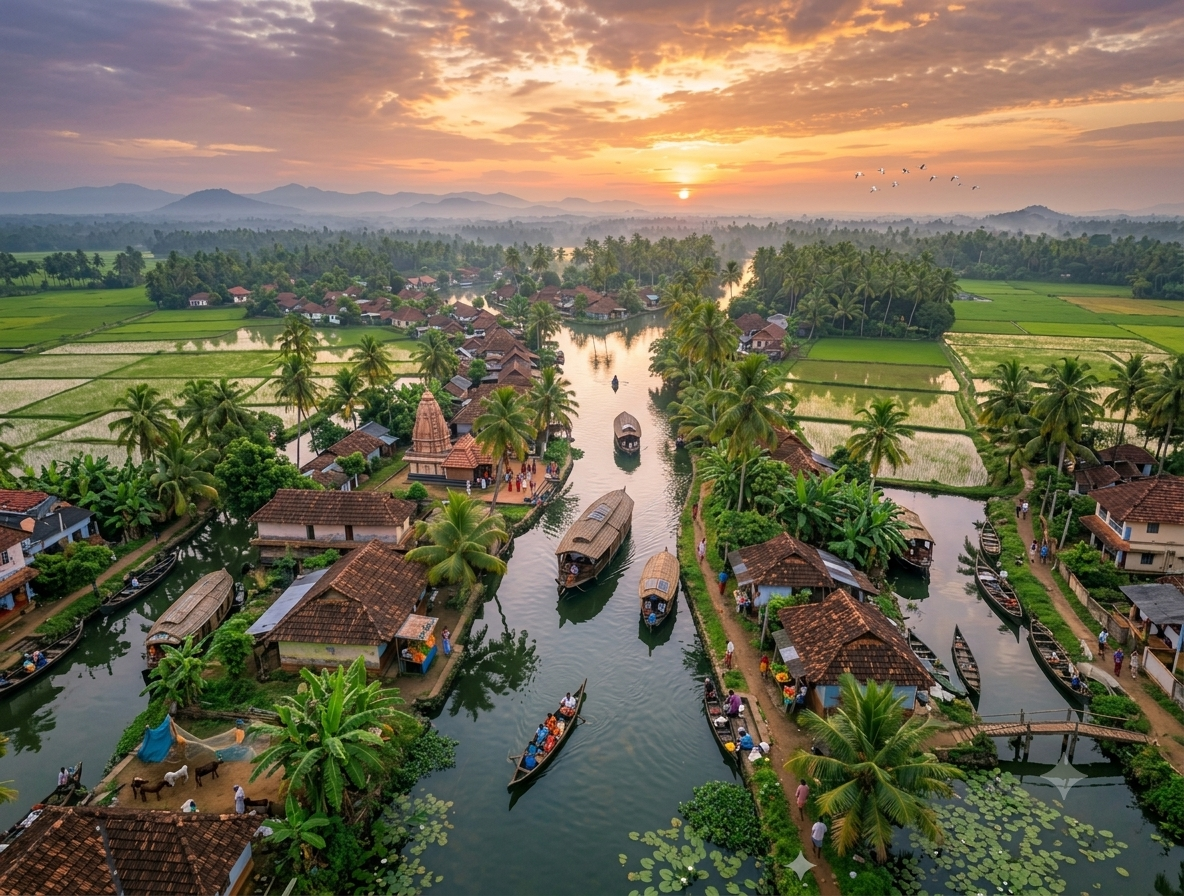
Kerela
Tucked along India's southwestern coastline, Kerala is a narrow strip of land where the Arabian Sea meets the Western Ghats, creating one of the most ecologically diverse regions in the country. Often called "God's Own Country," this state packs an extraordinary range of landscapes into a relatively small area: palm-fringed beaches, a sprawling network of tranquil backwaters, misty tea-covered hills, and dense tropical forests teeming with wildlife. Add to this a rich cultural heritage shaped by centuries of trade with Arabs, Chinese, and Europeans, and you get a destination that feels distinct from the rest of India in almost every way, from its cuisine and architecture to its pace of life.
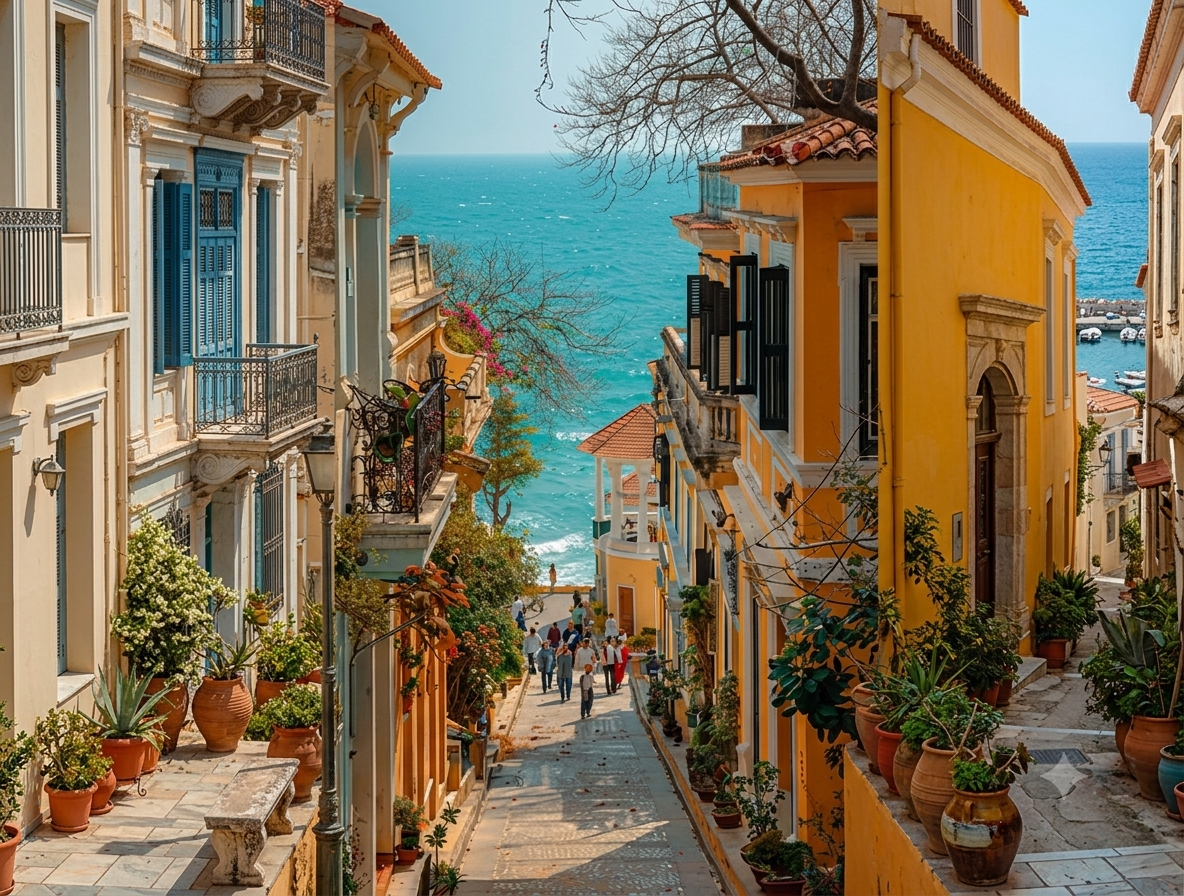
Puducherry : Where French Charm Meets the Bay of Bengal
Tucked along the Coromandel Coast in southeastern India, Puducherry (formerly Pondicherry) is a Union Territory that feels unlike anywhere else in the country. For nearly three centuries, it served as a French colonial settlement, and that legacy still shapes its streets, its architecture, and its rhythm of life today. Walk through the aptly named White Town and you could easily mistake the mustard-yellow facades, wrought-iron balconies, and bougainvillea-draped walls for a quiet town on the French Riviera, if not for the unmistakably Tamil soundscape drifting in from just a few blocks away.
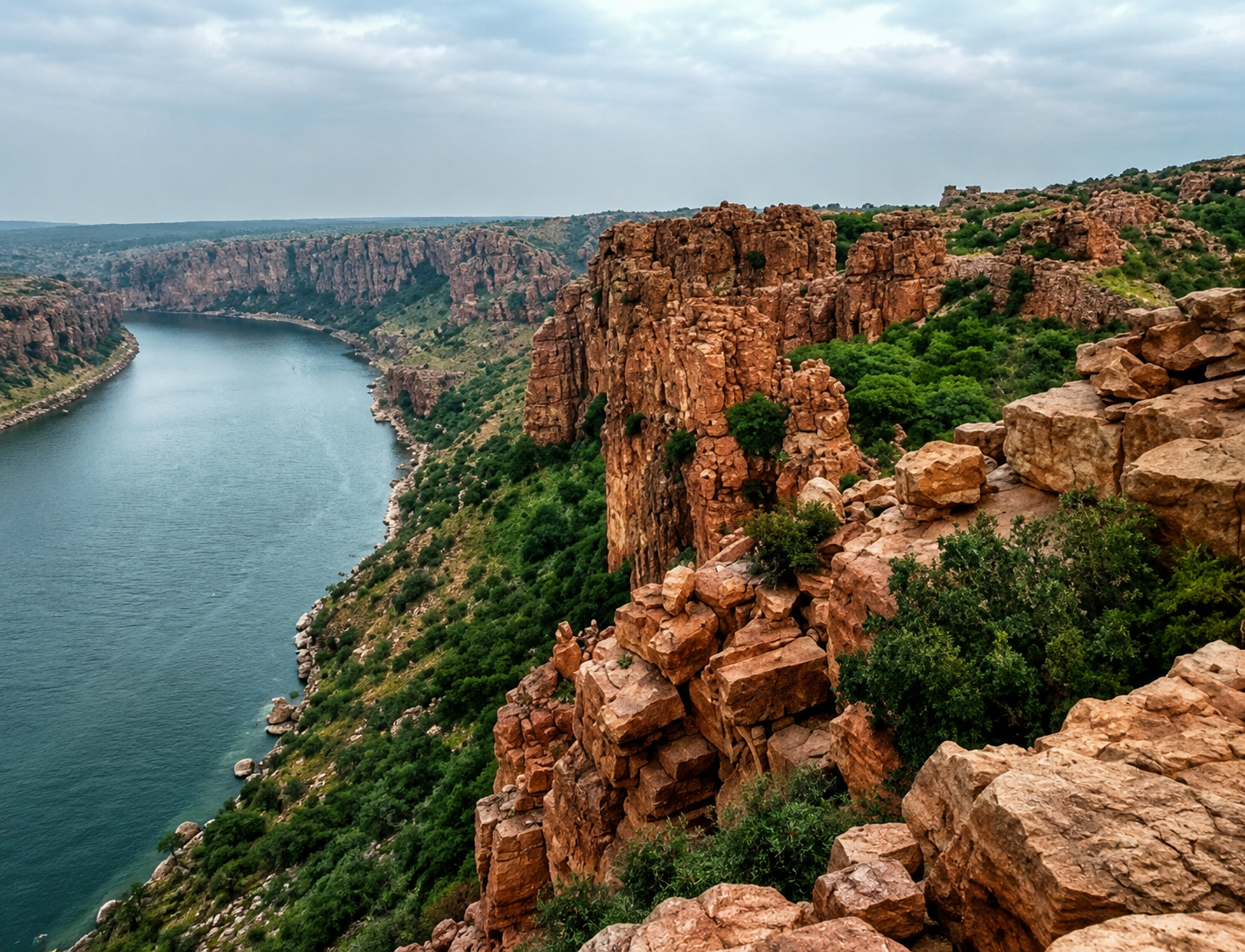
Gandikota Village
Gandikota stands as one of the most dramatically beautiful and historically significant yet genuinely undiscovered destinations in southern India, concealing within its quiet village boundaries a landscape of extraordinary geological power and a fortress whose walls have witnessed over nine centuries of dynastic ambition. Situated in the Kadapa district of Andhra Pradesh on the right bank of the Pennar River, Gandikota derives its name from the Telugu words meaning gorge and fort — a name that captures its essential character with rare precision. Here, the Pennar River has cut through the Erramala Hills over millennia to create a deep, sweeping canyon that travelers have come to call the Grand Canyon of India
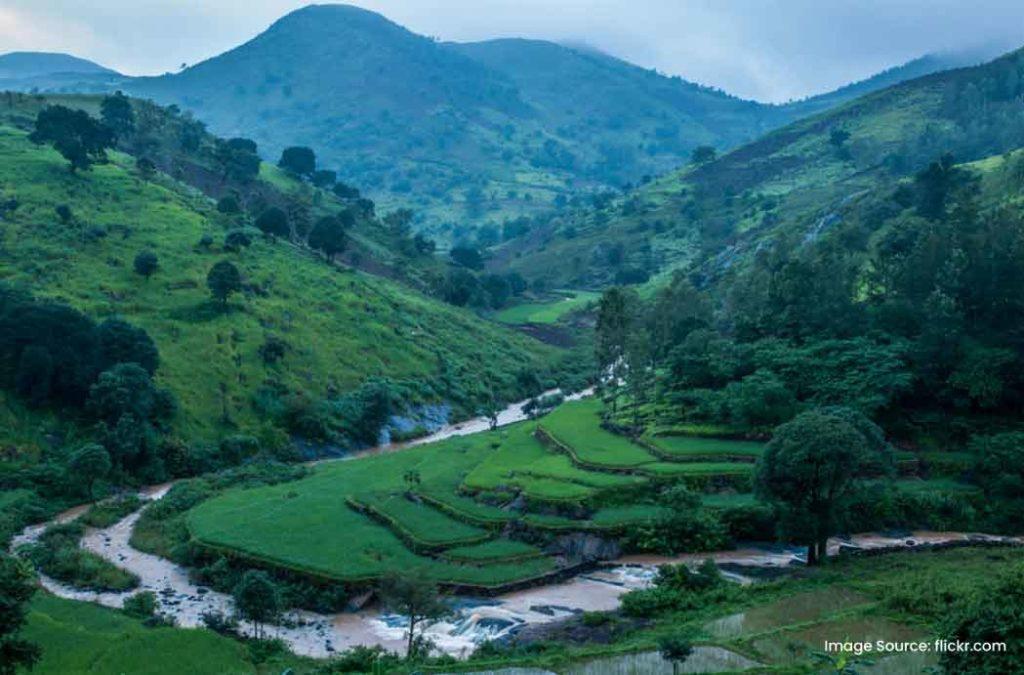
Araku valley: India's Most Instagrammable Landscape
Araku Valley stands as one of the most scenically captivating and culturally layered destinations in southern India, offering far more than a conventional hill station experience. Situated in the Eastern Ghats of Andhra Pradesh, approximately 115 kilometres from Visakhapatnam, the valley rests at an altitude ranging between 900 and 1,400 metres above sea level, giving it a cool, mist-softened climate that sets it apart from the sweltering plains below. Enclosed by forested peaks, tumbling waterfalls, and rolling coffee estates, Araku presents a landscape of quiet grandeur that rewards those who make the journey into its hills.
What distinguishes Araku Valley from other hill destinations in the region is the rare convergence of natural beauty, living tribal culture, and an internationally recognised coffee heritage, all held together by one of India's most scenic train journeys. The valley has been home to numerous indigenous tribal communities for centuries, and their traditions of music, dance, and craft remain deeply woven into the character of the place. The Galikonda peak, rising to approximately 5,000 feet, stands among the highest points in Andhra Pradesh, and the surrounding Anantagiri and Sunkarimetta Reserved Forests shelter a rich and largely intact biodiversity. Together, these elements elevate Araku beyond a weekend escape into a destination of genuine natural and cultural depth.
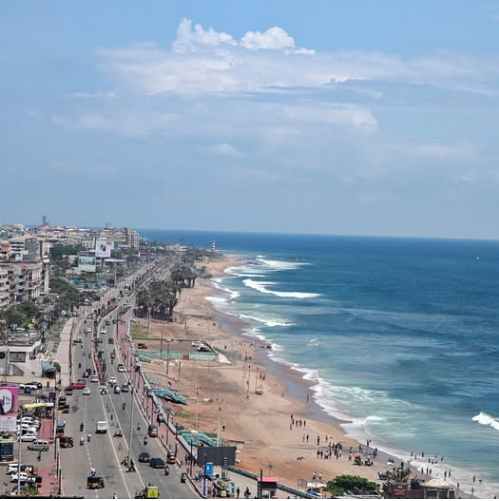
Vishakhapatnam: Where Hills Meet The Sea
Visakhapatnam stands as one of the most richly layered and visually compelling destinations on India's eastern coastline, offering a rare combination of golden beaches, forested hills, ancient heritage, and a living maritime identity that few cities along the Bay of Bengal can rival. Known affectionately as Vizag, and formally recognised as the City of Destiny, Visakhapatnam occupies a stretch of the Andhra Pradesh coast where the Eastern Ghats meet the sea, creating a landscape of unusual drama and natural variety. The city is backed by green hills, threaded by beach roads, and anchored by one of India's oldest and most strategically significant ports.
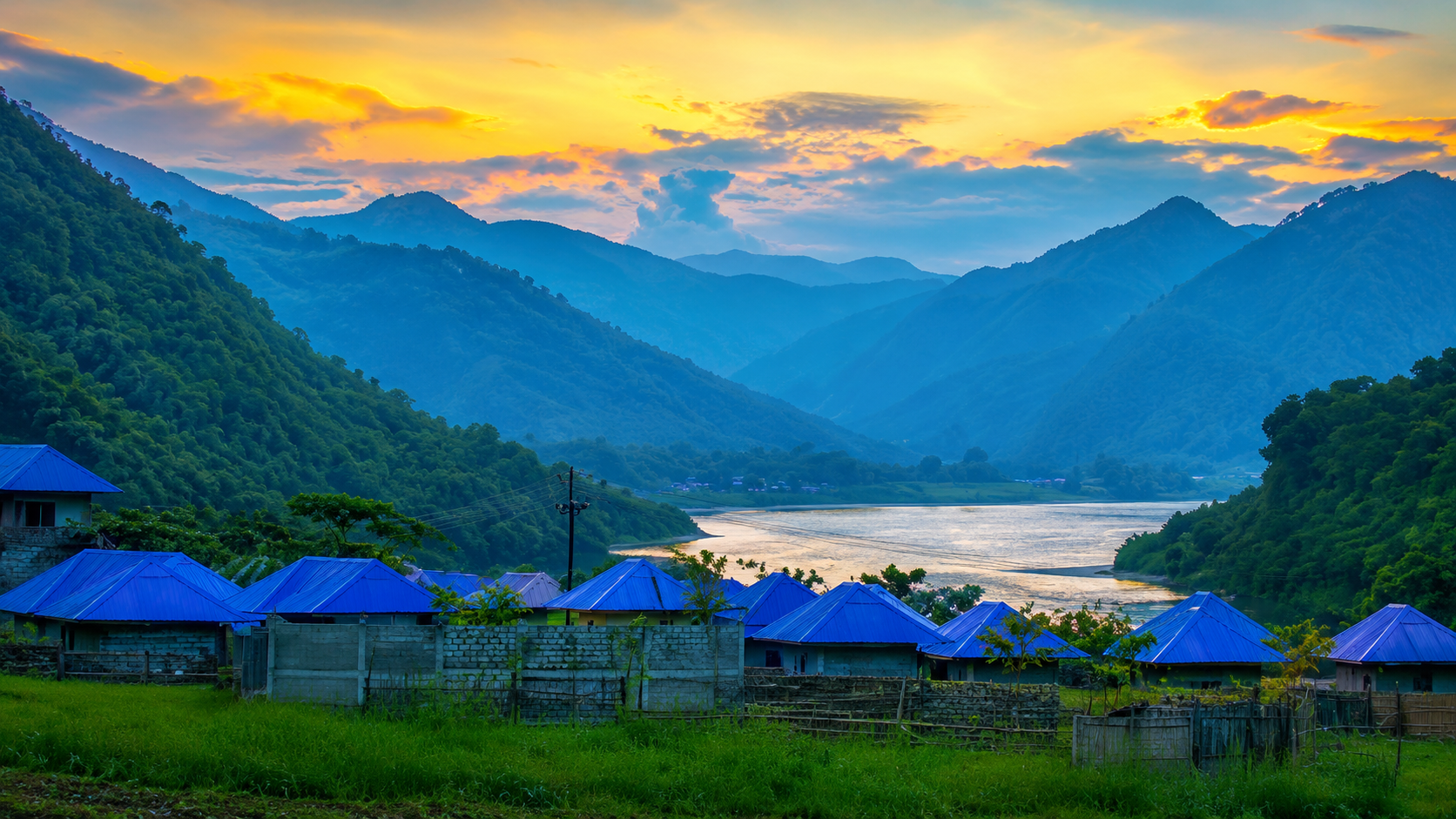
Papikondalu
Papikondalu stands as one of the most visually arresting and atmospherically distinctive natural destinations in Andhra Pradesh, a landscape where a sacred river, ancient forested hills, tribal villages, and mythological memory converge into an experience that is unlike anything else along the eastern Deccan. Known variously as Papi Hills, Papi Kondalu, or simply Papikondalu, this series of hill ranges forms a dramatic gorge along the course of the Godavari River, spread across the East and West Godavari districts of the state. The name itself derives from the Telugu word meaning the middle partition of a woman's hair, a reference to the way the hills appear to divide the mighty Godavari as it narrows and winds between them.
Get In Touch
We are a specialist B2B Destination Management Company (DMC) with over 17 years of operational experience across India. We work exclusively with travel agencies, tour operators, and wholesalers in the USA, UK, and Europe handling every aspect of ground operations so your programs run smoothly, your clients are safe, and your brand reputation stays protected.
Ocean Trip Makers Pvt. Ltd., All right reserved.
Designed & Developed By Random Soft Solution