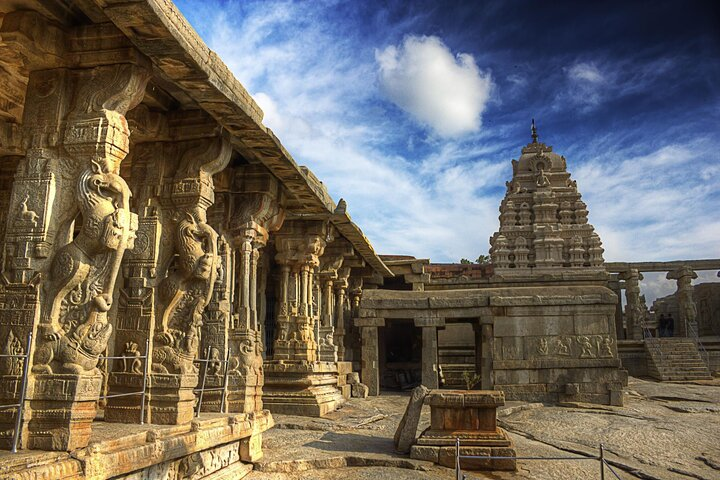
🏛️ Lepakshi Temple (Andhra Pradesh)
📖 Overview
Lepakshi Temple stands as one of the most architecturally distinguished and artistically significant temple destinations in South India, representing a remarkable testament to ancient craftsmanship and spiritual devotion. Situated in the Anantapur district of Andhra Pradesh, perched on the Deccan plateau, this 16th-century shrine dedicated to Lord Shiva and Parvati is recognized as a masterpiece of Dravidian architecture and sculptural artistry, drawing pilgrims, architects, historians, and art enthusiasts from across India and the world. The destination offers a landscape defined by intricately carved pillars, vibrant hand-painted frescoes, monumental stone sculptures, and an atmosphere of contemplative reverence that speaks to centuries of devotional continuity and artistic excellence.
What distinguishes Lepakshi Temple from other temple complexes in the region is not merely its architectural antiquity, but the unique combination of extraordinary sculptural detail, preserved artistic heritage, and living spiritual practice embedded within a relatively compact and intimate temple space. The temple complex, surrounded by a landscaped courtyard and anchored by a towering gateway and sanctum sanctorum, showcases exceptional examples of stone carving, mural painting, and decorative architecture that reflect the apex of Vijayanagara-era craftsmanship. This layered character elevates Lepakshi beyond a simple place of worship into a destination of genuine historical, artistic, and cultural significance.
✨ Why Visit Lepakshi Temple
The recognition of Lepakshi Temple as a masterpiece of medieval Indian architecture reflects its exceptional artistic merit and historical importance within the broader narrative of South Indian temple culture. Unlike crowded pilgrimage centers or heavily commercialized temple destinations, Lepakshi Temple offers a cohesive experience where architectural magnificence, artistic detail, mythological significance, and spiritual authenticity work together to create a deeply enriching destination.
One of the most compelling reasons to visit is the extraordinary quality of sculptural and artistic achievement. The intricate stone carvings adorning every surface of the temple—from the pillars and doorways to the walls and ceilings—display a level of craftsmanship that commands profound admiration and study. The hand-painted frescoes depicting mythological narratives cover interior surfaces in vibrant colors, offering visual storytelling that connects visitors directly to ancient spiritual narratives. The enormous monolithic Nandi statue, carved from a single stone, stands as one of the most impressive sculptural achievements in Indian religious art.
Additionally, Lepakshi Temple showcases exceptional historical and mythological significance through its associated legends. The name itself derives from the Sanskrit phrase "Le Pakshi," referring to Lord Shiva's compassionate act of healing an injured divine bird, embodying themes of mercy and divine intervention that resonate deeply with visitors. The combination of architectural distinction, artistic richness, mythological depth, and relative accessibility from major South Indian cities such as Bangalore and Tirupati further strengthens its appeal as a meaningful cultural and spiritual destination.
🌟 Key Highlights Within the Area
🏯 Main Temple Structure
Among the primary attractions, the main temple structure itself stands as the unmissable centerpiece of the destination. The pyramidal tower, or gopuram, rises above the landscape with characteristic Dravidian proportions, crowned with intricate finials and embellished with carved stone elements. The architectural design guides visitors through a carefully conceived spatial sequence, from the outer courtyard through progressively inner sanctums, creating an immersive journey through the temple's sacred geometry.
🐂 Monolithic Nandi Statue
The monolithic Nandi statue, carved from a single stone block, represents one of the most extraordinary sculptural achievements within Indian religious art. Rising majestically in the courtyard facing the sanctum, this massive bull figure demonstrates exceptional technical mastery and spiritual symbolism, commanding a presence that immediately captures visitor attention upon arrival.
🪨 Intricate Pillar Carvings
The intricate pillar carvings throughout the temple complex showcase exceptional craftsmanship, with each pillar displaying unique sculptural narratives and decorative motifs. The surface of these pillars depicts scenes from Hindu mythology, dancing figures, floral patterns, and geometric designs that reveal the sculptor's remarkable attention to detail and artistic vision.
🎨 Preserved Hand-Painted Murals
The preserved hand-painted murals covering interior walls and ceilings offer rare examples of Vijayanagara-period fresco work, with vibrant pigments depicting elaborate mythological narratives, celestial beings, and devotional scenes. These artistic treasures, painstakingly maintained through centuries, provide invaluable insight into the region's artistic heritage and creative traditions.
🎯 Activities
Temple exploration and architectural appreciation form the primary activities at Lepakshi, with the complexity of sculptural detail and artistic elements inviting extended, contemplative visits. Guided tours led by knowledgeable experts provide contextual understanding of the temple's history, artistic significance, and mythological narratives, enriching the visitor experience considerably.
Photography and documentation of architectural and artistic details are extensively pursued activities, with the interplay of natural light on carved surfaces creating exceptional photographic opportunities throughout the day. The contrast between shadowed interiors and sunlit courtyards provides dynamic lighting conditions ideal for capturing the temple's sculptural magnificence.
Spiritual and meditative visits allow pilgrims and seekers to engage directly with the temple's sacred atmosphere, participating in daily worship rituals or simply experiencing the profound spiritual ambiance that permeates the space. The quiet reverence of the temple environment creates opportunities for personal reflection and spiritual connection.
Architectural study and documentation attract scholars, architecture students, and heritage enthusiasts drawn to the temple's technical and artistic excellence. The opportunity to study in situ examples of Vijayanagara-era construction techniques, sculptural methodology, and decorative practices makes Lepakshi invaluable for those interested in Indian architectural history and evolution.
🌤️ Best Time to Visit
The most favorable period to visit Lepakshi Temple is from October to March, when temperatures are moderate and comfortable for extended exploration of the outdoor courtyard and temple spaces. During these months, the cooler climate and clearer skies enhance the experience of architectural appreciation and photography, while the gentle natural light creates optimal conditions for observing sculptural detail and painted surfaces.
The monsoon season from June to September brings occasional rainfall that, while potentially limiting courtyard exploration, creates dramatic atmospheric conditions and refreshes the landscape. The quieter visitor patterns during this season can offer a more intimate and less crowded experience for those prioritizing peaceful contemplation over optimal weather conditions.
The summer months from April to May bring intense heat to the Deccan plateau, though the temple's interior spaces and shaded courtyards provide some relief. These months are generally quieter, attracting fewer casual visitors and offering opportunities for deeper engagement with the site's artistic and spiritual dimensions.
🚗 Connectivity
Lepakshi Temple is conveniently accessible from major urban centers in South India. The town of Lepakshi is located approximately 120 kilometers from Bangalore, 140 kilometers from Tirupati, and 90 kilometers from Anantapur city, making it strategically positioned along important pilgrimage and travel circuits. Bangalore's Kempegowda International Airport, roughly 120 kilometers away, provides year-round connectivity with regular domestic and international flights.
Rail connectivity is accessible through nearby stations in Anantapur and Renigunta, with services connecting to major Indian cities including Bangalore, Chennai, Hyderabad, and beyond. Road connectivity is efficient and scenic, with well-maintained highways linking Lepakshi Temple to Bangalore, Tirupati, Anantapur, and Hyderabad, making it a highly practical inclusion in temple circuits, cultural heritage itineraries, and pilgrimage journeys across South India, as well as an increasingly popular destination for architecture enthusiasts and art historians exploring India's medieval temple heritage.
Explore The Surroundings [Lapakshi Ttemple]
- Hampi : A Timeless Journey Through a Lost Empire
- Gandikota Village
- Chandragiri Fort - Echoes Of a Glorious Empire
- Undavalli Caves - Ancient Wonder In Rock