East India
- Home
- East India
Explore Categories
Tour Packages & Services for East India
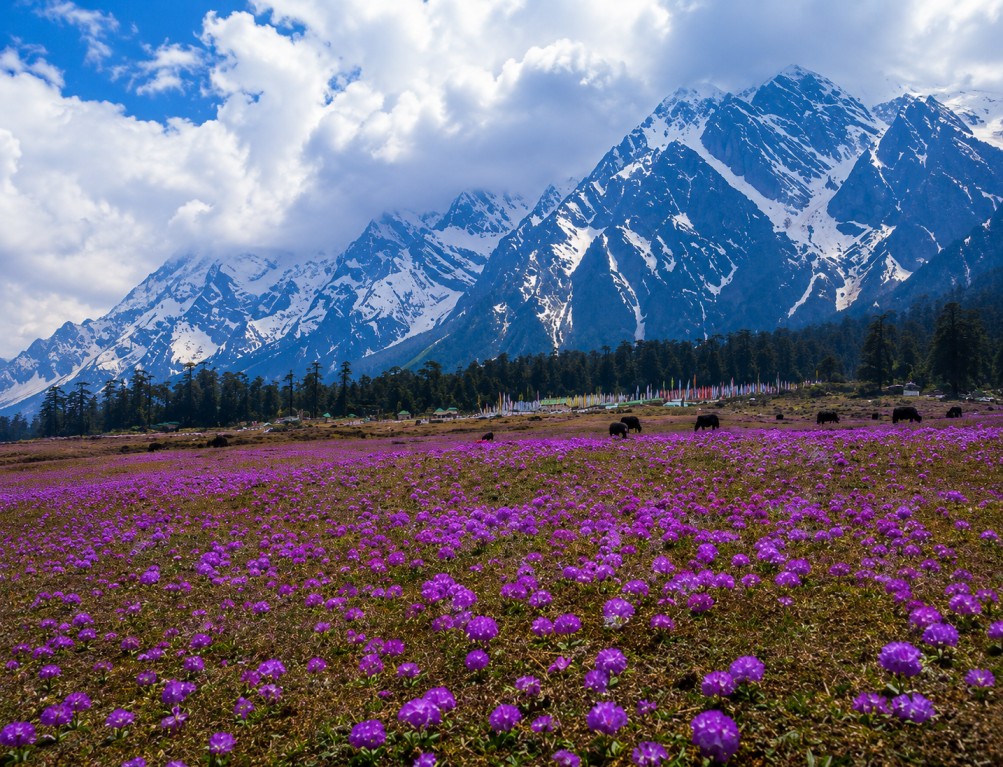
Yumthang Valley : The Valley Of Flowers Of Sikkim
Yumthang Valley stands as one of the most breathtakingly beautiful and emotionally overwhelming destinations in northeastern India, representing a high-altitude alpine valley of extraordinary natural splendor where a sweeping mountain meadow carpeted with seasonal wildflowers, glacial rivers of crystalline clarity, hot springs of therapeutic warmth, and snow-draped Himalayan peaks rising on every side combine to create a landscape of rare and luminous natural magnificence that has earned it the title of the Valley of Flowers of Sikkim. Situated in the North Sikkim district of Sikkim, nestled within the upper reaches of the Teesta River valley at an elevation of approximately 3564 metres above sea level, Yumthang is a destination of singular alpine character, offering a landscape defined by the vast open meadow of the valley floor stretching between forested hillsides and snow-covered ridgelines, the Teesta River running in swift glacial channels through the heart of the valley, the remarkable concentration of rhododendron trees and alpine wildflowers that transform the entire landscape into a vivid floral spectacle each spring, and an atmosphere of absolute Himalayan grandeur and highland solitude that makes this one of the most profoundly moving natural destinations in the entire northeastern region. The destination draws nature enthusiasts, photographers, alpine flower lovers, and Himalayan travelers from across the country and the world, offering an encounter with a mountain landscape of exceptional beauty that combines the intimacy of a flowering valley floor with the vast and humbling scale of the surrounding Himalayan terrain.
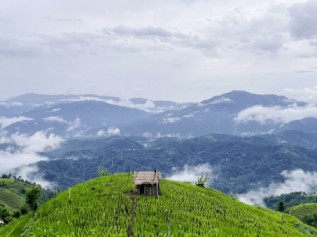
Wokha : Green Paradise Of Nagaland
Wokha stands as one of the most scenically captivating and culturally distinctive destinations in northeastern India, representing the heartland of the Lotha Naga tribe and a highland landscape of extraordinary natural beauty where mist-draped hills, dense forest, and the shimmering expanse of a great reservoir combine to create a destination of genuine and largely undiscovered natural and cultural richness. Situated in the Wokha district of Nagaland, perched across a series of forested ridges and valleys in the northern part of the state, Wokha is a destination of striking geographical character, rising above the surrounding terrain into a cool and forested highland world defined by the dramatic profile of Mount Tiyi, the vast blue expanse of the Doyang Reservoir stretching across the valley below, dense subtropical forests alive with exceptional birdlife, and an atmosphere of unhurried highland tranquility that makes this one of the most refreshing and rewarding off-the-beaten-path destinations in the entire northeastern region. The destination draws nature enthusiasts, birdwatchers, cultural travelers, and adventurous explorers from across the country, offering a landscape shaped by the proud traditions of the Lotha Naga community and animated by one of the most spectacular natural wildlife phenomena in Asia.
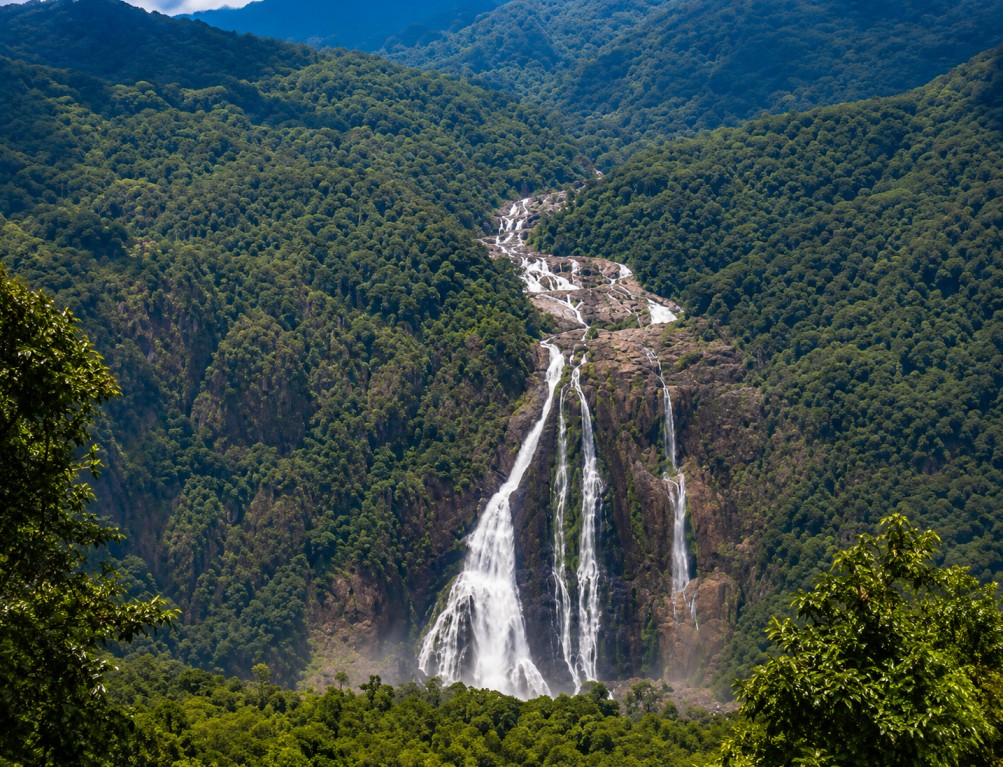
Barehipani Falls - Nature's Towering Wonder
Nestled within the lush wilderness of Simlipal National Park in the Mayurbhanj district of Odisha, Barehipani Falls is one of India's tallest and most spectacular waterfalls. Cascading from a height of approximately 399 meters (1,309 feet) in two magnificent tiers, the waterfall is surrounded by dense tropical forests, rolling hills, and rich wildlife, making it one of the state's most iconic natural attractions. Located within the Simlipal Tiger Reserve, Barehipani Falls offers visitors an unforgettable combination of breathtaking scenery, biodiversity, and adventure. Barehipani Falls tourism attracts families, couples, solo travelers, photographers, wildlife enthusiasts, and nature lovers seeking an immersive experience in one of eastern India's finest forest landscapes.
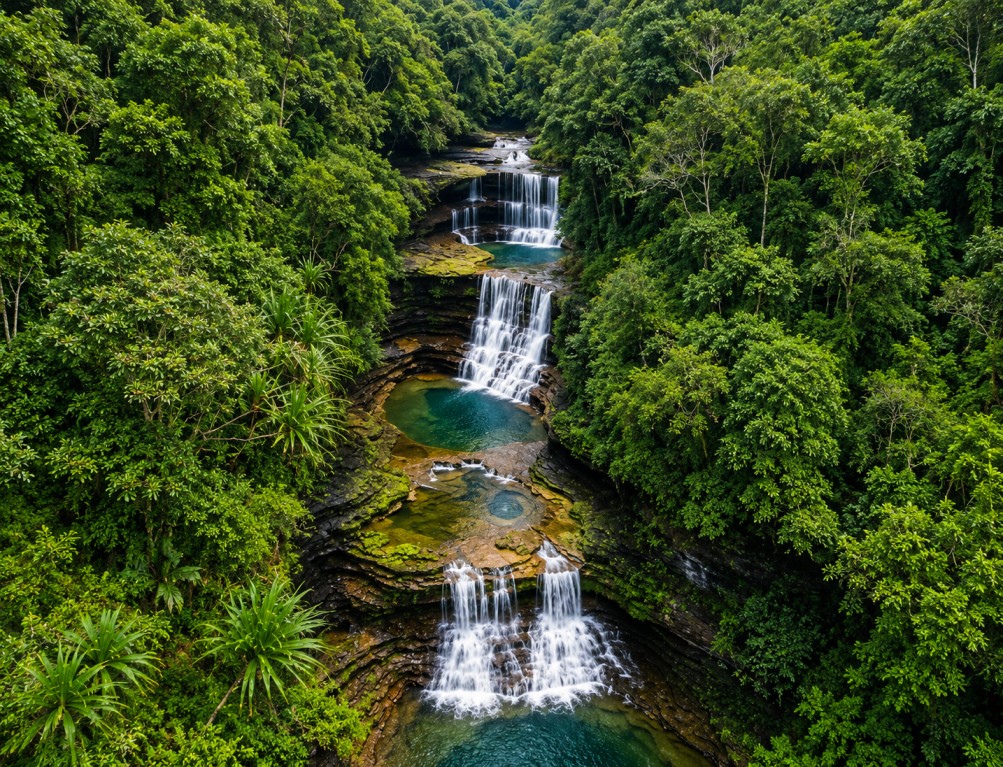
Wei-Sawdong Falls : Meghalaya's Hidden Three-Tier Wonder
Nestled in the lush East Khasi Hills district of Meghalaya, Wei Sawdong Falls is one of the state's most breathtaking hidden gems. Located near the popular village of Cherrapunji (Sohra), this spectacular three-tiered waterfall is celebrated for its crystal-clear turquoise pools, cascading white waters, and pristine natural surroundings. The name Wei Sawdong translates to "square-shaped pool" in the Khasi language, inspired by the beautifully formed natural pools at the base of the falls. Though less crowded than many other waterfalls in Meghalaya, Wei Sawdong has become a favorite destination for nature lovers, photographers, trekkers, and adventure enthusiasts seeking an unforgettable offbeat experience.
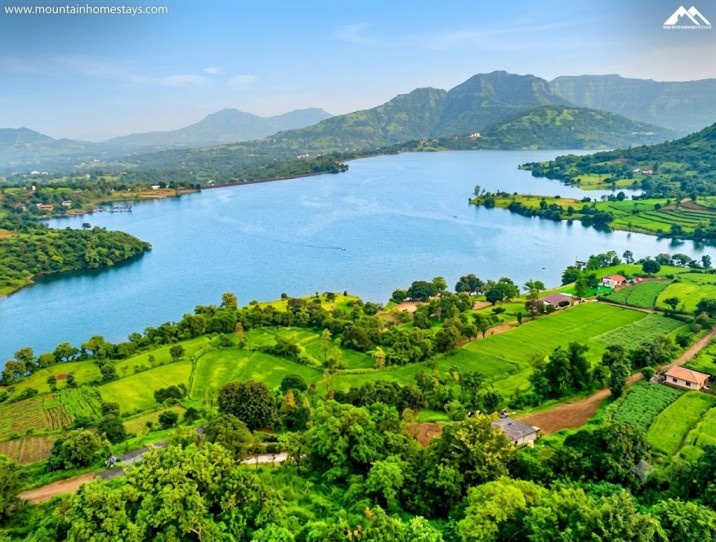
Arthur-Lake : The Serene Heart Of Shillong
Nestled in the scenic hill station of Bhandardara in the Ahmednagar district of Maharashtra, Arthur Lake is a tranquil freshwater reservoir surrounded by the majestic Sahyadri Mountains. Formed by the waters of the Pravara River and the historic Wilson Dam, the lake is one of the region's most picturesque attractions. Its calm waters, lush greenery, mist-covered hills, and breathtaking sunsets make it a favorite destination for nature lovers, photographers, families, couples, and adventure enthusiasts. Arthur Lake tourism offers the perfect combination of relaxation, scenic beauty, and outdoor recreation, making it one of Maharashtra's finest offbeat destinations for a peaceful getaway.
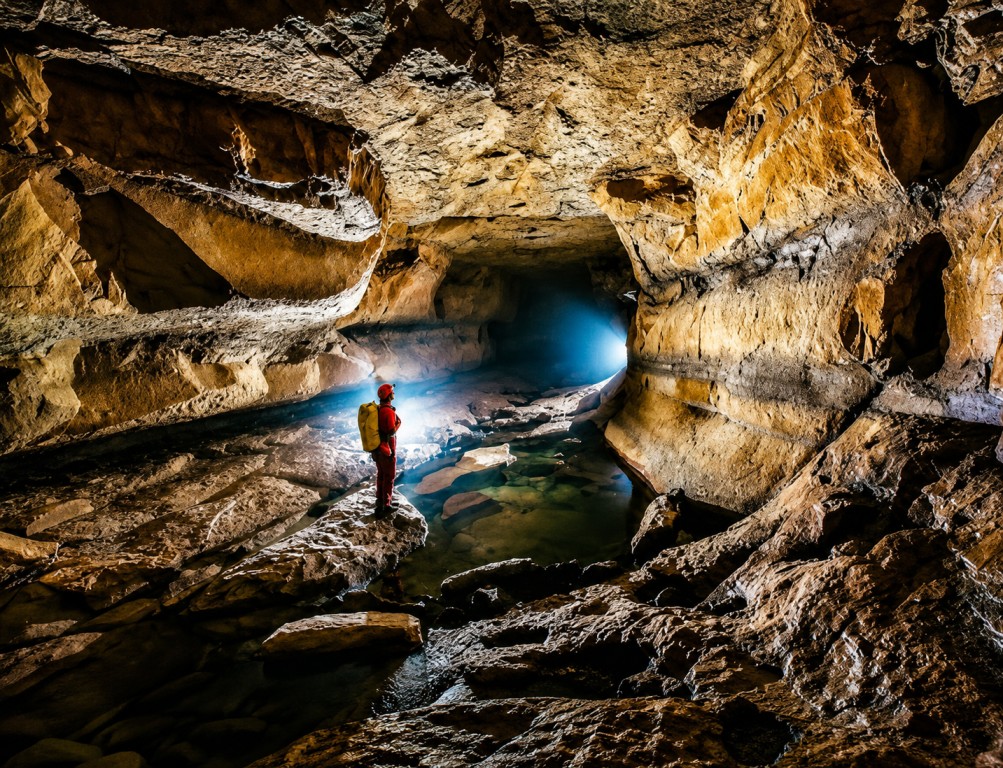
Krem-Puri : India's Longest Sandstone Cave In Meghalaya
Hidden beneath the lush hills of the East Jaintia Hills district in Meghalaya, Krem Puri is one of India's most extraordinary natural wonders. Recognized as the world's longest sandstone cave, stretching for more than 24 kilometers of explored passages, Krem Puri has earned international recognition among geologists, cave explorers, and adventure travelers. Located near the village of Laitsohum, the cave is surrounded by dense forests, limestone formations, and rolling hills that add to its natural charm. Krem Puri tourism offers a fascinating combination of adventure, geology, biodiversity, and cultural heritage, making it an ideal destination for nature lovers, photographers, researchers, families, and adventure enthusiasts seeking an offbeat experience in Meghalaya.
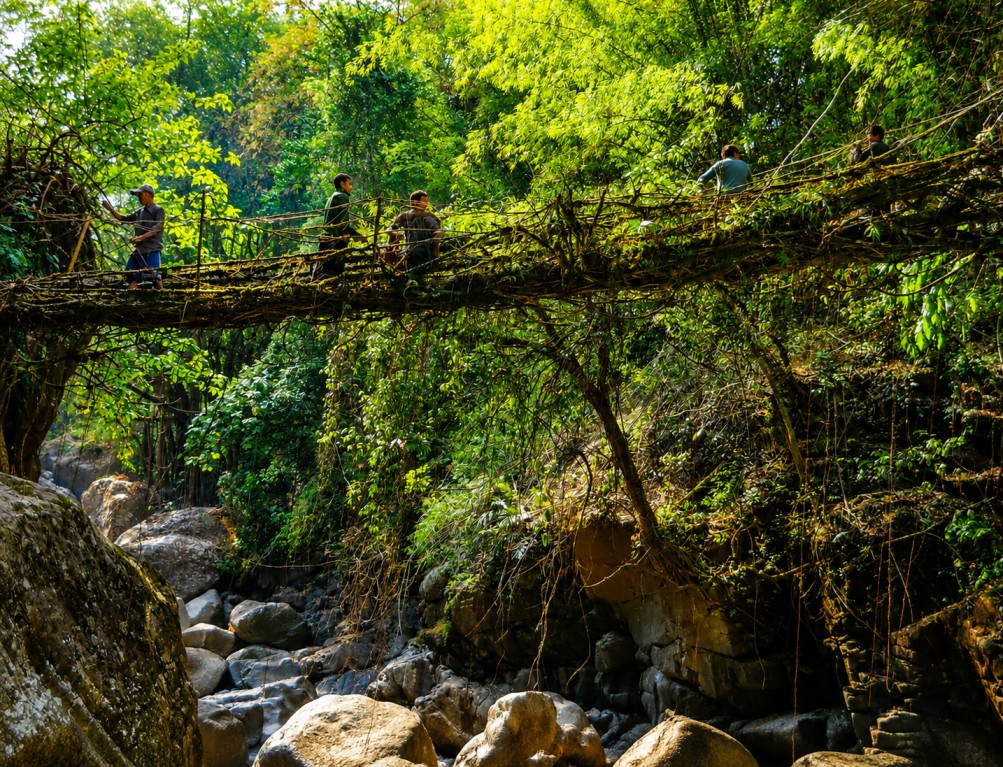
Kongthong : The Whistling Village Of Meghalaya
Nestled in the East Khasi Hills district of Meghalaya, Kongthong is a unique hill village celebrated for its extraordinary whistling tradition, breathtaking landscapes, and rich Khasi heritage. Located about 55 kilometers from Shillong amidst rolling hills and dense forests, Kongthong has gained international recognition as the "Whistling Village of India." Every resident is identified not only by a name but also by a unique melodic tune, locally known as Jingrwai Iawbei, which is lovingly composed by the mother after a child's birth. Surrounded by lush valleys, waterfalls, bamboo groves, and scenic trekking trails, Kongthong tourism offers an unforgettable blend of culture, nature, and adventure, making it an ideal destination for families, couples, solo travelers, photographers, and cultural enthusiasts.
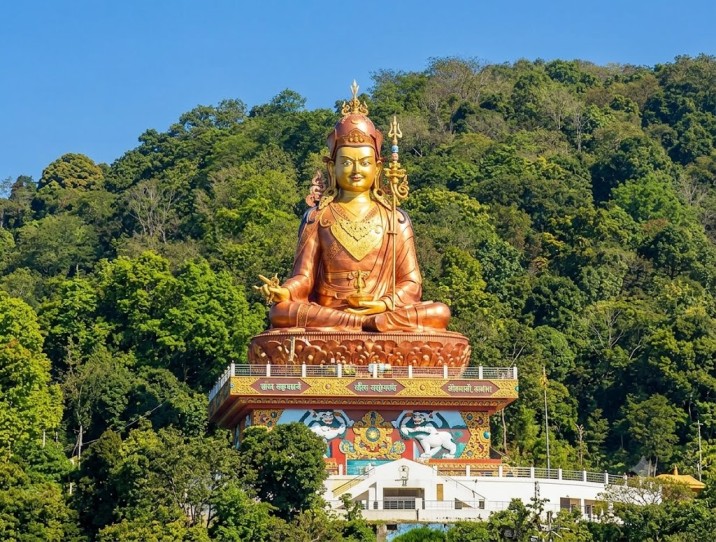
Namchi: A Himalayan Escape Beyond the Ordinary
Situated in the South Sikkim district at an altitude of around 1,675 meters above sea level, Namchi is a picturesque hill town that perfectly blends spirituality, natural beauty, and cultural heritage. The name Namchi translates to "Top of the Sky," reflecting its elevated location and spectacular views of the Eastern Himalayas. Surrounded by lush green hills, tea gardens, monasteries, and snow-capped peaks, Namchi has become one of Sikkim's most popular travel destinations. With iconic religious landmarks, peaceful landscapes, and vibrant local traditions, Namchi tourism appeals to families, couples, solo travelers, photographers, pilgrims, and adventure enthusiasts looking for an unforgettable Himalayan getaway.
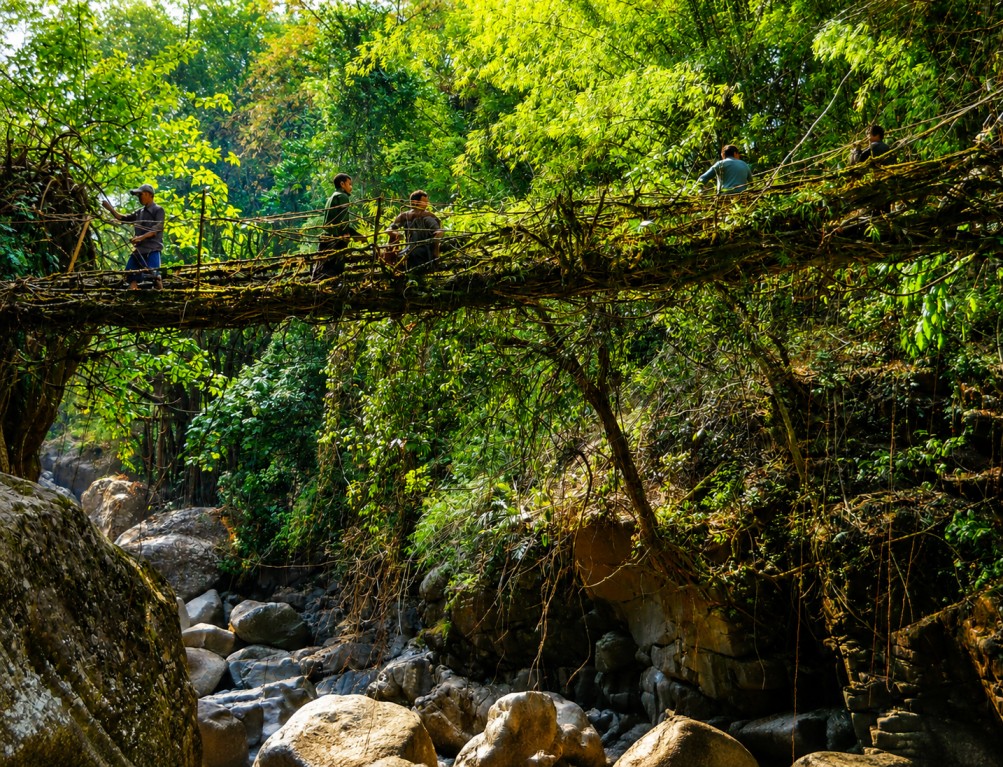
Mawphlang : The Sacred Forest Of Meghalaya's Khasi Hills
Nestled in the East Khasi Hills district of Meghalaya, Mawphlang is a charming village renowned for its ancient sacred forest, rolling green meadows, rich Khasi heritage, and breathtaking natural beauty. Located about 25 kilometers from Shillong at an altitude of approximately 1,800 meters above sea level, Mawphlang offers visitors a unique blend of spirituality, ecology, and cultural experiences. The village is best known for the legendary Mawphlang Sacred Grove, one of India's oldest protected forests, preserved for centuries through traditional Khasi beliefs. Mawphlang tourism attracts families, couples, solo travelers, photographers, nature lovers, wildlife enthusiasts, and adventure seekers looking to experience one of Meghalaya's most fascinating destinations.
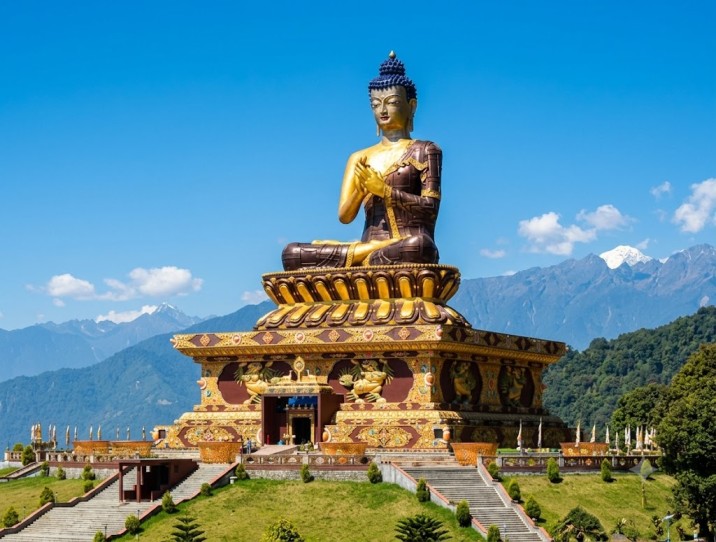
Ravangla: Explore the Peaceful Heart of Sikkim
Nestled in the South Sikkim district at an altitude of approximately 2,100 meters above sea level, Ravangla is a charming hill town renowned for its breathtaking Himalayan views, peaceful monasteries, lush forests, and vibrant Buddhist culture. Surrounded by snow-capped peaks, rolling tea gardens, and dense rhododendron forests, Ravangla offers a perfect blend of spirituality, nature, and adventure. On clear days, visitors are rewarded with spectacular views of the Kanchenjunga range along with peaks such as Pandim, Kabru, Siniolchu, and Narsing. Ravangla tourism attracts families, honeymooners, solo travelers, photographers, nature lovers, and adventure enthusiasts seeking an unforgettable Himalayan escape in one of Sikkim's most picturesque destinations.
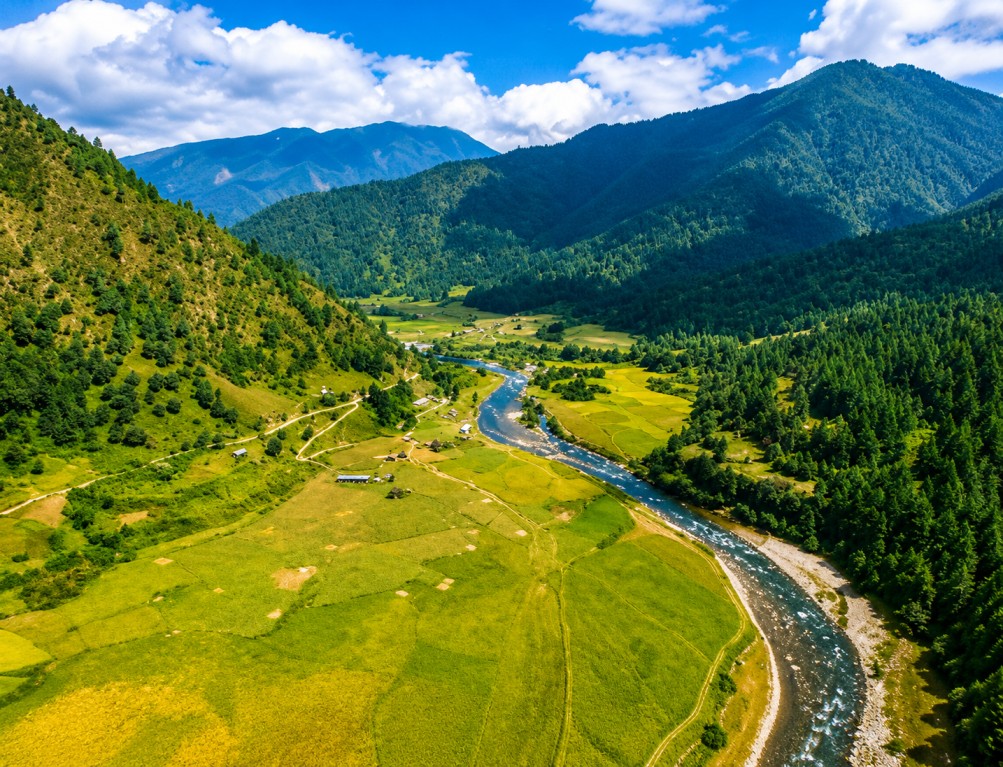
Tezu : A Hidden Gem of the Lohit Valley
Located in the Lohit district of Arunachal Pradesh, Tezu is a picturesque town known for its lush green landscapes, winding rivers, rich tribal traditions, and peaceful atmosphere. Situated at an altitude of around 185 meters above sea level, Tezu lies on the banks of the Lohit River, a major tributary of the Brahmaputra. Surrounded by forested hills, fertile valleys, and vibrant villages, the town serves as an excellent base for exploring the eastern Himalayas. Tezu tourism offers a unique combination of natural beauty, cultural diversity, wildlife, and adventure, making it an ideal destination for families, couples, solo travelers, photographers, and nature enthusiasts seeking an authentic experience in Northeast India.
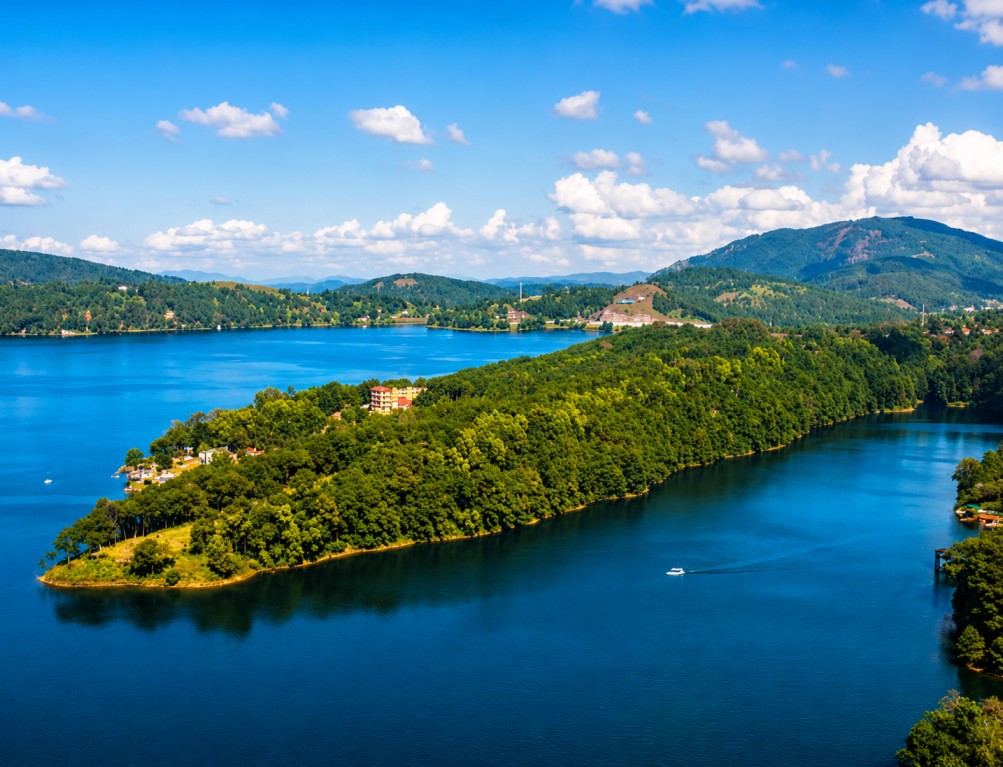
Roing : Gateway To Dibang Valley
Nestled in the Lower Dibang Valley district of Arunachal Pradesh, Roing is a scenic hill town celebrated for its pristine rivers, lush forests, sparkling lakes, majestic mountains, and vibrant tribal culture. Situated at an altitude of approximately 390 meters above sea level, Roing serves as the gateway to the breathtaking Dibang Valley and is one of the most attractive destinations in northeastern India. Surrounded by the Mishmi Hills, dense tropical forests, and crystal-clear streams, Roing tourism offers a perfect blend of natural beauty, adventure, wildlife, and cultural experiences. Whether you are a family, a couple, a solo traveler, a photographer, or an adventure enthusiast, Roing promises an unforgettable journey through one of India's most untouched landscapes.
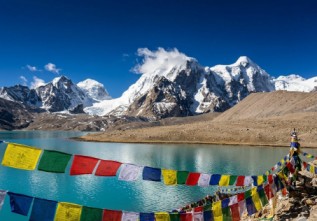
Gurudongmar Lake: One of the World's Highest Sacred Lakes
Nestled in the remote mountains of North Sikkim at an altitude of approximately 5,430 meters (17,800 feet), Gurudongmar Lake is one of the highest lakes in the world and among India's most breathtaking natural attractions. Located near the Tibetan Plateau, about 190 kilometers from Gangtok, the lake is surrounded by snow-capped Himalayan peaks, vast barren landscapes, and crystal-clear waters that create an unforgettable setting. Revered by both Buddhists and Sikhs, Gurudongmar Lake is not only a scenic destination but also a place of deep spiritual significance. Its extraordinary beauty, peaceful atmosphere, and dramatic mountain scenery make Gurudongmar Lake tourism a remarkable experience for nature lovers, photographers, pilgrims, and adventure seekers.
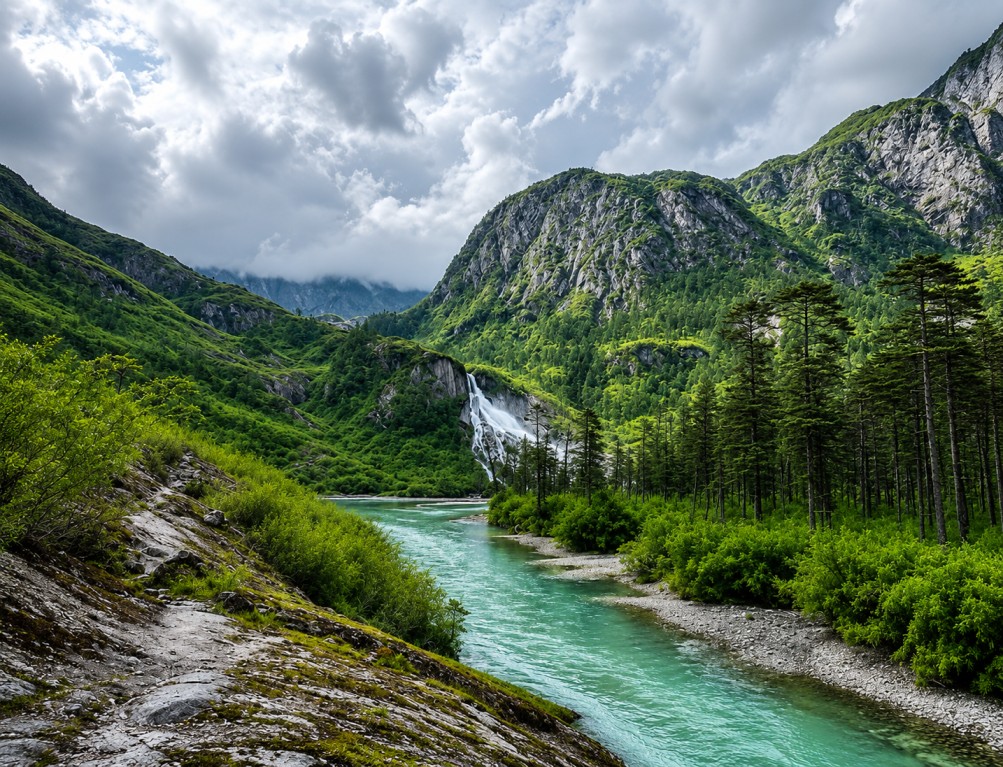
Anini-Valley : Hidden Paradise Of Arunachal Pradesh
Nestled in the remote Dibang Valley district of Arunachal Pradesh, Anini Valley is one of India's most pristine and least-explored Himalayan destinations. Surrounded by the snow-capped Mishmi Hills and lush forests, Anini serves as the headquarters of the Dibang Valley district and offers travelers an extraordinary blend of natural beauty, tribal culture, and peaceful landscapes. Located at an altitude of around 1,968 meters above sea level, Anini Valley tourism attracts those seeking offbeat adventures, breathtaking mountain scenery, and authentic cultural experiences. With crystal-clear rivers, alpine meadows, dense forests, and traditional villages, Anini is a hidden paradise for nature lovers, photographers, wildlife enthusiasts, and adventure seekers.
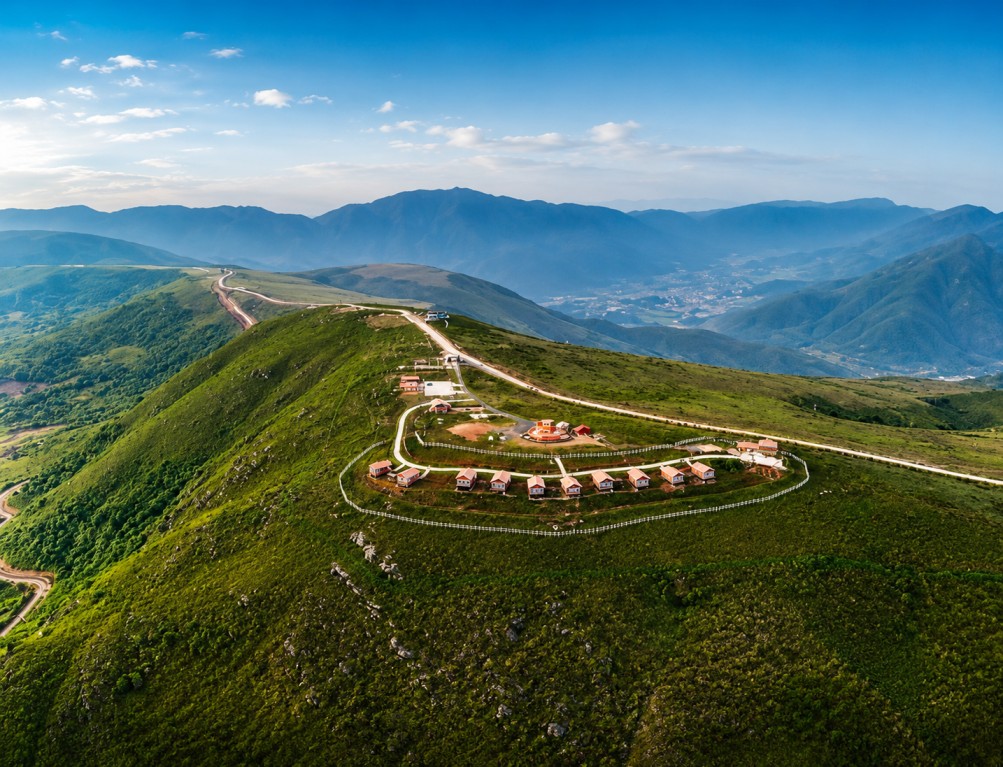
Deomali : Highest Peak Of Odisha
Located in the Koraput district of southern Odisha, Deomali is the highest mountain peak in the state, rising to an elevation of approximately 1,672 meters above sea level. Part of the Eastern Ghats, this spectacular destination is renowned for its rolling green hills, mist-covered valleys, dense forests, and breathtaking panoramic views. Far from the crowds of mainstream tourist destinations, Deomali tourism offers a peaceful retreat for nature lovers, adventure seekers, photographers, and travelers looking to experience the untouched beauty of Odisha. With its cool climate, tribal culture, and scenic landscapes, Deomali has become one of the state's most rewarding offbeat travel destinations.
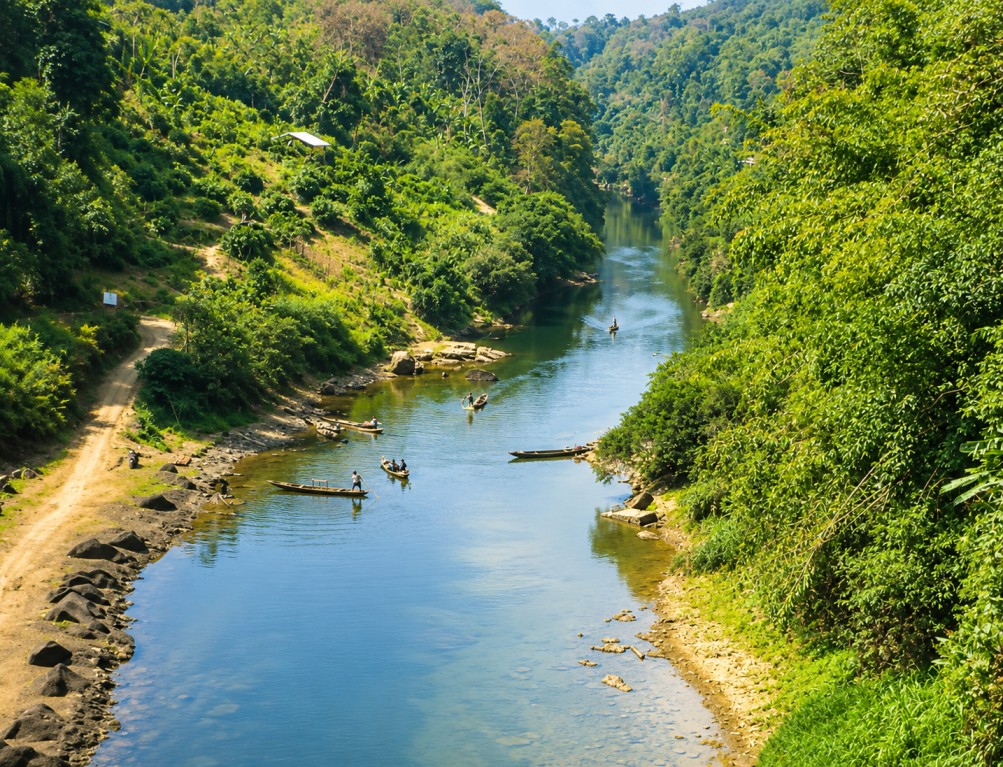
Aizawl-Hill-Station : The Scenic Hill Capital Of Mizoram
Perched gracefully along the rolling hills of Mizoram in northeastern India, Aizawl is a picturesque hill station that captivates visitors with its breathtaking landscapes, vibrant Mizo culture, and peaceful atmosphere. Situated at an altitude of approximately 1,132 metres (3,714 feet) above sea level, the capital city of Mizoram stretches across a series of ridges overlooking deep valleys and forested hills. Often regarded as one of the cleanest and most beautiful hill stations in Northeast India, Aizawl offers a refreshing escape from bustling city life. Its pleasant climate, colorful traditions, scenic viewpoints, colonial-era churches, and warm hospitality make it an ideal destination for families, couples, solo travelers, photographers, nature lovers, and cultural explorers.
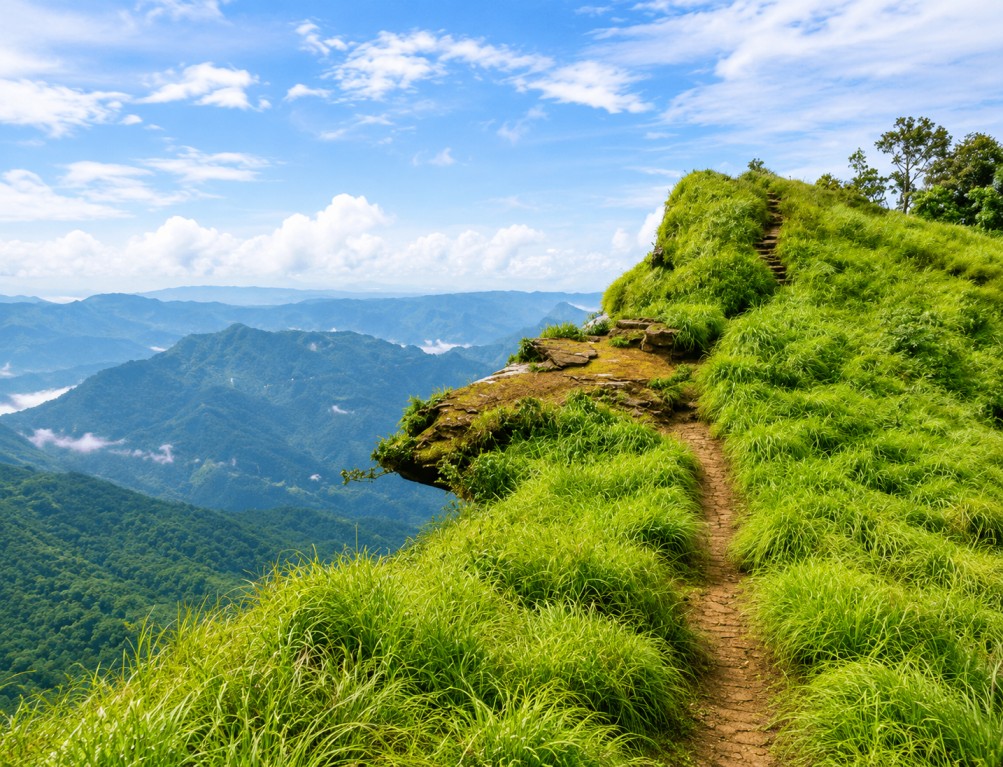
Reiek - Mizoram's Scenic Hill Retreat
Nestled approximately 29 kilometres southwest of Aizawl, Reiek Hill Station is one of Mizoram's most scenic mountain destinations, offering breathtaking views, rich tribal heritage, and pristine natural surroundings. Situated at an altitude of about 1,465 metres above sea level, Reiek Peak rises above rolling hills covered with evergreen forests, bamboo groves, and lush valleys that stretch across the landscape. Known for its peaceful atmosphere and panoramic viewpoints, Reiek is a favorite destination for nature lovers, trekkers, photographers, and travelers seeking an authentic experience of Mizoram's culture and landscapes. Its cool climate throughout the year, combined with well-preserved forests and traditional Mizo heritage, makes Reiek one of the most rewarding hill stations in Northeast India.
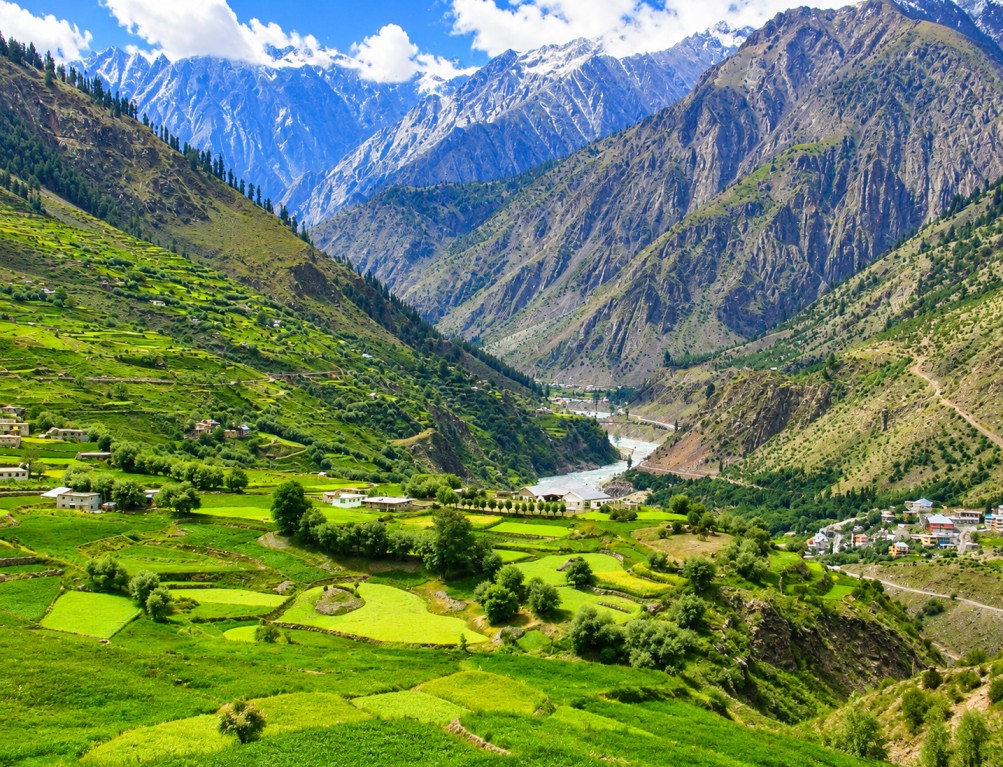
Longwa - The Village Between Two Nation
Located in the remote Mon district of Nagaland, Longwa Village is one of India's most extraordinary border destinations, where a single village exists in two countries simultaneously. Perched at an altitude of around 1,300 metres along the India–Myanmar international border, Longwa is home to the Konyak Naga tribe, one of Nagaland's most culturally distinctive indigenous communities. The international boundary passes directly through the village—and remarkably, through the residence of the Angh (traditional chief)—allowing one half of the house to lie in India and the other in Myanmar. Surrounded by rolling green hills, dense forests, and panoramic mountain landscapes, Longwa offers a fascinating blend of tribal heritage, natural beauty, and cross-border culture that few destinations in the world can match.
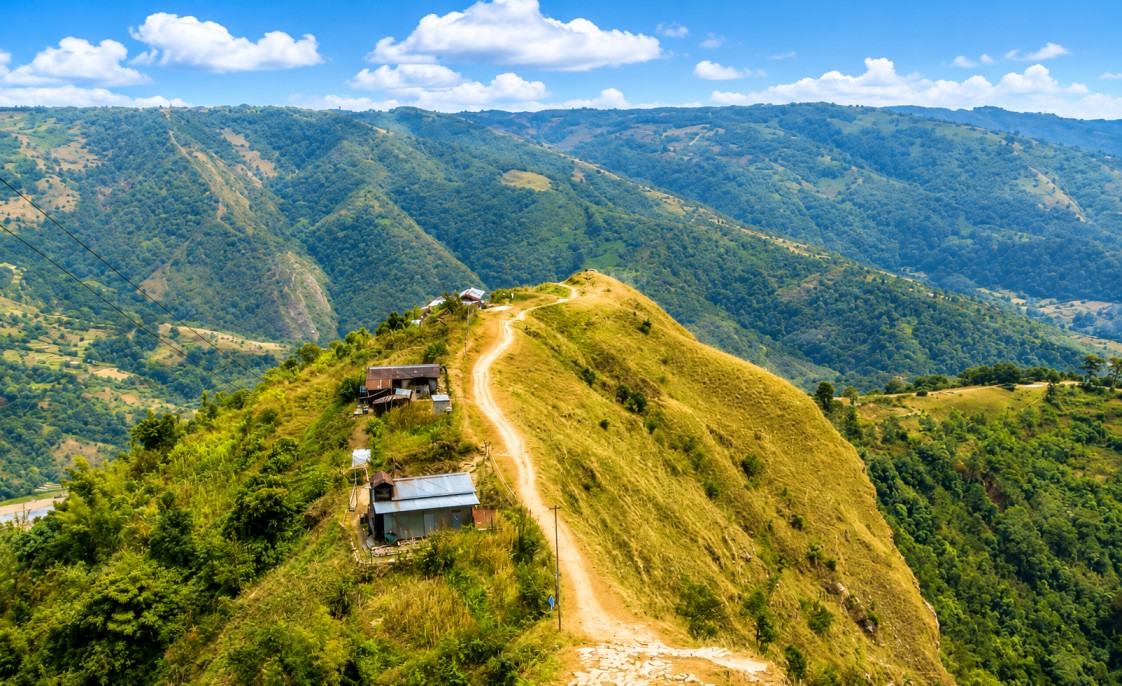
Nongjrong - Above The Clouds Beyond The Ordinary
There's a particular kind of stillness that settles over Nongjrong just before dawn — the kind that makes you hold your breath. Standing at the hilltop viewpoint in the dark, wrapped in a fleece against the cold, you look down and see nothing but cloud. A white, slow-moving sea of it, filling the valleys below while the peaks of the surrounding Khasi Hills emerge like islands above the mist. Then the sun arrives, and for a few minutes, the sky turns every shade from deep violet to burnt orange, and you understand immediately why people set alarms for 3 AM to be here
Bum La Pass: A Journey to India's High-Altitude Frontier
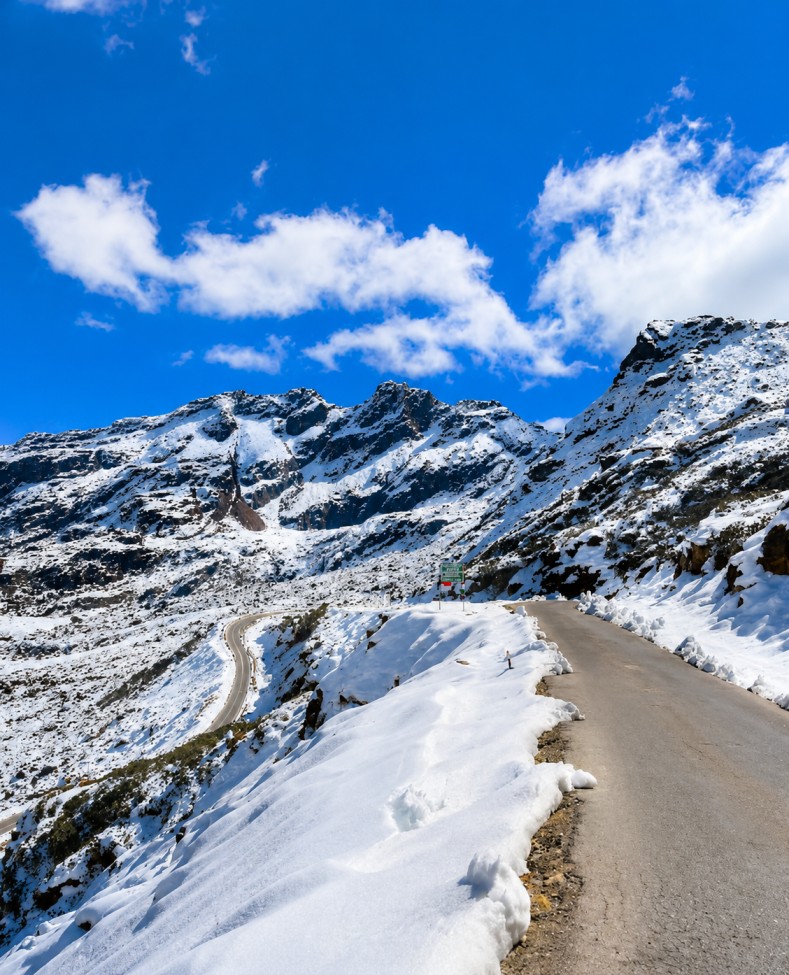
Bumla Pass stands as one of the most historically charged, geopolitically significant, and emotionally compelling destinations in India — a high-altitude mountain pass on the Indo-China border that carries within its spare and wind-swept landscape an extraordinary accumulation of historical memory, military sacrifice, diplomatic consequence, and natural grandeur that makes a visit to this remote frontier point one of the most deeply affecting travel experiences available anywhere on the Indian subcontinent. Situated approximately 37 kilometres north of Tawang in the Tawang district of Arunachal Pradesh at an altitude of approximately 4,633 metres — or 15,200 feet — above sea level, Bumla Pass marks the Line of Actual Control between India and China at the point where the Tawang district meets China's Tsona County in Tibet, making it one of the most clearly defined and most historically resonant sections of the disputed Indo-China frontier.
Bomdila: A Journey Through Arunachal's Hidden Paradise
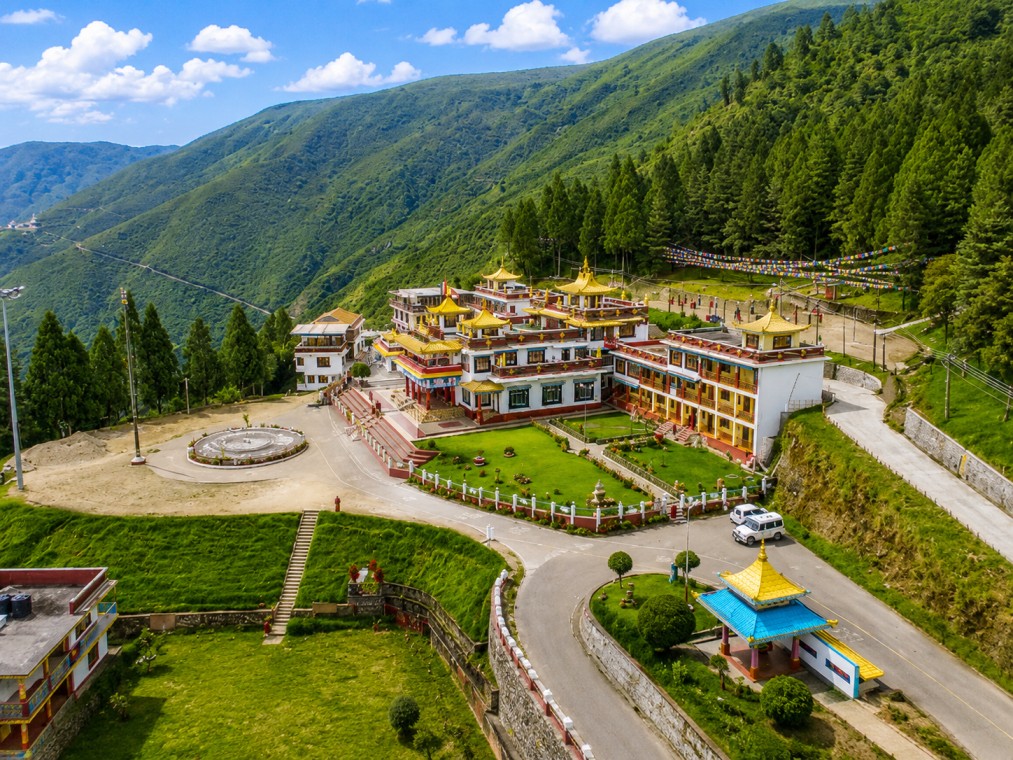
Bomdila stands as one of the most quietly compelling and culturally rich hill towns in northeastern India, a small Himalayan settlement of considerable natural beauty and deep Tibetan Buddhist heritage that sits at the threshold of the remote and magnificent landscapes of western Arunachal Pradesh and serves as the most natural gateway through which travellers enter the world of the Monpa people, the Tawang Valley, and the Eastern Himalayan frontier. Situated at an altitude of approximately 2,217 metres above sea level in the West Kameng district of Arunachal Pradesh — of which it is the district headquarters — Bomdila looks out over a sweeping panorama of the Eastern Himalayas that on clear days includes the snow-capped summits of Kangto and Gorichen, the highest peak in the entire state rising to 6,538 metres, and the rolling green valley of the Kameng River that descends from the high passes into the foothills below
Madhuri-Lake : The Frozen Beauty Of Tawang
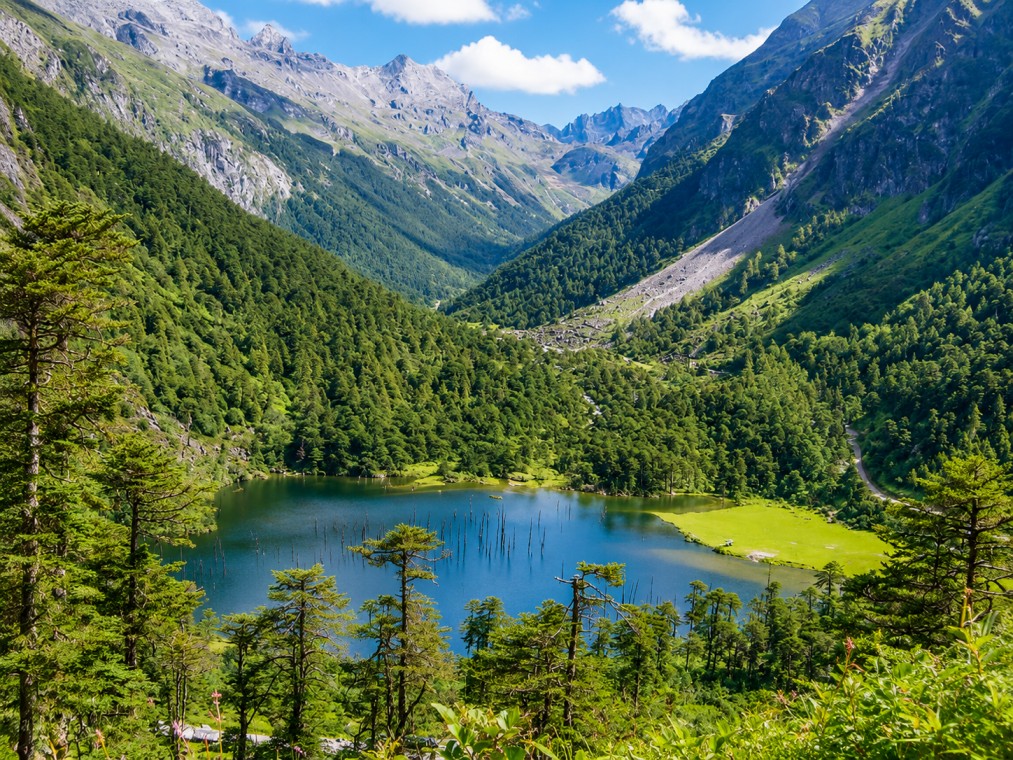
Madhuri Lake stands as one of the most hauntingly beautiful, geologically remarkable, and atmospherically distinctive high-altitude lakes in northeastern India, a body of still water set among the snow-capped peaks of the Eastern Himalayas whose tranquil surface, ghostly submerged forest, cascading mountain waterfall, and proximity to the Indo-China border together create a destination of rare and layered character that rewards the considerable effort required to reach it. Officially known as Sangestar Tso — a name of Tibetan origin that reflects the deep cultural and geographical connection between this part of Arunachal Pradesh and the Tibetan Buddhist world that has shaped its civilisation for centuries — the lake is situated in the Tawang district of Arunachal Pradesh at an altitude of approximately 3,708 metres above sea level, approximately 30 kilometres northeast of Tawang town along the road that leads to the Bum La Pass and the Indo-China border.
Bhalukpong : Where Assam Meets The Eastern Himalayas
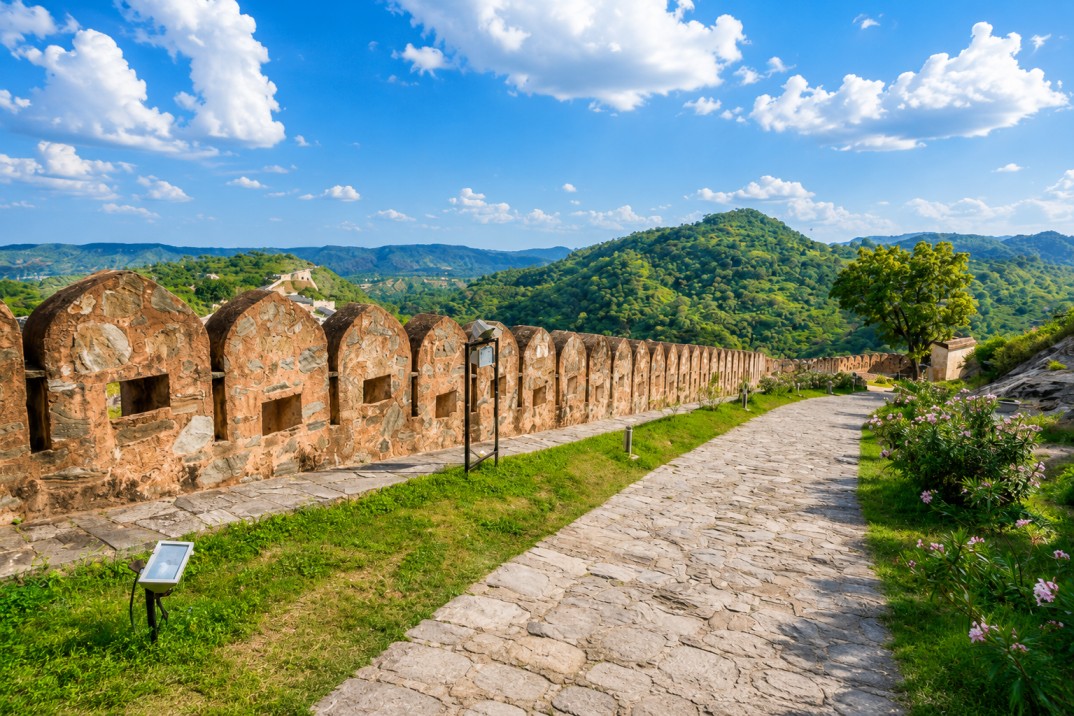
Bhalukpong stands as one of the most naturally generous and historically layered gateway destinations in northeastern India, a small town at the confluence of the Assam plains and the Eastern Himalayan foothills where the Kameng River — known downstream in Assam as the Jia Bhoreli — flows with a clarity and energy that has made it one of the finest rivers for white-water adventure and Mahseer angling in the entire northeast, and where the dense virgin forests of the surrounding hills shelter a biodiversity of extraordinary richness that includes tigers, elephants, hornbills, and the rare birds that have made this corner of western Arunachal Pradesh one of the most celebrated wildlife destinations in Asia. Situated in the West Kameng district of Arunachal Pradesh at an elevation of approximately 213 metres above sea level, approximately 52 kilometres north of Tezpur in Assam and approximately 100 kilometres south of Bomdila, Bhalukpong occupies the precise geographical and administrative threshold where the Indian plains end and the Himalayan world begins — a position that has given it its identity as the primary gateway to western Arunachal Pradesh and the most significant entry checkpoint on the Tezpur-Bomdila-Tawang tourist circuit
Chug-Valley : A Serene Escape In The Heart Of Arunachal
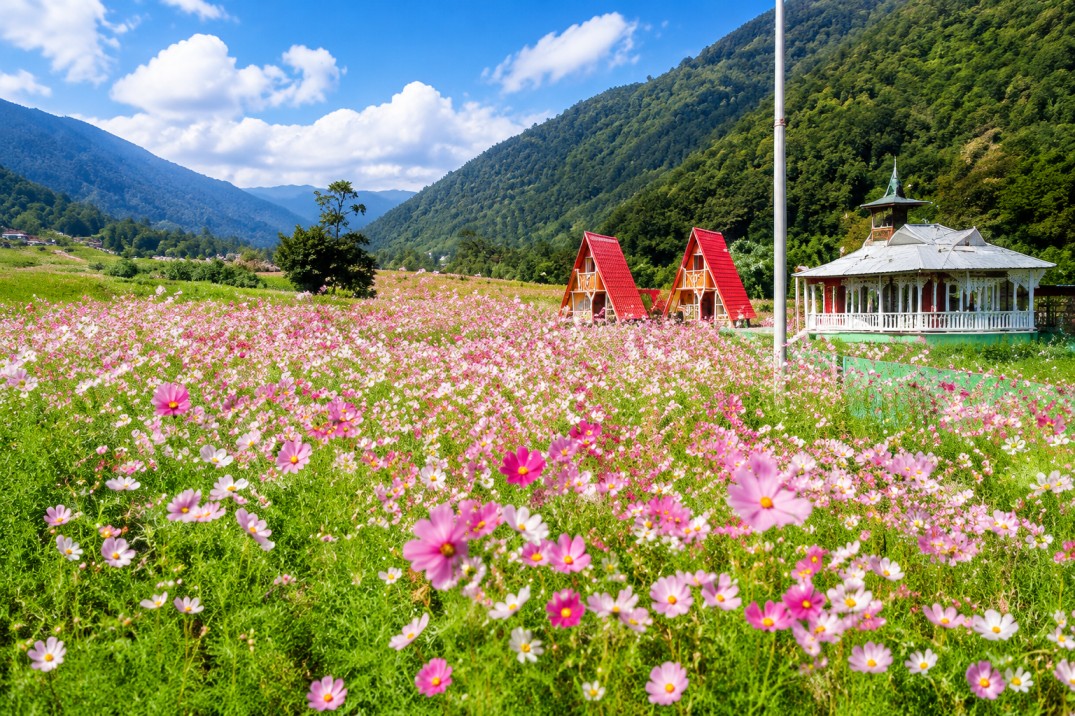
Chug Valley stands as one of the most beautifully unspoiled and culturally authentic hidden destinations in northeastern India, a serene Himalayan valley of terraced red rice fields, blooming cosmos flowers, ancient Monpa villages, and crystalline mountain rivers that together create a landscape of quiet, unhurried perfection that few travellers outside Arunachal Pradesh have yet discovered. Situated in the West Kameng district of Arunachal Pradesh near the Dirang subdivision, approximately 43 kilometres from Dirang town and within the broader travel circuit connecting Bomdila and Tawang, Chug Valley occupies a sheltered highland pocket of the Eastern Himalayas where the Chug River — known locally as the Khow Odok or Mangkhow — meanders through the valley floor, nourishing an agricultural landscape of terraced fields and traditional homesteads that has sustained the Duhumbi Monpa community for generations beyond recorded memory.
Aalo - Where Nature Meets Tribal Heritage
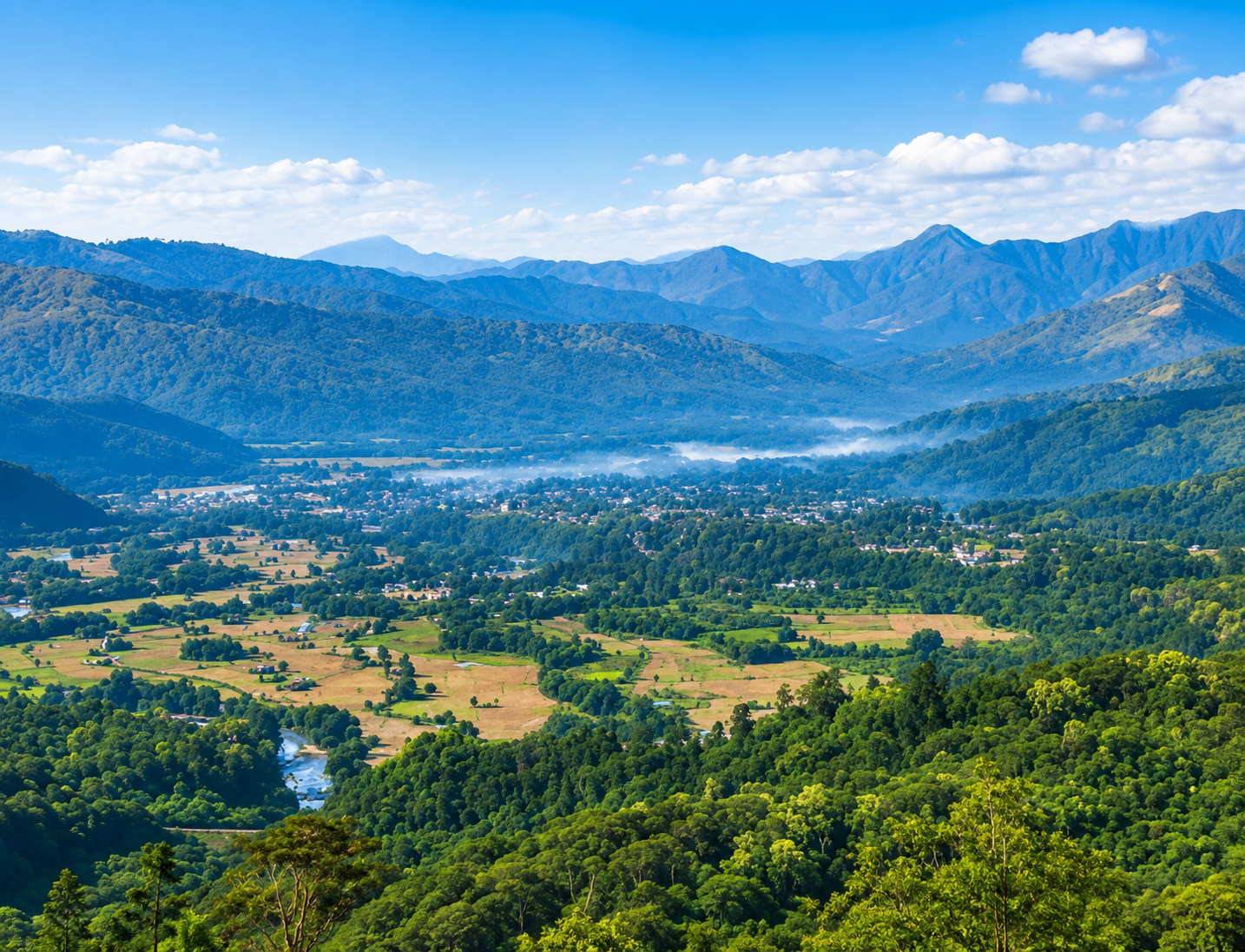
Aalo stands as one of the most culturally rich, scenically captivating, and genuinely off-the-beaten-path destinations in northeastern India, a small hill town of considerable natural beauty and deep indigenous significance that serves simultaneously as the administrative headquarters of the West Siang district of Arunachal Pradesh and as the cultural heartland of the Galo people — one of the principal sub-groups of the Adi ethnic family, among the largest and most historically rooted indigenous communities of the state. Formerly known as Along and renamed Aalo in 2006, the town is situated at the confluence of the Sipu and Siyom Rivers at an elevation of approximately 300 metres above sea level, surrounded by forested hills, orange orchards, millet and buckwheat plantations, and the sweeping river valleys that define the landscape of the West Siang interior.
Jampui-Hills : The Eternal Hills Of Sunshine
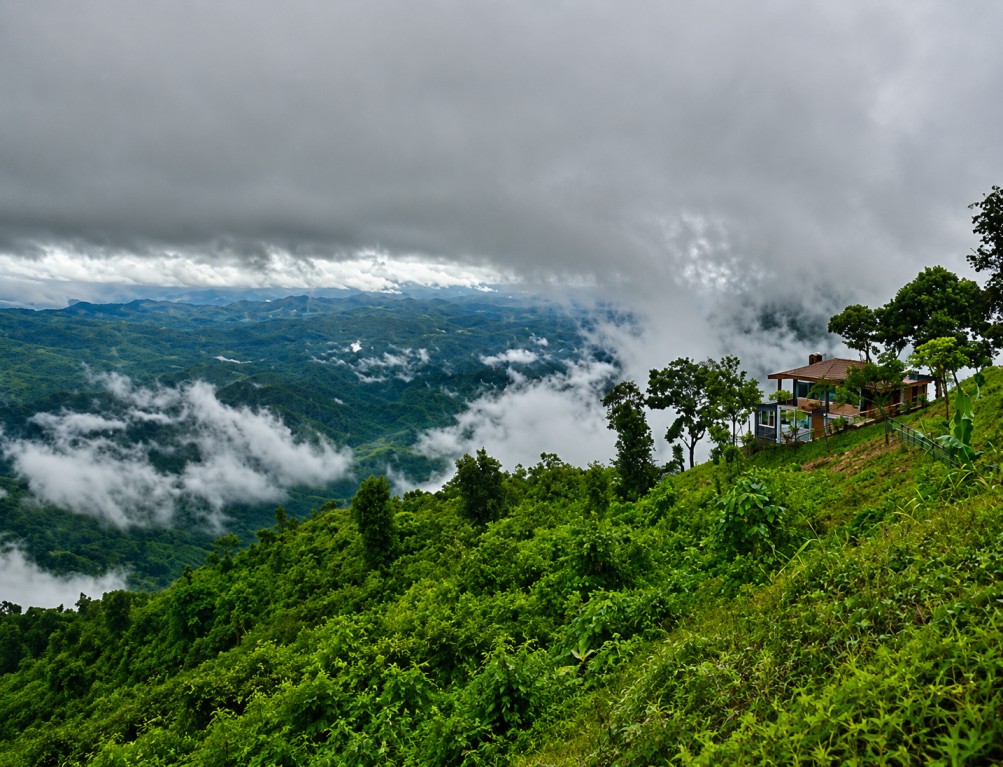
Jampui Hills stands as one of the most serene and scenically extraordinary destinations in northeastern India, representing the highest hill range in Tripura and a highland landscape of remarkable natural beauty where rolling orange orchards, dense subtropical forests, mist-laden ridgelines, and the sweeping panoramic views across the valleys of Bangladesh and Mizoram combine to create a destination of genuine and largely undiscovered natural and cultural richness. Situated in the North Tripura district along the northeastern border of the state, Jampui Hills rises to elevations that bring a refreshing coolness to a state otherwise defined by the tropical warmth of its plains and river valleys, making it the only hill station in Tripura and a destination of distinctive geographical character within the broader northeastern landscape. The destination draws nature enthusiasts, photographers, cultural travelers, and those seeking an unhurried highland escape from across the region, offering a landscape defined by the fragrant orange groves for which these hills are most celebrated, the rich traditions of the Mizo community that inhabit the hillside villages, and an atmosphere of quiet highland beauty that rewards the traveler willing to venture into this relatively unexplored corner of northeastern India.
Nohkalikai-Falls : India's Tallest Plunge Waterfall
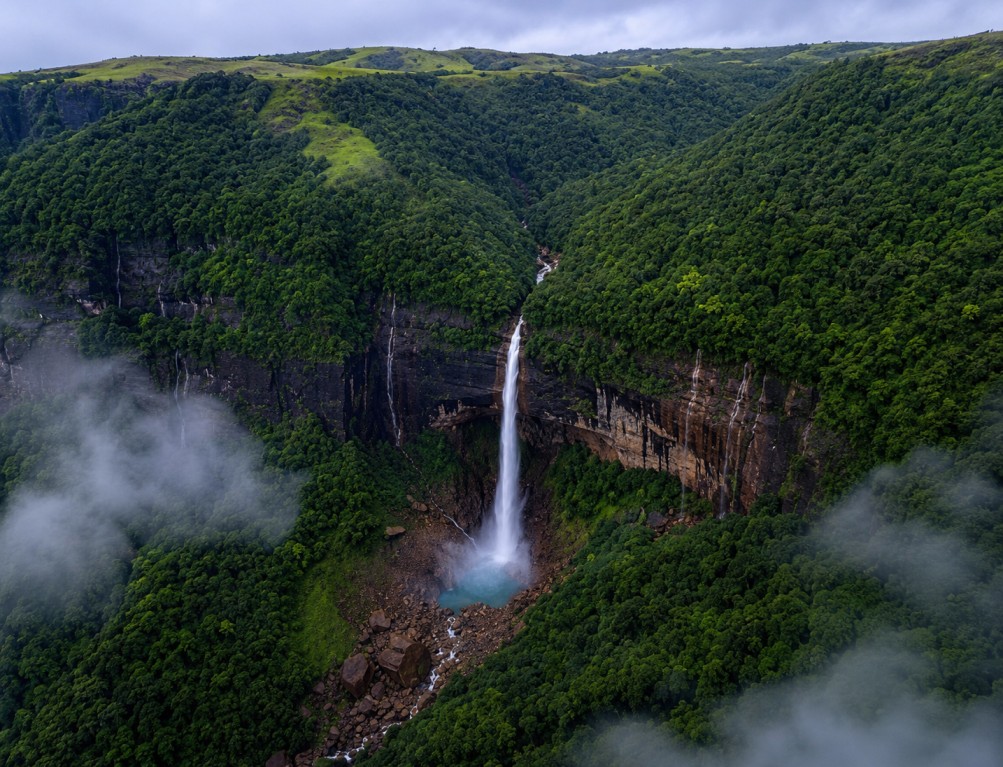
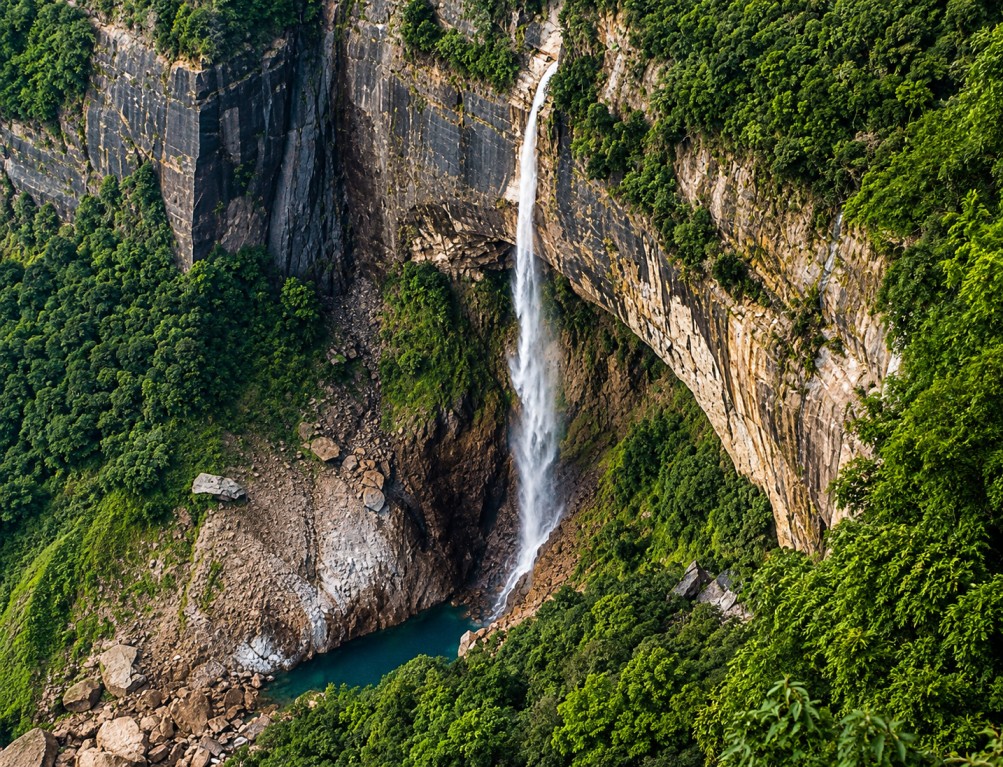
Nohkalikai Falls stands as one of the most awe-inspiring and emotionally resonant natural destinations in northeastern India, representing the tallest plunge waterfall in India and a spectacle of falling water of extraordinary scale and dramatic beauty that descends from the edge of the Cherrapunji plateau into a luminous green pool far below in a single unbroken leap of approximately 340 metres. Situated near Cherrapunji, also known as Sohra, in the East Khasi Hills district of Meghalaya, Nohkalikai is a destination of singular natural grandeur, offering a landscape defined by the sheer plateau cliff from which the falls descend, the remarkable blue-green colour of the plunge pool carved into the gorge below, the vast forested valley spreading beneath the plateau edge, and an atmosphere of raw natural power and highland mist that makes this one of the most overwhelming landscape experiences in the entire subcontinent. The falls carry a name steeped in Khasi legend, said to commemorate the tragic story of a woman named Ka Likai, lending this already extraordinary natural site a dimension of human and cultural depth that deepens its significance considerably.
Nohsngithiang-Falls : The Seven Sister Of Meghalaya
Nohsngithiang Falls stands as one of the most breathtaking and visually magnificent natural destinations in northeastern India, representing a waterfall of extraordinary scale and dramatic beauty that plunges in seven distinct segmented streams from the edge of a vast plateau cliff into a deep and misty gorge far below, creating a spectacle of falling water that is widely regarded as one of the most spectacular natural sights in the entire Indian subcontinent. Situated near the town of Cherrapunji, also known as Sohra, in the East Khasi Hills district of Meghalaya, Nohsngithiang Falls, popularly referred to as the Seven Sisters Falls in reference to the seven northeastern states of India, is a destination of singular natural grandeur, offering a landscape defined by the immense sandstone plateau edge from which the falls descend, the layered curtains of white water dropping nearly three hundred and fifteen metres into the gorge below, the vast forested valley of Bangladesh spreading to the horizon far beneath, and an atmosphere of elemental natural power and highland mist that makes this one of the most emotionally overwhelming landscape experiences available anywhere in the region. The destination draws nature enthusiasts, waterfall seekers, photographers, and adventurous travelers from across the country and beyond, offering an encounter with rainfall, geology, and topography combined at a scale and with a drama that few natural sites anywhere in India can match.
Patratu Valley : The Scenic Serpentine Drive Of Jharkhand
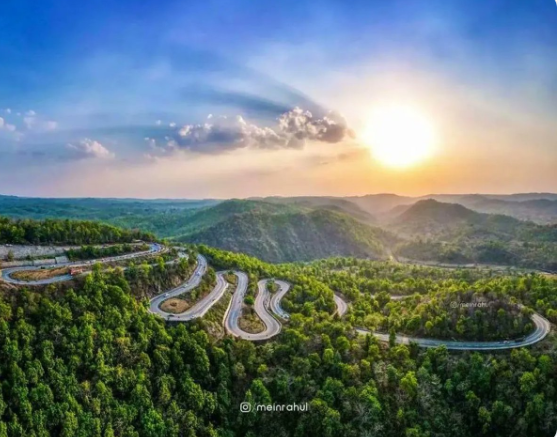
Patratu Valley stands as one of the most scenically captivating and increasingly celebrated leisure destinations in eastern India, offering a landscape of sweeping reservoir waters, forested hillsides, and winding mountain roads that together create an experience of natural beauty rare within easy reach of a major urban centre. Located in the Ramgarh district of Jharkhand, approximately forty-five kilometres northwest of Ranchi, the valley is anchored by the Patratu Reservoir, a large artificial water body formed by the damming of the Nalkari river, whose expansive blue waters set against the surrounding Chota Nagpur plateau hills define the visual character of the destination. The area draws weekend travelers, nature enthusiasts, photography seekers, and families from Ranchi and beyond, drawn by a combination of open water, forested terrain, and the celebrated serpentine road that winds through the valley.
laitlum-canyon : Meghalaya's Hidden Paradise
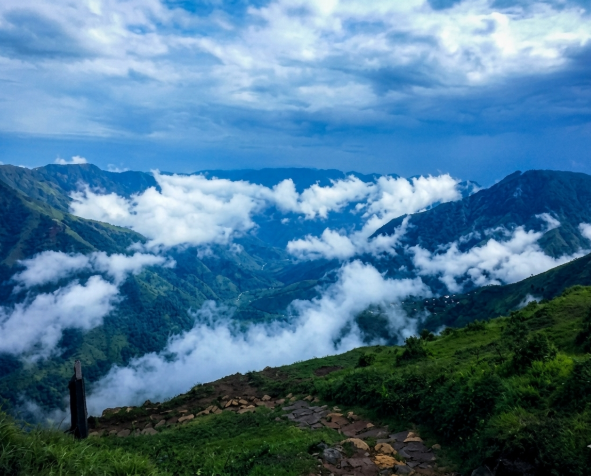
Laitlum Canyons stands as one of the most dramatically beautiful and least commercialised natural destinations in northeastern India, a landscape of deep gorges, sweeping valley views, cloud-kissed cliff edges, and rolling green hills that offers a quality of raw, unmediated encounter with the natural world that has become increasingly rare in the more frequented destinations of the Indian subcontinent. Located in the East Khasi Hills district of Meghalaya, approximately 25 kilometres from Shillong along the road through the village of Smit, Laitlum occupies a position on the edge of the Khasi plateau where the highland terrain falls away in dramatic, steep-sided valleys that plunge into a landscape of extraordinary depth and scale below.
Loktak-Lake : Land Of Magical Floating Islands
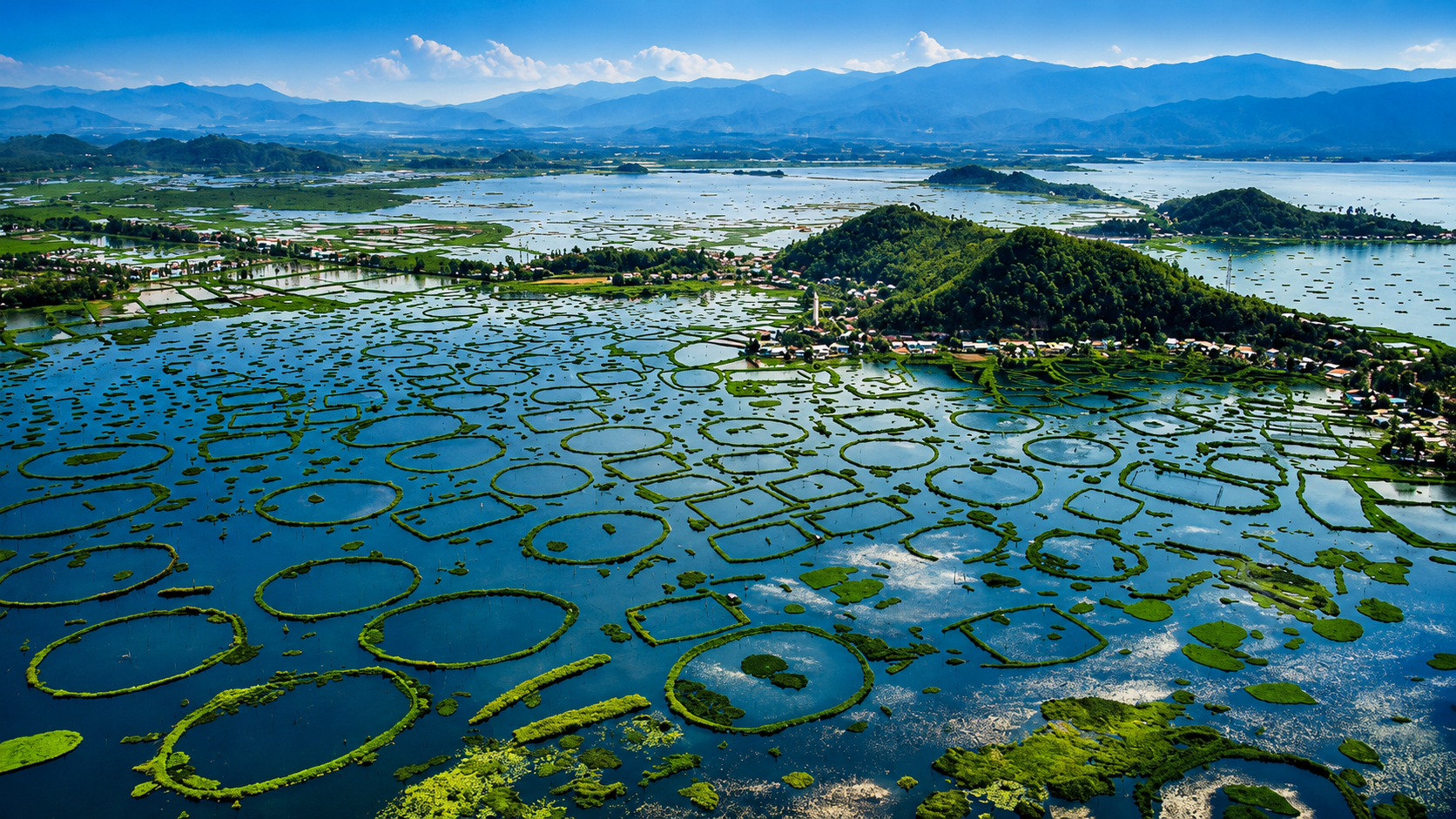
Loktak Lake stands as one of the most ecologically extraordinary and visually captivating destinations in northeastern India, representing the largest freshwater lake in the entire region and a wetland landscape of global biological significance that supports a way of life, a unique natural phenomenon, and a critically endangered wildlife population found nowhere else on earth. Situated in the Bishnupur district of Manipur, spread across a broad valley basin in the heart of the state, Loktak is a destination of singular and irreplaceable natural character, offering a landscape defined by the remarkable floating islands known as phumdis, expanses of open water reflecting the surrounding hills, the thatched huts of the Meitei fishing communities built directly upon the floating biomass, and an atmosphere of serene and ancient intimacy between a human community and its watery landscape that has persisted for generations beyond counting. The destination draws ecologists, wildlife enthusiasts, cultural travelers, and photographers from across the country and the world, offering an encounter with a living landscape where the boundaries between land, water, and human habitation dissolve into a single continuous and extraordinary natural whole.
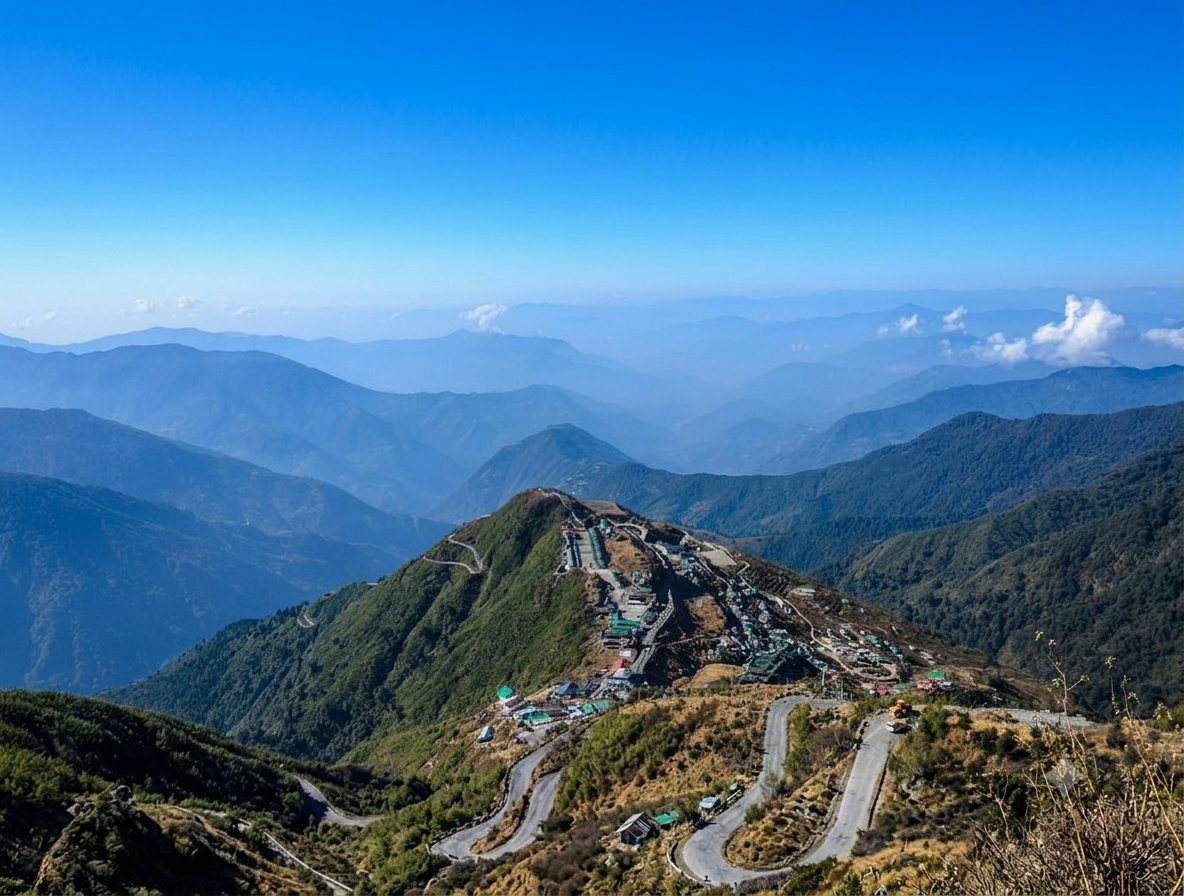
Zuluk : The Hidden Gem Of The Old Silk Route
Perched at an altitude of nearly 10,000 feet in the eastern corner of Sikkim, Zuluk is a tiny village that most Indians have never heard of — and that is precisely its greatest charm. A former resting point on the ancient Silk Route that once connected India to Tibet and China, Zuluk today is a quiet, unhurried hamlet of a few dozen homes, monastery bells, and panoramic Himalayan views so vast they make you feel genuinely small. It sits in the Nathang Valley along the Old Silk Trading Route, surrounded by rhododendron forests, high-altitude meadows, and hairpin bends that have become legendary among road trippers and photographers alike. If you have ever wanted to feel like you've discovered somewhere the world hasn't caught up to yet Zuluk is that place.
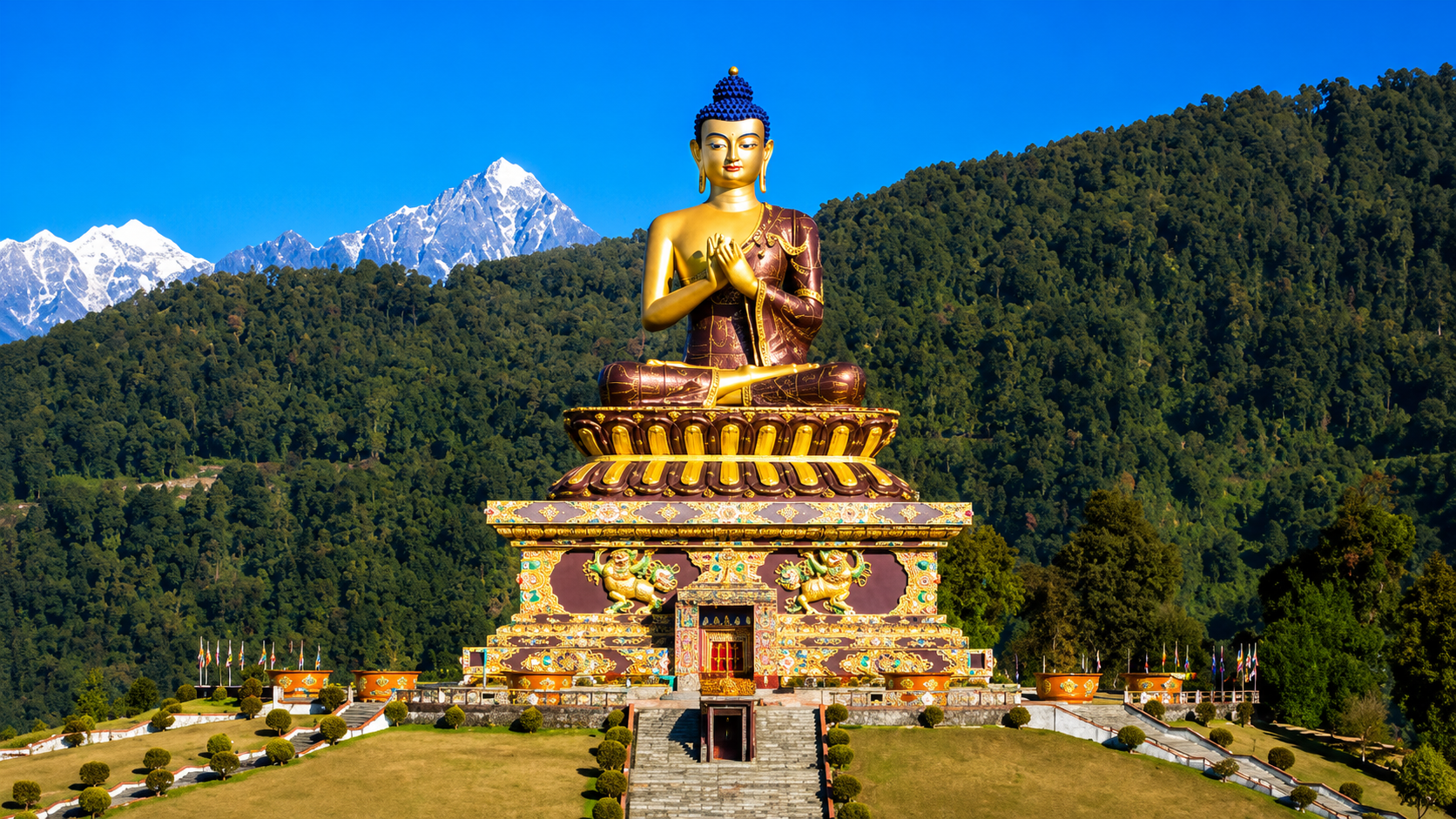
Pelling : Where Clouds Touch The Peaks Of The Himalayas
Pelling stands as one of the most enchanting and spiritually significant destinations in the northeastern Himalayan region of India, representing far more than a hill station on a map. Situated on the western slopes of Sikkim, at an elevation of approximately 2,200 meters, Pelling is recognized as a place of profound natural beauty and Buddhist spiritual heritage. The destination draws pilgrims, trekkers, and travelers from across the world, offering a landscape defined by ancient monasteries, panoramic mountain vistas, and an atmosphere of serene mountain contemplation rarely matched elsewhere.
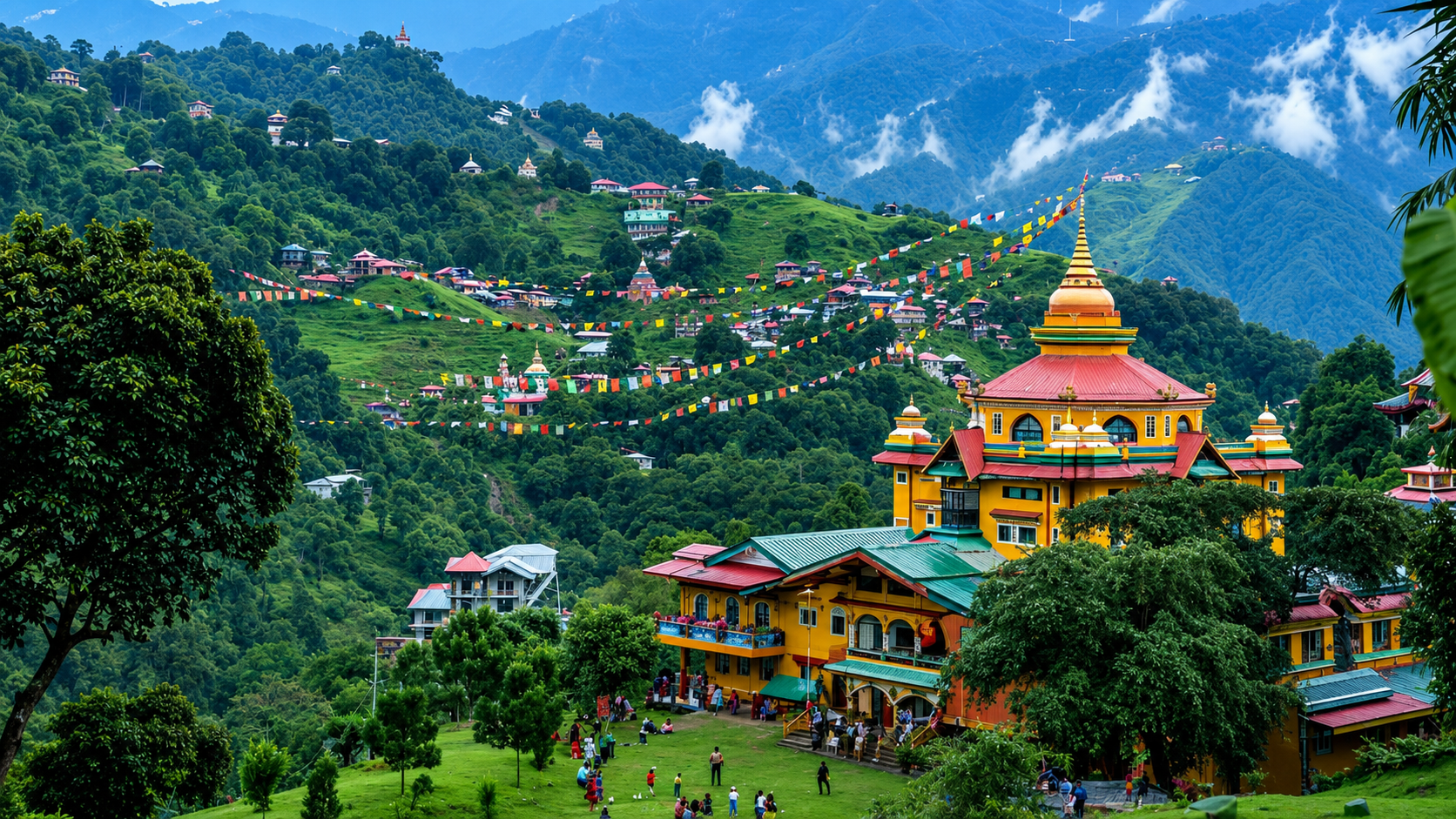
Gangtok : The Gateway To The Eastern Himalayas
Gangtok stands as one of the most vibrant and culturally significant destinations in northeastern India, representing far more than a hill station on a map. Situated at an elevation of approximately 1,650 meters on the slopes of the Kangchenjunga range in the state of Sikkim, Gangtok is recognized as the capital and cultural heart of this diverse Himalayan region. The destination draws pilgrims, trekkers, and travelers from across the world, offering a landscape defined by ancient Buddhist monasteries, modernist urban development, verdant hillsides, and an atmosphere of multicultural harmony and spiritual depth rarely matched elsewhere.
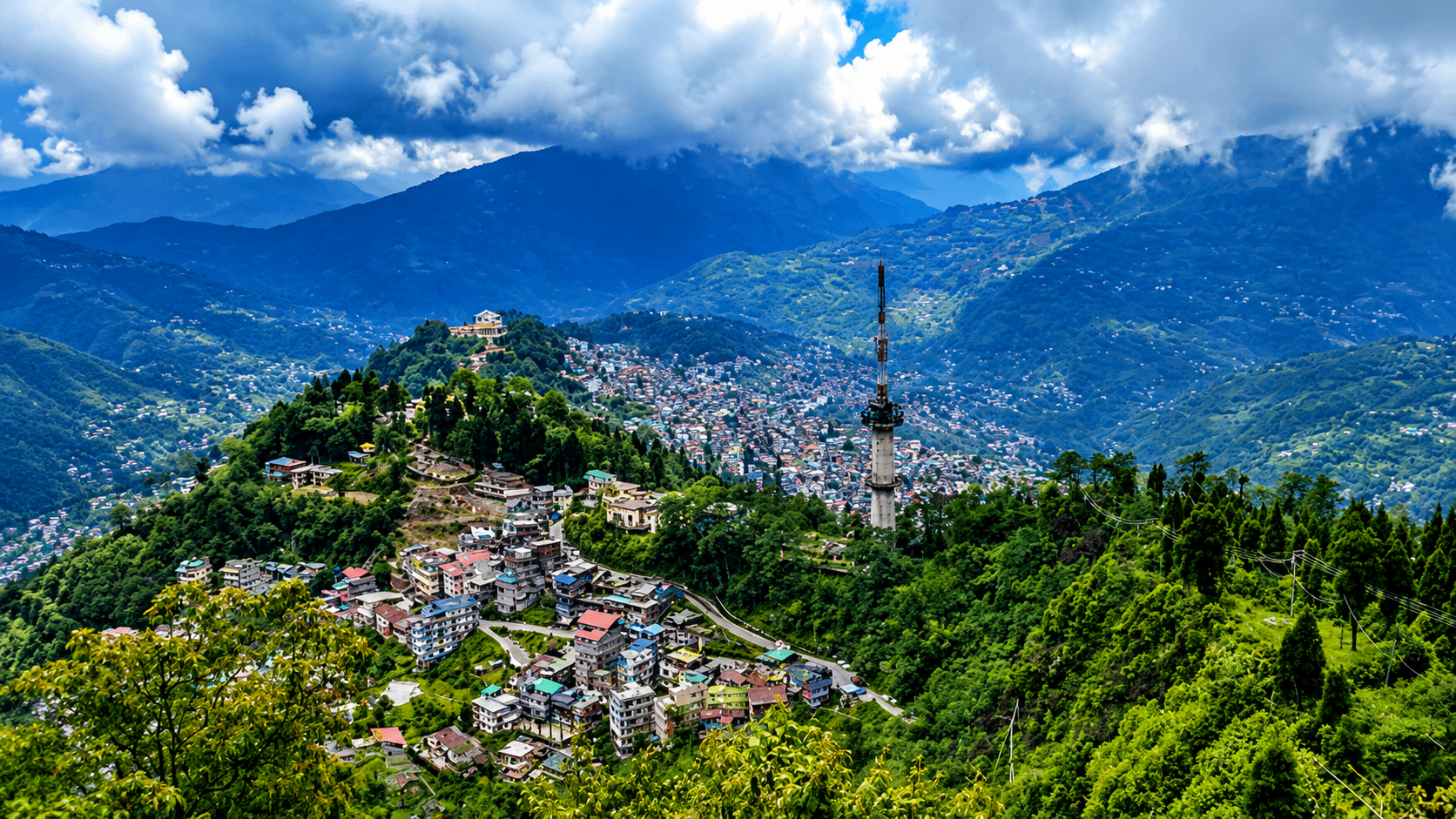
Kalimpong : India's Quiet Hill Station Of Timeless Beauty
Kalimpong stands as one of the most charming and culturally rich destinations in the northeastern Himalayan foothills, representing far more than a quaint hill town on a map. Situated at an elevation of approximately 1,250 meters in the Darjeeling district of West Bengal, Kalimpong is recognized as a place of remarkable natural beauty, Buddhist spiritual significance, and living multicultural heritage. The destination draws pilgrims, cultural enthusiasts, and travelers from across the world, offering a landscape defined by ancient monasteries, verdant gardens, colonial-era architecture, and an atmosphere of serene mountain charm and cultural authenticity rarely matched elsewhere.
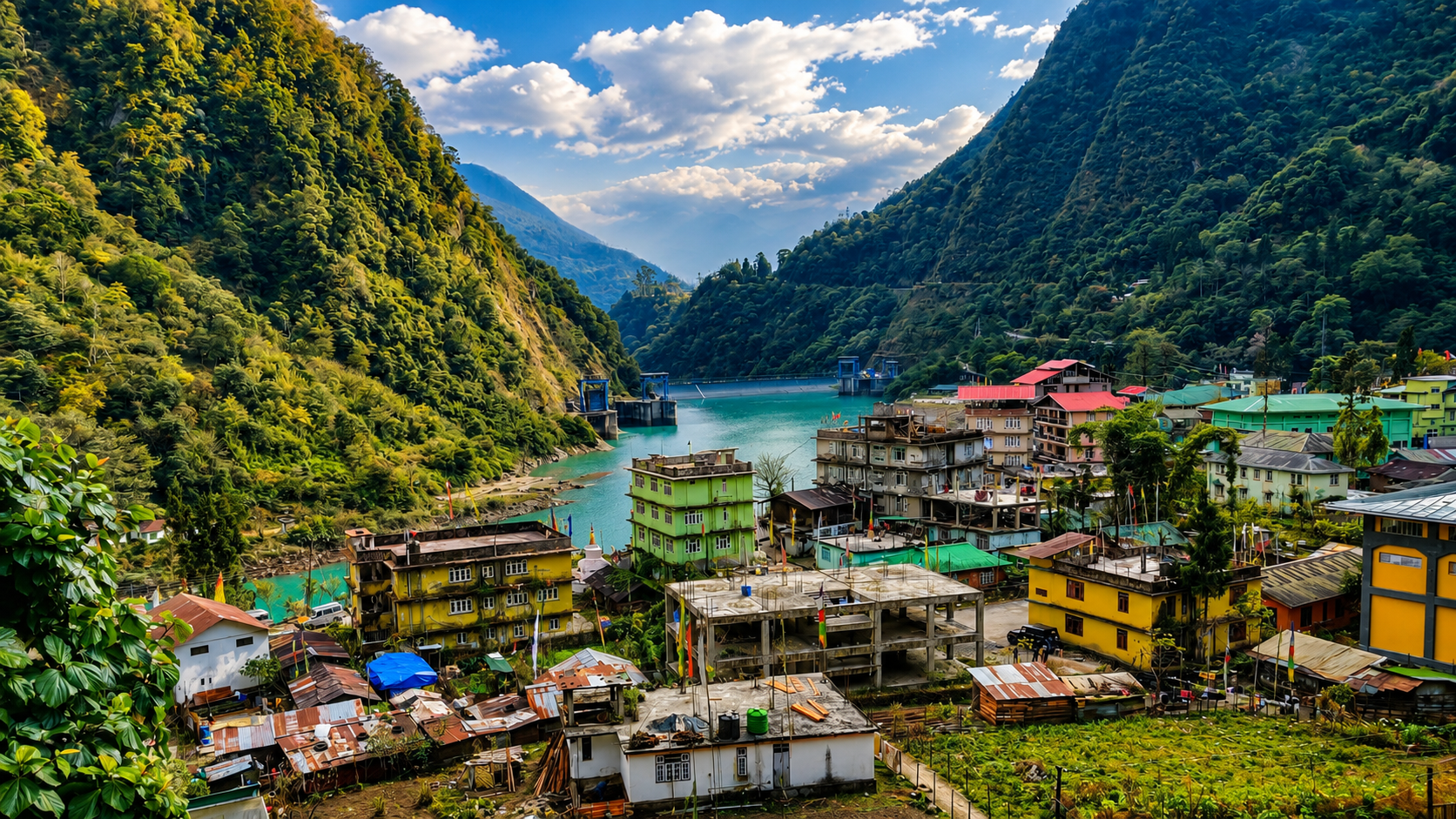
Lachung : Where Mountain Meets Clouds In Perfect Slience
Lachung stands as one of the most pristine and spiritually significant destinations in the northeastern Himalayan region, representing far more than a remote mountain village on a map. Situated at an elevation of approximately 2,700 meters in the Mangan subdivision of North Sikkim, Lachung is recognized as a place of extraordinary natural beauty, Buddhist spiritual heritage, and authentic mountain community life. The destination draws trekkers, pilgrims, and nature enthusiasts from across the world, offering a landscape defined by ancient monasteries, cascading waterfalls, verdant valleys, pristine alpine meadows, and an atmosphere of untouched wilderness and profound spiritual tranquility rarely matched elsewhere
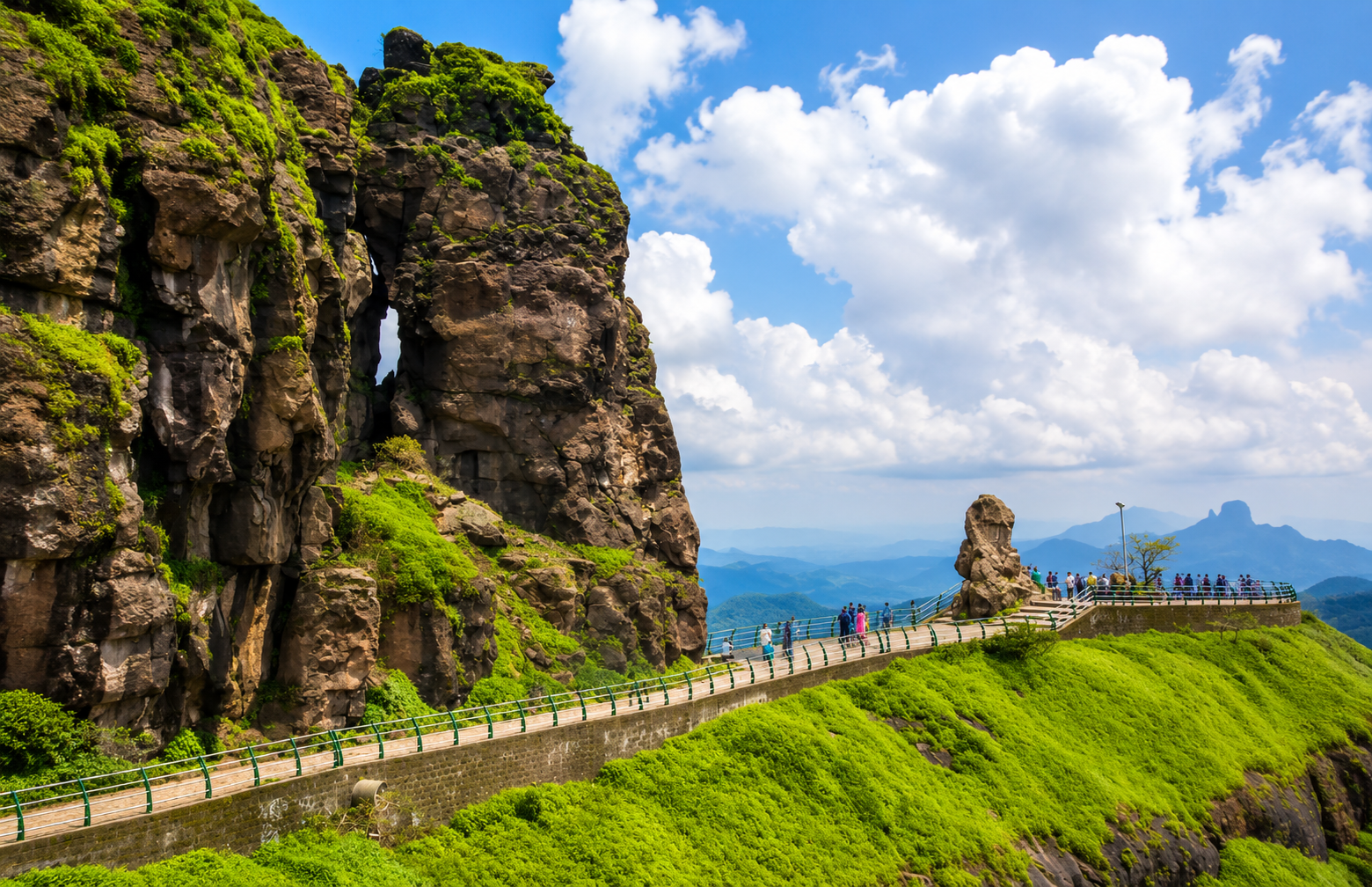
Netarhat: A Serene Hill Station
There are hill stations that have been loved so loudly and for so long that they've lost a little of themselves in the process. And then there is Netarhat — a place that has somehow managed to stay quietly extraordinary while the rest of the world rushed past it toward more famous destinations. Sitting at an elevation of about 1,128 metres above sea level in the Latehar district of Jharkhand, Netarhat is locally and lovingly called the Queen of Chotanagpur, and the moment you arrive, you understand exactly why that title was given and why it has never been taken away.
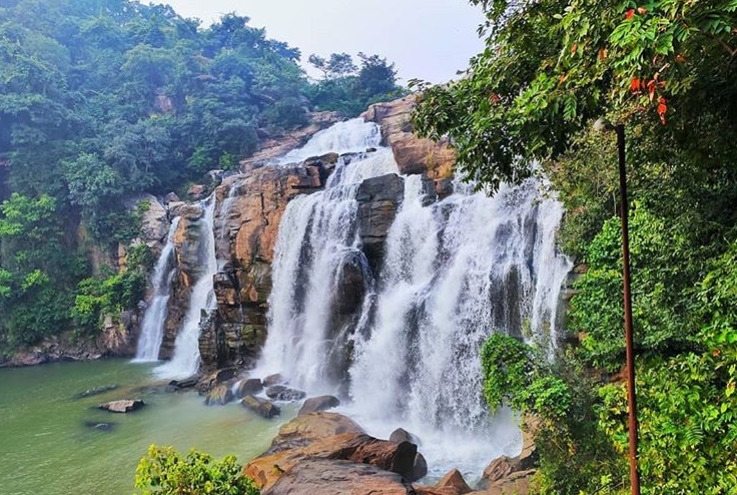
Dassam fall :The Waterfall That Feels Like a Secret
Some places don't announce themselves. They don't trend on social media or show up on the first page of travel blogs. They simply exist, quietly magnificent, waiting for the kind of traveller who is willing to look a little beyond the obvious. Dassam Falls is exactly that kind of place. Nestled about 40 kilometres from Ranchi in the Taimara village area of Jharkhand, this waterfall is one of those rare destinations that makes you feel like you've discovered something the rest of the world hasn't quite caught up to yet.
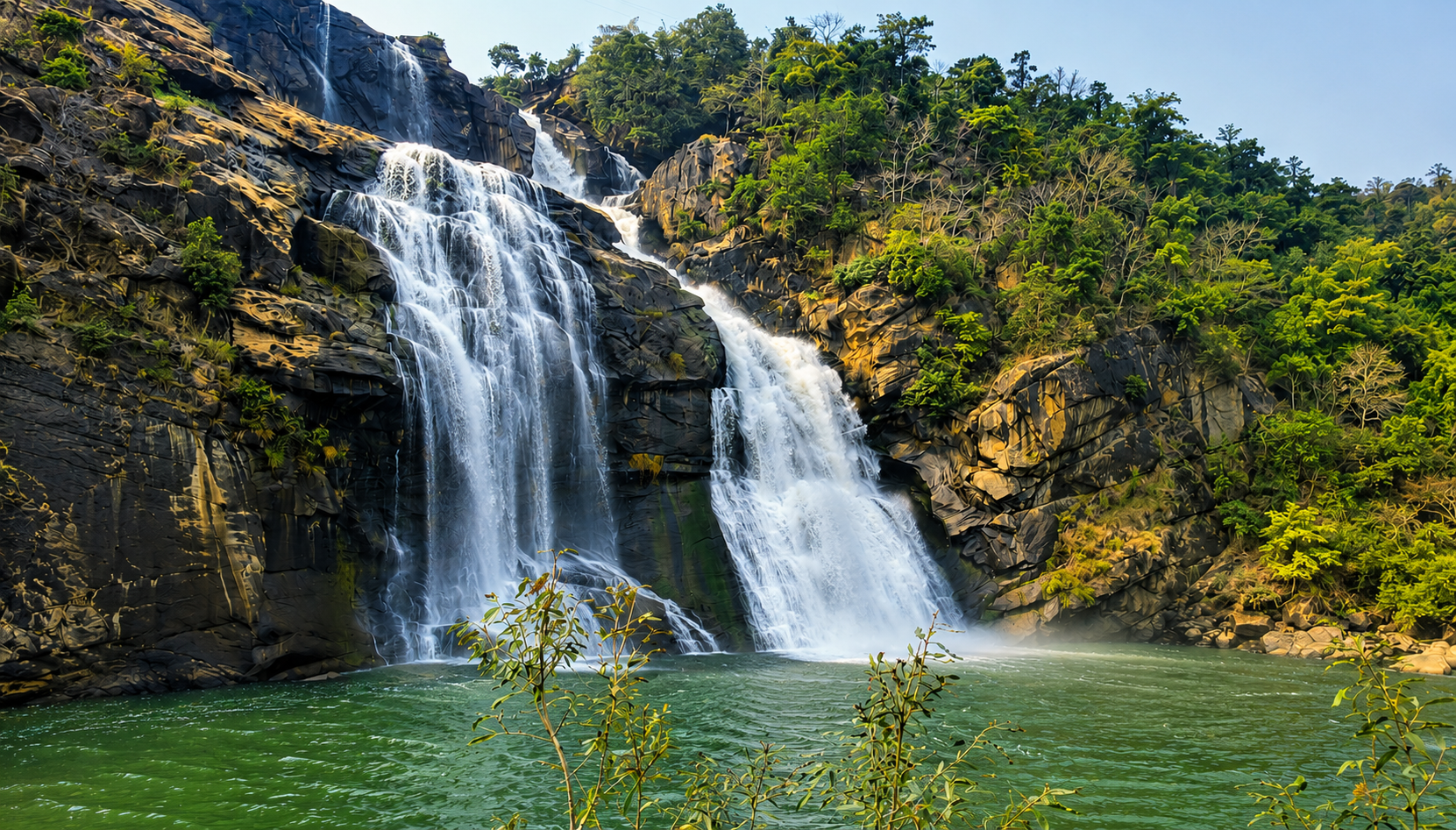
Hundru : the Soul Finds Peace
There are waterfalls, and then there is Hundru Falls. Tucked away in the lush green heartland of Jharkhand, this magnificent cascade is not just a natural wonder — it's an experience that stays with you long after you've returned home. Plunging dramatically from a height of 98 metres (322 feet), Hundru is one of the tallest and most breathtaking waterfalls in India, and yet it remains refreshingly off the radar of mass tourism.
What makes Hundru truly special is its raw, unfiltered beauty. No glass walkways, no theme park add-ons — just the thunderous roar of the Subarnarekha River as it leaps off a rocky escarpment and crashes into a sparkling pool below, surrounded by dense forest and rugged Jharkhand wilderness. If you're searching for a destination that blends adventure, nature, and cultural charm in one honest package, Hundru Falls deserves a top spot on your travel list
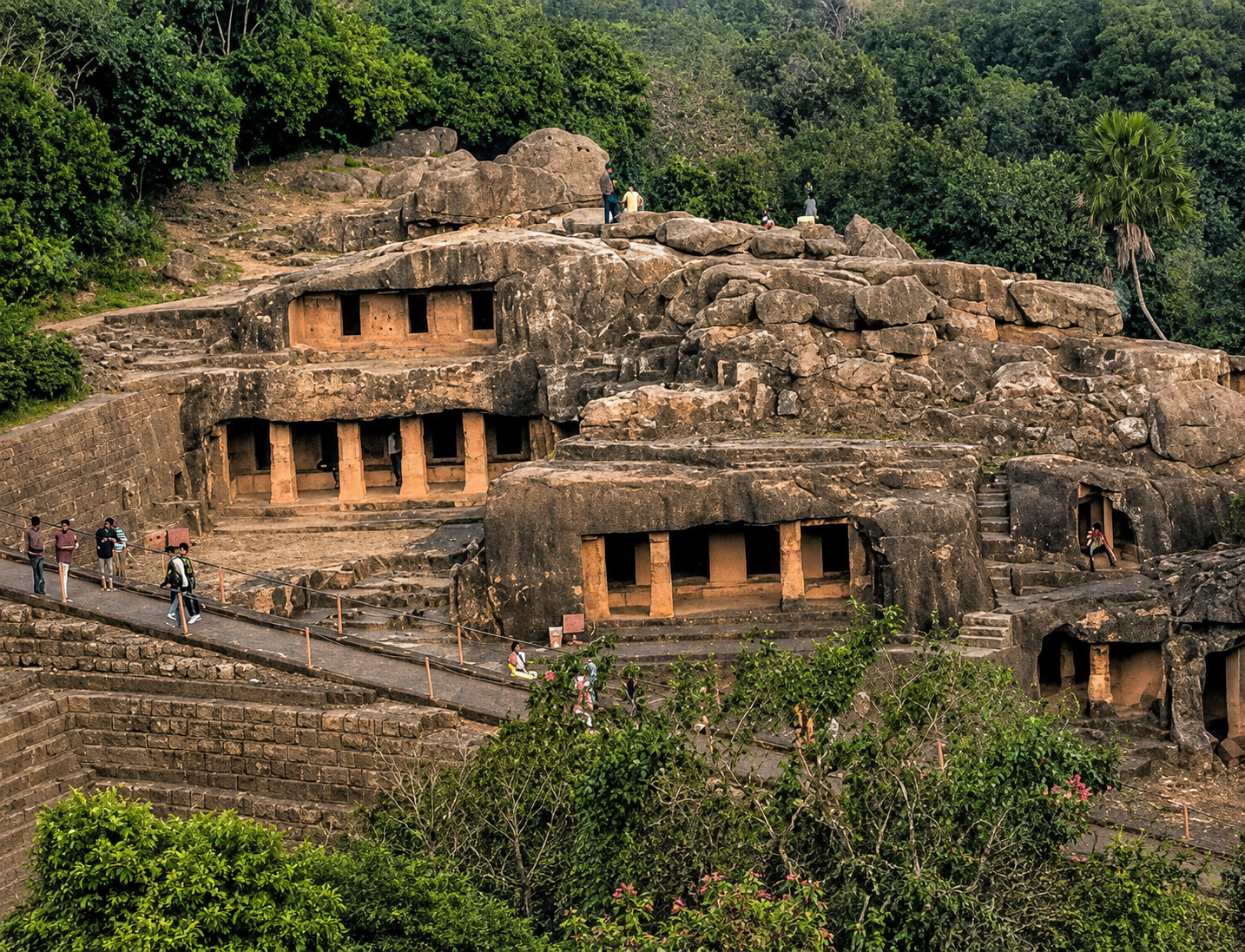
Udayagiri & Khandagiri caves
Udayagiri and Khandagiri Caves stand as one of the most remarkable archaeological and historically layered destinations in India, representing far more than a pair of hillside rock shelters. Situated on two adjacent hills about three kilometres south of Bhubaneswar in Odisha, these caves are partly natural and partly artificial, carrying archaeological, historical, and religious importance that spans over two millennia. Carved into the sandstone hills overlooking the city, they serve as a window into the lives of ascetics, monks, and scholars who once inhabited these sacred spaces.
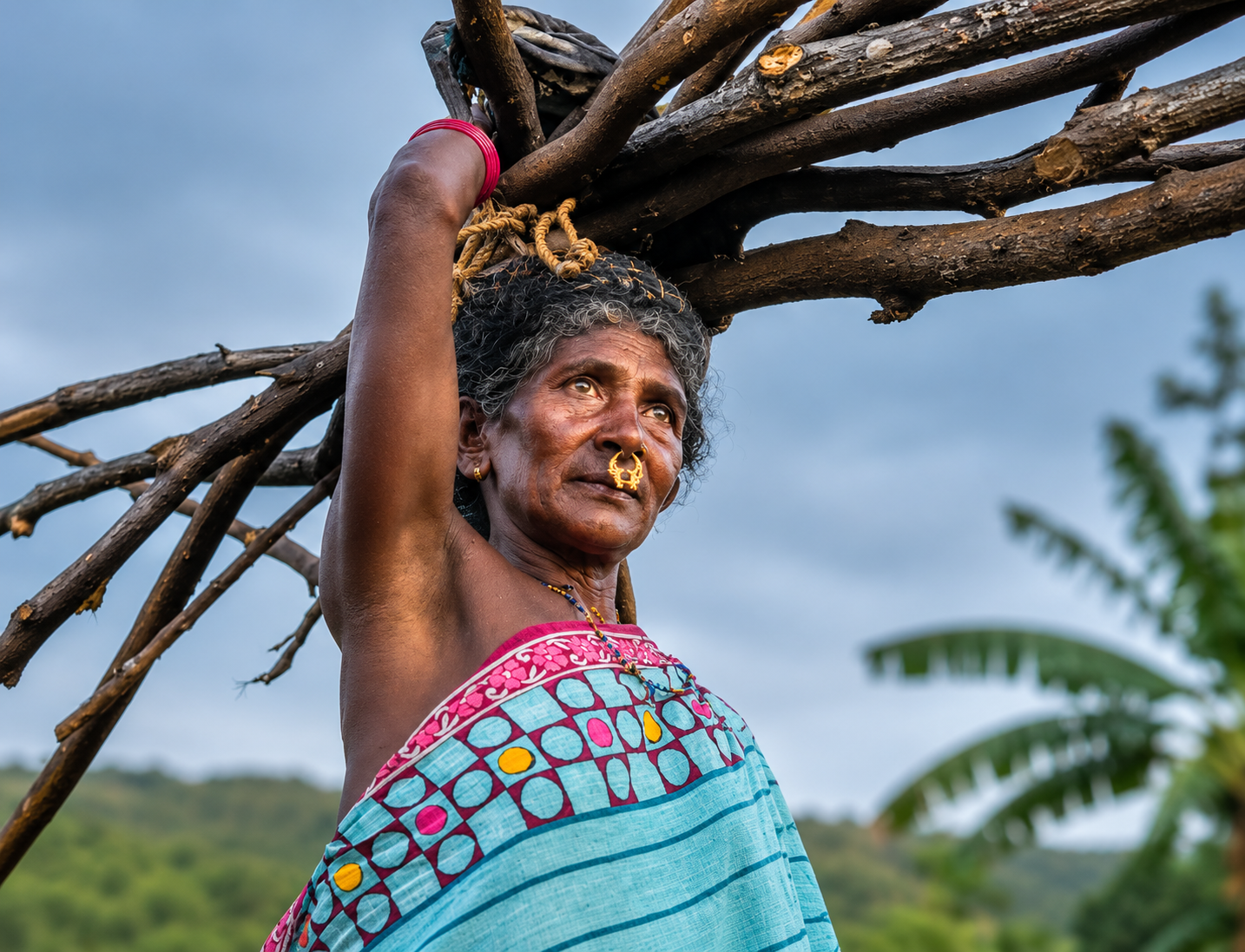
koraput
Koraput stands as one of the most culturally profound and scenically magnificent destinations in eastern India, a highland landscape of forested hills, fertile valleys, cascading streams, and ancient tribal traditions that together create an experience of cultural and natural immersion unlike anything available elsewhere in Odisha. Located in the southernmost reaches of the state, bordering Andhra Pradesh and Chhattisgarh, Koraput occupies a elevated plateau of the Eastern Ghats at altitudes ranging from approximately nine hundred to fifteen hundred metres above sea level, creating a climate of remarkable pleasantness and a landscape of rolling green hills, coffee and cardamom plantations, and dense forests that carry an atmosphere of fertile abundance and timeless tranquility. The destination draws anthropologists, cultural travelers, photographers, nature enthusiasts, and those drawn by the living tribal heritage of the Kondh, Bonda, Gadaba, Dongria Kondh, and numerous other indigenous communities whose customs, crafts, languages, and ceremonial traditions represent some of the most ancient and intact cultural expressions surviving anywhere in the Indian subcontinent.
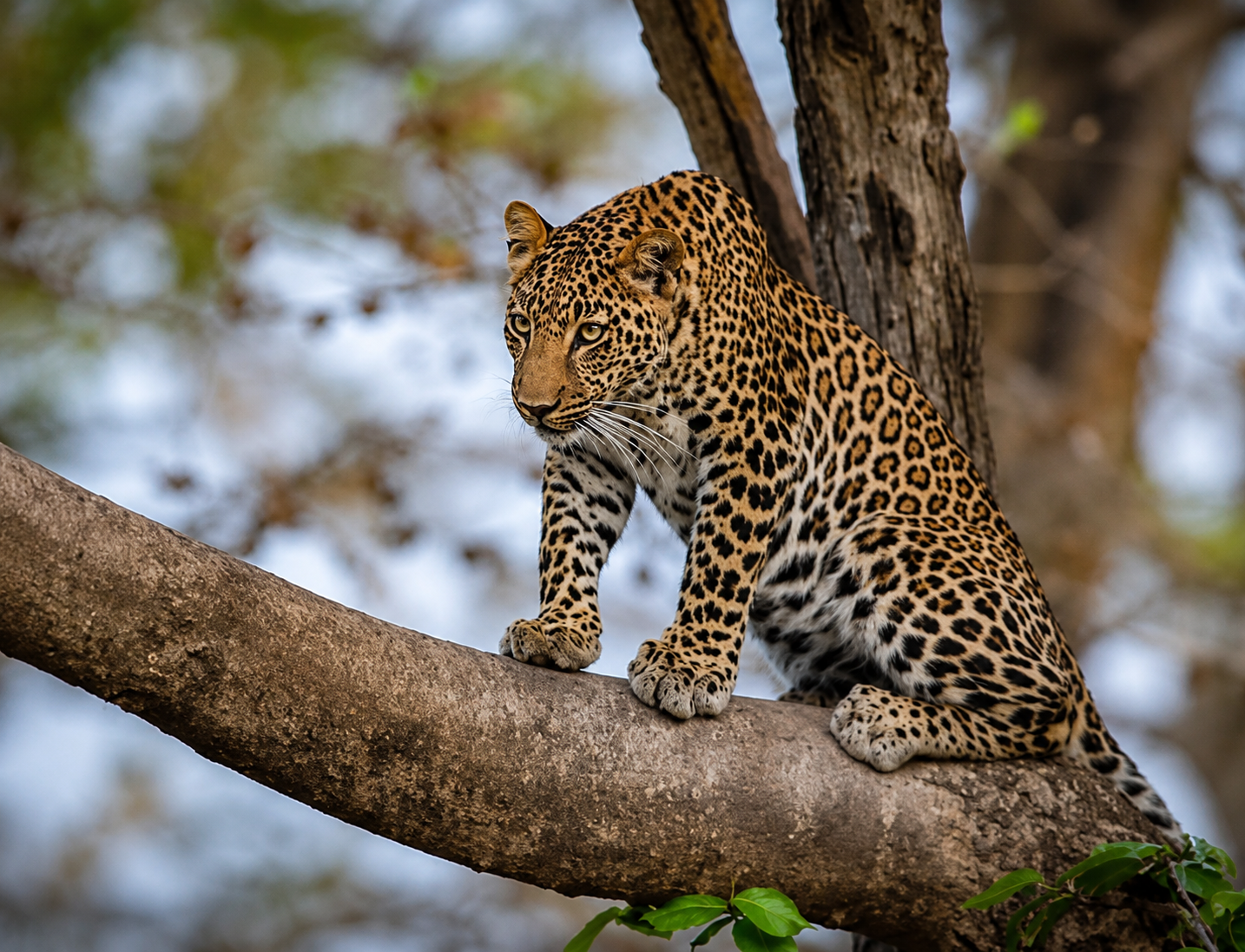
Simlipal National Park: Unesco Biosphere Reserve
Simlipal National Park stands as one of the most vast, ecologically diverse, and visually magnificent protected areas in eastern India, a wilderness of sal forests, rolling hills, cascading waterfalls, and river valleys of extraordinary beauty that together create a natural landscape of rare grandeur and biological richness. Located in the Mayurbhanj district of Odisha, in the northern reaches of the state bordering Jharkhand and West Bengal, the park forms the core of the Simlipal Biosphere Reserve, one of the largest biosphere reserves in India, encompassing an area of approximately two thousand seven hundred and fifty square kilometres of which the national park and tiger reserve constitute the most strictly protected central zone. The destination draws wildlife enthusiasts, naturalists, birdwatchers, waterfall seekers, and those drawn by the promise of a wilderness experience of genuine scale and solitude, offering an encounter with a functioning tiger habitat set within a landscape of such natural beauty that the journey through it is as rewarding as any specific wildlife sighting it may yield.
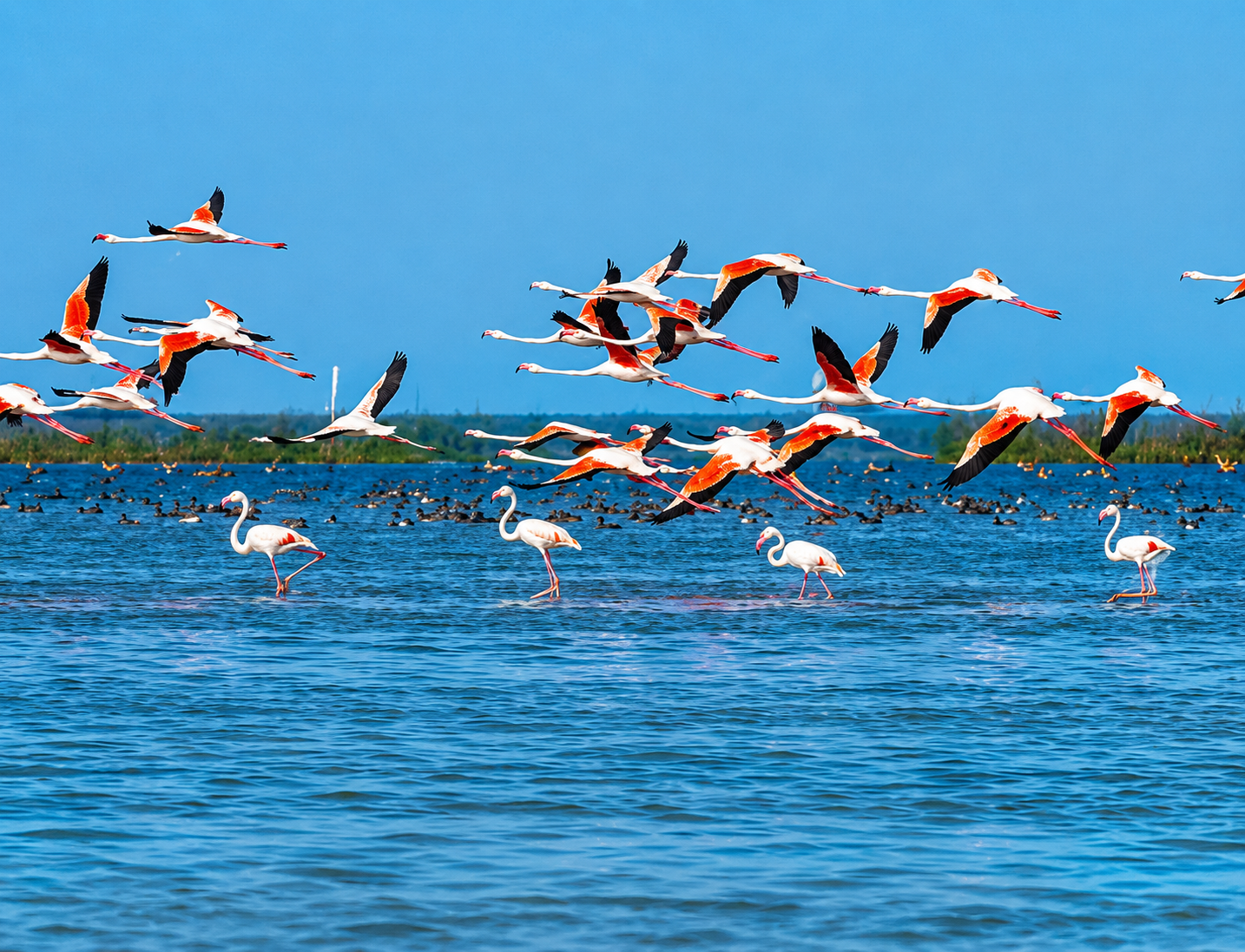
Chilika Lake: Asia's Largest Brackish Water
Chilika Lake stands as one of the most magnificent and ecologically significant natural destinations in India, a vast brackish water lagoon of breathtaking scale and biological richness that holds the distinction of being the largest coastal lagoon in Asia and one of the most important wetland ecosystems in the world. Located along the eastern coastline of Odisha, spread across the districts of Puri, Khurda, and Ganjam, the lake covers an area that fluctuates between approximately one thousand one hundred square kilometres in the dry season and over eleven hundred square kilometres during the monsoon, creating a shimmering inland sea of shallow waters, reed beds, mudflats, and open channels that supports a staggering diversity of aquatic and avian life. The destination draws birdwatchers, naturalists, wildlife enthusiasts, pilgrims visiting the sacred Kalijai temple island, and travelers drawn by the extraordinary spectacle of one of the greatest migratory bird congregations in Asia, which transforms the lake each winter into a landscape of almost incomprehensible biological abundance.
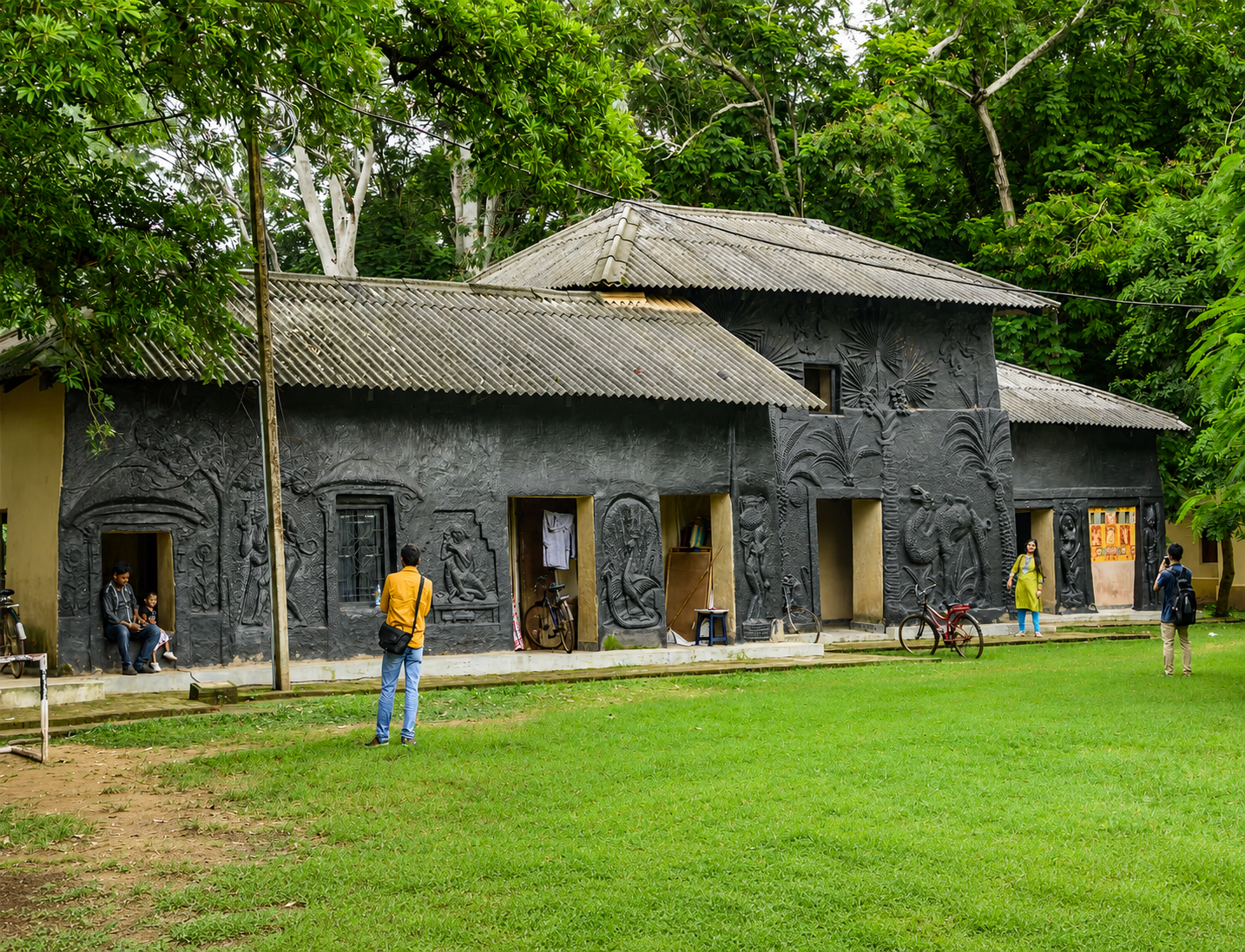
Shantiniketan: Abode Of Peace
Shantiniketan stands as one of the most culturally singular and spiritually serene destinations in India, a place whose identity is inseparable from the vision of Rabindranath Tagore, the Nobel laureate poet, philosopher, and educator who transformed a modest ashram established by his father Debendranath Tagore into one of the most extraordinary experiments in humanistic education and artistic creativity that the subcontinent has ever seen. Located in the Birbhum district of West Bengal, approximately one hundred and sixty kilometres northwest of Kolkata, Shantiniketan occupies a landscape of laterite soil, sal and palm trees, and wide open skies that Tagore found deeply congenial to the life of the mind and the spirit, and whose distinctive visual character permeates the art, poetry, and institutional architecture he created here over several decades. The destination draws literary pilgrims, art enthusiasts, cultural travelers, students, and those seeking a quality of quiet and reflective engagement with one of the most influential creative legacies in modern Indian history.
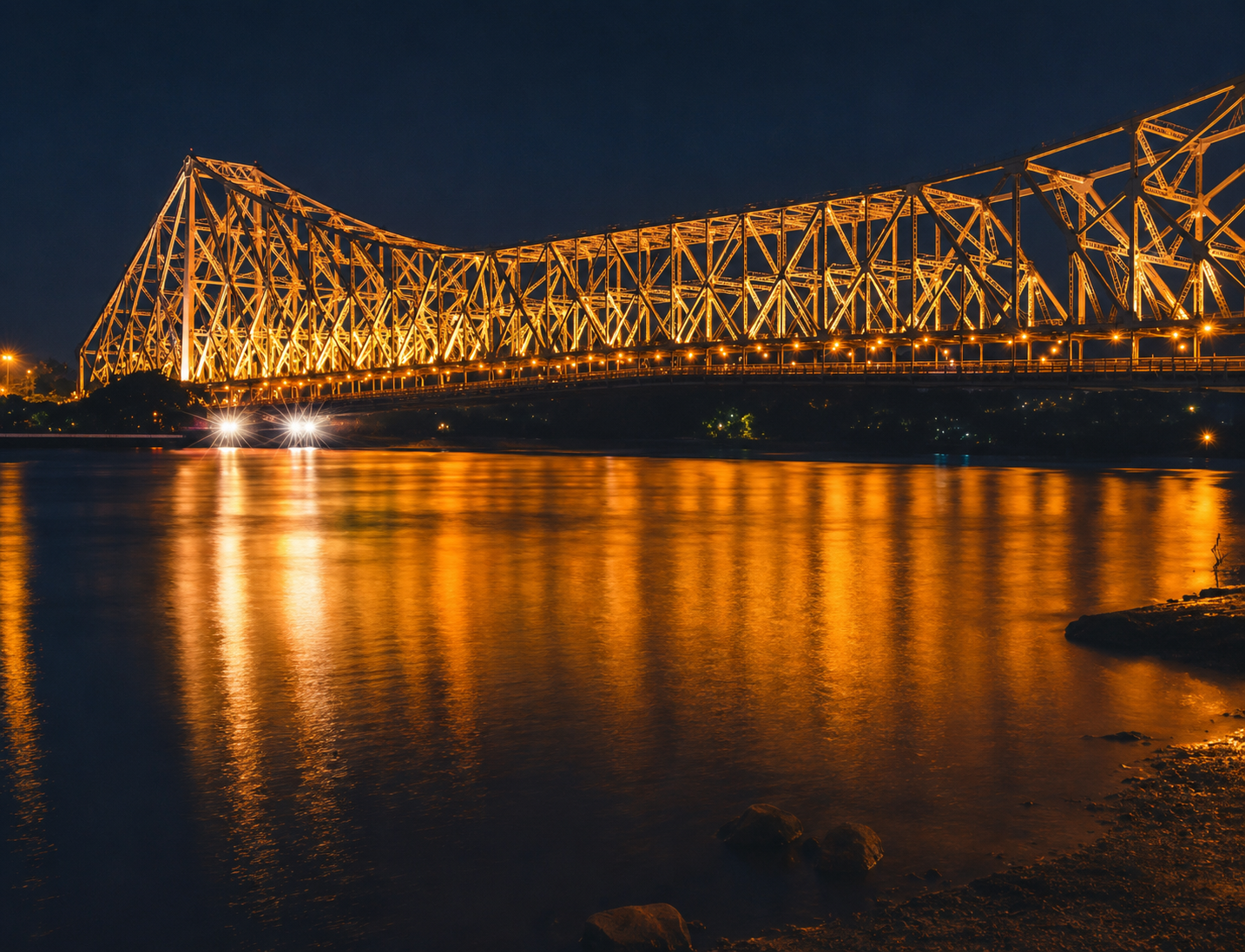
Kolkata: The City Of Joy
Kolkata stands as one of the most layered, intellectually alive, and historically significant cities in India, a metropolis whose identity has been shaped by centuries of trade, colonial transformation, political turbulence, and an extraordinarily rich tradition of literature, art, music, and philosophical inquiry that continues to animate its cultural life with uncommon vitality. Located on the eastern bank of the Hooghly river in the state of West Bengal, the city served as the capital of British India for well over a century, and the physical legacy of that period survives in a remarkable collection of colonial architecture, grand public institutions, and planned urban spaces that give Kolkata a visual character unlike any other city in the subcontinent. The destination draws historians, culture seekers, literary travelers, food enthusiasts, and those simply drawn to the particular energy of a city that has always taken its intellectual and artistic life with the utmost seriousness.
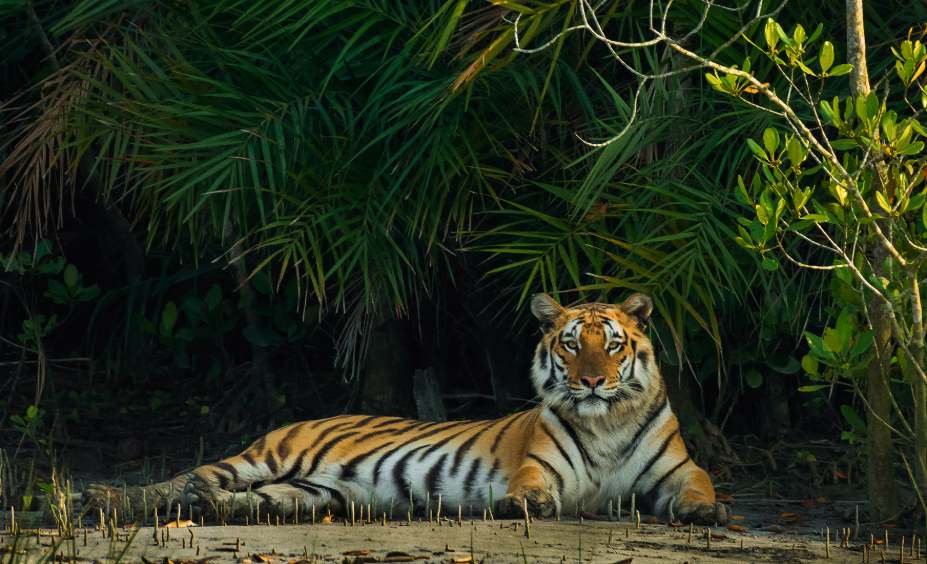
Sundarban National Park: The World's Largest Mangrove Forest
Sundarbans National Park stands as one of the most extraordinary and ecologically irreplaceable destinations in the world, a vast, labyrinthine wilderness of tidal rivers, mudflats, and mangrove forests that together constitute the largest mangrove delta on earth. Located in the South 24 Parganas district of West Bengal, straddling the border between India and Bangladesh at the mouth of the Ganges, Brahmaputra, and Meghna river systems, the Indian portion of the Sundarbans encompasses an area of nearly ten thousand square kilometres of which the national park and tiger reserve form the protected core. The destination draws wildlife enthusiasts, naturalists, photographers, and adventurous travelers from across the world, united by the prospect of encountering one of the most mythologised and genuinely dangerous wilderness landscapes remaining on the planet, home to the largest population of Royal Bengal Tigers living in a single contiguous habitat anywhere in their range.
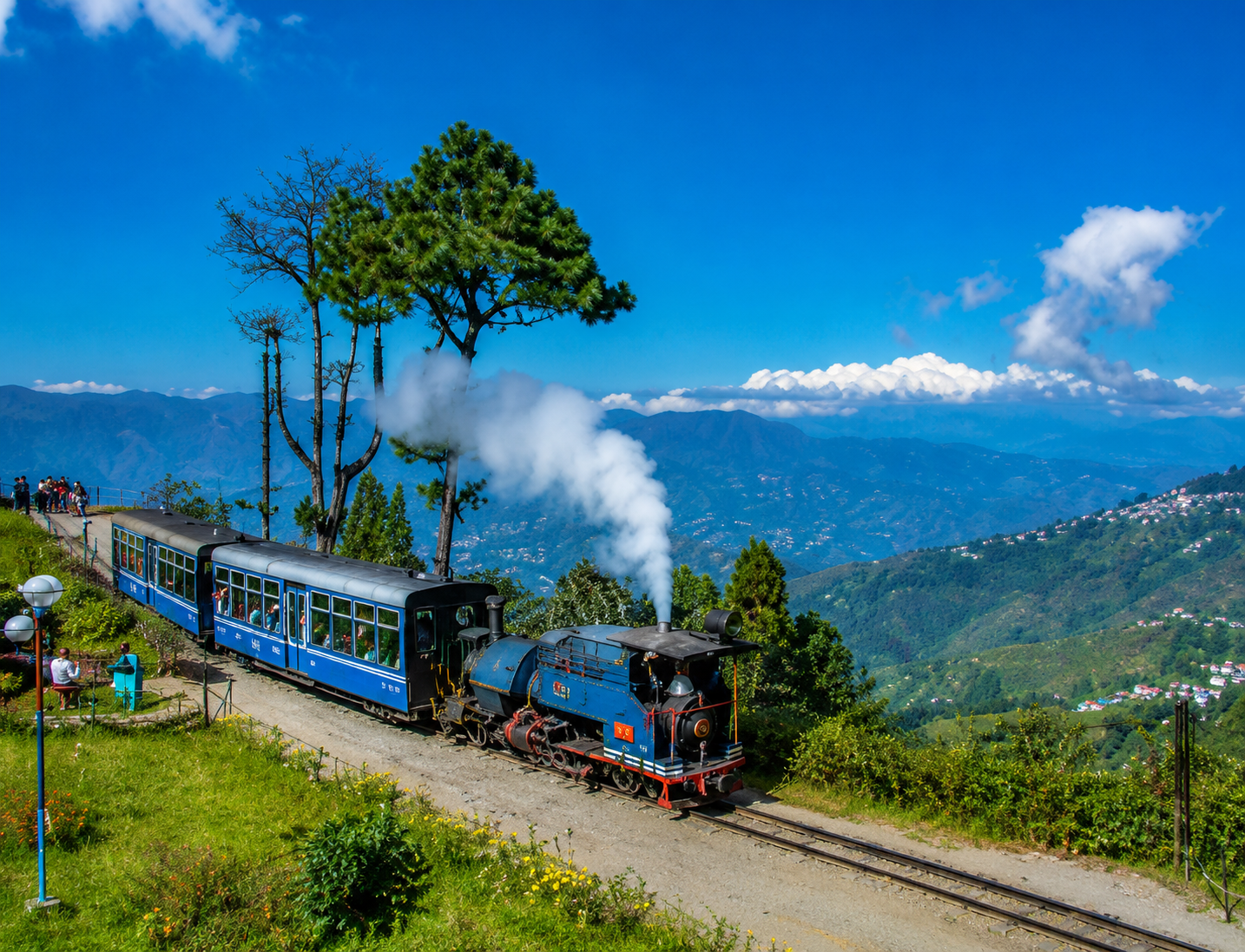
Darjeeling: The Queen Of Eastern Himalayas
Darjeeling stands as one of the most iconic and enduringly beloved hill destinations in India, a place whose name carries associations of mist-covered ridges, terraced tea gardens, colonial architecture, and one of the most celebrated mountain panoramas in the world. Located in the Darjeeling district of West Bengal, nestled in the lower ranges of the eastern Himalayas at an elevation of approximately two thousand one hundred metres, the town commands a position of remarkable natural drama, with the Kangchenjunga massif, the third highest mountain on earth, dominating the northwestern horizon on clear days with a presence that stops visitors in their tracks. The destination draws travelers from across India and the world, drawn by a combination of mountain scenery, tea culture, colonial heritage, Tibetan and Nepali cultural richness, and the unique atmosphere of a hill town that has been welcoming visitors for nearly two centuries.
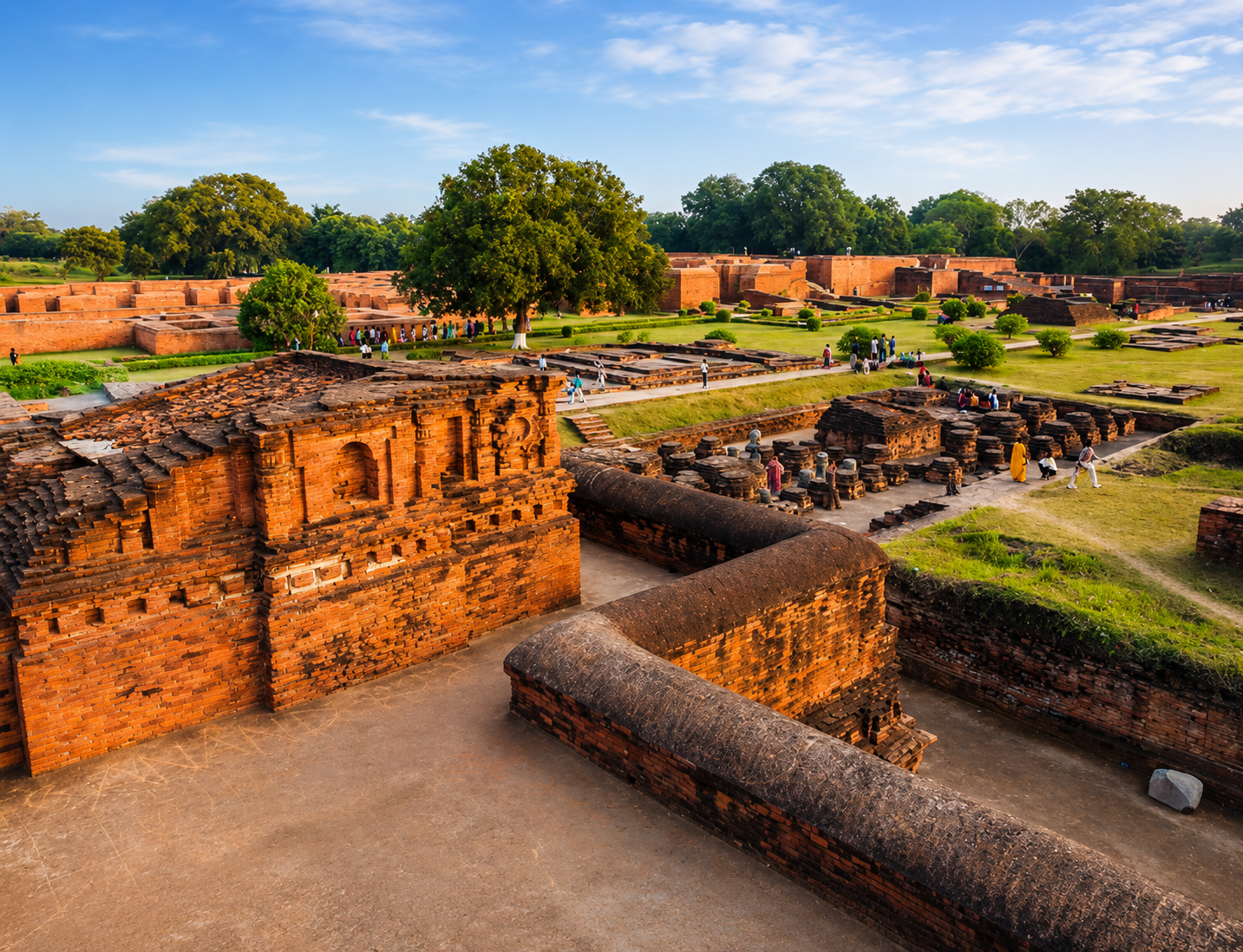
Nalanda
Nalanda stands as one of the most intellectually and spiritually resonant destinations in India, embodying the legacy of what was once the greatest centre of learning in the ancient world. Located in the Nalanda district of Bihar, approximately ninety kilometres southeast of Patna, the site preserves the magnificent ruins of a monastic university that flourished for several centuries before its destruction in the twelfth century. The destination draws scholars, Buddhist pilgrims, historians, and curious travelers from across the globe, drawn by a landscape of beautifully excavated monasteries, temples, and lecture halls that speak to a civilization of extraordinary intellectual ambition.
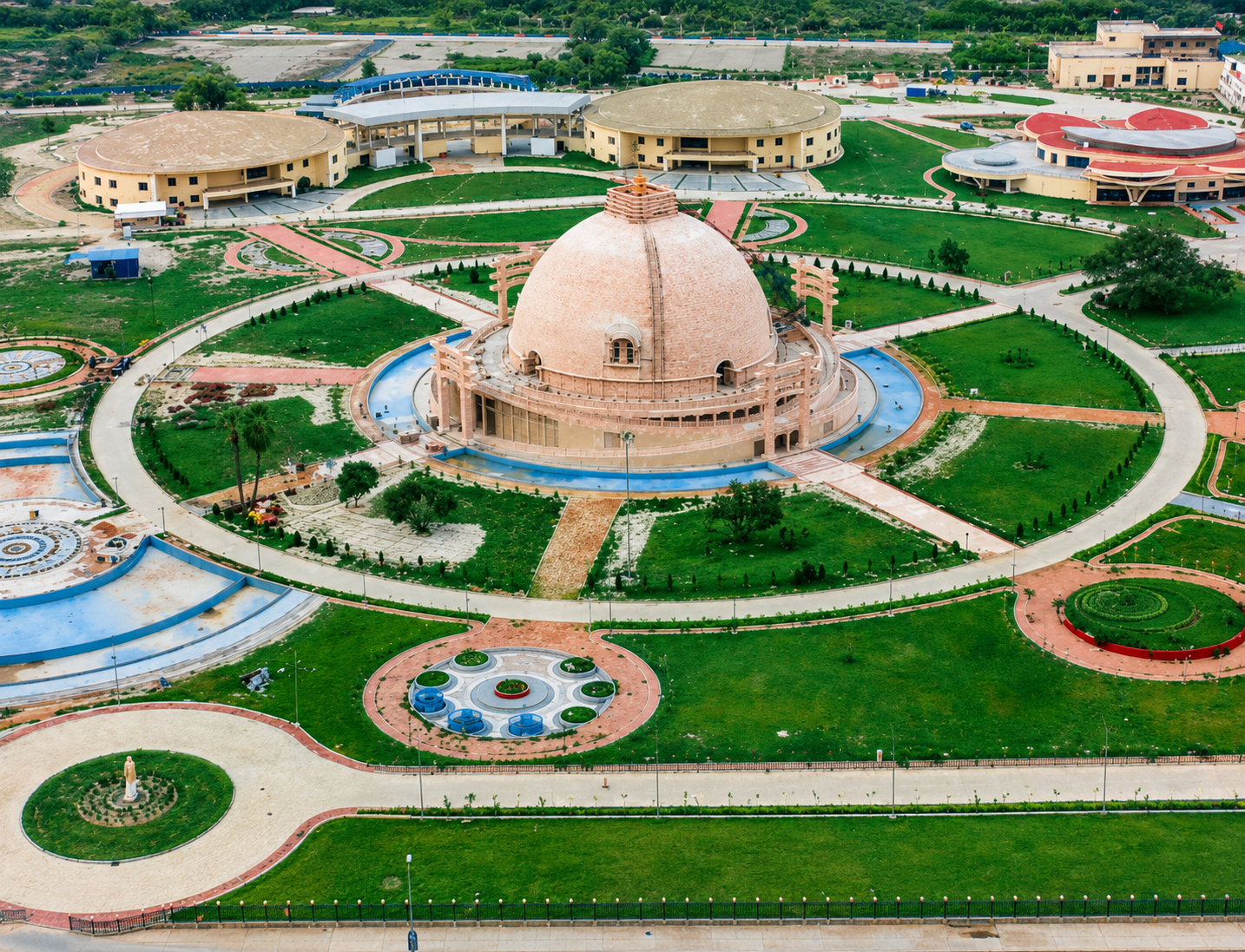
Vaishali
Vaishali stands as one of the most historically profound and spiritually layered destinations in India, carrying the distinction of being recognised as one of the world's earliest republics and a place of deep sacred importance across both Buddhist and Jain traditions. Located in the Vaishali district of Bihar, approximately fifty-five kilometres north of Patna on the banks of the Gandak river plain, the site preserves a remarkable collection of ancient monuments, sacred tanks, and archaeological remains spread across a flat, fertile landscape that has been continuously inhabited since the sixth century BCE. The destination draws pilgrims, historians, and heritage travelers from across Asia and beyond, united by a shared recognition of Vaishali's extraordinary place in the story of human civilization.
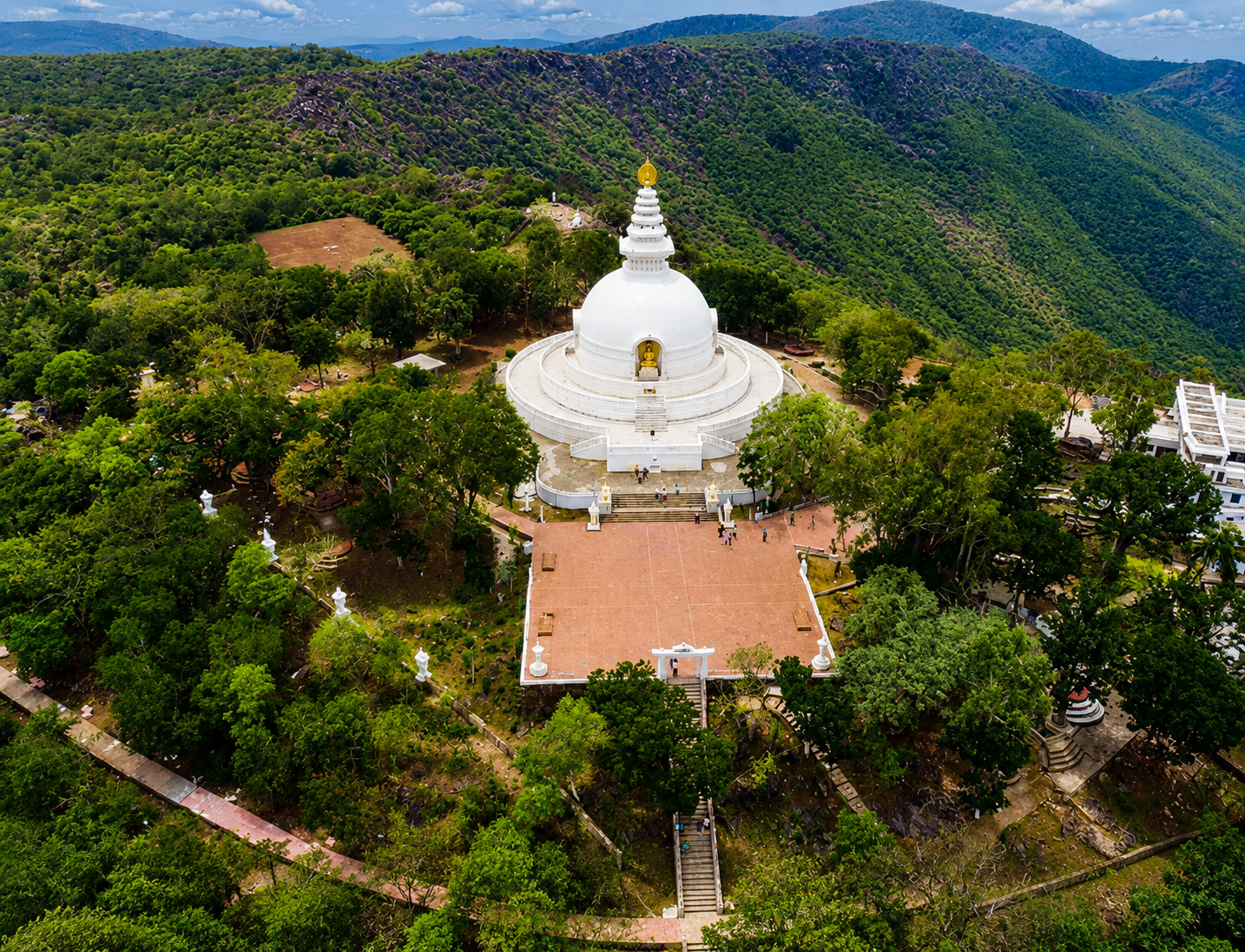
Rajgir: The City Of Kings
Rajgir stands as one of the most historically layered and spiritually significant destinations in India, representing a rare convergence of ancient political power and multi-faith pilgrimage. Situated amid a ring of low rocky hills in the Nalanda district of Bihar, Rajgir was once the capital of the powerful Magadha Empire and is closely associated with the lives of both Gautama Buddha and Lord Mahavira. The destination draws pilgrims, historians, and travelers from across the world, offering a landscape defined by ancient fortifications, sacred hilltop shrines, and a setting where successive empires and faiths have left their mark across more than two and a half thousand years.
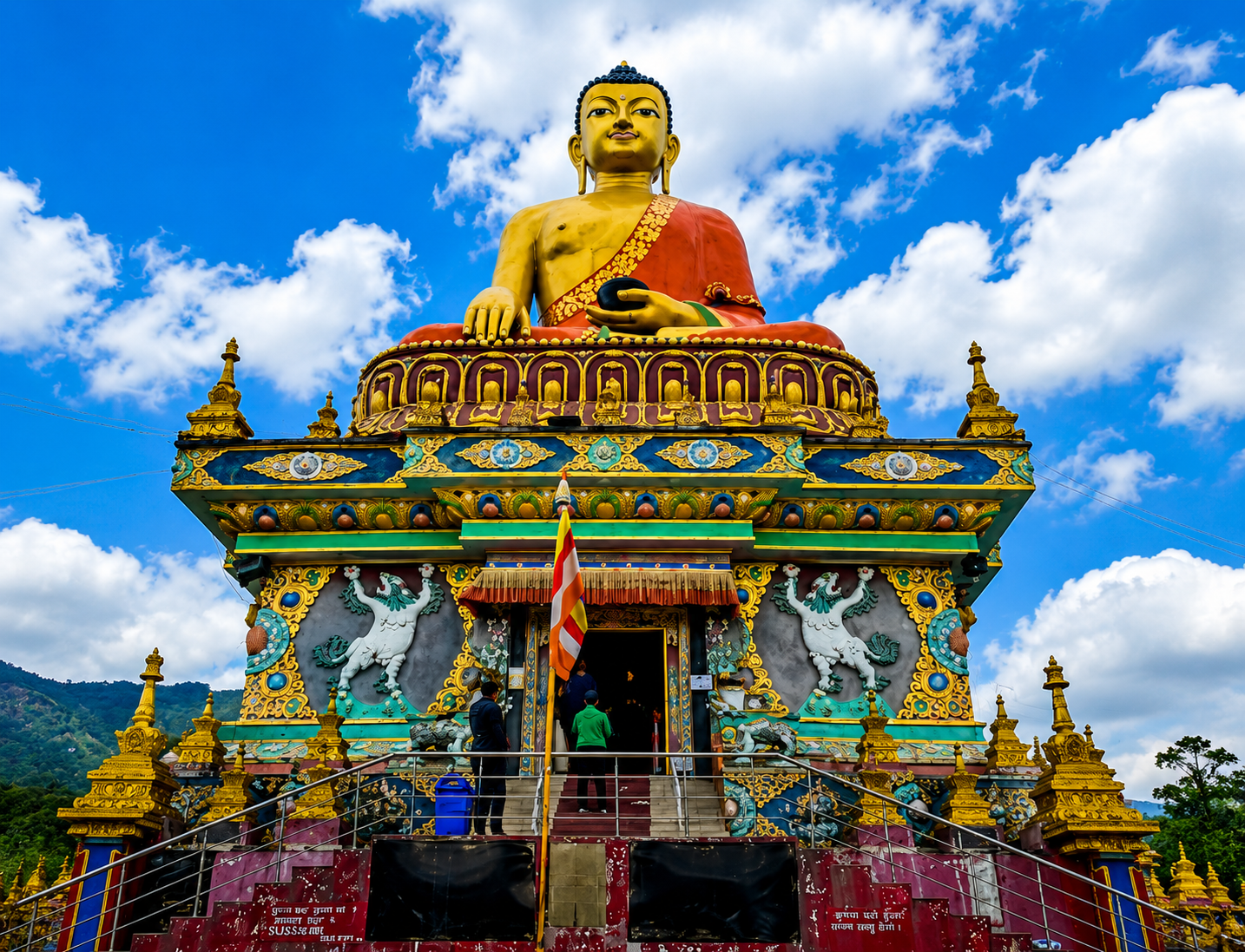
Bodh gaya: The Land Of Enlightenment
Bodh Gaya stands as one of the most spiritually profound and historically significant
destinations in India, representing far more than a place on a map. Situated on the banks of
the Falgu River in the state of Bihar, Bodh Gaya is recognized as the site where Siddhartha
Gautama attained enlightenment under a Bodhi Tree, becoming the Buddha. The destination
draws pilgrims, scholars, and travelers from across the world, offering a landscape defined by
ancient stupas, monasteries built by nations from every corner of the globe, and an
atmosphere of quiet contemplation rarely matched elsewhere.
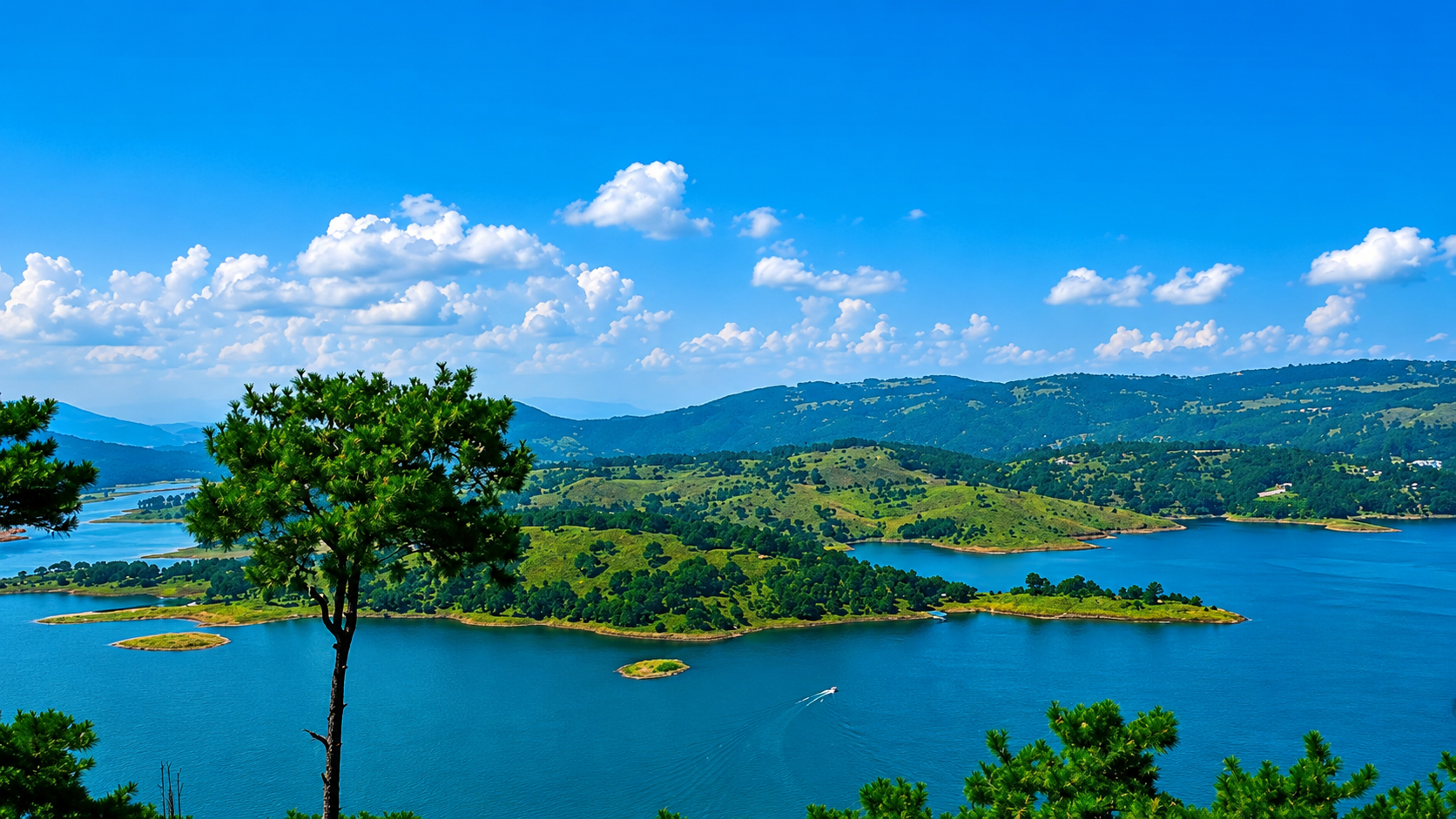
Shillong: The Scotland Of East
Shillong's nickname — the "Scotland of the East" — dates back to the colonial era, when British administrators noted the striking resemblance between the rolling hills, pine forests, and cool climate of this region and the Scottish Highlands. That comparison has stuck for good reason: Shillong's landscape, with its undulating hills covered in pine and surrounded by lakes and waterfalls, combined with a climate that remains pleasantly cool for much of the year, creates an atmosphere that genuinely feels distinct from the rest of India.
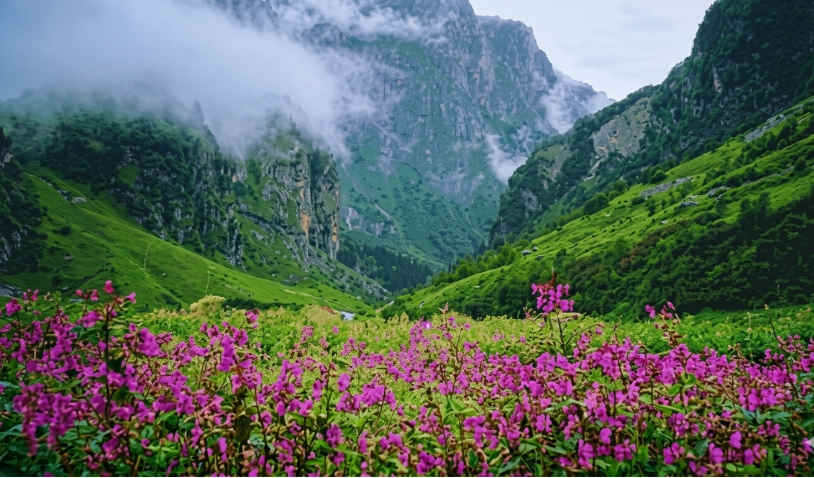
Japfu Peak: Second Highest Peak Of Nagaland
Japfu Peak holds the distinction of being Nagaland's second-highest mountain peak, making it a significant destination for trekkers seeking high-altitude experiences within the state. Beyond its elevation credentials, Japfu offers landscapes and views that reward the effort required to reach its summit, with panoramic vistas extending across the surrounding hills and, on clear days, toward more distant peaks within the broader region.
Mawlynnong: Asia's Cleanest Village
Mawlynnong has earned international recognition as Asia's Cleanest Village — a title that might initially sound like a minor curiosity but, upon visiting, reveals itself to be the result of a genuinely impressive community-wide commitment to cleanliness and environmental stewardship. Walking through Mawlynnong, visitors encounter spotless pathways, well-maintained gardens, and a level of organized cleanliness that stands in notable contrast to many other places, making the village feel almost like a carefully tended garden rather than a typical rural settlement.
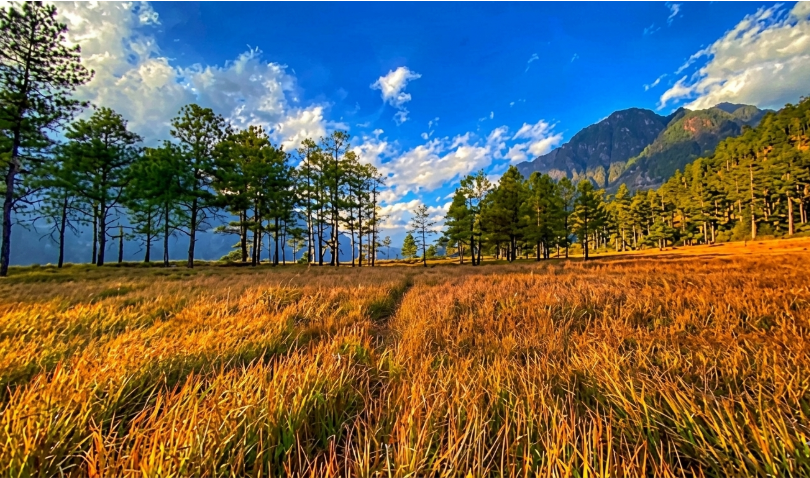
Dong Valley : The Land Of The Rising Sun
Dong Valley holds a special distinction as the point where the sun's first rays touch Indian soil each day, making it famous as India's first sunrise point. This unique geographical claim, combined with the valley's dramatic Himalayan setting, has made Dong Valley a bucket-list destination for travelers and photographers eager to witness this moment in person.
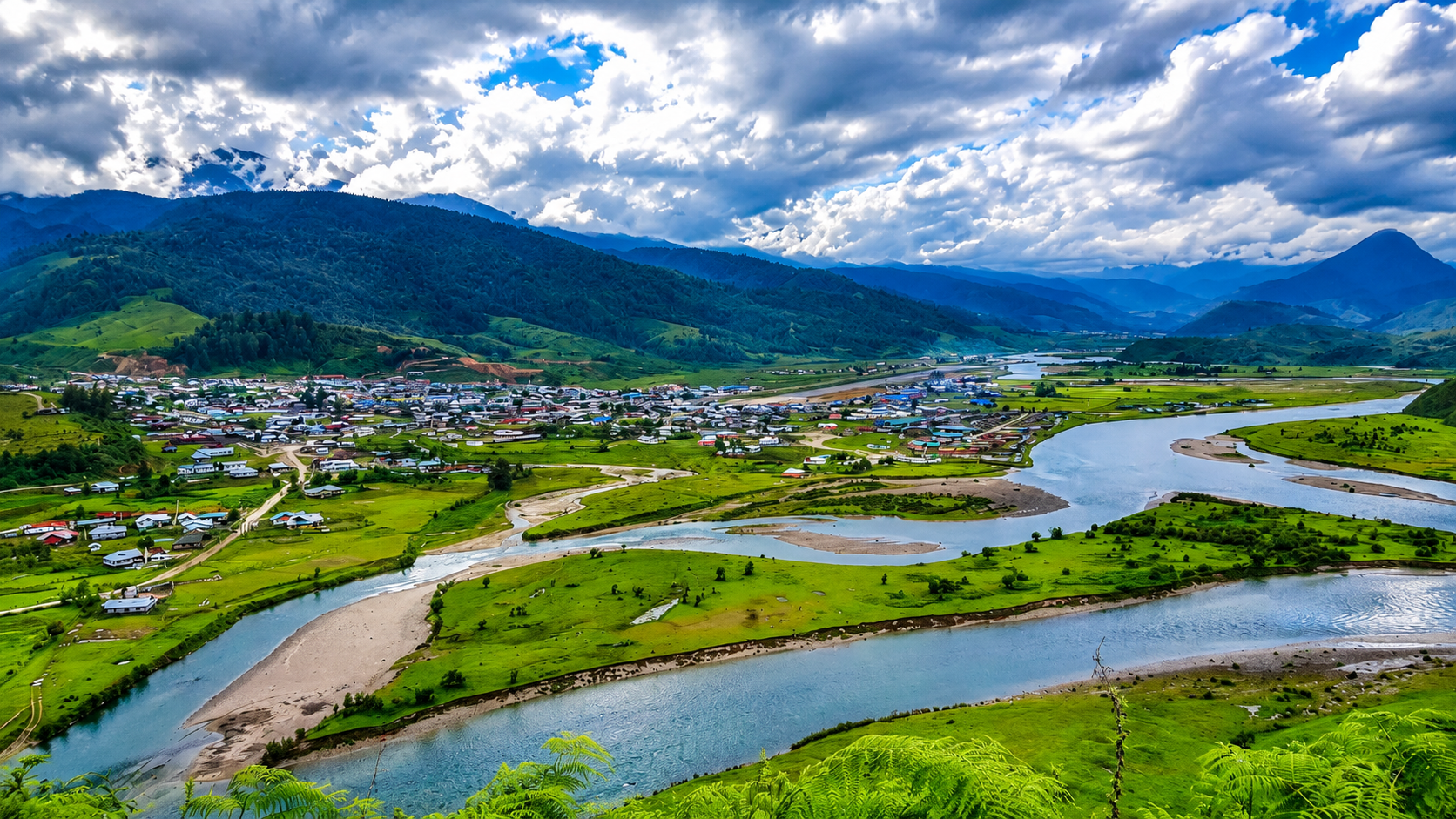
Mechuka: The Hidden Valley Near The Border
Mechuka offers a spectacular valley landscape near the Indo-China border, combining dramatic mountain scenery, a significant river, and rich tribal culture into one of Northeast India's most visually striking destinations. Increasingly recognized among travelers seeking scenic beauty combined with adventure and cultural depth, Mechuka has emerged as one of Arunachal Pradesh's standout offerings.
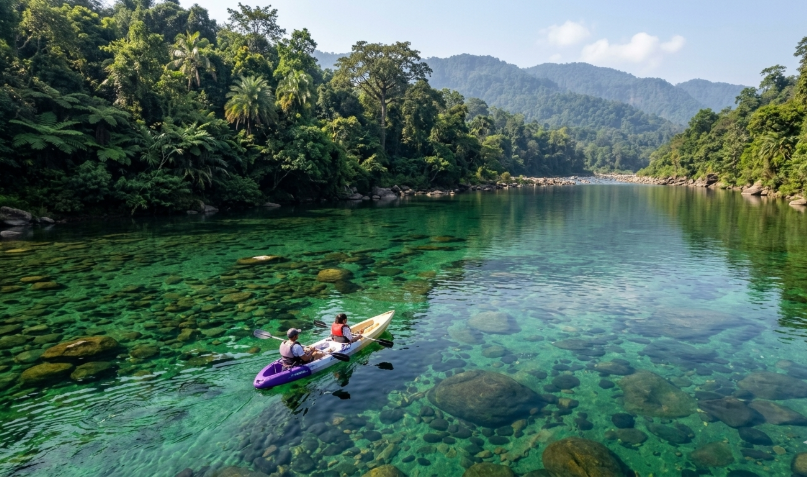
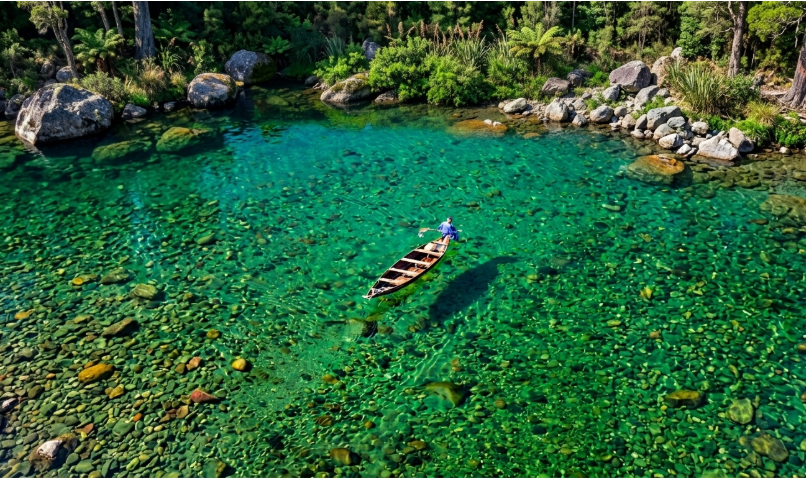
Dawki: Where The River Runs Cristal Clear
Dawki's claim to fame centers on the Umngot River, whose waters are so clear that boats appear to float on air, with their shadows visible on the riverbed below as if the vessels were suspended in glass rather than water. This phenomenon has made Dawki one of the most photographed and talked-about destinations in Meghalaya, drawing travelers eager to witness — and capture — this remarkable natural clarity for themselves.
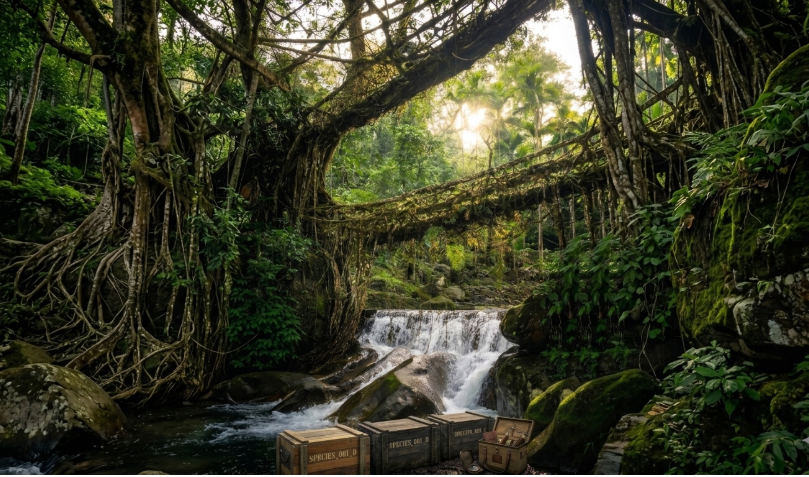
Meghalaya: The Abode Of Clouds
Meghalaya stands as one of the most hauntingly beautiful and ecologically extraordinary
destinations in India, a state whose very name — derived from Sanskrit meaning the Abode
of the Clouds — captures the essence of what it offers to every traveller who crosses into its
misty highlands. Carved out as an independent state in 1972 from Assam and situated in the
northeastern corner of India, Meghalaya occupies a landscape of rolling hills, deep river
gorges, living forests, and cascading waterfalls that together create one of the most visually
dramatic natural environments anywhere on the subcontinent.
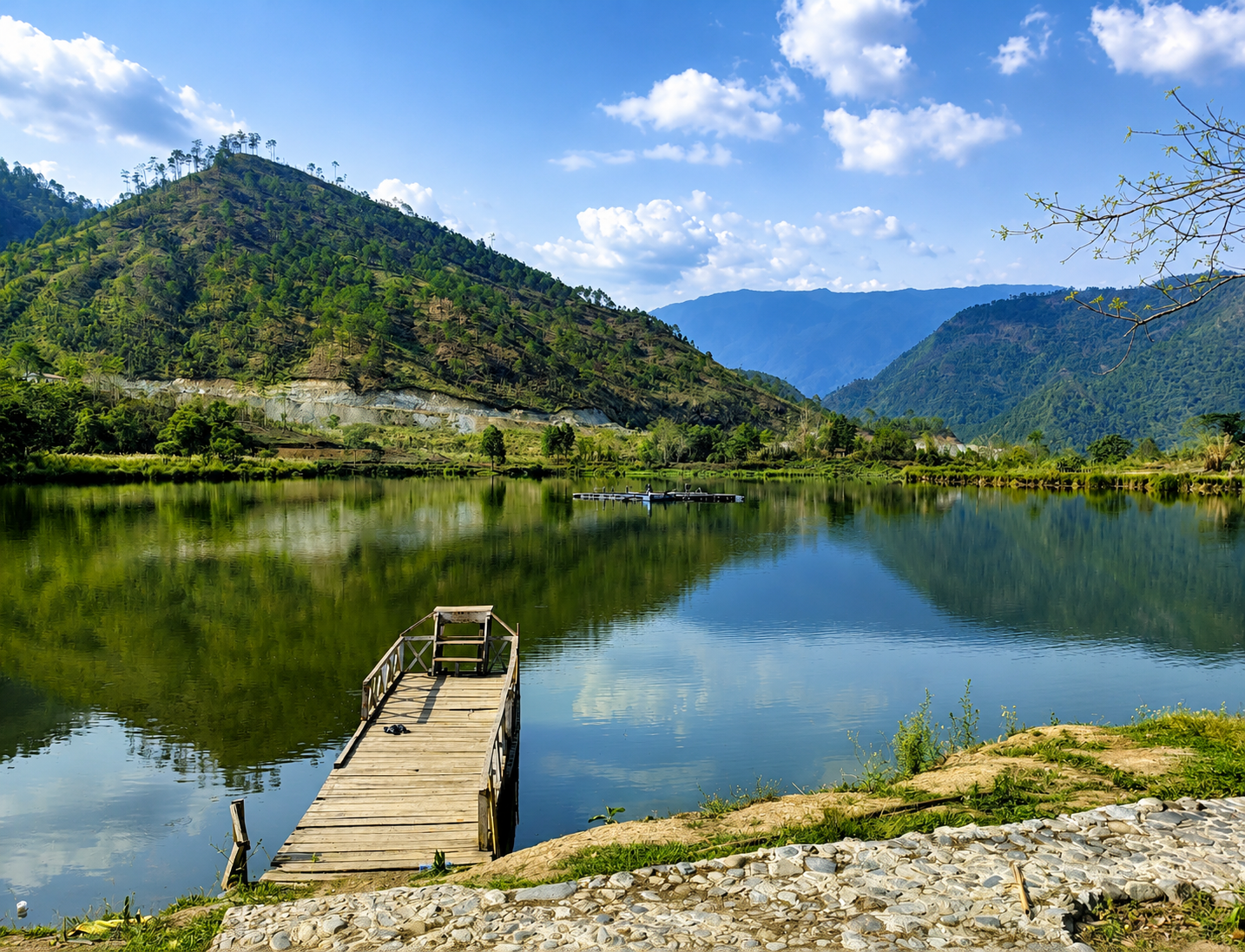
Shilloi lake: A Hidden Natural Gem
Nagaland, often overshadowed by its neighboring states in terms of tourism recognition, holds its own collection of scenic and cultural destinations that reward travelers seeking quieter, less-visited corners of Northeast India. Shilloi Lake and Wokha represent two such destinations, each offering a different facet of what the state has to offer.
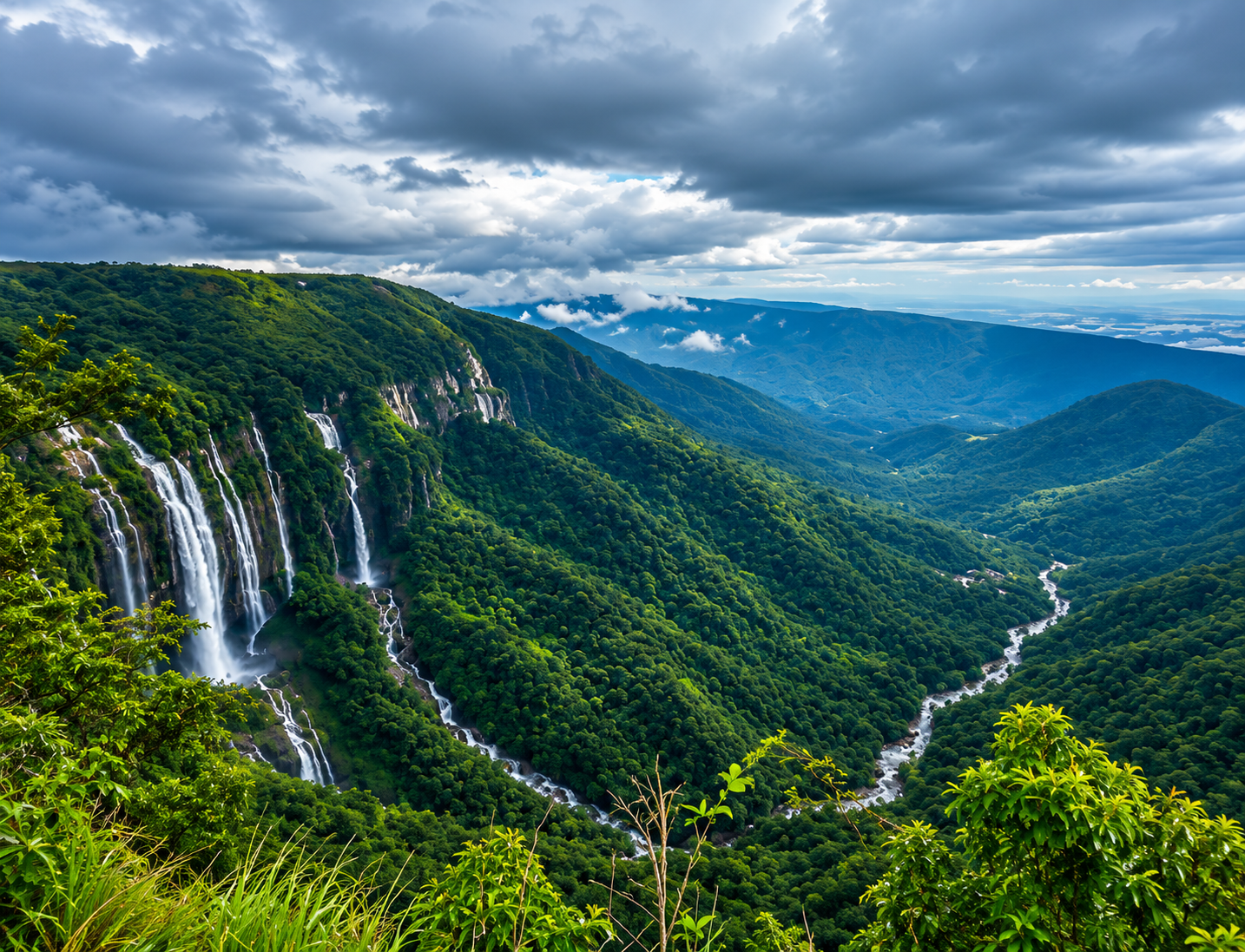
Cherrapunji: The Wettest Place On Earth
Cherrapunji's global fame rests on its extraordinary rainfall — it has long been cited as one of the wettest places on Earth, with rainfall levels that are genuinely difficult to comprehend for visitors coming from drier climates. But this isn't simply a statistical curiosity; the sheer volume of rainfall this region receives has shaped its entire landscape, creating the dramatic waterfalls, lush vegetation, and unique geological features — including the famous living root bridges — that make Cherrapunji one of Meghalaya's must-visit destinations.
Beyond the rainfall itself, Cherrapunji offers a landscape of dramatic limestone formations, deep gorges, and viewpoints that, on clear days, extend views across the plains of Bangladesh below — a reminder of just how close this region sits to the international border, and how the landscape transitions from highland Meghalaya into the lowland plains beyond
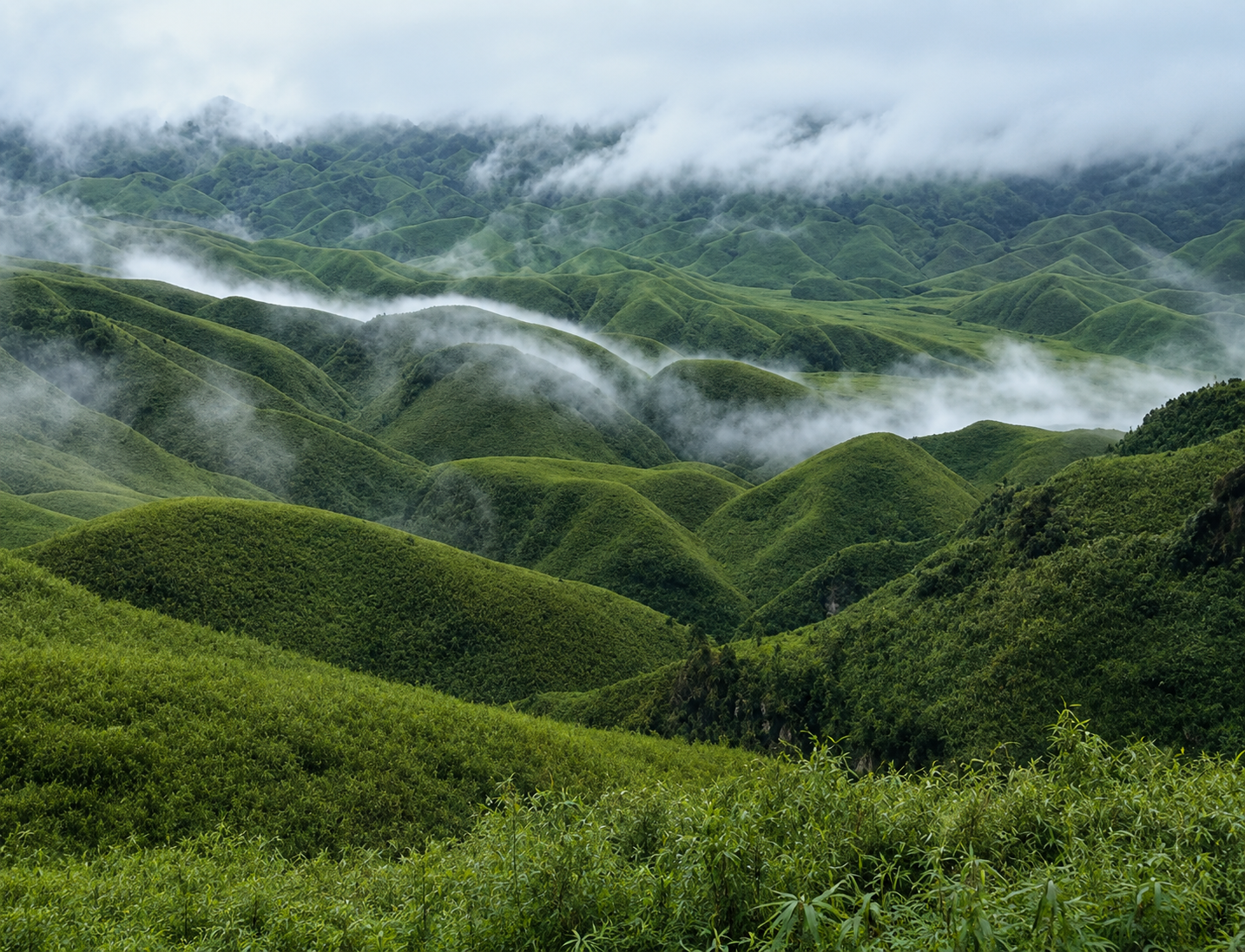
Dzukou Valley: The Valley Of Flowers
Northeast India's mountain and highland destinations continue to offer some of the country's most rewarding outdoor experiences, combining dramatic landscapes with opportunities for trekking, camping, and immersion in nature. Dzukou Valley and Japfu Peak in Nagaland, alongside the broader destination of Meghalaya, represent some of the region's most celebrated offerings for adventure travelers and nature enthusiasts alike.
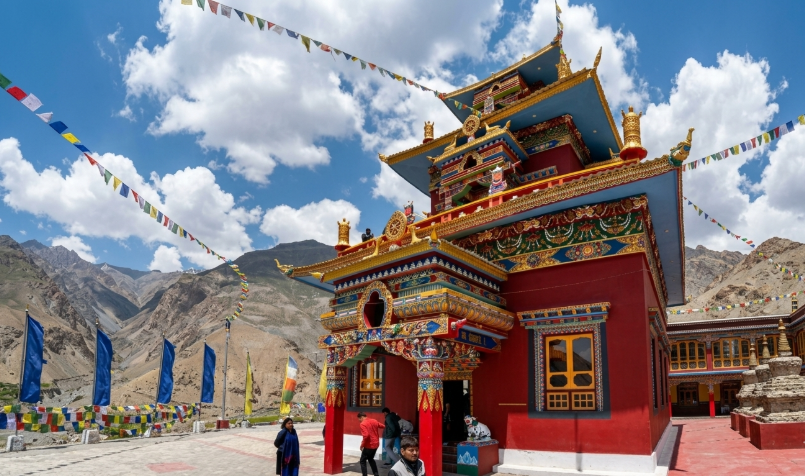
Tawang
Few destinations in India capture the imagination quite like Tawang. Set high in the mountains of western Arunachal Pradesh, this region has become synonymous with dramatic Himalayan scenery, deep Buddhist heritage, and a sense of journey that begins long before arrival. For travelers seeking a combination of spiritual depth, cultural richness, and some of the most spectacular mountain landscapes in India, Tawang consistently ranks among the most rewarding destinations in the entire Northeast.
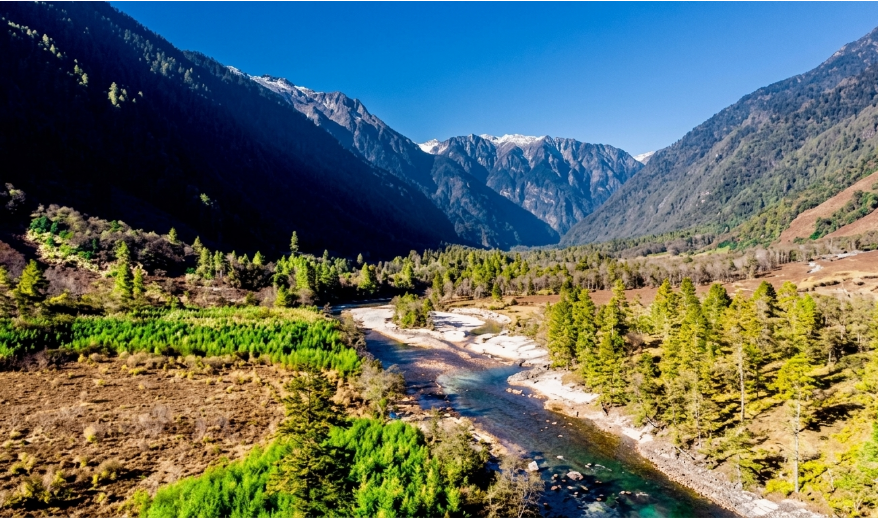
Arunachal Pradesh
For travelers seeking the most remote, unspoiled corners of India's Himalayan landscape, Arunachal Pradesh offers destinations that few have heard of and even fewer have visited. Anini, Dong Valley, and Mechuka represent some of the state's most extraordinary offerings — places where pristine nature, indigenous tribal cultures, and dramatic mountain landscapes combine to create experiences that feel genuinely off the beaten path, even by the standards of adventure travel.
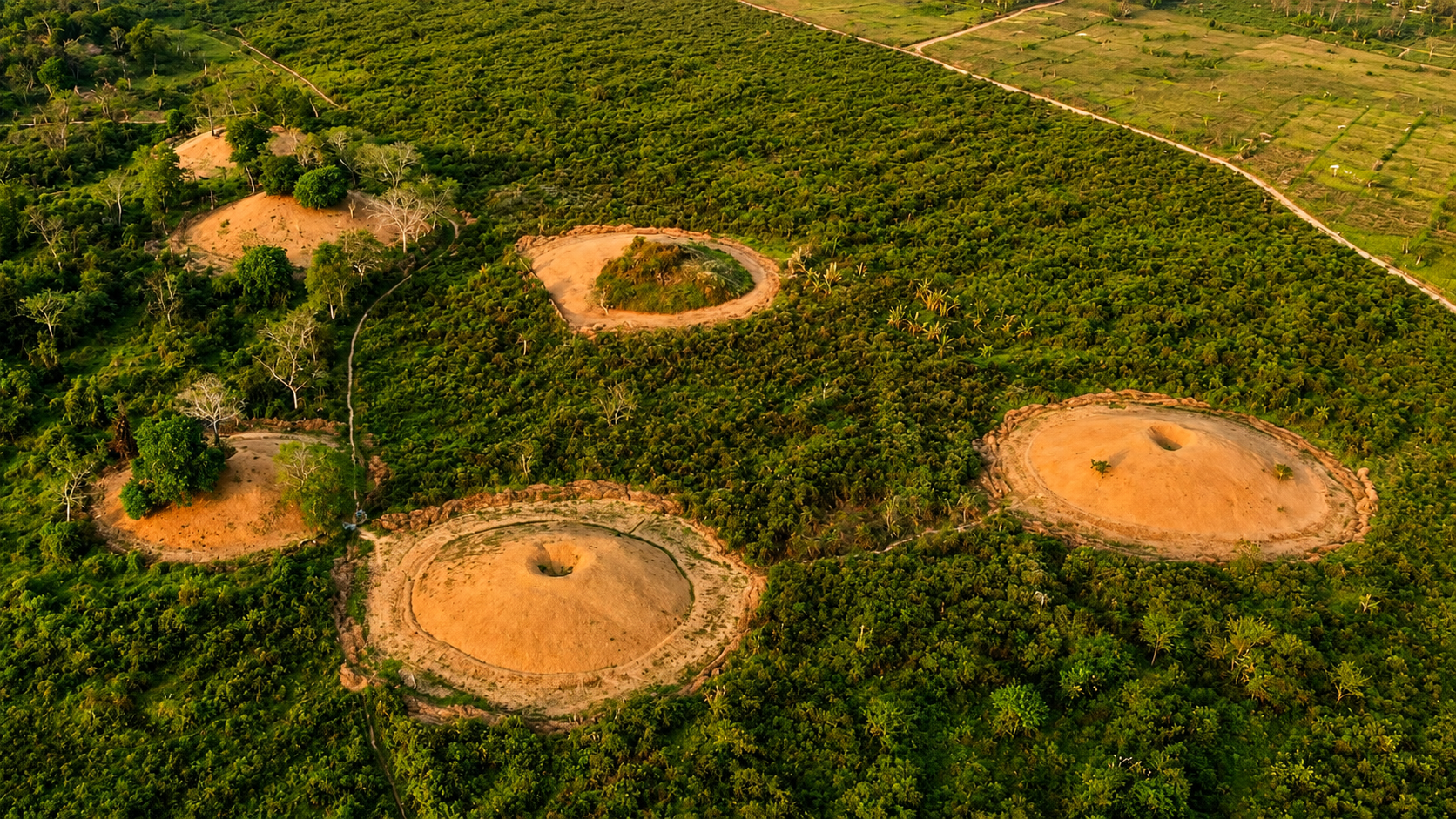
Pyramids Of Assam
While most of Assam's tourism draws on natural landscapes and ancient traditions, the Pyramids of Assam represents something different — a contemporary spiritual and wellness attraction designed around meditation and mindfulness practices, offering visitors a distinct kind of experience near Guwahati.
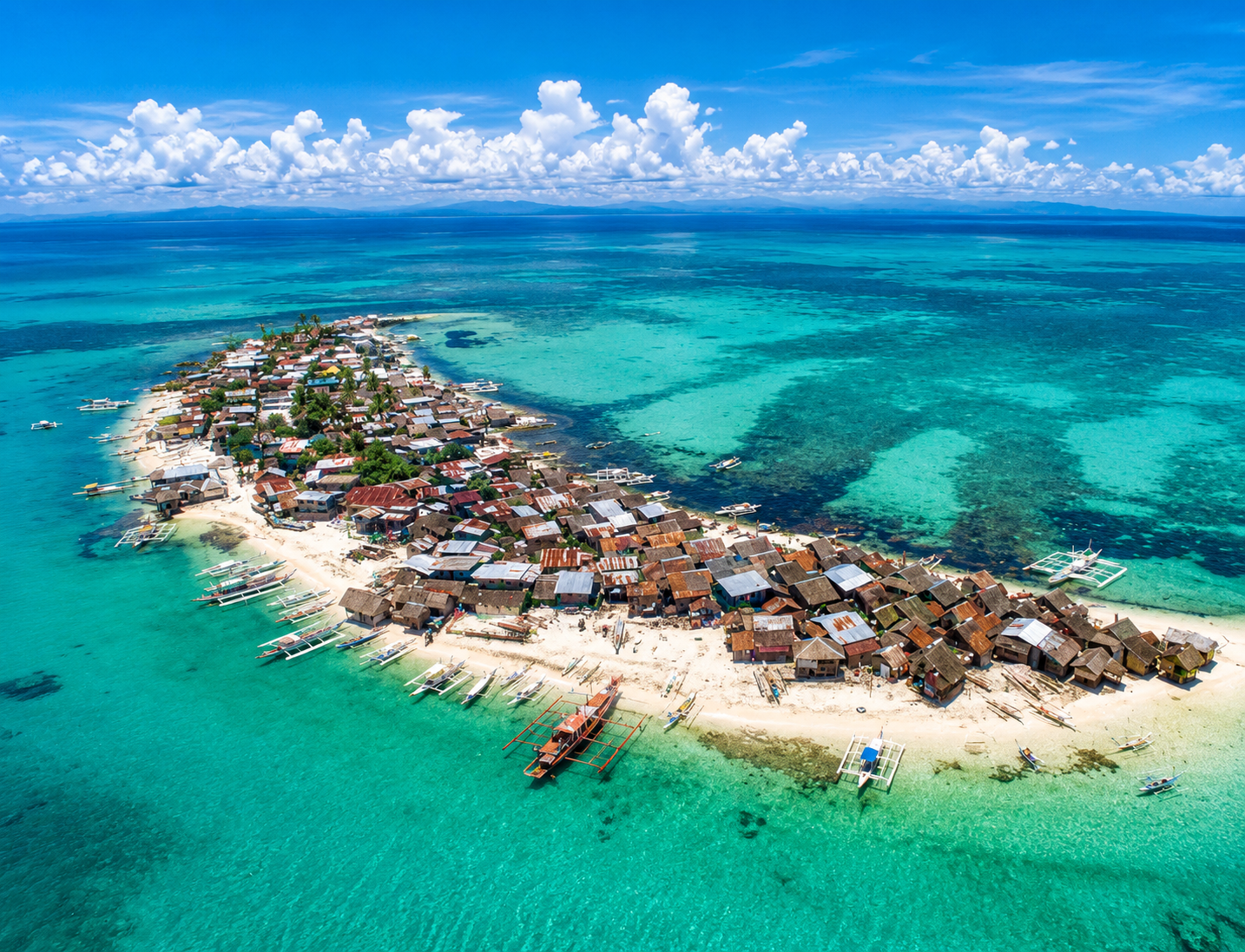
Majuli Island : The World's Largest River Island
In the middle of the Brahmaputra River, Majuli Island sits as both a geographical marvel and a cultural treasure — recognized as the world's largest inhabited river island and serving as the spiritual and cultural heart of Assamese Vaishnav traditions. For travelers seeking an experience that combines natural beauty, living heritage, and a slower, more reflective pace of travel, Majuli offers something increasingly rare: a place where centuries-old traditions continue as part of everyday life rather than as museum exhibits.
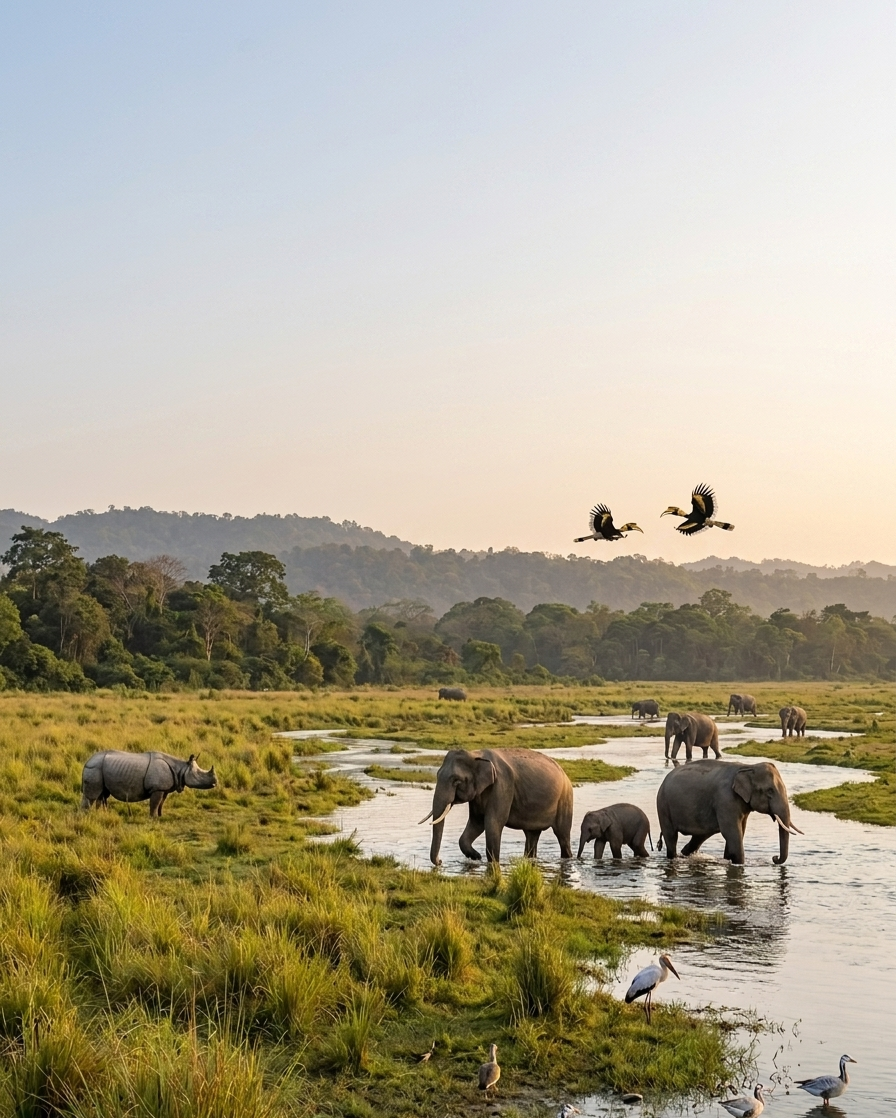
Kaziranga National Park:The World's Great One-horned rhinoceroses
Spread across the floodplains of the Brahmaputra River in Assam, Kaziranga National Park stands as one of India's most celebrated wildlife destinations and a UNESCO World Heritage Site. Renowned worldwide as the stronghold of the one-horned rhinoceros, Kaziranga offers travelers an opportunity to witness some of the most extraordinary wildlife encounters in South Asia, set against a landscape of tall elephant grass, marshlands, and dense forest that stretches to the horizon.
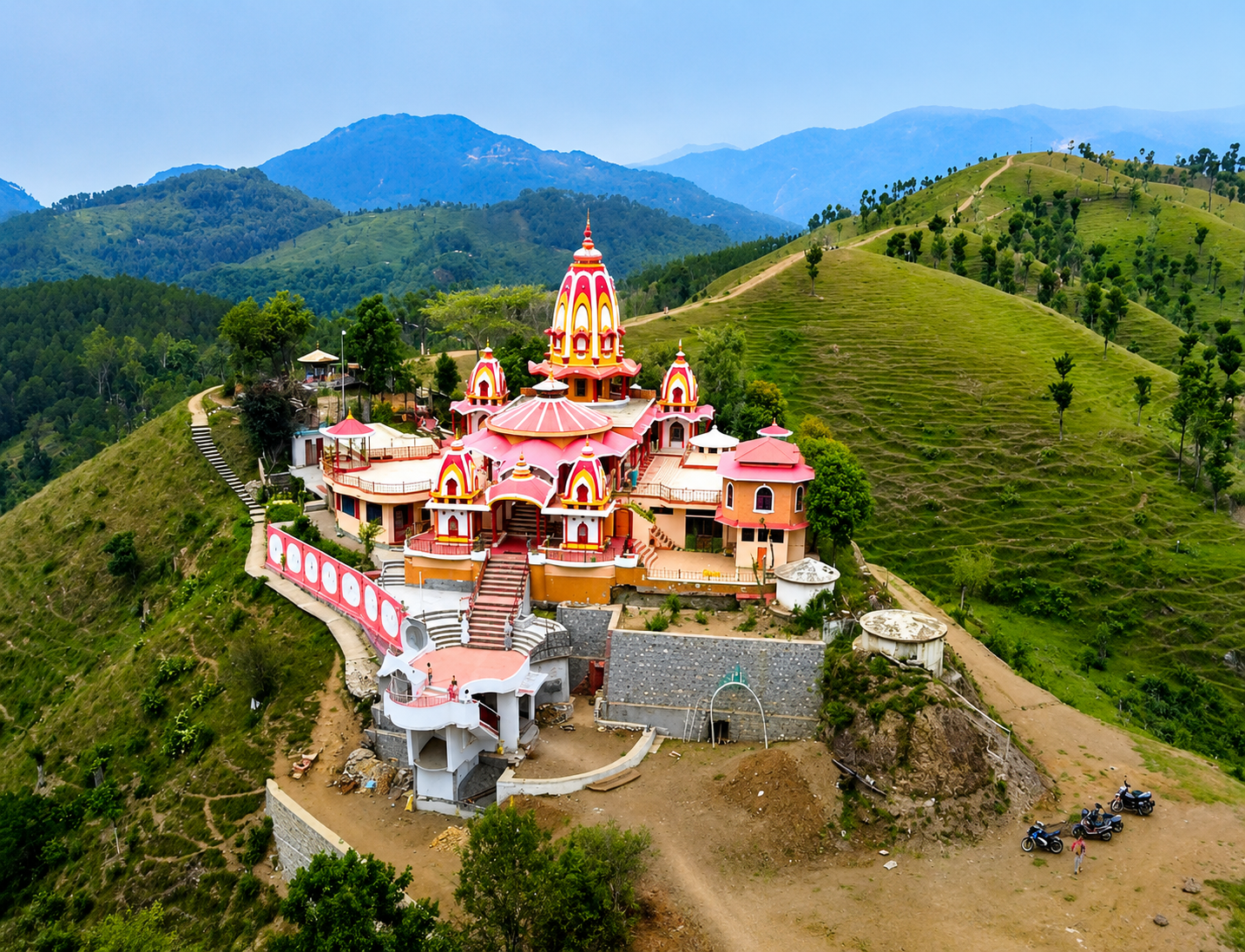
Kamakhya Devi Temple
Perched atop Nilachal Hill, overlooking the sprawling city of Guwahati and the mighty Brahmaputra River, the Kamakhya Devi Temple stands as one of India's most revered Hindu pilgrimage destinations. For millions of devotees, this is not merely a tourist stop but a deeply spiritual journey to one of the holiest sites associated with Shakti worship. For travelers interested in culture, history, and the living traditions of faith, Kamakhya offers an experience that is both visually striking and profoundly meaningful.
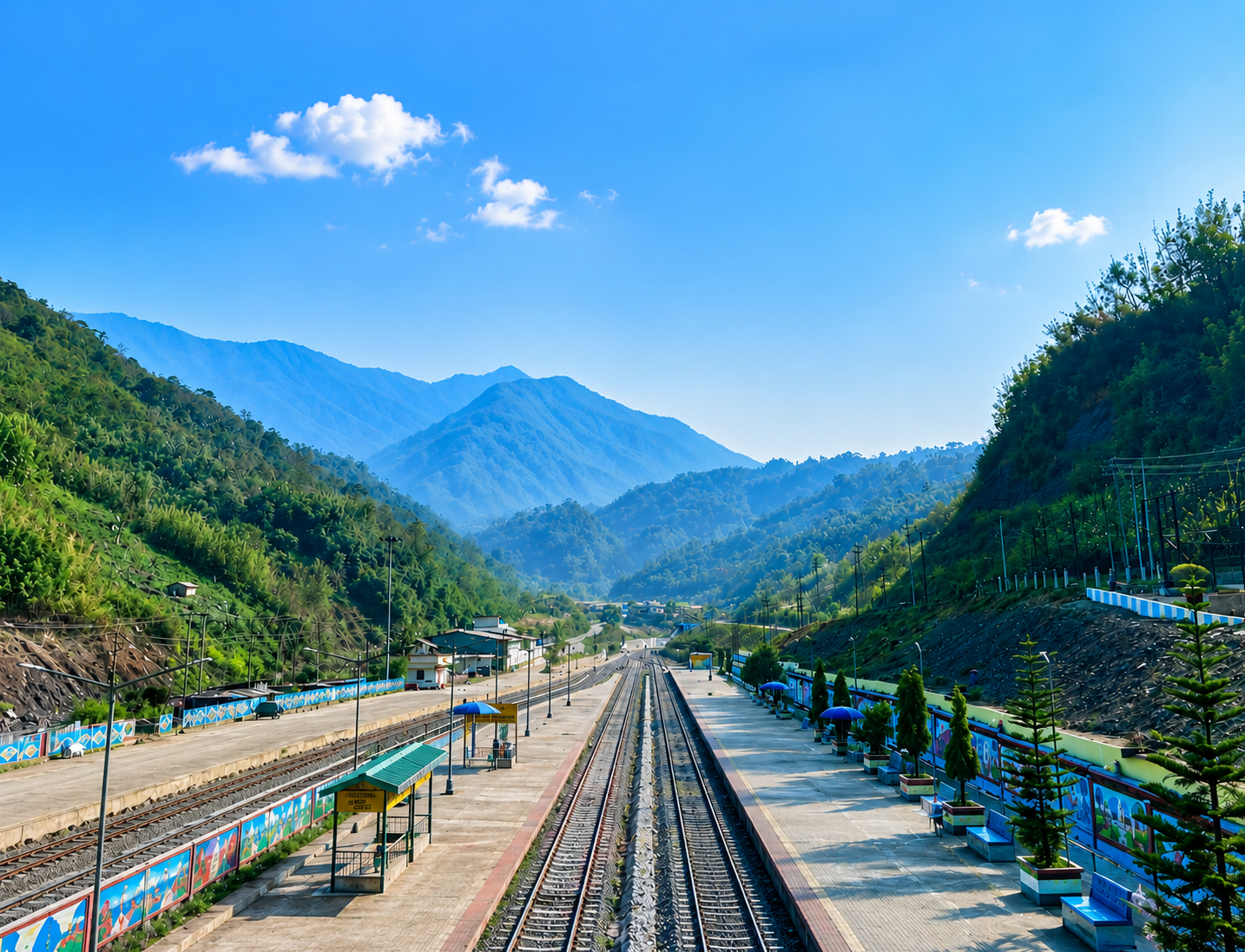
Haflong : The Only Hill Station Of Assam
Tucked away in the Dima Hasao district of Assam, Haflong holds a unique distinction — it is
the only hill station in the entire state, and arguably one of the most underrated destinations in
Northeast India. While neighboring states like Meghalaya and Sikkim have become firmly
established on the tourist map, Haflong remains wonderfully under the radar, offering
travelers a rare combination of natural beauty, cultural authenticity, and a sense of genuine
discovery that becoming increasingly hard to find elsewhere.
A Land Shaped by Hills, Lakes, and Forests
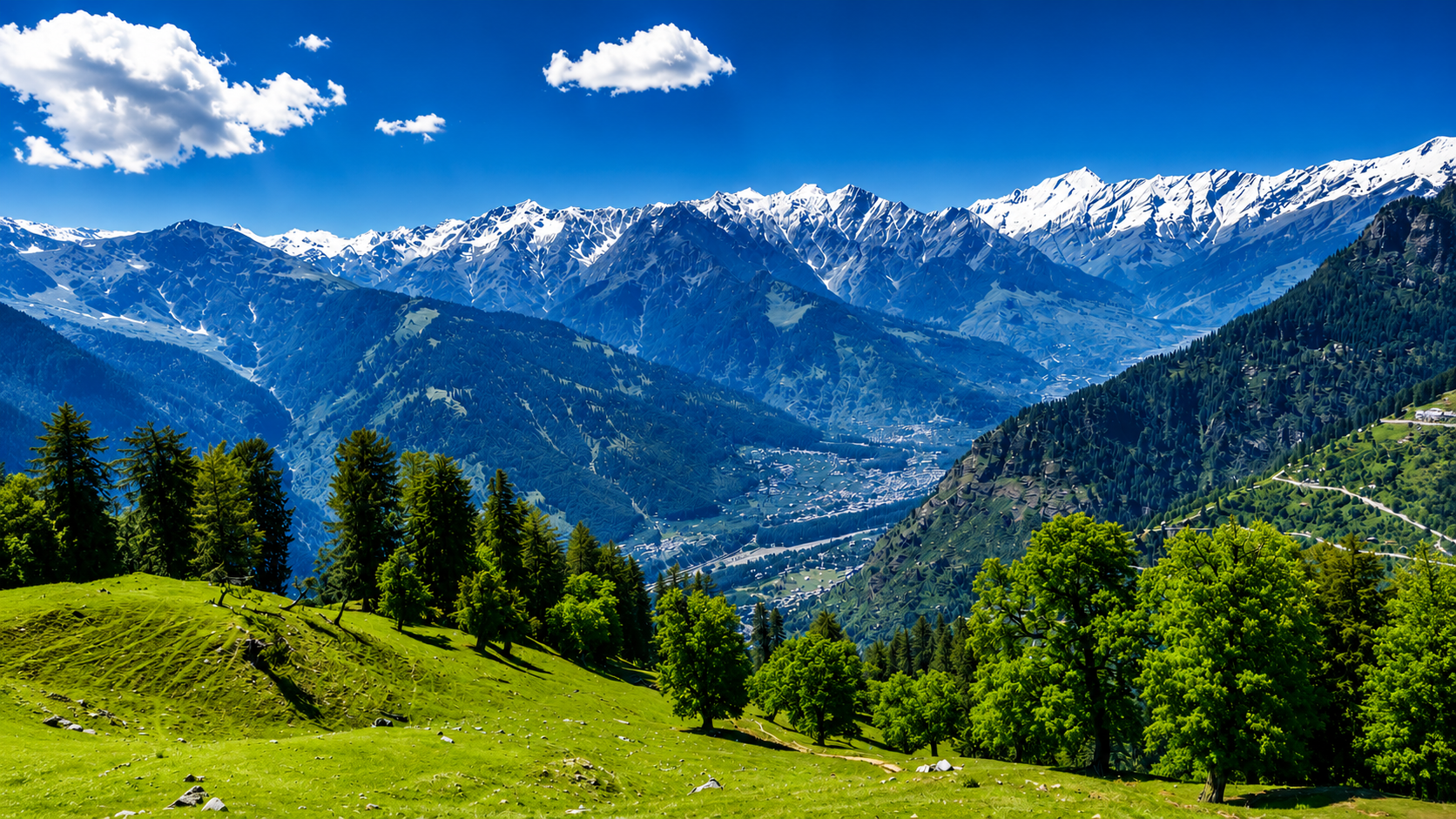
Ziro Valley: The Land Of The Legendary Apatani Tribes
The northeastern states of India continue to reveal destinations that combine cultural depth
with striking natural beauty, often in ways that remain largely undiscovered by mainstream
tourism. Ziro Valley in Arunachal Pradesh, along with Shilloi Lake and Wokha in Nagaland,
represent exactly this kind of opportunity — places where indigenous culture, scenic
landscapes, and a sense of genuine discovery come together for travelers willing to venture
slightly off the conventional path.
Ziro Valley: Where Culture and Landscape Converge
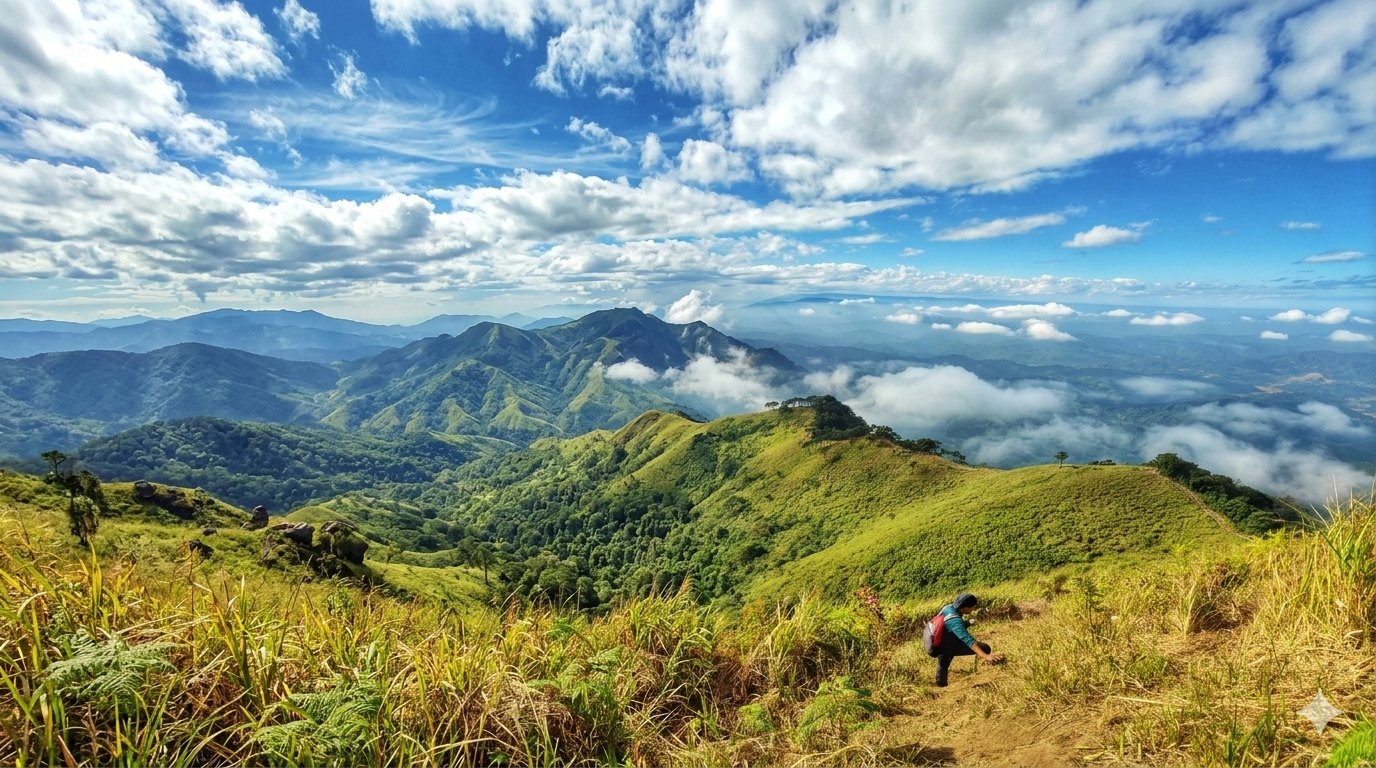
Tumjang Valley: An Authentic Window into Tribal Life
Away from Arunachal Pradesh more well-known attractions, Tumjang Village offers
something different — a hidden tribal village that provides one of the most genuine rural and
cultural experiences available in the region. For travelers interested in experiential and rural
tourism, Tumjang represents an opportunity to step away from typical sightseeing and into
the rhythms of everyday community life.
Get In Touch
We are a specialist B2B Destination Management Company (DMC) with over 17 years of operational experience across India. We work exclusively with travel agencies, tour operators, and wholesalers in the USA, UK, and Europe handling every aspect of ground operations so your programs run smoothly, your clients are safe, and your brand reputation stays protected.
Ocean Trip Makers Pvt. Ltd., All right reserved.
Designed & Developed By Random Soft Solution