```html
📖 Overview
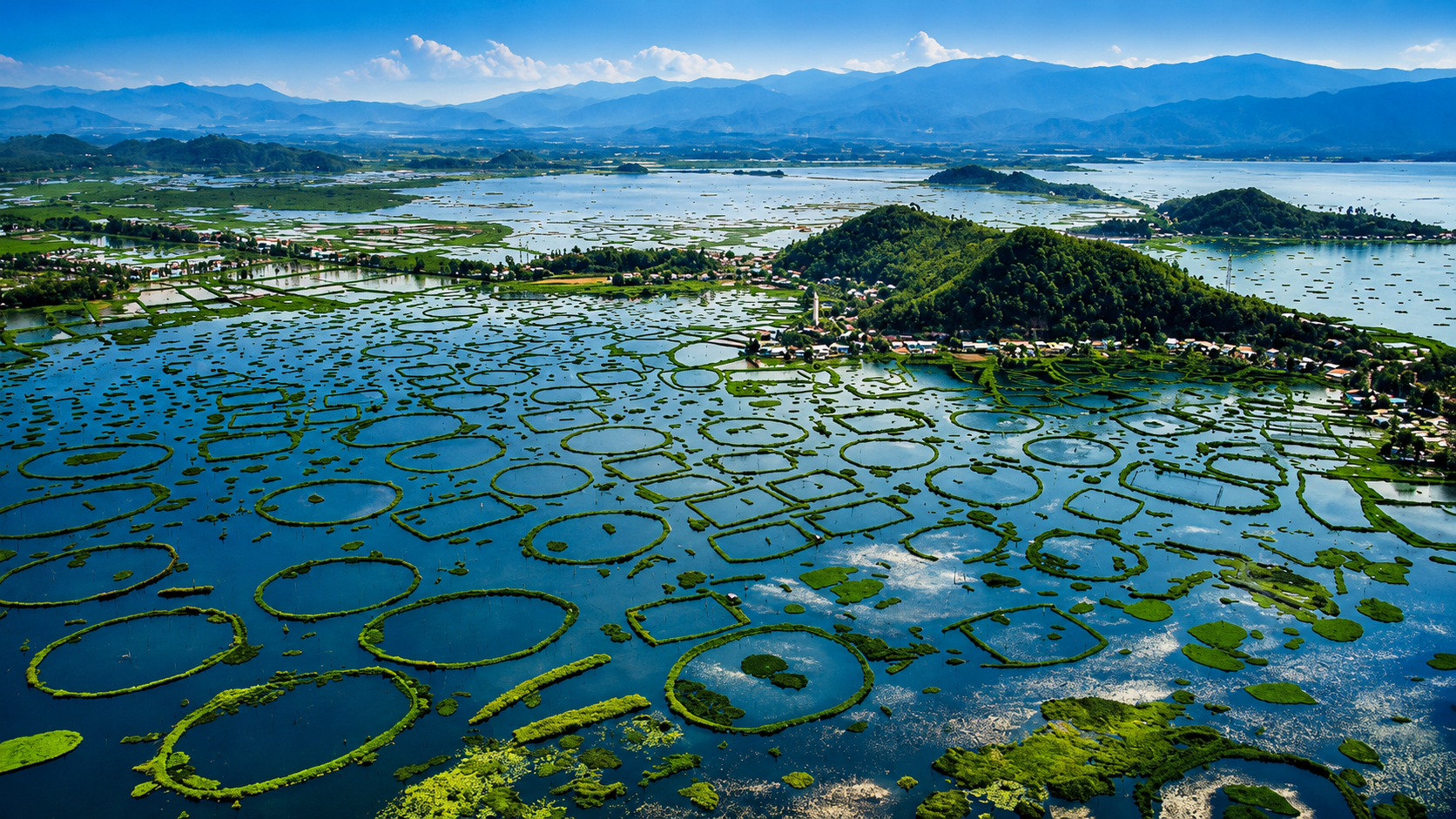
Loktak Lake stands as one of the most ecologically extraordinary and visually captivating destinations in northeastern India, representing the largest freshwater lake in the entire region and a wetland landscape of global biological significance that supports a way of life, a unique natural phenomenon, and a critically endangered wildlife population found nowhere else on earth. Situated in the Bishnupur district of Manipur, spread across a broad valley basin in the heart of the state, Loktak is a destination of singular and irreplaceable natural character, offering a landscape defined by the remarkable floating islands known as phumdis, expanses of open water reflecting the surrounding hills, the thatched huts of the Meitei fishing communities built directly upon the floating biomass, and an atmosphere of serene and ancient intimacy between a human community and its watery landscape that has persisted for generations beyond counting. The destination draws ecologists, wildlife enthusiasts, cultural travelers, and photographers from across the country and the world, offering an encounter with a living landscape where the boundaries between land, water, and human habitation dissolve into a single continuous and extraordinary natural whole.
What distinguishes Loktak Lake from other wetland and lake destinations in India is not merely its size or scenic beauty, but the unique combination of the phumdi phenomenon, the presence of the critically endangered Sangai deer found nowhere else in the world, the living fishing community culture built upon the floating islands, and the deeply distinctive northeastern cultural landscape embedded within and around its shores. The lake is anchored by the Keibul Lamjao National Park, the only floating national park in the world, which occupies a section of the southern lake where the phumdis are at their thickest and most extensive and provides the last remaining natural habitat of the brow-antlered Sangai, Manipur's state animal and one of the rarest deer on the planet. This layered character elevates Loktak Lake beyond a simple natural attraction into a destination of profound ecological urgency, cultural richness, and natural wonder that is genuinely without parallel anywhere in India.
⭐ Why Visit Loktak Lake
The recognition of Loktak Lake as a Ramsar Wetland of International Importance reflects its unparalleled significance within the global conservation and ecological landscape, acknowledged as one of the most biologically productive and ecologically distinctive freshwater wetlands in all of Asia. Unlike conventional lake destinations or managed wildlife reserves, Loktak offers a cohesive experience where a living human community, a unique floating island ecosystem, critically endangered wildlife, and the broad expanse of the largest freshwater lake in northeastern India work together to create a destination of exceptional ecological and cultural complexity.
One of the most compelling reasons to visit is the phumdi phenomenon itself, a natural occurrence found in this form at no other lake in the world. These floating mats of heterogeneous mass of vegetation, soil, and organic matter, some reaching thicknesses of several metres and areas of considerable extent, create an entirely unique landscape character where islands of living biomass drift slowly across the lake surface, supporting not only the rich plant and animal communities of the wetland ecosystem but also the constructed dwellings and fishing installations of the Meitei communities who have built their lives upon them across generations. Walking or boating among the phumdis offers a sensory and experiential encounter with a way of life and a natural phenomenon of absolute rarity.
Additionally, Loktak Lake showcases a profound sense of cultural depth through its intimate and centuries-long association with the fishing communities of the lake, whose traditions of phumdi construction, circular fishing trap installation known as athaphum, and the distinctive material culture of life on the floating islands represent a human adaptation to a wetland environment of remarkable ingenuity and enduring vitality. The combination of global ecological significance, unique natural phenomena, critically endangered wildlife, and the living cultural traditions of the lake communities further strengthens its appeal as a destination of irreplaceable and deeply moving natural and human discovery.
🏞️ Key Highlights Within the Area
Among the natural landmarks, the phumdis themselves stand out as the most iconic and entirely distinctive feature of Loktak Lake. Floating across the lake surface in formations of varying size and density, these organic islands present a visual experience unlike any other wetland landscape in India, with their surface vegetation of reeds, grasses, and shrubs creating a continuous green texture that contrasts with the open water between the floating masses and the distant ring of hills enclosing the lake basin. Moving through the phumdis by boat, with the floating islands pressing close on either side and the lake opening ahead, offers an intimate and disorienting encounter with a landscape that operates entirely outside the normal categories of land and water.
The Keibul Lamjao National Park, occupying the southern portion of the lake where the phumdis reach their greatest extent and thickness, is another landmark of exceptional significance. As the only floating national park in the world, this protected area provides the last natural refuge of the Sangai, the brow-antlered deer whose splayed hooves are adapted specifically for movement across the soft and yielding surface of the phumdi. Sightings of the Sangai moving with extraordinary delicacy across the floating biomass of the park represent one of the rarest and most moving wildlife encounters available anywhere in northeastern India.
The Sendra Island, a natural island rising from the lake surface near its center and accessible by boat, adds a further scenic and atmospheric dimension to the visit. Topped by a tourism bungalow of colonial character that offers panoramic views across the full extent of the lake, Sendra provides the most comprehensive vantage point available on the water itself, connecting visitors meaningfully with the extraordinary scale and visual complexity of the Loktak landscape spread in every direction.
The visual experience of Loktak changes considerably with the seasons and the time of day, as the early morning mist that settles across the lake surface and diffuses the light through the phumdi vegetation creates a quality of ethereal atmospheric beauty that photographers and nature travelers find deeply compelling, while the late afternoon light turns the open water between the floating islands to gold and copper in a display of natural colour that varies with every passing cloud and shift of the breeze.
🚣 Activities
Boat rides across the lake and through the phumdi zones are the defining and most essential activity at Loktak, with local wooden boats navigating through the floating island channels and across the open water expanses in an experience that places the visitor within the extraordinary landscape of the lake rather than merely at its edge. These boat journeys, arranged through local operators at the lake shore, provide the most direct and intimate encounter with the phumdis, the fishing community installations, and the bird and plant life of the wetland in a setting of considerable natural beauty and cultural interest.
Visiting the Keibul Lamjao National Park for Sangai observation is a deeply rewarding wildlife activity, with early morning excursions into the floating park offering the best opportunities to observe this critically endangered deer moving across the phumdi surface in its last remaining natural habitat. The experience of watching the Sangai navigate the yielding surface of the floating biomass with its distinctive splayed gait, in a landscape of reeds and open water stretching to the surrounding hills, offers a wildlife encounter of rare intimacy and conservation significance.
Birdwatching across the lake and along the phumdi margins is a particularly rewarding pursuit throughout the year, with Loktak supporting an impressive diversity of waterbird species including various species of duck, grebe, cormorant, kingfisher, and heron as well as significant populations of migratory waterfowl during the winter months. The early morning hours on the lake, when bird activity is highest and the mist creates a landscape of extraordinary atmospheric beauty, offer conditions for birdwatching and nature photography that are among the finest available at any wetland destination in northeastern India.
📅 Best Time to Visit
🍂 October to March
The most favorable period to visit Loktak Lake is from October to March, when the winter months bring migratory bird species to the lake in considerable numbers, the skies are clear and the surrounding hills are sharply visible from the water, and the comfortable temperatures make extended boat excursions and wildlife observation in the Keibul Lamjao National Park particularly enjoyable.
🦌 November and December
The months of November and December are particularly rewarding for wildlife observation, as the Sangai are most active and visible during the cooler months and the migratory waterfowl populations reach their seasonal peak on the lake.
🌧️ June to September
The monsoon season from June to September brings heavy rainfall to Manipur and raises the water level of the lake considerably, though the landscape takes on a vivid green intensity during this period that many visitors find deeply atmospheric and visually compelling.
🚗 Connectivity
Loktak Lake is accessible from Imphal, the capital of Manipur, situated approximately 48 kilometres from the primary lake access points at Moirang on the western shore, which serves as the most practical base town for lake excursions and the gateway to the Keibul Lamjao National Park. Imphal International Airport offers regular domestic flights from Delhi, Kolkata, Guwahati, and several other northeastern cities, making air access to the Loktak region straightforward for visitors from across the country.
Road connectivity from Imphal to Moirang and the lake shore is direct and well maintained, with the journey taking approximately one hour through the valley landscape of the Manipur basin. The town of Moirang itself carries considerable historical significance as the site where the Indian National Army hoisted the national flag on Indian soil for the first time in 1944, adding a meaningful layer of freedom struggle heritage to the natural and cultural richness of the Loktak destination. This makes Loktak Lake a deeply rewarding inclusion in northeastern India travel itineraries, as well as a natural companion destination for travelers exploring the cultural heritage of Imphal, the war cemeteries of the Kohima and Imphal battlefields, and the broader natural and cultural landscape of the remarkable state of Manipur.
Must-Visit Places Nearby
```