North India
- Home
- North India
Explore Categories
Tour Packages & Services for North India
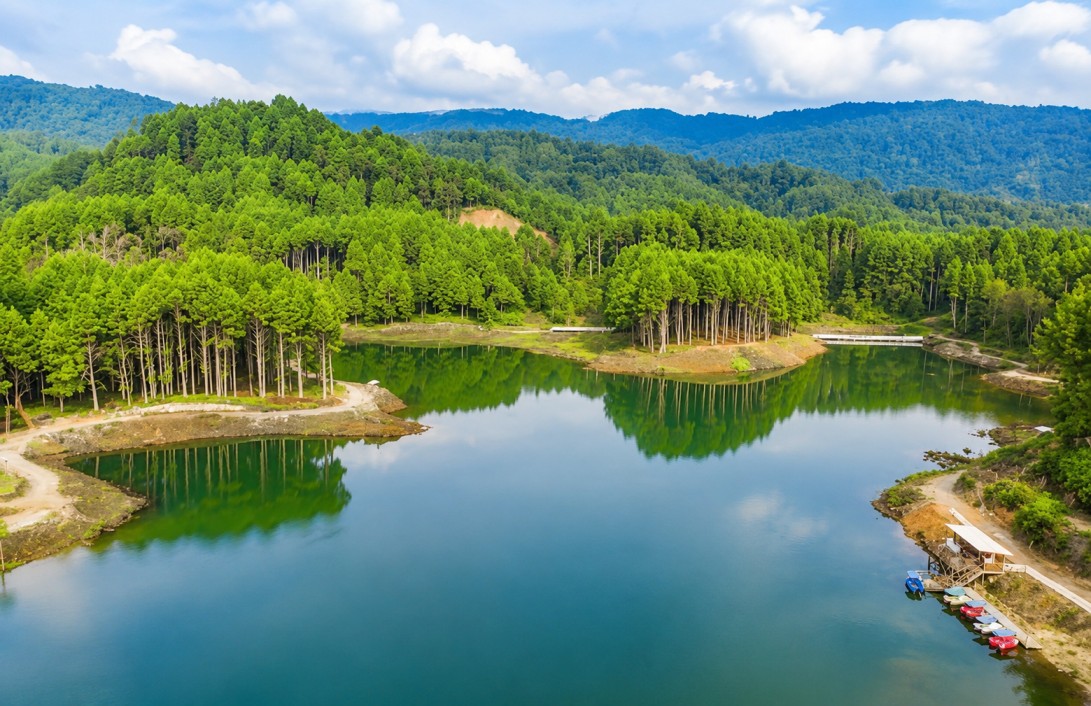
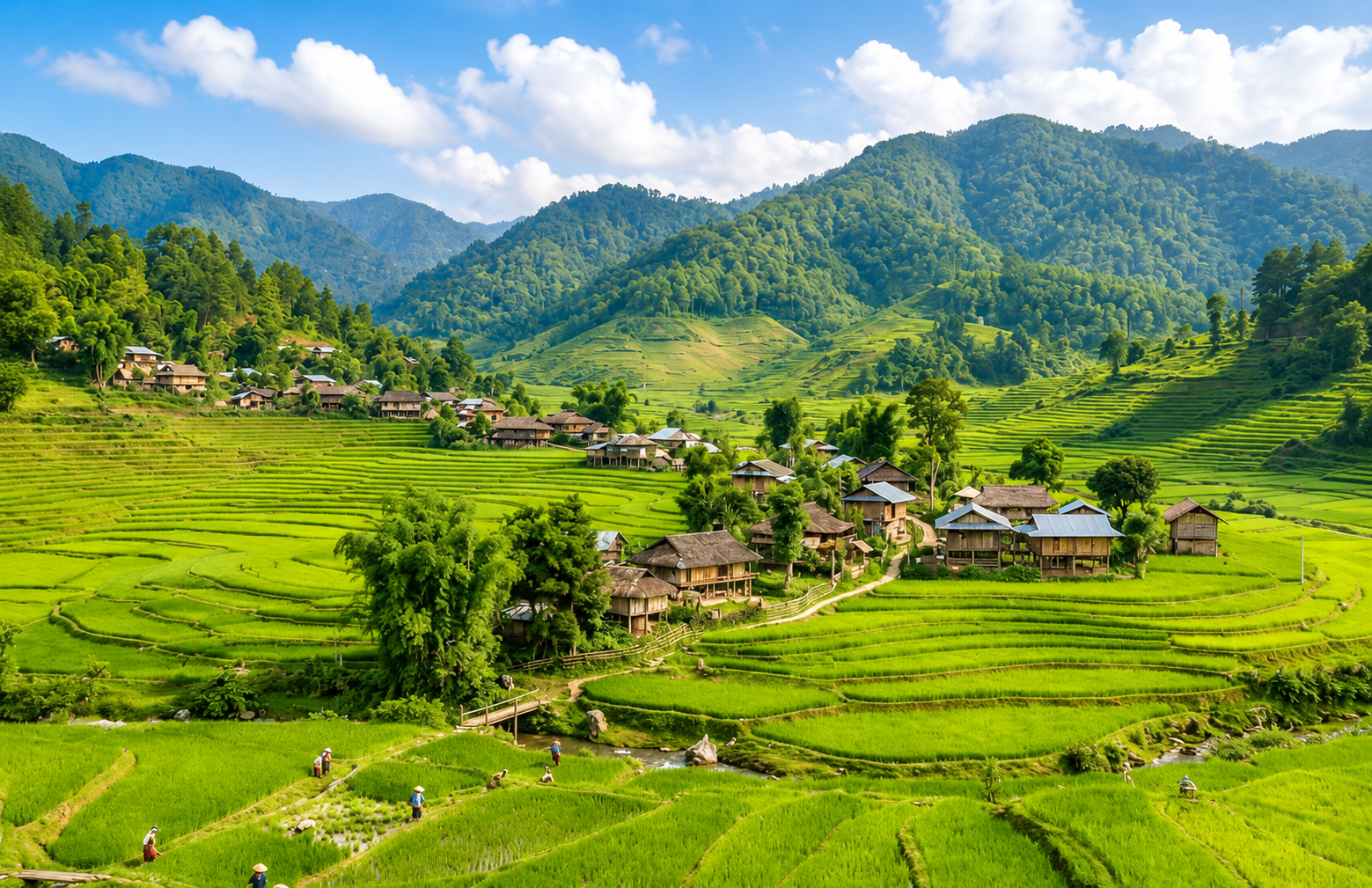
Hong Village : A Hidden Gem of Ziro Valley in Arunachal Pradesh
Nestled in the peaceful landscapes of Ziro Valley in Arunachal Pradesh, Hong Village is one of the most fascinating traditional settlements of Northeast India. Located in the Lower Subansiri District, this beautiful Apatani village offers travelers a rare opportunity to experience indigenous culture, sustainable farming practices, mist-covered hills, and the simple rhythm of mountain life.
Surrounded by lush green valleys, pine forests, and carefully cultivated paddy fields, Hong Village represents the unique harmony between humans and nature. Unlike crowded tourist destinations, this village provides an authentic travel experience where visitors can explore traditional homes, interact with local communities, witness ancient customs, and understand the deep connection of the Apatani people with their land.
For travelers seeking cultural exploration, photography, nature experiences, and offbeat destinations in India, Hong Village is a remarkable place to discover.
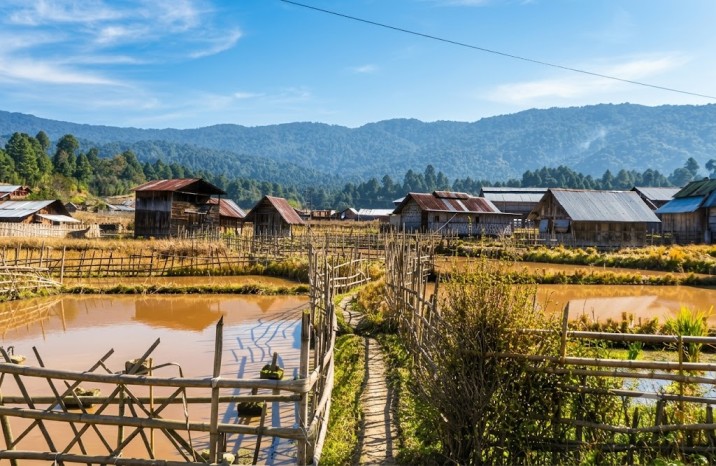
Apatani Village : Discover the Hidden Cultural Gem of Arunachal Pradesh
Located in the picturesque Ziro Valley of Arunachal Pradesh, India, Apatani villages offer a rare blend of natural beauty, ancient traditions, and sustainable living. Home to the indigenous Apatani tribe, these villages are known for their unique cultural identity, peaceful landscapes, and remarkable harmony between people and nature. Surrounded by lush green hills, pine forests, rice fields, and mist-covered mountains, Apatani villages provide an authentic travel experience away from crowded tourist destinations.
The region is especially famous for Apatani culture, traditional farming practices, tribal festivals, and the UNESCO World Heritage Site tentative-listed Ziro Valley cultural landscape. Travelers visiting Apatani villages can experience local lifestyles, explore scenic landscapes, learn about indigenous traditions, and enjoy the simplicity of village life in Northeast India
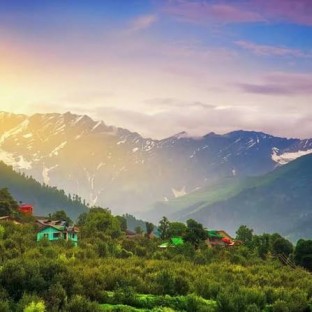
Naldehra : The Green Paradise Near Shimla
Nestled in the Shimla district of Himachal Pradesh, Naldehra is a charming hill destination known for its rolling meadows, dense deodar forests, panoramic Himalayan views, and one of India’s oldest golf courses. Located about 22 kilometers from Shimla at an altitude of approximately 2,044 meters (6,706 feet) above sea level, Naldehra offers a peaceful escape from the bustling hill stations while retaining all the beauty of the western Himalayas. Surrounded by cedar-covered hills and picturesque valleys, the town is an ideal destination for families, couples, solo travelers, photographers, golfers, and nature enthusiasts. Naldehra tourism combines natural beauty, colonial heritage, adventure, and authentic Himachali culture, making it one of the most rewarding destinations near
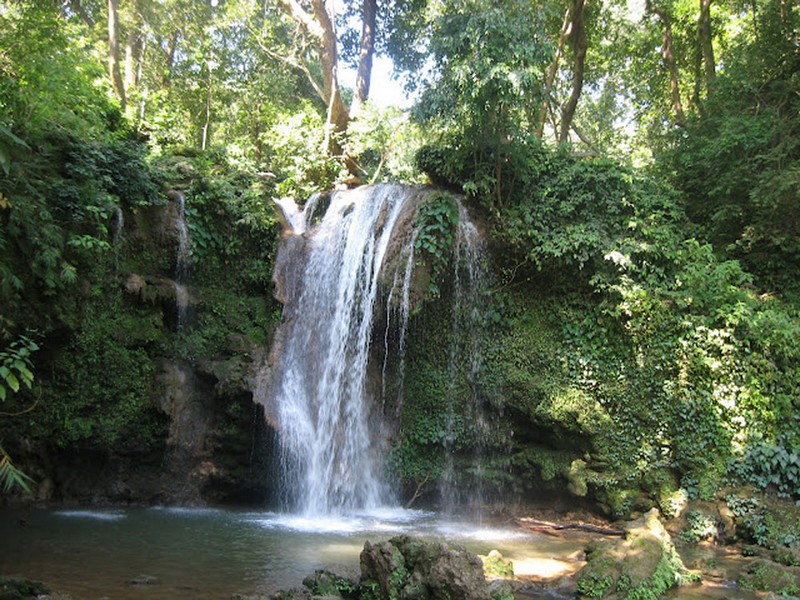
Rudradhari-Falls : Where Nature Meets Divinity
Nestled in the scenic Kumaon region of Uttarakhand, Rudradhari Falls is a peaceful natural attraction located between the hill stations of Kausani and Almora, near Kantali Village in Bageshwar district. Surrounded by dense pine and oak forests, terraced farms, and breathtaking Himalayan landscapes, the waterfall is known for its tranquil atmosphere and spiritual significance. The name "Rudradhari" is associated with Lord Shiva (Rudra), and the site is home to ancient caves and a temple dedicated to Lord Shiva and Lord Vishnu. Rudradhari Falls tourism attracts families, couples, solo travelers, photographers, pilgrims, nature lovers, and trekking enthusiasts seeking a peaceful retreat in the lap of the Himalayas.
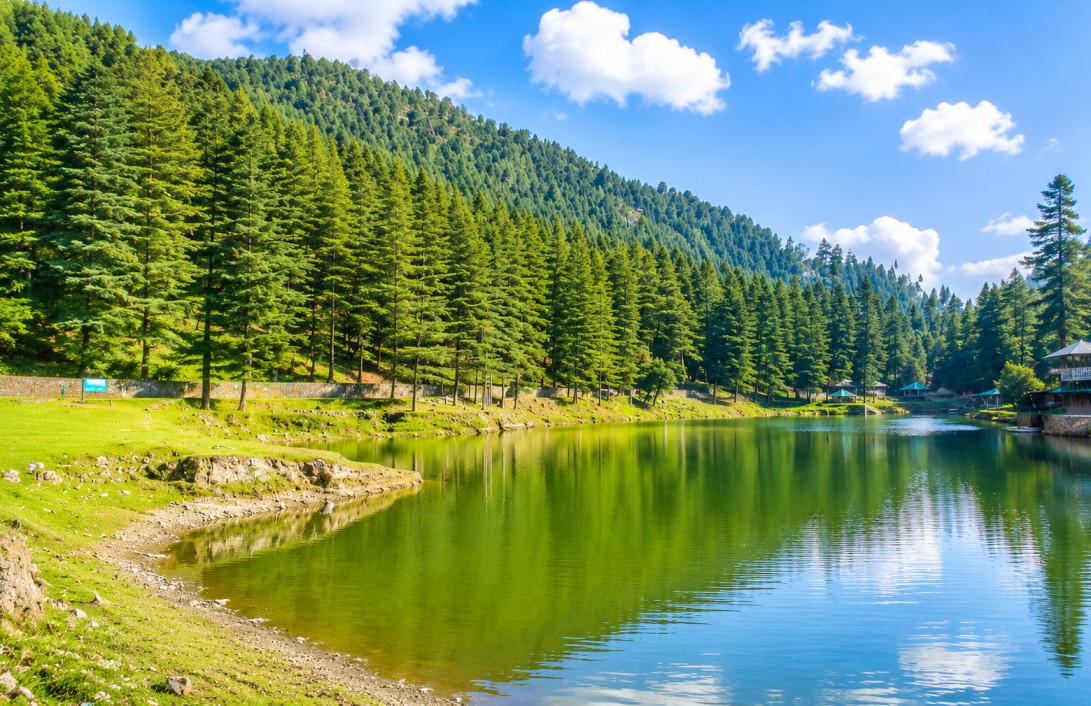
McLeod Ganj : A Quiet Escape Into Nature
Nestled in the upper reaches of Dharamshala in the Kangra district of Himachal Pradesh, McLeod Ganj is one of India's most popular hill stations and a globally renowned center of Tibetan culture and Buddhism. Situated at an altitude of approximately 2,082 meters (6,831 feet) above sea level, the town is surrounded by the majestic Dhauladhar Range, dense deodar forests, and picturesque valleys. Often referred to as "Little Lhasa," McLeod Ganj is the residence of His Holiness the 14th Dalai Lama and the headquarters of the Tibetan Government-in-Exile. Blending spirituality, Himalayan beauty, adventure, and vibrant culture, McLeod Ganj tourism attracts families, couples, solo travelers, backpackers, pilgrims, photographers, and trekking enthusiasts from around the world.
Someshwar Valley : Where Nature Meets Simplicity
Nestled in the Almora district of Uttarakhand, Someshwar Valley is a picturesque Himalayan valley known for its fertile farmlands, fruit orchards, peaceful villages, and panoramic mountain views. Located at an elevation of around 1,100–1,300 meters (3,600–4,300 feet) above sea level, the valley stretches along the banks of the Kosi River, offering visitors a refreshing blend of natural beauty, rural charm, and cultural heritage. Less crowded than many of Uttarakhand's famous hill stations, Someshwar Valley is an ideal destination for travelers seeking tranquility, authentic Kumaoni culture, and scenic landscapes. Someshwar Valley tourism appeals to families, couples, solo travelers, photographers, nature lovers, and cultural explorers looking to experience the peaceful side of the Kumaon Himalayas.
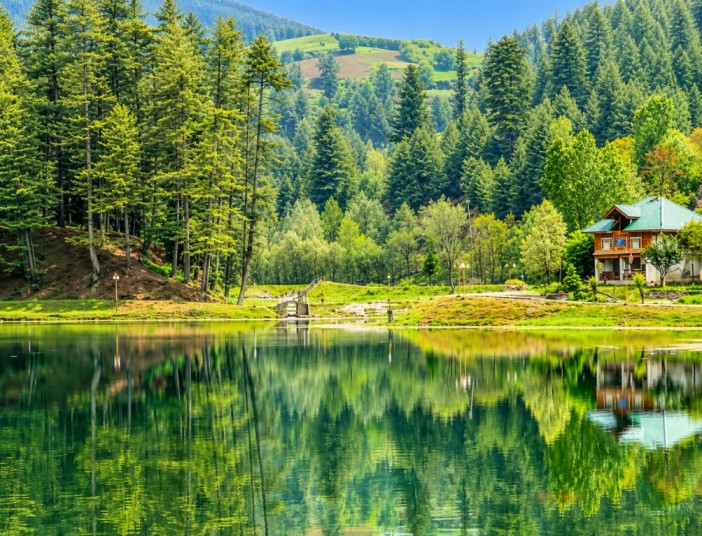
Nilnag-Lake : Serenity In Every Reflection
Nestled in the picturesque Budgam district of Jammu & Kashmir, Nilnag Lake is a tranquil alpine lake surrounded by dense pine forests, rolling meadows, and the majestic foothills of the Pir Panjal Range. Located near the popular hill destination of Yusmarg, the lake remains one of Kashmir's lesser-known natural attractions, offering visitors a peaceful escape from busy tourist circuits. The name "Nilnag" combines the words Nil (blue) and Nag (spring or lake), referring to the lake's striking bluish waters. Nilnag Lake tourism is ideal for families, couples, solo travelers, photographers, birdwatchers, and nature lovers seeking an offbeat destination where scenic beauty, serenity, and authentic Kashmiri landscapes come together.
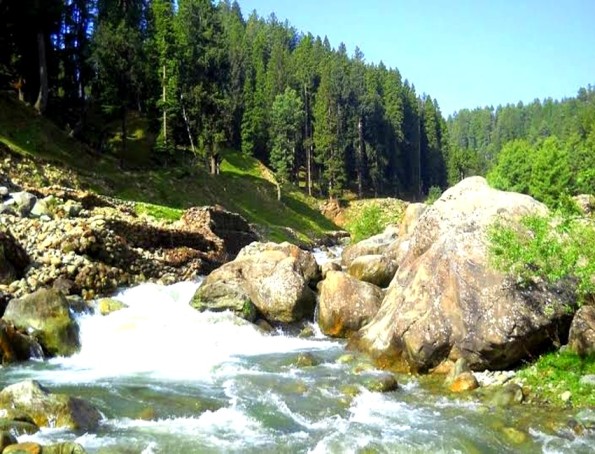
Doodh-Ganga-River : Where Water Flows Like Milk
Flowing through the breathtaking landscapes of Jammu & Kashmir, the Doodh Ganga River is one of the region's most picturesque mountain rivers, celebrated for its crystal-clear waters, lush surroundings, and peaceful atmosphere. Originating from the high-altitude glaciers and springs of the Pir Panjal Range, the river winds through forests, alpine meadows, and traditional villages before joining the Jhelum River near Srinagar. Its name, meaning "River of Milk," comes from the river's frothy white appearance as it rushes over rocks and boulders. Doodh Ganga River tourism attracts families, couples, solo travelers, photographers, nature lovers, anglers, and adventure enthusiasts seeking a refreshing escape into Kashmir's unspoiled natural beauty.
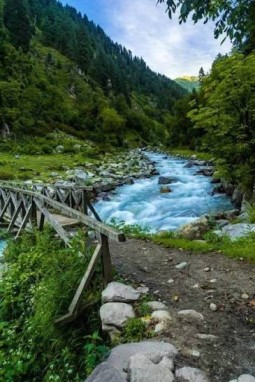
Reshwari : A Hidden Gem In The Hills
Nestled in the scenic Kupwara district of Jammu & Kashmir, Reshwari Village is a charming offbeat destination surrounded by lush forests, rolling meadows, sparkling streams, and majestic Himalayan mountains. Far from the crowds of popular tourist destinations, this picturesque village offers visitors a peaceful escape into Kashmir's untouched countryside. Blessed with natural beauty, traditional wooden homes, fertile fields, and warm local hospitality, Reshwari Village is an ideal destination for travelers seeking authentic rural experiences. Reshwari Village tourism appeals to families, couples, solo travelers, photographers, nature lovers, birdwatchers, and adventure enthusiasts who wish to explore the lesser-known beauty of Kashmir.
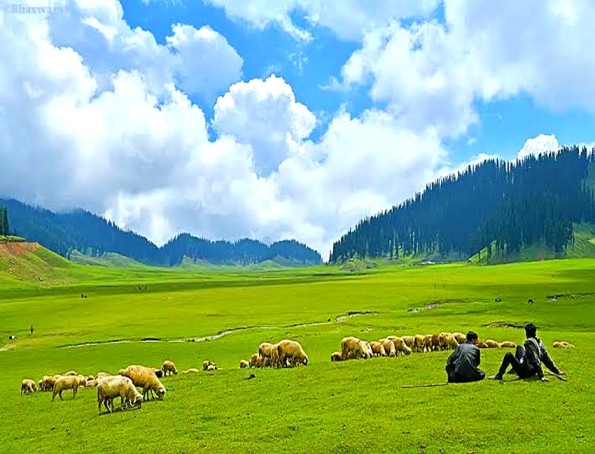
Lolab-Valley : Where Nature Feels Alive
Nestled in the Kupwara district of Jammu & Kashmir, Lolab Valley is one of the region's most beautiful yet lesser-explored destinations. Stretching across approximately 24 kilometers, the valley is surrounded by the majestic Himalayan ranges and is renowned for its lush meadows, dense forests, crystal-clear streams, charming villages, and peaceful atmosphere. Often referred to as the "Land of Love and Beauty," Lolab Valley offers an ideal retreat for travelers seeking unspoiled natural landscapes away from crowded tourist spots. Lolab Valley tourism attracts families, couples, solo travelers, photographers, nature lovers, and adventure enthusiasts looking to experience the authentic beauty of Kashmir in a tranquil setting.
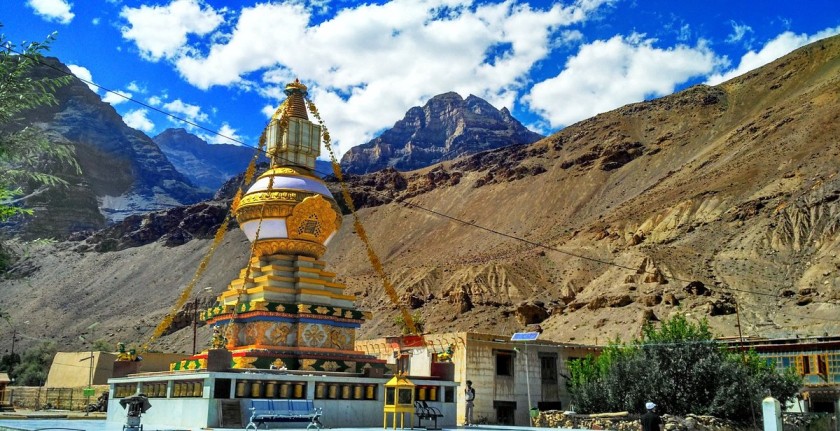
Tabo : The Ajanta Of The Himalayas
Nestled in the remote Spiti Valley of the Lahaul and Spiti district in Himachal Pradesh, Tabo is one of India's most significant Buddhist destinations and among the oldest continuously inhabited monastic settlements in the Himalayas. Situated at an altitude of approximately 3,280 meters (10,760 feet) above sea level, Tabo is renowned for its ancient monastery, spectacular cold desert landscapes, mud-brick architecture, and deep spiritual heritage. Often called the "Ajanta of the Himalayas," Tabo attracts pilgrims, history enthusiasts, photographers, families, solo travelers, couples, and adventure seekers looking to experience the unique culture and breathtaking beauty of Spiti Valley. Tabo tourism offers a remarkable blend of history, spirituality, and Himalayan adventure.
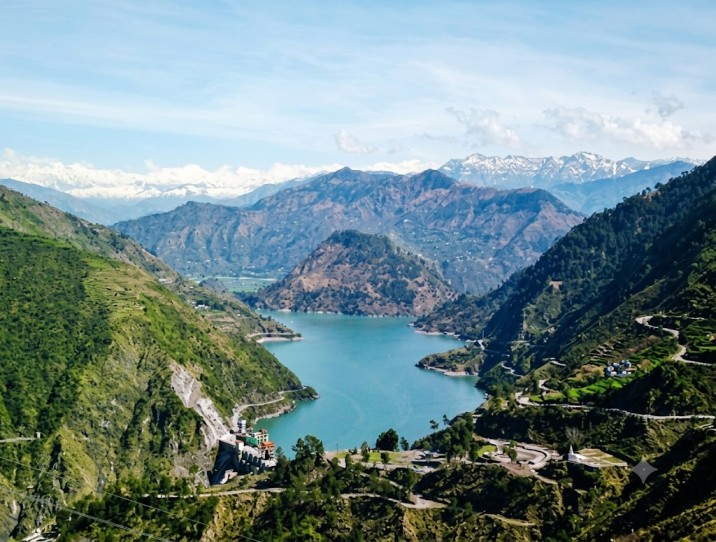
Chanshal pass - Himachal Pradesh 's High Altitude Mountain Pass
Nestled in the Shimla district of Himachal Pradesh, Chanshal Pass is one of the highest motorable mountain passes in the state and a hidden gem for nature lovers and adventure enthusiasts. Situated at an elevation of approximately 3,750 meters (12,303 feet) above sea level, the pass connects the picturesque Rohru Valley with the remote Dodra-Kwar Valley, offering breathtaking views of the Himalayan ranges, alpine meadows, dense forests, and snow-covered peaks. Unlike many popular tourist destinations, Chanshal Pass remains relatively untouched, making it an ideal escape for travelers seeking tranquility, pristine landscapes, and offbeat adventures. Chanshal Pass tourism attracts road trip enthusiasts, bikers, trekkers, photographers, families, couples, and solo travelers looking to experience the raw beauty of the Himalayas..
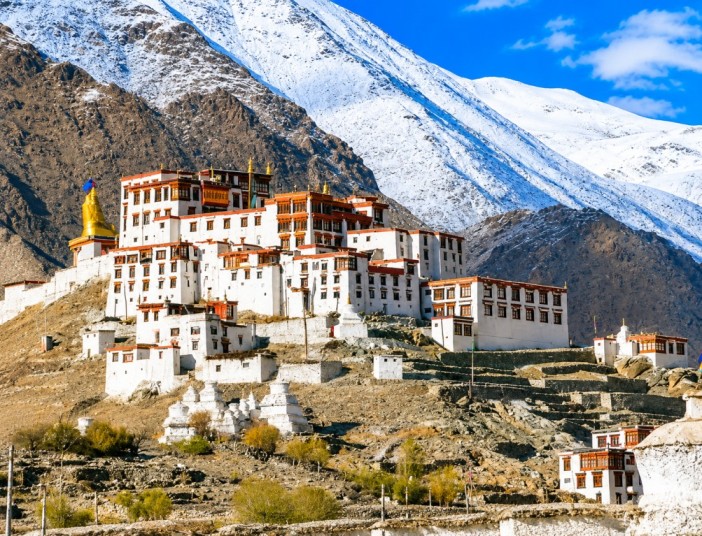
sumdo : Where The Journey To Spiti Begins
Nestled in the remote Lahaul and Spiti district of Himachal Pradesh, Sumdo is a small yet significant Himalayan village that serves as the main entry point to the breathtaking Spiti Valley from the Kinnaur side. Situated at an altitude of approximately 3,100 meters (10,170 feet) above sea level, Sumdo lies along the banks of the Spiti River, surrounded by rugged mountains, deep gorges, and dramatic cold desert landscapes. Though often regarded as a transit stop, Sumdo offers visitors a peaceful glimpse into Spitian life, stunning mountain scenery, and the unique cultural heritage of the Himalayas. Sumdo tourism appeals to road-trip enthusiasts, photographers, solo travelers, nature lovers, families, and adventure seekers exploring one of India's most spectacular mountain regions.
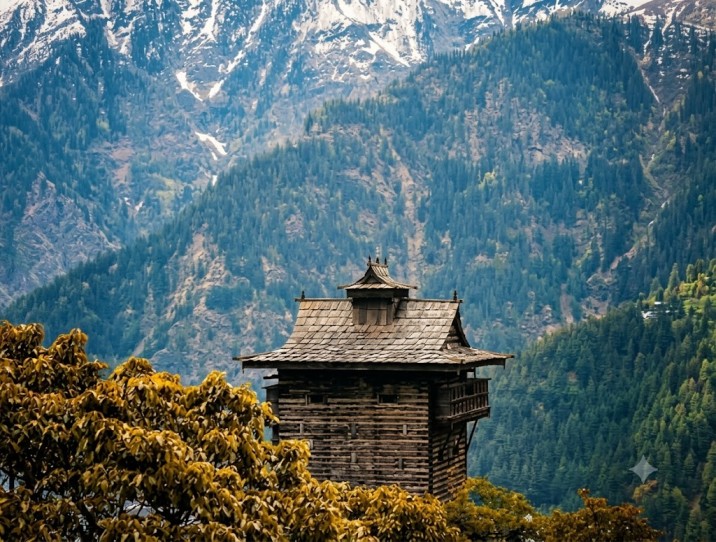
Kamru fort- A Historic Fortress Of Kinnaur
Nestled in the picturesque Sangla Valley of the Kinnaur district in Himachal Pradesh, Kamru Fort (also known as Kamru or Kumru Fort) is one of the oldest and most significant heritage monuments in the Himalayas. Located in the traditional Kamru Village, about 2 kilometers from Sangla, the fort stands atop a hill at an altitude of approximately 2,600 meters (8,530 feet), overlooking the magnificent Baspa Valley. Known for its striking wooden architecture, religious importance, and panoramic mountain views, Kamru Fort attracts history enthusiasts, pilgrims, photographers, families, couples, solo travelers, and nature lovers. Kamru Fort tourism offers visitors a fascinating journey through the rich cultural heritage of Kinnaur while showcasing some of the most spectacular Himalayan scenery.
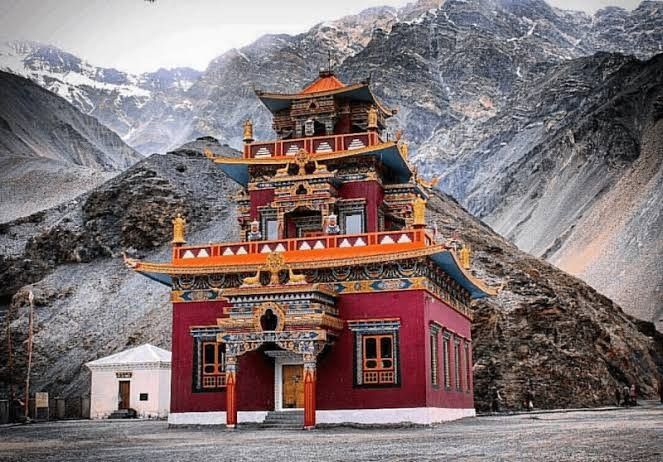
Gue-Village : Where Time Stands Still
Hidden in the remote mountains of the Spiti Valley in the Lahaul and Spiti district of Himachal Pradesh, Gue Village is one of India's most fascinating and unusual travel destinations. Situated at an altitude of approximately 3,200 meters (10,500 feet) above sea level, the village is best known for housing the naturally preserved 500-year-old mummy of a Buddhist monk, making it unlike any other destination in the Himalayas. Surrounded by barren mountains, deep valleys, and dramatic landscapes, Gue Village offers visitors a rare combination of history, spirituality, culture, and natural beauty. Gue Village tourism attracts history enthusiasts, spiritual seekers, photographers, adventure travelers, families, couples, and solo explorers looking to experience one of Spiti's hidden gems
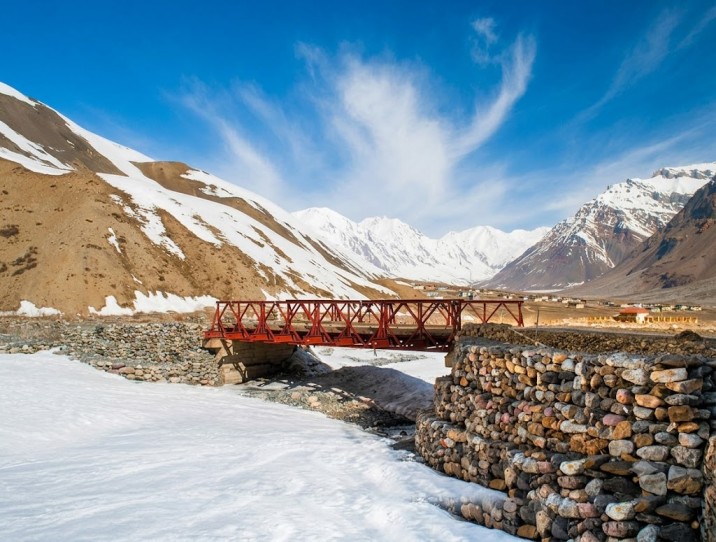
Kunzum Pass- The Gateway To Spiti Valley
Located in the remote Lahaul and Spiti district of Himachal Pradesh, Kunzum Pass is one of India's highest motorable mountain passes and a breathtaking gateway connecting the lush Lahaul Valley with the rugged landscapes of Spiti Valley. Situated at an altitude of approximately 4,551 meters (14,931 feet) above sea level, the pass offers awe-inspiring views of snow-covered Himalayan peaks, glaciers, alpine meadows, and barren cold desert terrain. Named after Goddess Kunzum Devi, the pass holds religious significance and is considered sacred by local communities. Kunzum Pass tourism attracts adventure seekers, road trip enthusiasts, bikers, photographers, trekkers, nature lovers, and travelers eager to experience one of the most scenic Himalayan routes in India.
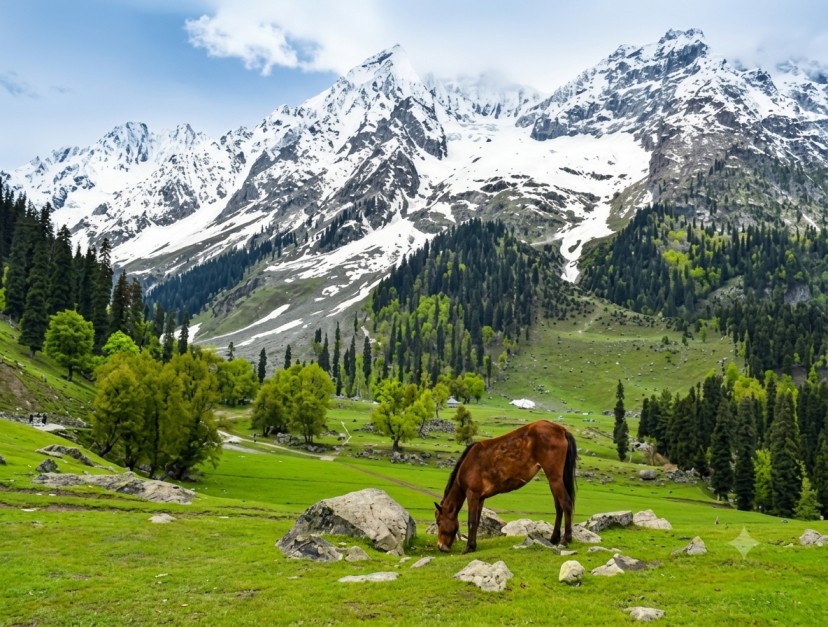
Poonch : A Hidden Gem Of Jammu & Kashmir
Poonch stands as one of the most historically layered and scenically diverse towns in the Jammu division, representing an extraordinary blend of Dogra-era heritage, Mughal legend, and dramatic Pir Panjal mountain scenery. Situated close to the Line of Control in the western reaches of Jammu and Kashmir, this district headquarters town, often called "Mini Kashmir," sits at the foothills of the Pir Panjal range and traces its origins back to ancient legends connecting it to Maharishi Pulastya, the grandfather of Ravana. The destination draws history enthusiasts, pilgrims, and travellers exploring the historic Mughal Road, offering a landscape defined by the imposing Poonch Fort, gushing mountain streams, and thick forests of fir, deodar, and pine spread across the surrounding hills.
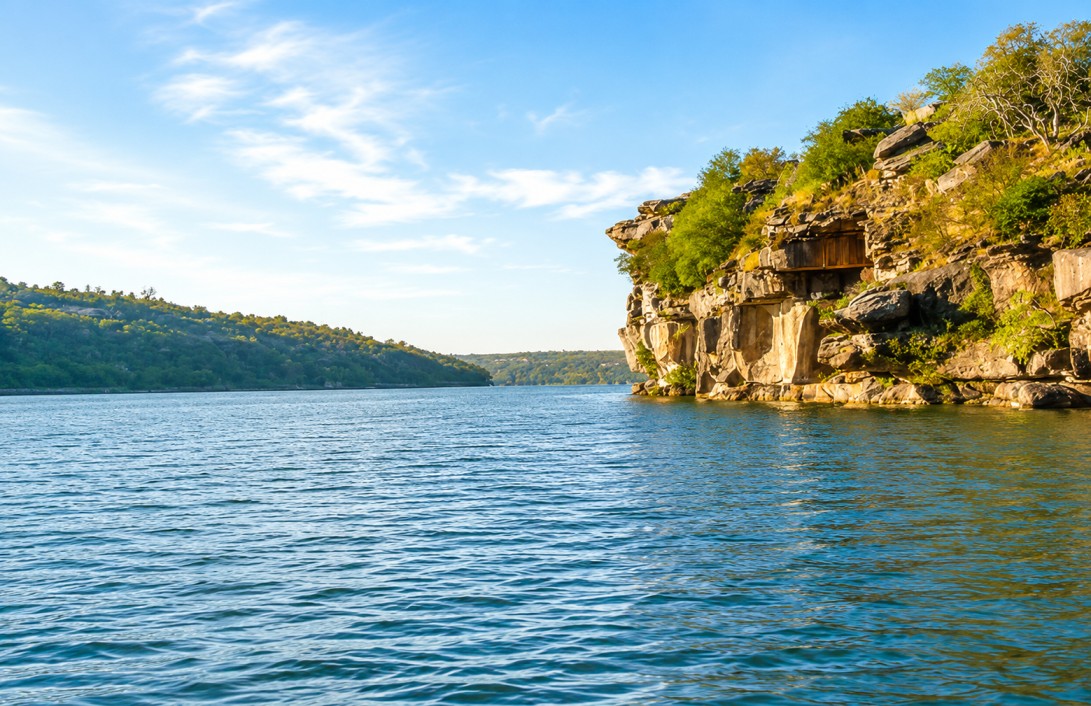
Chamba - The Cultural Heart Of Himachal Pradesh
Nestled along the banks of the Ravi River in the Chamba district of Himachal Pradesh, Chamba is one of the oldest and most culturally significant hill towns in northern India. Established in the 10th century CE by King Sahil Varman, the town lies at an altitude of approximately 996 meters (3,268 feet) above sea level and is surrounded by the majestic Dhauladhar, Pir Panjal, and Zanskar mountain ranges. Renowned for its ancient temples, royal palaces, vibrant festivals, traditional handicrafts, and breathtaking Himalayan scenery, Chamba offers a perfect blend of history, spirituality, culture, and nature. Chamba tourism attracts families, couples, solo travelers, history enthusiasts, photographers, pilgrims, and adventure seekers looking to experience the authentic charm of Himachal Pradesh
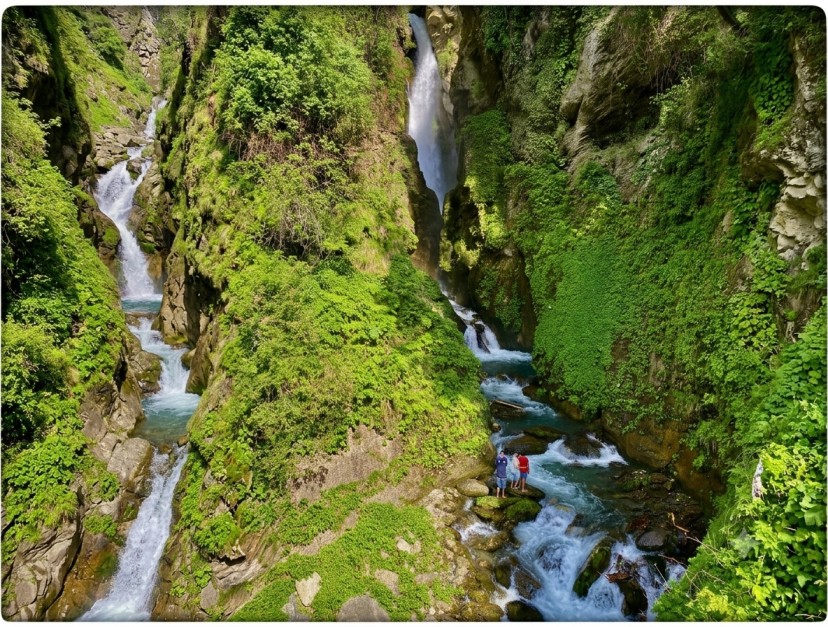
Noori-Chamb-Waterfall : Nature's Powerful Beauty
Noori Chamb Waterfall stands as one of the most historically evocative and visually striking natural landmarks along the legendary Mughal Road, representing an extraordinary blend of dramatic cascading water and centuries of imperial romance. Situated near the hill village of Bahramgalla in the Poonch district, below the Pir Panjal Pass, this waterfall plunges from an elevation of approximately 3,480 metres in the headwaters of the Poonch River, earning recognition as the second-tallest plunge waterfall in the district. The destination draws history enthusiasts, photographers, and travellers journeying along the scenic Mughal Road, offering a landscape defined by narrow rocky gorges, dense fir and deodar forests, and a milky white cascade that has captivated visitors for over four centuries.
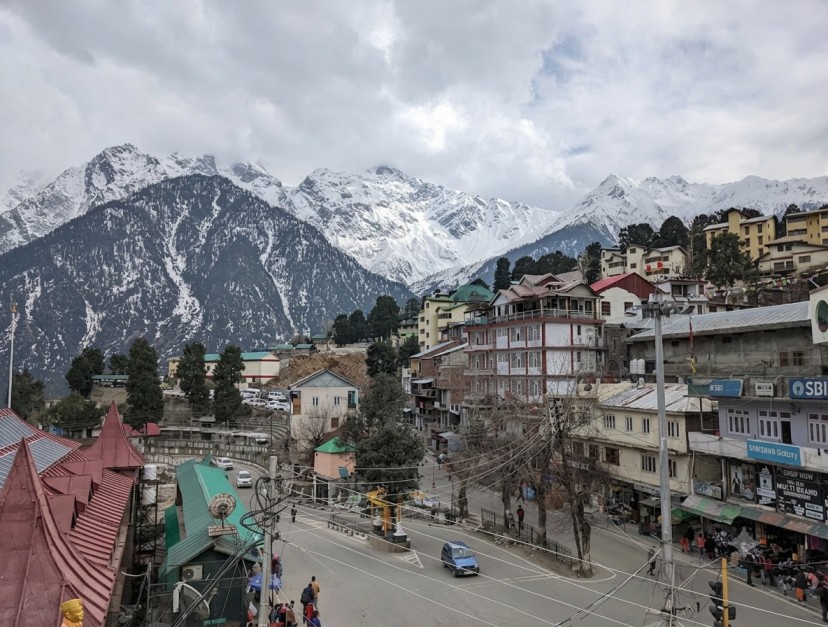
Reckong-Peo : A Scenic Himalayan Town
Reckong Peo stands as one of the most culturally vibrant and strategically significant towns in the Kinnaur district of Himachal Pradesh, representing an extraordinary meeting point of Hindu and Tibetan Buddhist traditions set against the dramatic backdrop of the sacred Kinner Kailash range. Serving as the administrative headquarters of Kinnaur at an elevation of approximately 2,290 to 2,670 metres, this Himalayan town, often referred to simply as Peo, offers travellers their first glimpse of the region's famed apple orchards, prayer-flag-strewn monasteries, and traditional Kinnauri culture. The destination draws pilgrims, trekkers, and travellers en route to Spiti Valley, offering a landscape defined by deodar forests, terraced fruit orchards, and sweeping views of the towering Kinner Kailash peak.
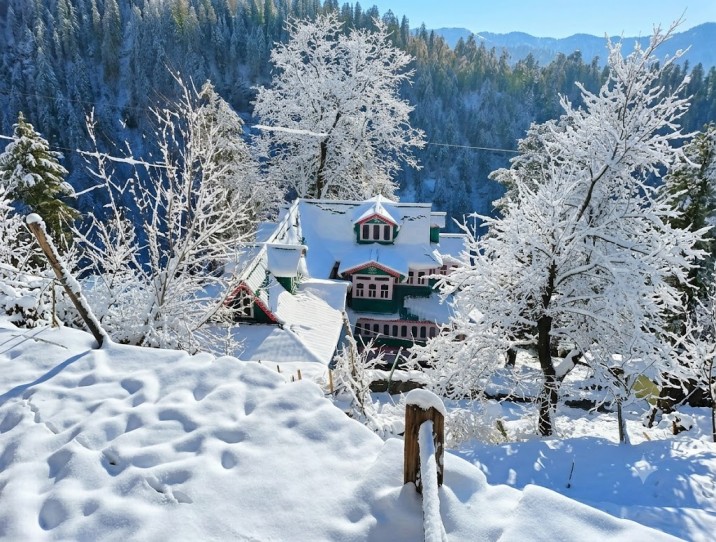
Rohru - A Scenic Riverside Town in Himachal Pradesh
Nestled in the picturesque Pabbar Valley of the Shimla district in Himachal Pradesh, Rohru is a charming hill town renowned for its lush apple orchards, pristine rivers, dense forests, and peaceful Himalayan landscapes. Situated at an altitude of approximately 1,550 meters (5,085 feet) above sea level on the banks of the Pabbar River, Rohru offers an ideal escape from crowded tourist destinations. The town is famous for trout fishing, traditional Himachali culture, adventure tourism, and breathtaking mountain scenery. Rohru tourism attracts families, couples, solo travelers, photographers, anglers, trekkers, and nature enthusiasts seeking an authentic Himalayan experience in one of Himachal Pradesh's lesser-known destinations
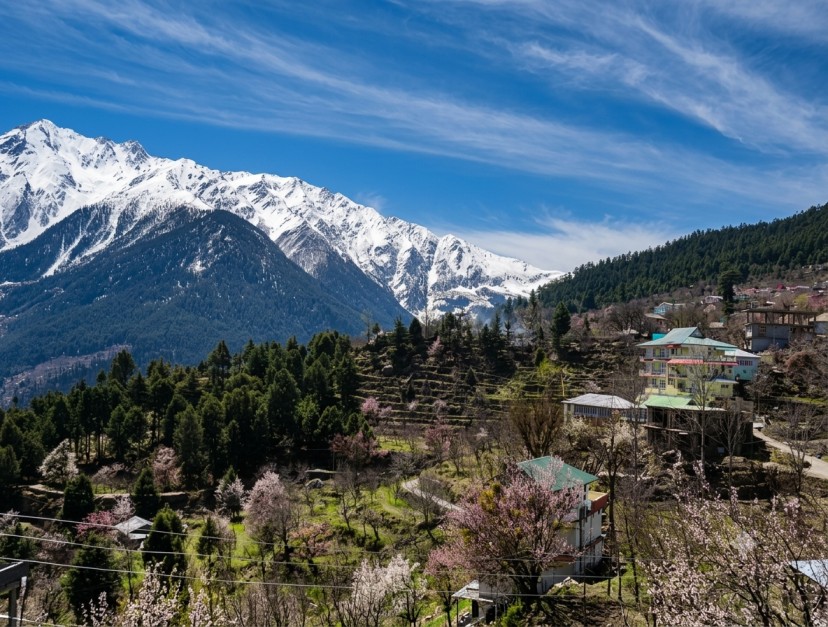
Roghi-Village : Where Cliffs Meet The Sky
Roghi Village stands as one of the most authentic and visually rewarding hamlets in the Kinnaur district of Himachal Pradesh, representing an extraordinary blend of traditional Himalayan village life and some of the finest unobstructed views of the sacred Kinner Kailash range. Perched at an altitude of approximately 2,700 metres, just beyond the town of Kalpa, this small village offers a landscape defined by ancient wooden houses, terraced orchards, and dramatic mountain vistas that reflect the enduring rhythms of rural Kinnauri life. The destination draws trekkers, photographers, and slow travellers seeking a genuine glimpse into the traditions of the region, set against the backdrop of one of the Himalayas' most revered peaks.
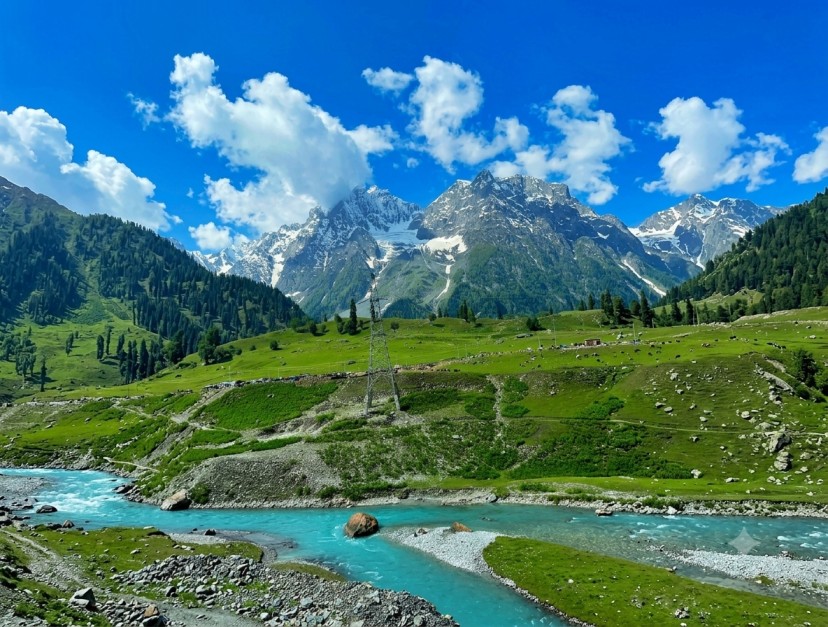
Baisaran Valley : The Mini Switzerland Of India
Baisaran Valley stands as one of the most enchanting and frequently photographed meadows in the Kashmir Valley, representing an extraordinary blend of rolling green pastures, dense pine forests, and dramatic Himalayan backdrops that have earned it the affectionate nickname "Mini Switzerland." Situated just five kilometres from the popular hill station of Pahalgam in the Anantnag district, this hilltop meadow sits at an elevation of roughly 2,400 to 2,800 metres, offering sweeping views of the Lidder Valley and the surrounding Pir Panjal range. The destination draws nature lovers, photographers, families, and trekkers who make the short but scenic journey uphill to experience one of Kashmir's most visually striking landscapes, offering a setting defined by open alpine pastures, thick pine cover, and distant snow-clad peaks.
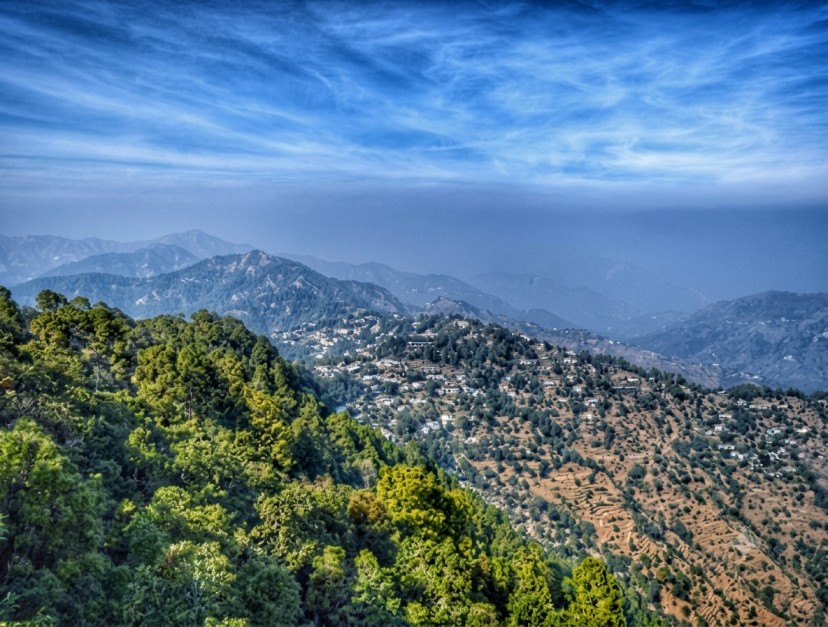
Tip-In-Top : Where The Sky Meets The Hills
Tip N Top stands as one of the most cherished viewpoints in the tranquil cantonment town of Lansdowne, representing an extraordinary vantage point from which the grandeur of the Garhwal Himalayas unfolds in full panoramic splendour. Situated at an elevation of approximately 1,700 to 2,000 metres near St. Mary's Church in the Pauri Garhwal district of Uttarakhand, this hilltop lookout, also known as Tiffin Top, draws families, photographers, and nature lovers who come to witness sweeping views of peaks such as Chaukhamba, Trishul, Kamet, and Panchachuli. The destination offers a landscape defined by dense oak and pine forest, a short forested trail, and an atmosphere of quiet, unhurried beauty that reflects the understated charm of Lansdowne itself.
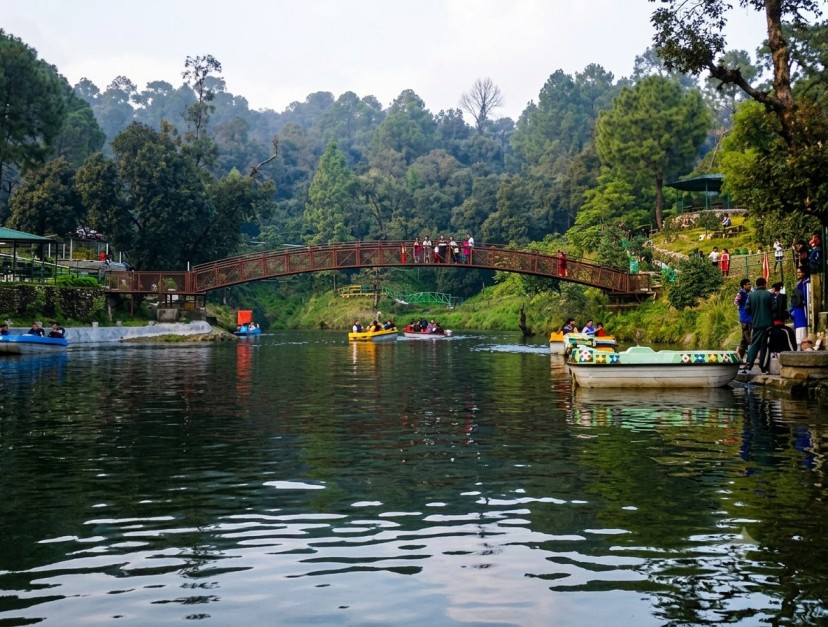
Bhulla-Tal : A Perfect Escape Into Nature
Bhulla Tal stands as one of the most cherished and tranquil recreational spots in the quiet cantonment town of Lansdowne, representing an extraordinary example of a man-made lake that has grown into a beloved natural retreat within the Garhwal Himalayas. Situated at an elevation of approximately 1,700 metres within the Pauri Garhwal district of Uttarakhand, this small artificial lake, created and lovingly maintained by the Indian Army's Garhwal Rifles, draws families, couples, photographers, and nature lovers seeking a peaceful escape amid Lansdowne's dense oak and pine forests. The destination offers a landscape defined by calm reflective waters, manicured gardens, and an atmosphere of order and serenity that reflects the disciplined care of its military custodians.
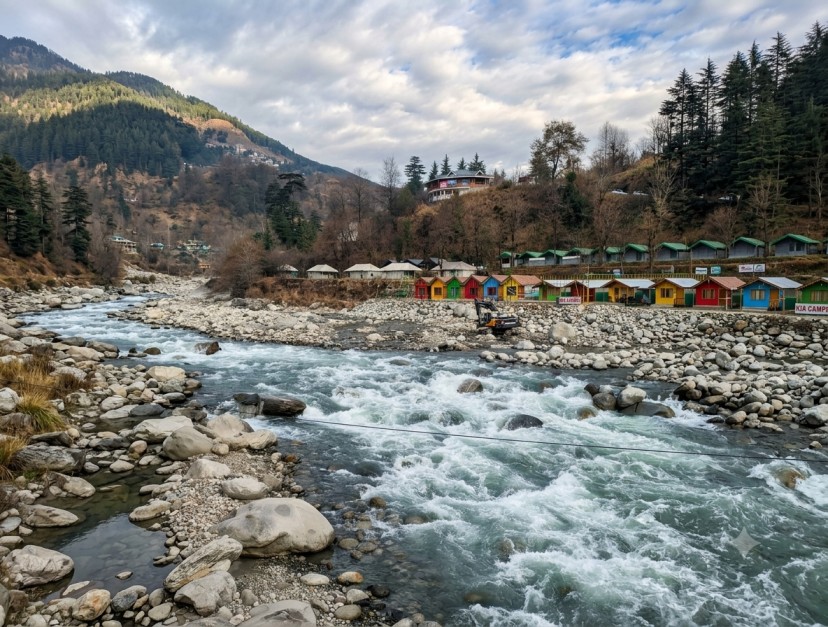
Satpuli : Where Hill Meet The River
Satpuli stands as one of the most tranquil and strategically positioned riverside towns in the Pauri Garhwal district of Uttarakhand, representing an extraordinary blend of quiet natural beauty and everyday Garhwali life along the banks of the Nayar rivers. Situated at an elevation of roughly 657 to 900 metres, close to the confluence of the Nayar East and Nayar West rivers, this small but growing town sits almost exactly midway between Kotdwar and Pauri, making it a natural pause point for travellers moving through the region. The destination draws nature lovers, anglers, and offbeat travellers seeking an authentic glimpse into the rhythms of rural Garhwal, offering a landscape defined by meandering rivers, terraced valleys, dense forests, and distant views of snow-capped peaks.
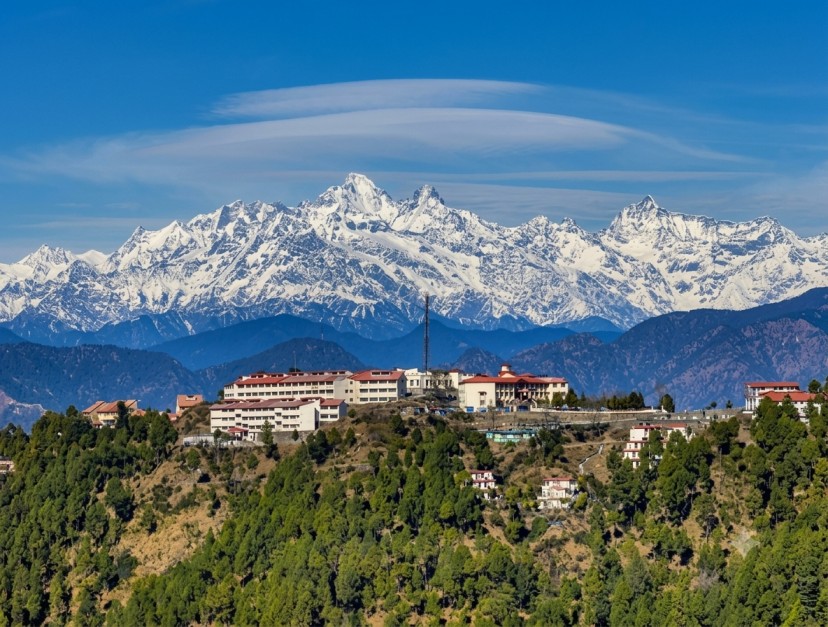
Pauri : Where Himalayas Meet Serenity
Pauri stands as one of the most historically and militarily significant hill stations in the Garhwal Himalayas, representing an extraordinary blend of panoramic mountain vistas, deep religious heritage, and a proud connection to India's armed forces. Situated at an elevation of approximately 1,814 metres on the northern slopes of the Kandoliya hills, Pauri serves as the headquarters of both the Pauri Garhwal district and the wider Garhwal division. The destination draws pilgrims, trekkers, history enthusiasts, and families seeking a tranquil hill retreat, offering sweeping views of some of the Himalayas' most celebrated peaks, including Nanda Devi, Trishul, Chaukhamba, Kedarnath, and Bandarpoonch. The landscape is defined by dense oak, deodar, and rhododendron forests, terraced hillsides, and an atmosphere of quiet dignity that reflects the town's layered history.
What distinguishes Pauri from other Garhwal hill stations is not merely its scenic elevation, but the unique combination of its deep military legacy as the home of the celebrated Garhwal Rifles, its status as an administrative and cultural centre, and its role as a gateway to a wider constellation of destinations including Khirsu, Lansdowne, and the sacred confluence at Devprayag. This layered character, blending Himalayan grandeur, spiritual significance, and martial pride, elevates Pauri beyond a simple hill station into a destination of genuine cultural and scenic importance.
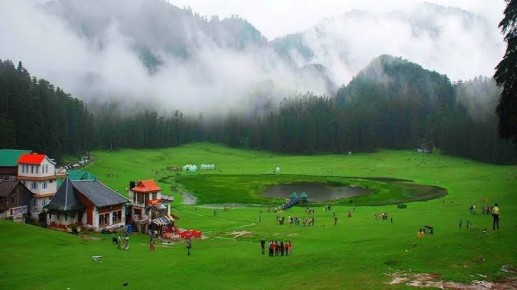
Dalhousie-A peaceful retreat in the himalayas
Nestled amidst the majestic Dhauladhar mountain range in the Chamba district of Himachal Pradesh, Dalhousie is one of India's most picturesque hill stations. Established in 1854 during British rule and named after Lord Dalhousie, the then Governor-General of India, the town is spread across five scenic hills—Kathlog, Potreyn, Terah, Bakrota, and Bhangora. Situated at an average altitude of approximately 1,970 meters (6,460 feet) above sea level, Dalhousie is celebrated for its colonial architecture, pine-covered valleys, panoramic Himalayan views, waterfalls, churches, and peaceful atmosphere. Dalhousie tourism attracts families, honeymooners, solo travelers, photographers, adventure enthusiasts, and nature lovers looking for a refreshing escape into the Himalayas.
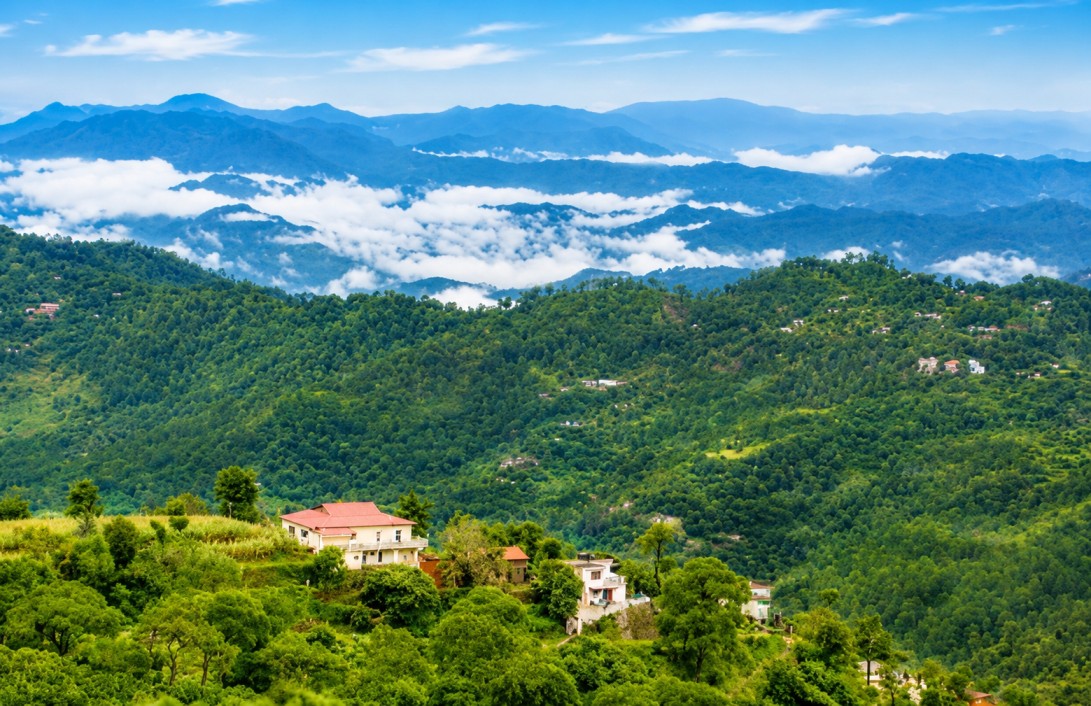
Kasauli -A Serene Hill Station In Himachal Pradesh
Nestled in the Solan district of Himachal Pradesh, Kasauli is a picturesque hill station known for its colonial-era charm, tranquil atmosphere, lush pine forests, and breathtaking Himalayan views. Situated at an altitude of approximately 1,927 meters (6,322 feet) above sea level, Kasauli was established as a British cantonment in 1842 and has retained much of its old-world character through its heritage buildings, quiet streets, and beautifully preserved architecture. Located about 70 kilometers from Chandigarh and 77 kilometers from Shimla, the town is a popular destination for weekend getaways and nature holidays. Kasauli tourism attracts families, couples, solo travelers, photographers, history enthusiasts, and adventure lovers seeking a peaceful escape in the lap of the Himalayas.
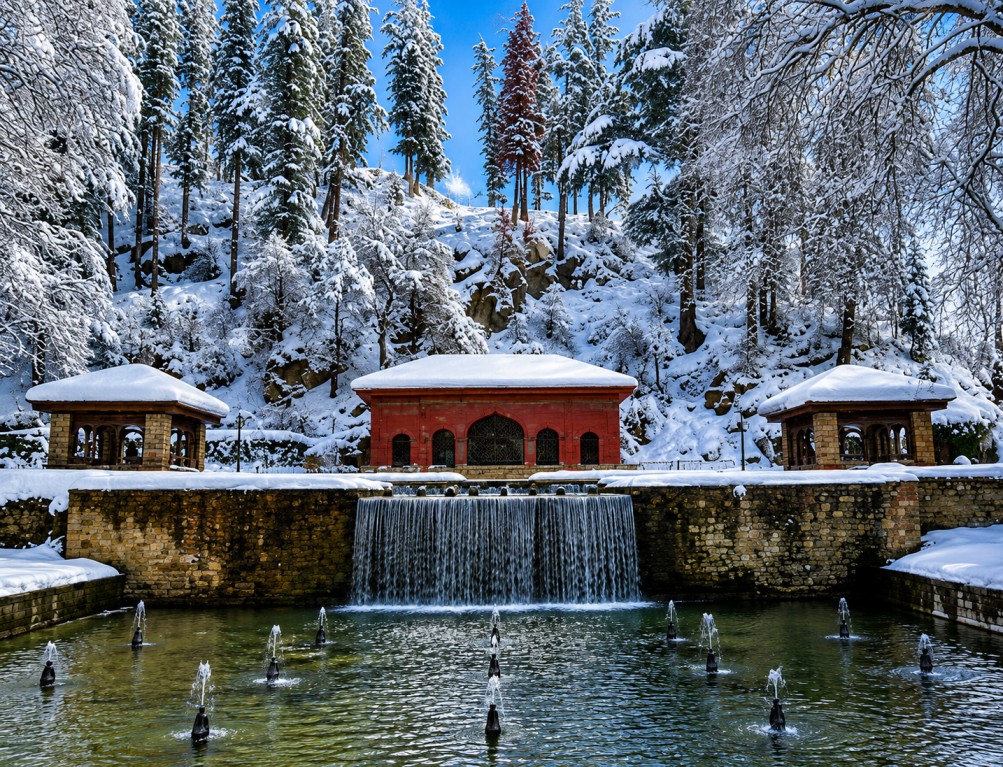
Achabal-Garden : The Royal Mughal Paradise
Achabal Garden stands as one of the most historically significant and elegantly designed Mughal gardens in South Kashmir, representing an extraordinary blend of Persian-inspired landscaping, natural spring hydrology, and centuries of royal patronage. Situated at the southeastern end of the Kashmir Valley in the town of Achabal, within the Anantnag district, this charbagh-style garden was laid out around 1620 CE under the patronage of Empress Nur Jahan, wife of Emperor Jahangir, and later remodelled by Jahanara, daughter of Shah Jahan. The destination draws history enthusiasts, photographers, and travellers seeking a quieter, more intimate alternative to Srinagar's better-known Mughal gardens, offering a landscape defined by terraced lawns, cascading water channels, towering chinar trees, and an atmosphere of timeless royal elegance.
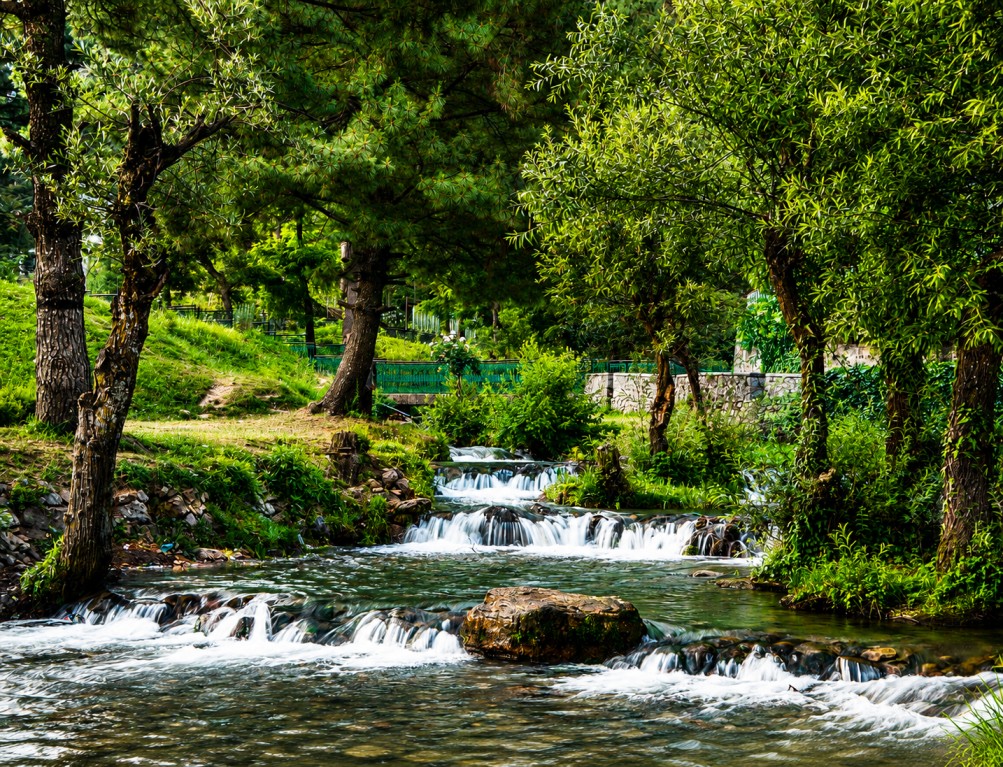
Kokernag : Nature's Musical Water Paradise
Kokernag stands as one of the most tranquil and historically celebrated garden destinations in South Kashmir, representing an extraordinary blend of natural freshwater springs, Mughal-inspired landscaping, and a centuries-old reputation for healing waters. Situated in the Anantnag district within the scenic Breng Valley, often called the "Golden Crown of Kashmir," this destination sits at an elevation of roughly 2,000 metres and is renowned for hosting one of Asia's largest freshwater springs alongside a botanical garden considered among the finest in the region. The destination draws nature lovers, anglers, and travellers seeking a quieter alternative to Kashmir's more crowded gardens, offering a landscape defined by cascading spring channels, towering chinar trees, dense pine forests, and an atmosphere of serene, centuries-old charm.
What distinguishes Kokernag from other garden destinations in Kashmir is not merely its scenic beauty, but the unique combination of a naturally occurring spring system, a globally significant trout hatchery, and a documented history stretching back to the Mughal era. The main spring, which gushes from the base of a forested limestone hill and divides into channels resembling the claw of a hen, gives the destination its name and forms the centrepiece of its identity. This layered character, combining natural hydrology, horticultural heritage, and historical prestige, elevates Kokernag beyond a simple garden visit into a destination of genuine ecological, cultural, and recreational significance.
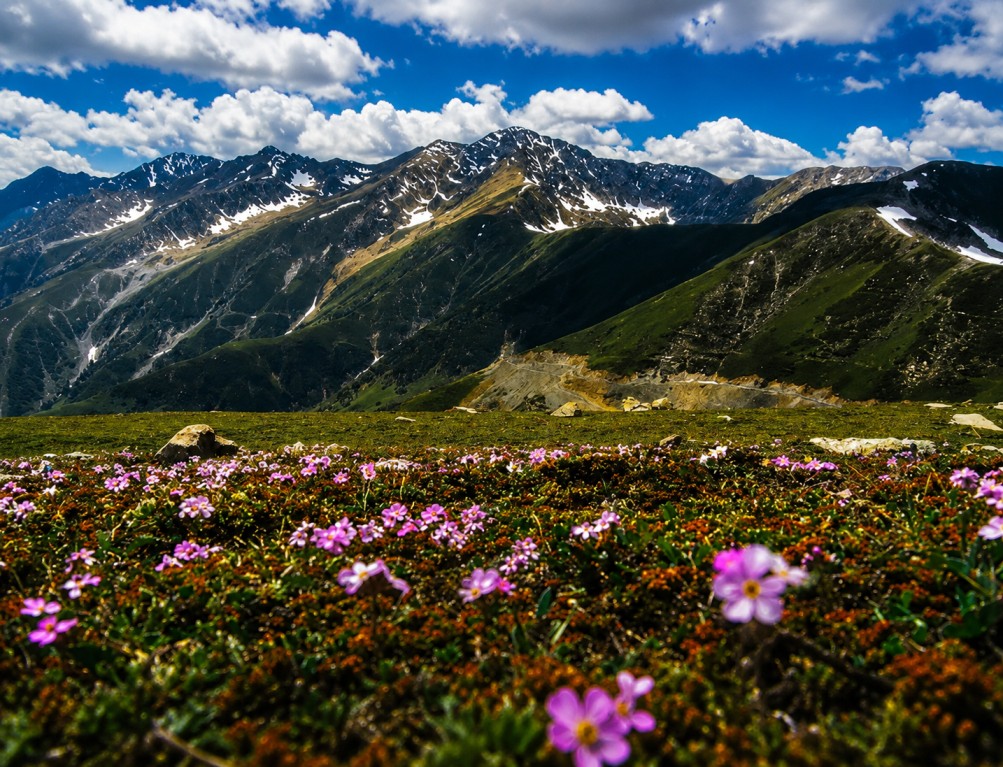
Sinthan-Top : The Hidden Gateway Between Kashmir & Jammu
Sinthan Top stands as one of the most spectacular and offbeat high-altitude destinations in the Union Territory of Jammu and Kashmir, representing an extraordinary blend of dramatic mountain passes, alpine meadows, and untouched natural beauty within the Pir Panjal range. Situated at an elevation of approximately 3,700 to 3,800 metres, or around 12,500 feet, this mountain pass forms the vital link between the Anantnag district of South Kashmir and the Kishtwar region of Jammu. The destination draws nature lovers, trekkers, photographers, and travellers seeking an authentic, less-crowded alternative to Kashmir's more popular tourist circuits, offering sweeping 360-degree views of the Pir Panjal and Greater Himalayan ranges from one of the highest motorable points in the region.
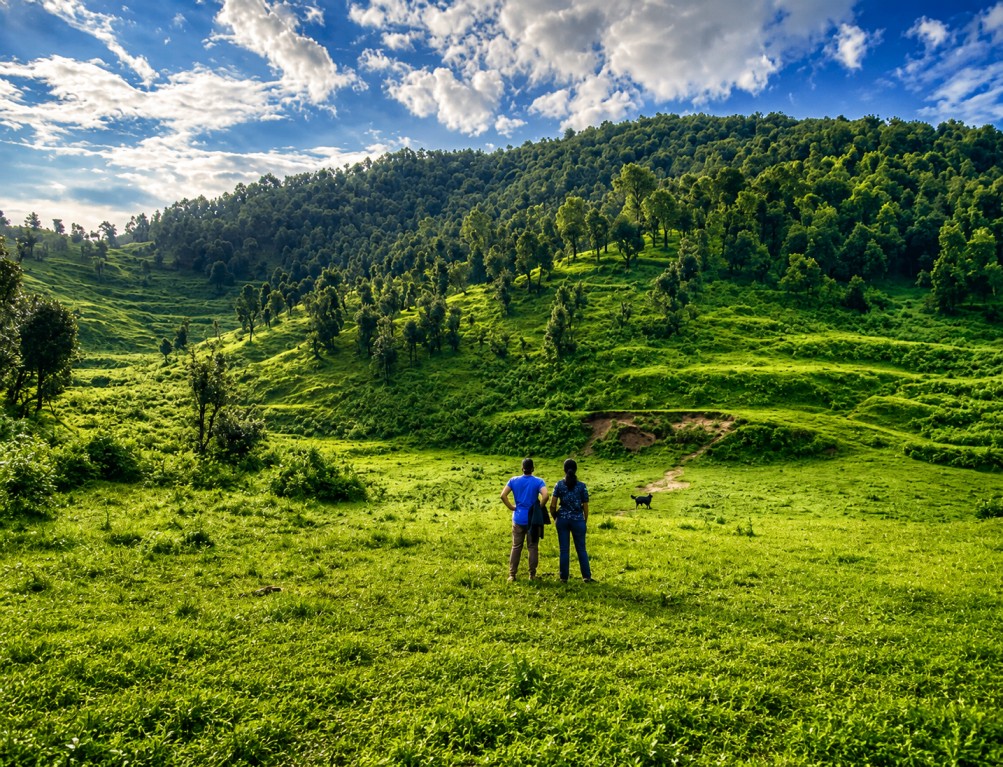
Didihat : A Serene Escape In Uttarakhand
Didihat stands as one of the most peaceful and historically significant towns in the eastern reaches of Uttarakhand, representing an extraordinary blend of administrative heritage, panoramic Himalayan vistas, and untouched natural charm within the Kumaon hills. Situated in the Pithoragarh district at an elevation of approximately 1,725 metres, Didihat serves as an important sub-divisional headquarters and offers sweeping views of the Panchachuli peaks, drawing pilgrims heading toward Kailash Mansarovar, nature lovers, and travellers seeking a quieter alternative to Uttarakhand's more frequented hill destinations. The destination offers a landscape defined by attractive ridges, dense forests, terraced valleys, and an atmosphere of unhurried mountain life that reflects the town's deep-rooted history and enduring natural beauty.
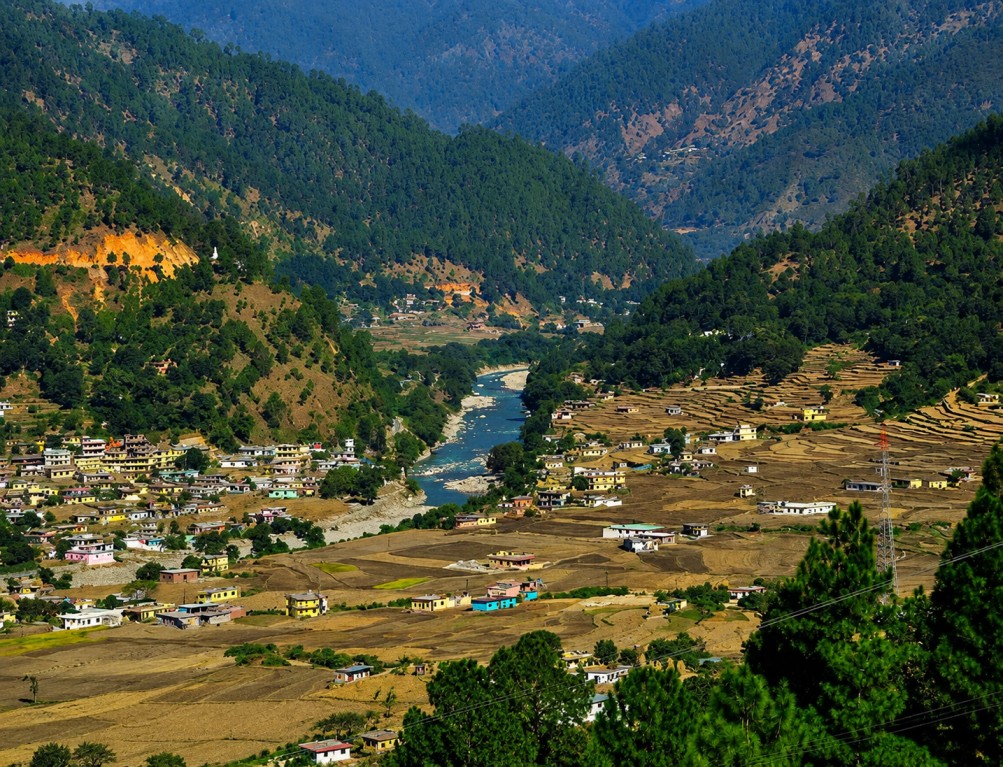
Berinag : Where Tea Gardens Meet Himalayan Views
Berinag stands as one of the most tranquil and lesser-explored hill stations in the Kumaon Himalayas, representing an extraordinary blend of colonial-era tea gardens, ancient snake temples, and sweeping views of some of India's most celebrated Himalayan peaks. Situated in the Pithoragarh district of Uttarakhand at an elevation of roughly 1,860 metres, this quiet hill town offers panoramic vistas of Nanda Devi, Trishul, Rajrambha, and the Panchachuli range, drawing nature lovers, trekkers, photographers, and pilgrims who seek a peaceful alternative to Uttarakhand's more crowded hill stations. The destination offers a landscape defined by emerald tea plantations, terraced fields, dense forests, and an atmosphere of colonial-era charm that reflects the town's layered history and enduring natural character.
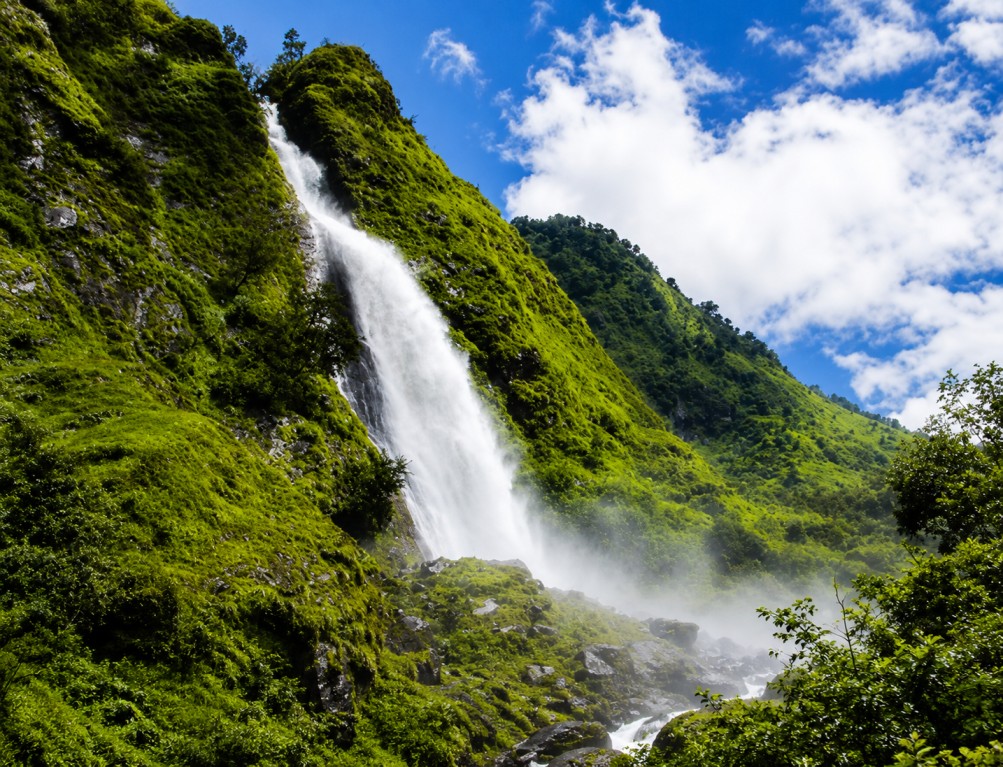
Birthi-Falls : Where Water Meets Wilderness
Birthi Falls stands as one of the most captivating and refreshing natural attractions along the scenic route to Munsiyari, representing a striking example of the Kumaon Himalayas' cascading waterfalls set within dense forest cover. Situated in the Pithoragarh district of Uttarakhand, along the Thal-Munsiyari road, this dramatic waterfall plunges from a height of approximately 126 metres, making it one of the most visited natural landmarks on the journey towards the Panchachuli-facing hill town of Munsiyari. The destination draws travellers, trekkers, photographers, and nature lovers who pause en route to witness one of the region's most impressive cascades, framed by thick forest, rhododendron-lined slopes, and distant views of snow-capped Himalayan peaks.
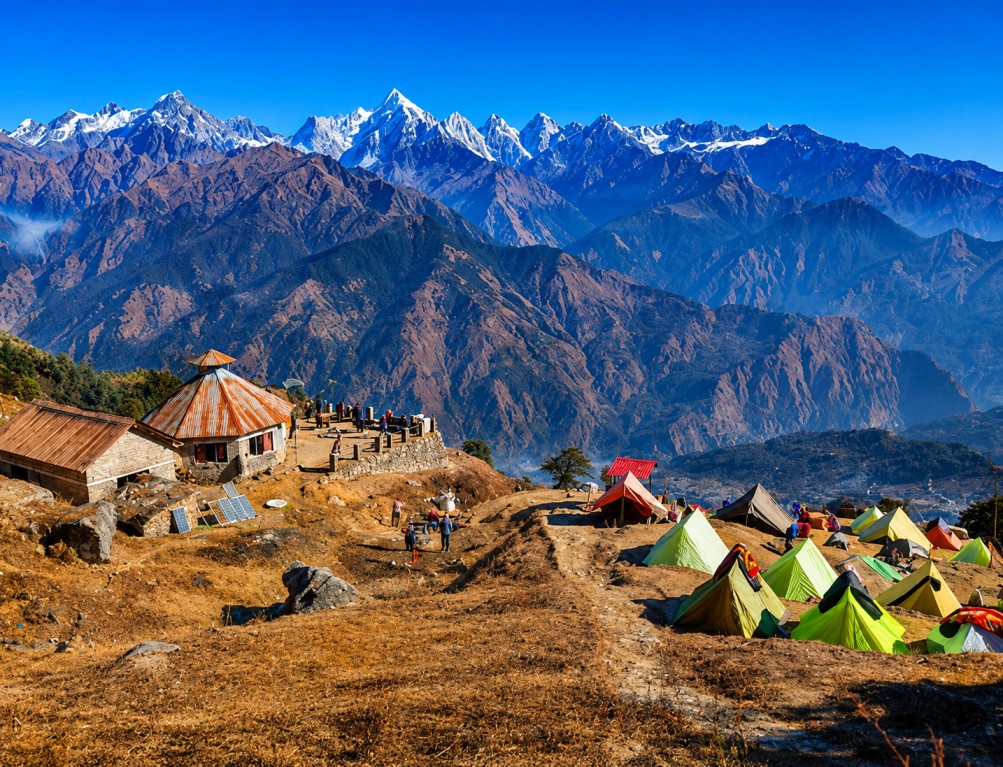
Khaliya-Top-Base : Where Meadows Meets Snowy Peaks
Nestled above the charming town of Munsiyari in the Pithoragarh district of Uttarakhand, Khaliya Top is one of the Kumaon Himalayas' most scenic high-altitude destinations. Situated at an elevation of approximately 3,500 meters (11,480 feet) above sea level, Khaliya Top is renowned for its vast alpine meadows, dense forests, snow-covered slopes, and breathtaking views of some of the highest peaks in the Indian Himalayas. The destination offers a perfect blend of adventure, tranquility, and natural beauty, making it a favorite among trekkers, photographers, families, couples, solo travelers, and nature enthusiasts. Khaliya Top tourism provides visitors with an unforgettable Himalayan experience throughout the year.
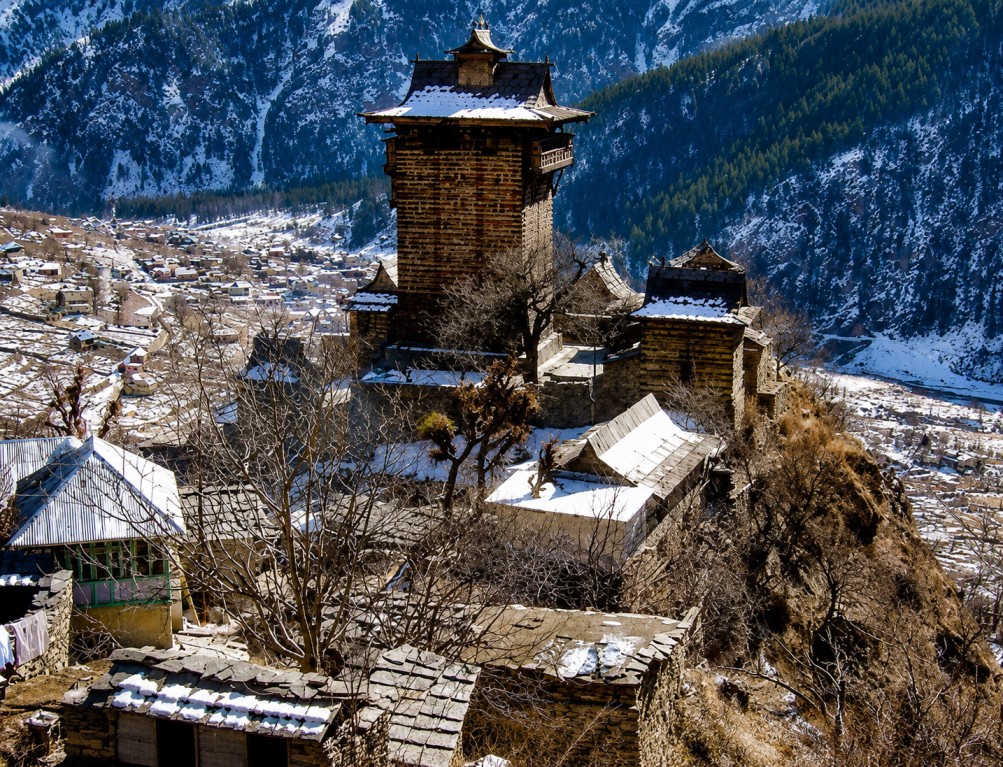
Kamru-Fort : Where History Meets The Himalayas
Nestled in the picturesque Sangla Valley of the Kinnaur district in Himachal Pradesh, Kamru Fort (also known as Kamru or Kumru Fort) is one of the oldest and most significant heritage monuments in the Himalayas. Located in the traditional Kamru Village, about 2 kilometers from Sangla, the fort stands atop a hill at an altitude of approximately 2,600 meters (8,530 feet), overlooking the magnificent Baspa Valley. Known for its striking wooden architecture, religious importance, and panoramic mountain views, Kamru Fort attracts history enthusiasts, pilgrims, photographers, families, couples, solo travelers, and nature lovers. Kamru Fort tourism offers visitors a fascinating journey through the rich cultural heritage of Kinnaur while showcasing some of the most spectacular Himalayan scenery.
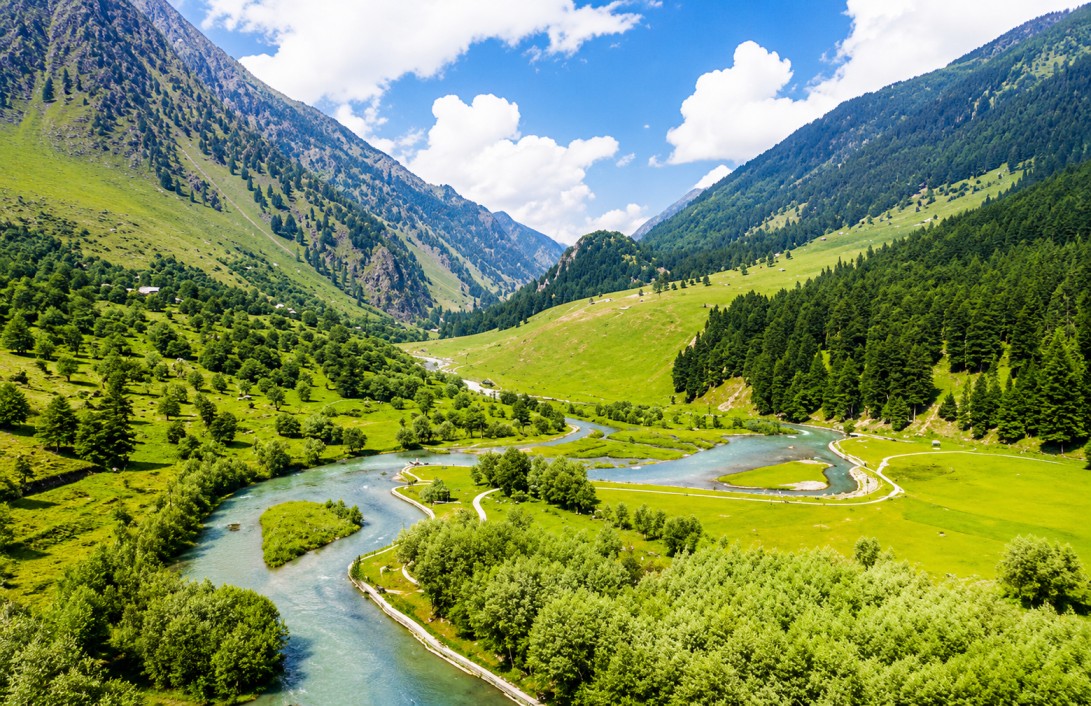
Pahalgam : Discover The Beauty Of Lidder Valley
Located in the Anantnag district of Jammu & Kashmir, Pahalgam is one of India's most picturesque hill stations, renowned for its lush green valleys, snow-capped mountains, crystal-clear rivers, and tranquil pine forests. Situated at an altitude of approximately 2,130 meters (6,990 feet) above sea level, Pahalgam lies along the banks of the Lidder River and serves as the starting point of the famous Amarnath Yatra pilgrimage. Often referred to as the "Valley of Shepherds," Pahalgam is a year-round destination that attracts families, couples, solo travelers, honeymooners, photographers, nature lovers, and adventure enthusiasts seeking an unforgettable Himalayan escape.
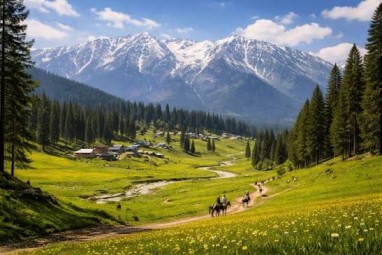
Gulmarg : The Winter Wonderland Of Kashmir
Nestled in the Baramulla district of Jammu & Kashmir, Gulmarg is one of India's most breathtaking hill stations and among Asia's finest mountain resorts. Situated at an altitude of approximately 2,650 meters (8,694 feet) above sea level, Gulmarg is famous for its rolling meadows, snow-covered peaks, dense pine forests, colorful wildflowers, and world-class winter sports. The name "Gulmarg", meaning "Meadow of Flowers," perfectly reflects the destination's vibrant alpine beauty. Whether covered in colorful blooms during summer or blanketed in snow during winter, Gulmarg tourism attracts families, couples, solo travelers, photographers, golfers, nature lovers, and adventure enthusiasts from around the world.
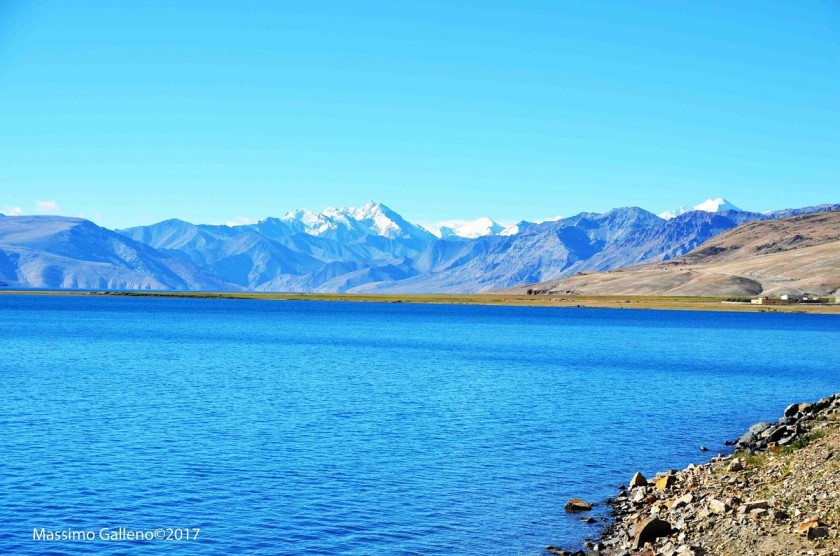
Tso-Moriri-Lake : A Serene High-Altitude Lake
Located in the remote Changthang Plateau of the Union Territory of Ladakh, Tso Moriri Lake is one of India's most spectacular high-altitude lakes. Situated at an elevation of approximately 4,522 meters (14,836 feet) above sea level, the lake stretches for nearly 26 kilometers and is surrounded by snow-capped mountains, vast grasslands, and rugged Himalayan landscapes. Unlike the more crowded Pangong Lake, Tso Moriri offers a peaceful and untouched environment, making it a favorite destination for nature lovers, wildlife enthusiasts, photographers, birdwatchers, couples, solo travelers, and adventure seekers. Recognized as a Ramsar Wetland of International Importance, Tso Moriri is celebrated for its exceptional biodiversity, breathtaking scenery, and rich Ladakhi culture.
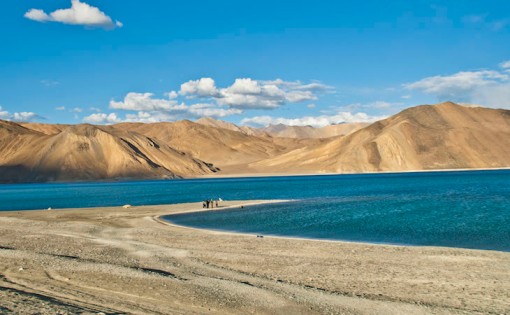
Pangong-Lake : The Jewel Of Ladakh
Nestled amidst the rugged mountains of the Union Territory of Ladakh, Pangong Lake is one of India's most breathtaking high-altitude destinations. Situated at an elevation of approximately 4,225 meters (13,862 feet) above sea level, the lake stretches for about 134 kilometers, with nearly two-thirds of its length extending into Tibet (China). Famous for its crystal-clear blue waters that change shades throughout the day, Pangong Lake has become one of Ladakh's most iconic attractions. Surrounded by snow-capped mountains, barren cliffs, and vast open landscapes, Pangong Lake tourism attracts families, couples, solo travelers, photographers, wildlife enthusiasts, and adventure seekers from around the world.
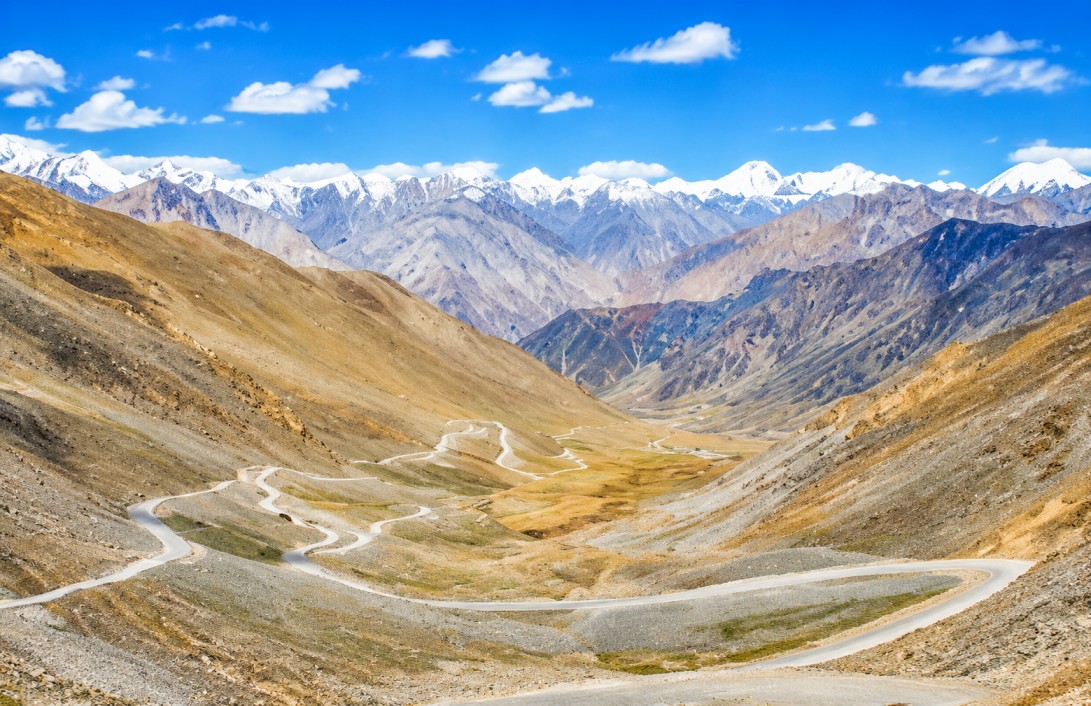
Khardung-La-Pass : One Of The World's Highest Motorable Roads
Located in the Union Territory of Ladakh, Khardung La Pass is one of India's most iconic high-altitude mountain passes. Situated at an elevation of approximately 5,359 meters (17,582 feet) above sea level, the pass connects Leh with the breathtaking Nubra Valley and serves as an important gateway to the Siachen Glacier. Renowned for its dramatic mountain scenery, snow-covered landscapes, winding roads, and thrilling driving experience, Khardung La is a dream destination for road-trippers, motorcyclists, adventure enthusiasts, photographers, and nature lovers. Every year, thousands of travelers visit this spectacular Himalayan pass to experience one of the world's highest motorable roads and witness the raw beauty of the Trans-Himalayan region.
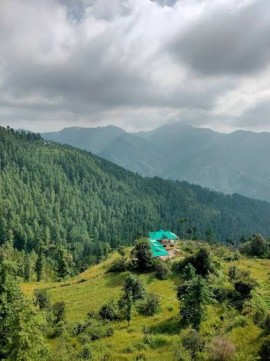
Mashobra : Where Nature Meets Serenity
Nestled in the Shimla district of Himachal Pradesh, Mashobra is a serene hill station located about 12 kilometers from Shimla. Perched at an altitude of approximately 2,146 meters (7,041 feet) above sea level, Mashobra is known for its lush deodar forests, apple orchards, tranquil surroundings, and breathtaking views of the Himalayan ranges. Unlike the bustling streets of nearby Shimla, Mashobra offers a peaceful escape where visitors can reconnect with nature while enjoying the charm of traditional Himachali villages. Mashobra tourism attracts families, couples, solo travelers, photographers, birdwatchers, and adventure enthusiasts seeking an offbeat Himalayan experience filled with natural beauty and cultural authenticity.
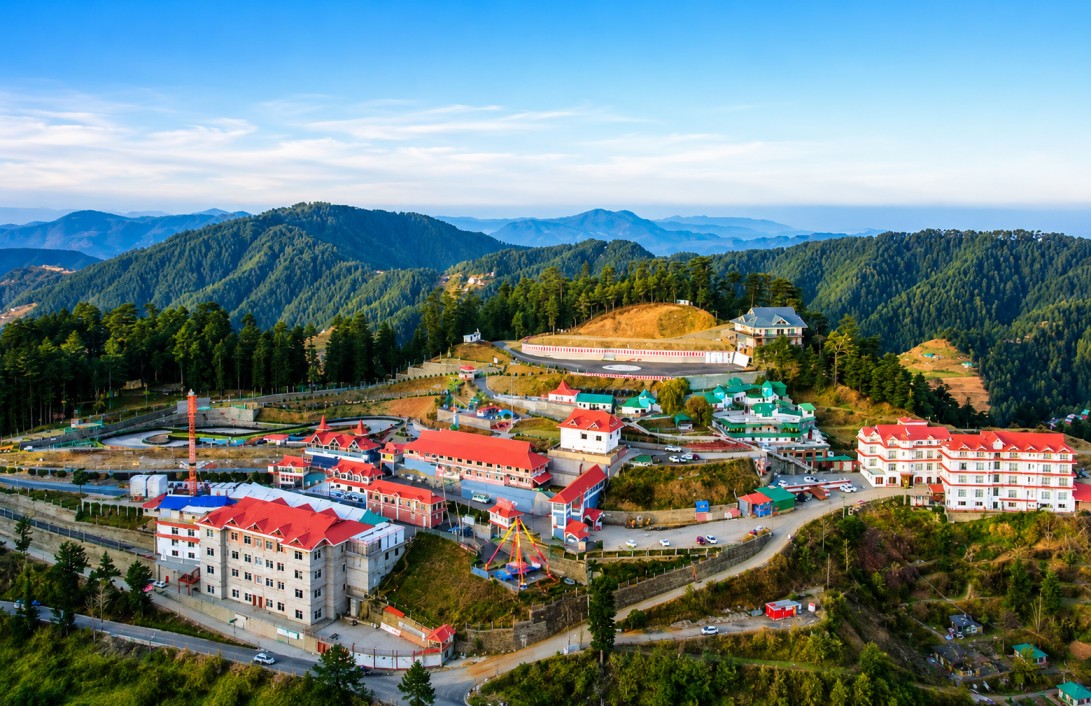
Kufri : Adventure & Snow In The Himalayas
Nestled in the Shimla district of Himachal Pradesh, Kufri is a picturesque hill station located approximately 16 kilometers from Shimla. Situated at an altitude of around 2,510 meters (8,235 feet) above sea level, Kufri is famous for its snow-covered landscapes, dense cedar and pine forests, panoramic Himalayan views, and exciting adventure activities. Once a part of the Kingdom of Nepal before becoming a part of British India, Kufri has evolved into one of the most popular tourist destinations in North India. Whether you're planning a family holiday, a romantic getaway, a solo trip, or an adventure-filled vacation, Kufri tourism offers the perfect blend of natural beauty, outdoor recreation, and peaceful mountain charm.
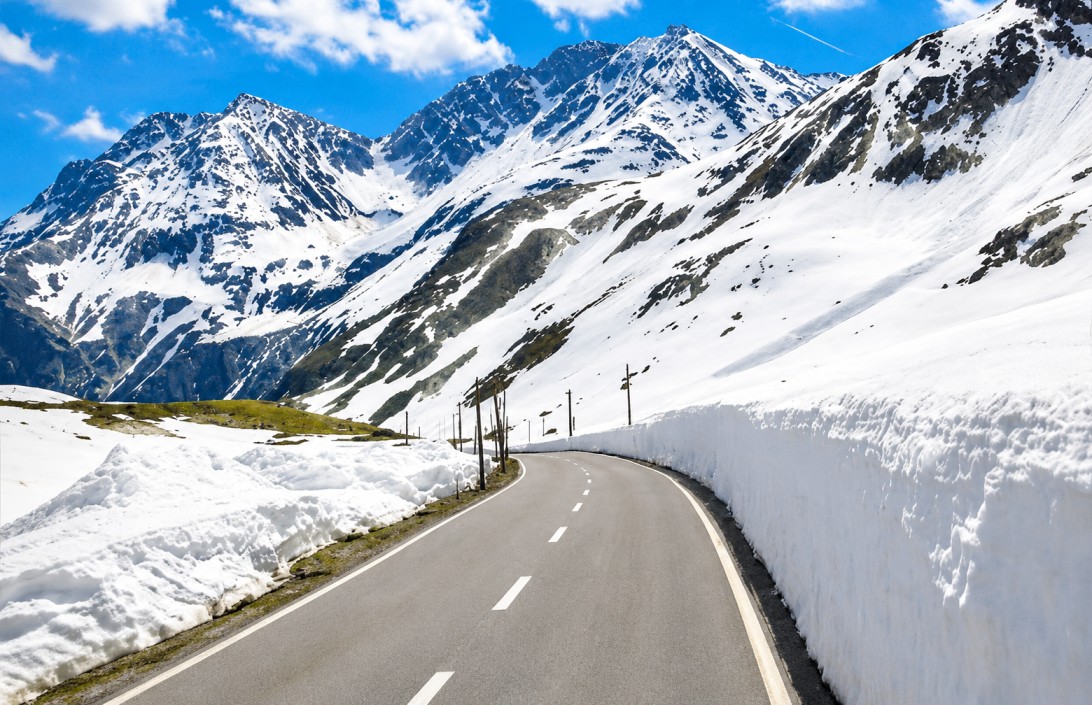
Rohtang-Pass : Where Roads Touch The Clouds
Situated at an altitude of approximately 3,978 meters (13,051 feet) in the Pir Panjal Range of the Himalayas, Rohtang Pass is one of the most iconic mountain passes in Himachal Pradesh. Located about 51 kilometers from Manali, the pass serves as the traditional gateway connecting the lush Kullu Valley with the arid landscapes of Lahaul and Spiti. Famous for its snow-covered peaks, dramatic mountain scenery, glaciers, winding roads, and thrilling adventure opportunities, Rohtang Pass is among India's most visited high-altitude destinations. Rohtang Pass tourism attracts families, couples, solo travelers, photographers, bikers, and adventure enthusiasts who come to experience the grandeur of the Himalayas and enjoy one of the country's most scenic mountain drives.
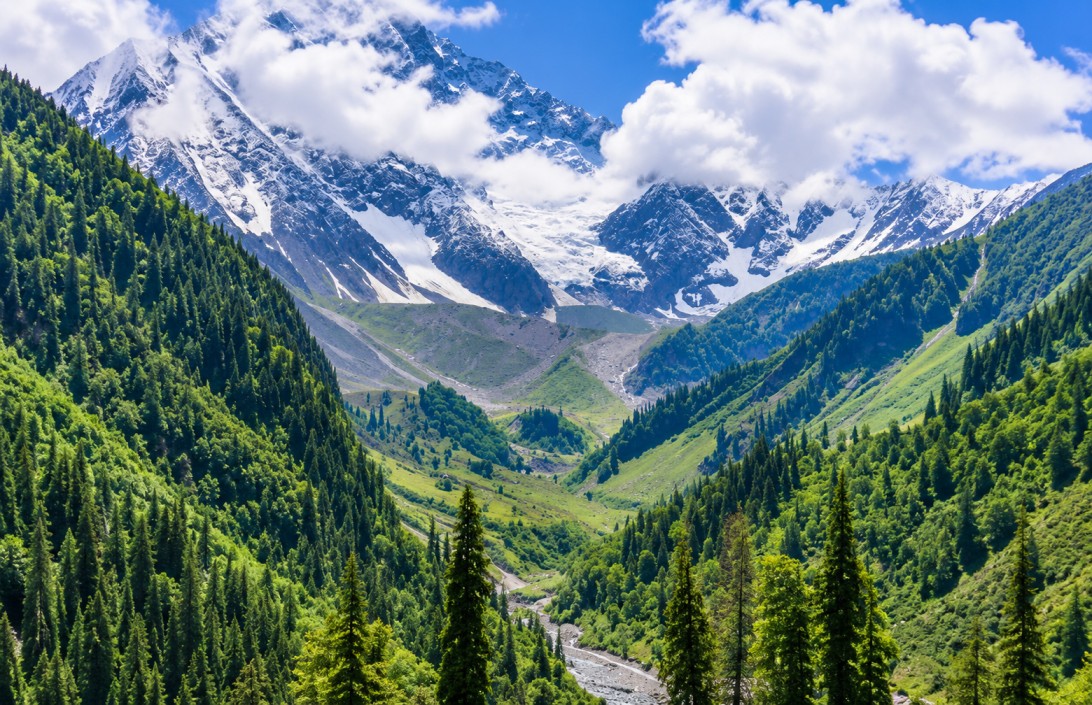
Solang-Valley : Where Adventure Meets The Himalayas
Nestled between the charming hill station of Manali and the majestic Rohtang Pass in Himachal Pradesh's Kullu district, Solang Valley is one of India's most popular mountain destinations. Situated at an altitude of around 2,560 meters (8,400 feet) above sea level, the valley is renowned for its breathtaking Himalayan scenery, thrilling adventure sports, snow-covered slopes, and lush green meadows. Surrounded by towering peaks, dense pine forests, and the snow-fed Beas River valley, Solang Valley tourism attracts visitors throughout the year. Whether you're seeking outdoor adventures, scenic landscapes, family vacations, romantic getaways, or peaceful nature experiences, Solang Valley offers something for every type of traveler.
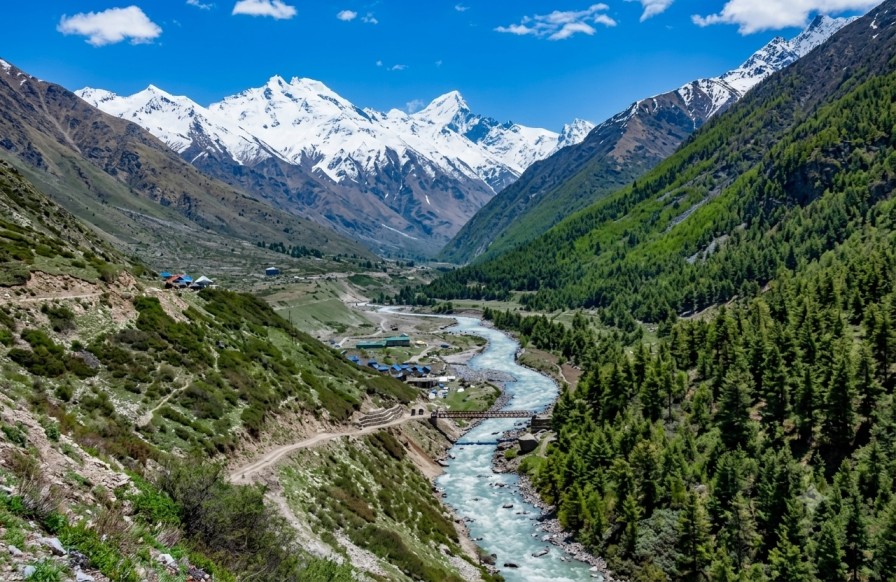
Baspa-Valley : Where Mountain Meets The River
Baspa Valley stands as one of the most visually captivating and serene destinations in the Himalayan region, representing an extraordinary blend of alpine wilderness and traditional Himachali culture. Nestled in the Kinnaur district of Himachal Pradesh, along the banks of the glacial Baspa River, this valley is also popularly known as Sangla Valley, named after its largest settlement. Bordered by dense deodar and pine forests, terraced apple orchards, and towering snow-capped peaks, the valley draws trekkers, photographers, nature lovers, and pilgrims from across India and beyond. The destination offers a landscape defined by turquoise river waters, traditional wood-and-stone Kinnauri architecture, high-altitude meadows, and an atmosphere of untouched natural tranquility that reflects centuries of harmonious life between mountain communities and their rugged surroundings.
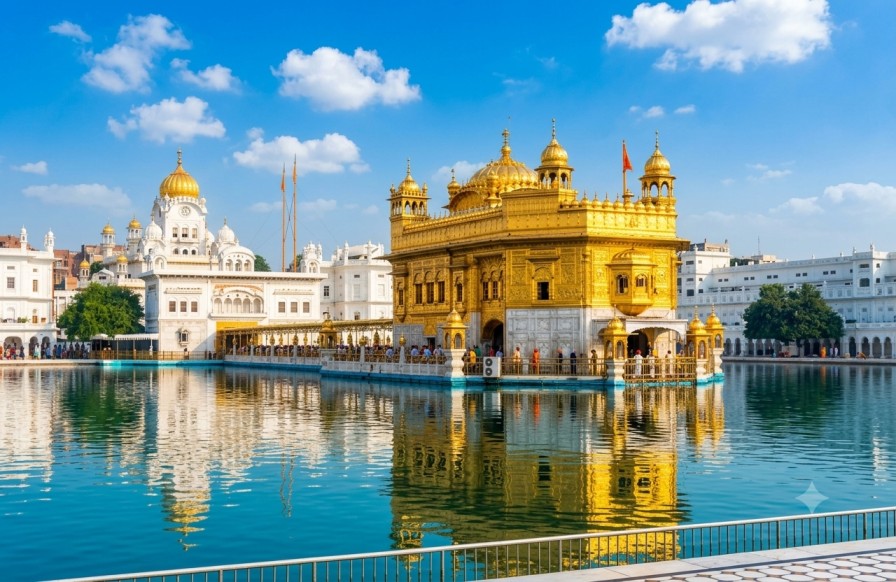
Chandigarh : The City Beautiful Of India
Chandigarh stands as one of the most meticulously planned and architecturally distinctive cities in India, representing a remarkable convergence of modernist urban design and serene natural beauty at the foothills of the Shivalik range. Serving as the joint capital of Punjab and Haryana, this well-organized city is recognized as India's first planned city of the post-independence era, celebrated for its visionary architecture, expansive gardens, and orderly sector-based layout, drawing architecture enthusiasts, families, and leisure travelers from across India and abroad. The destination offers a landscape defined by wide tree-lined avenues, a vast artificial lake, meticulously landscaped gardens, and an atmosphere of clean, organized urban calm that speaks to a bold experiment in modern city planning envisioned in the decades following independence.
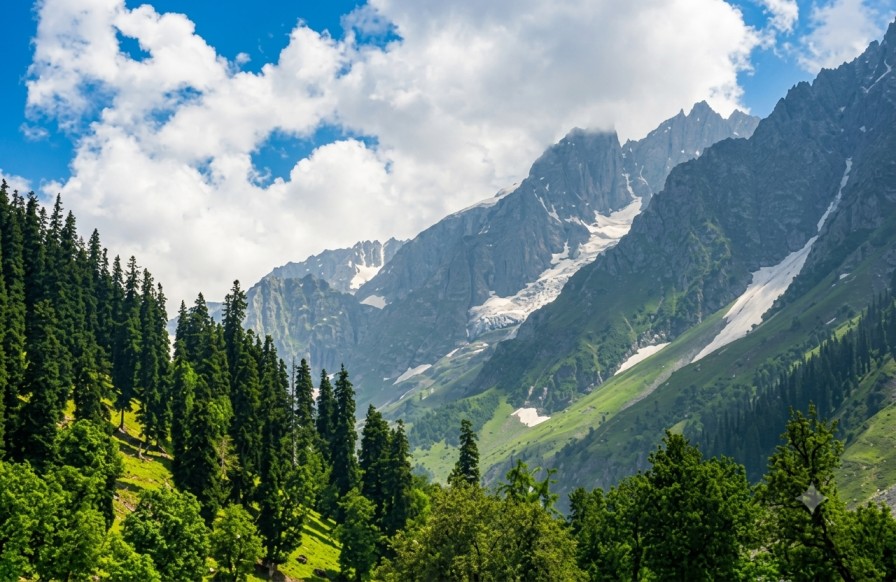
Srinagar : The Paradise On Earth In Kashmir
Srinagar stands as one of the most enchanting and culturally rich destinations in North India, representing a remarkable convergence of natural splendor, Mughal heritage, and centuries-old craftsmanship nestled in the heart of the Kashmir Valley. Serving as the summer capital of Jammu and Kashmir, this historic city is recognized as the crown jewel of Kashmir tourism, celebrated for its serene lakes, landscaped gardens, and timeless houseboats, drawing honeymooners, families, nature lovers, and heritage enthusiasts from across India and the world. The destination offers a landscape defined by the tranquil waters of Dal and Nigeen Lakes, snow-capped mountain backdrops, meticulously designed Mughal gardens, and an atmosphere of old-world charm that speaks to centuries of cultural and artistic continuity.
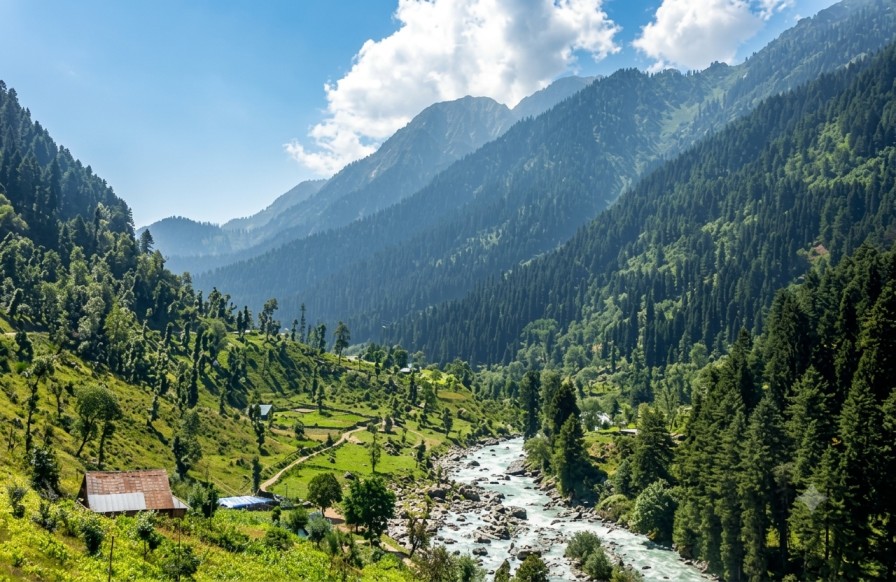
Chandanwari : Gateway To The Amarnath Yatra
Chandanwari stands as one of the most scenic and historically significant destinations in the Kashmir Valley, representing a remarkable convergence of natural splendor and spiritual tradition amid the Pir Panjal range. Situated approximately 16 kilometers from Pahalgam in the Anantnag district of Jammu and Kashmir, at an elevation of nearly 2,900 meters, this glacial valley is recognized as the traditional starting point of the sacred Amarnath Yatra and one of the most breathtaking snowline destinations in the region, drawing pilgrims, adventure seekers, photographers, and nature lovers from across India and abroad. The destination offers a landscape defined by perennial snow bridges, the swiftly flowing Lidder River, towering pine-clad slopes, and an atmosphere of raw Himalayan grandeur that speaks to the untamed beauty of the region.
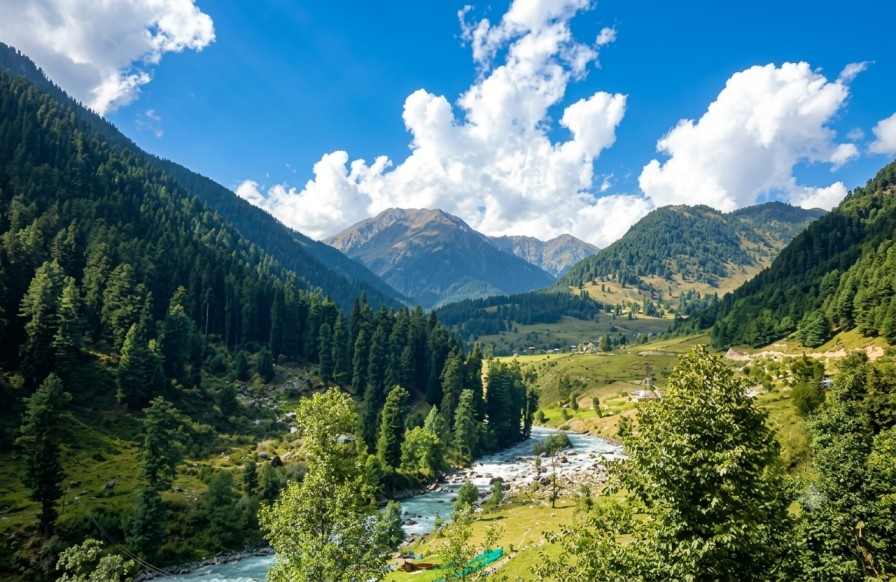
Aru-Valley : Kashmir's Hidden Meadow Paradise
Aru Valley stands as one of the most scenic and tranquil destinations in the Kashmir Valley, representing a remarkable blend of alpine meadows, pine forests, and snow-fed streams tucked away in the Pir Panjal range. Situated roughly 12 kilometers from Pahalgam in the Anantnag district of Jammu and Kashmir, this quaint hamlet is celebrated as one of the most picturesque base points for high-altitude trekking and nature retreats, drawing trekkers, photographers, honeymooners, and nature lovers from across India and abroad. The destination offers a landscape defined by rolling green meadows, gushing glacial streams, dense conifer forests, and towering snow-capped peaks that speak to the untouched natural beauty of the Kashmir Himalayas.
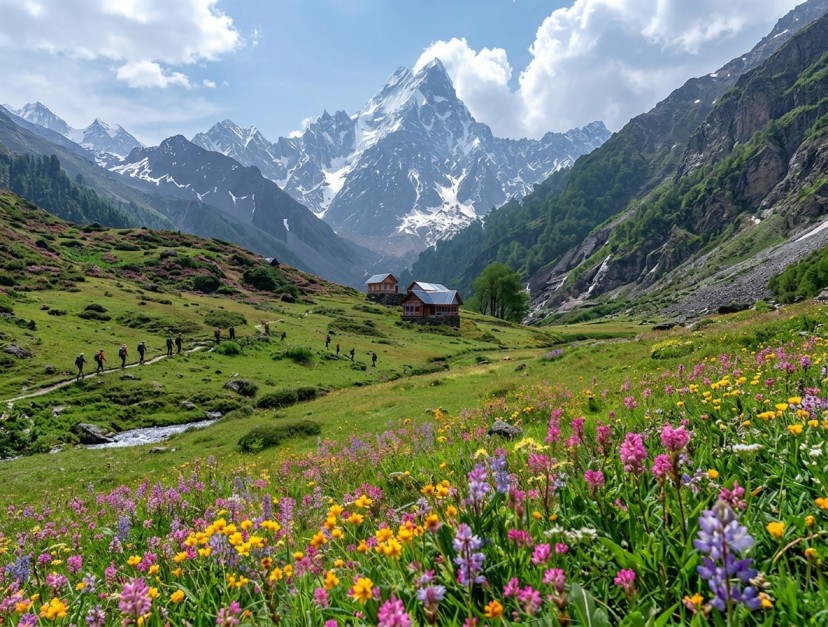
Valley-Of-Flowers : Floral Paradise Of Uttarakhand
High in the Western Himalayas, within the state of Uttarakhand, lies a destination that has captured the imagination of botanists, trekkers, and nature lovers for generations — the Valley of Flowers National Park. Recognized as a UNESCO World Heritage Site, this remarkable valley represents one of India's most spectacular natural attractions, transforming during a brief window each year into a landscape so vibrant and varied that it seems almost unreal — a true natural paradise that rewards those willing to undertake the journey to reach it.
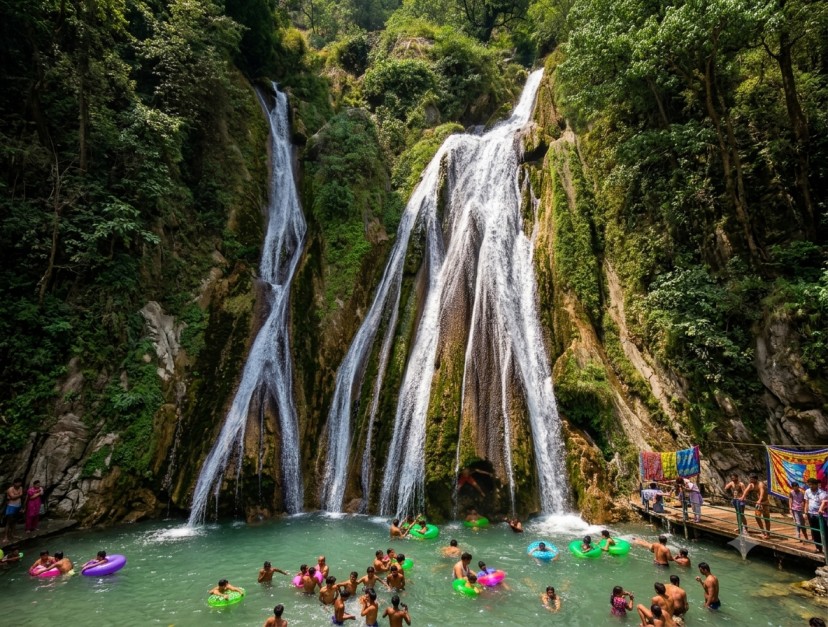
Kempty-Falls : Scenic Beauty Of Uttrakhand
Nestled amidst the lush hills of Mussoorie in the Dehradun district of Uttarakhand, Kempty Falls is one of the most popular and picturesque waterfalls in northern India. Located about 15 kilometers from Mussoorie on the Mussoorie–Yamunotri Road, the waterfall cascades from a height of nearly 40 feet (12 meters) into a series of natural pools surrounded by green hills and rocky cliffs. Established as a tourist attraction during the British era, Kempty Falls continues to captivate visitors with its refreshing waters, scenic landscapes, and lively atmosphere. Kempty Falls tourism attracts families, couples, solo travelers, photographers, nature lovers, and adventure enthusiasts seeking relaxation and natural beauty in the Himalayan foothills.
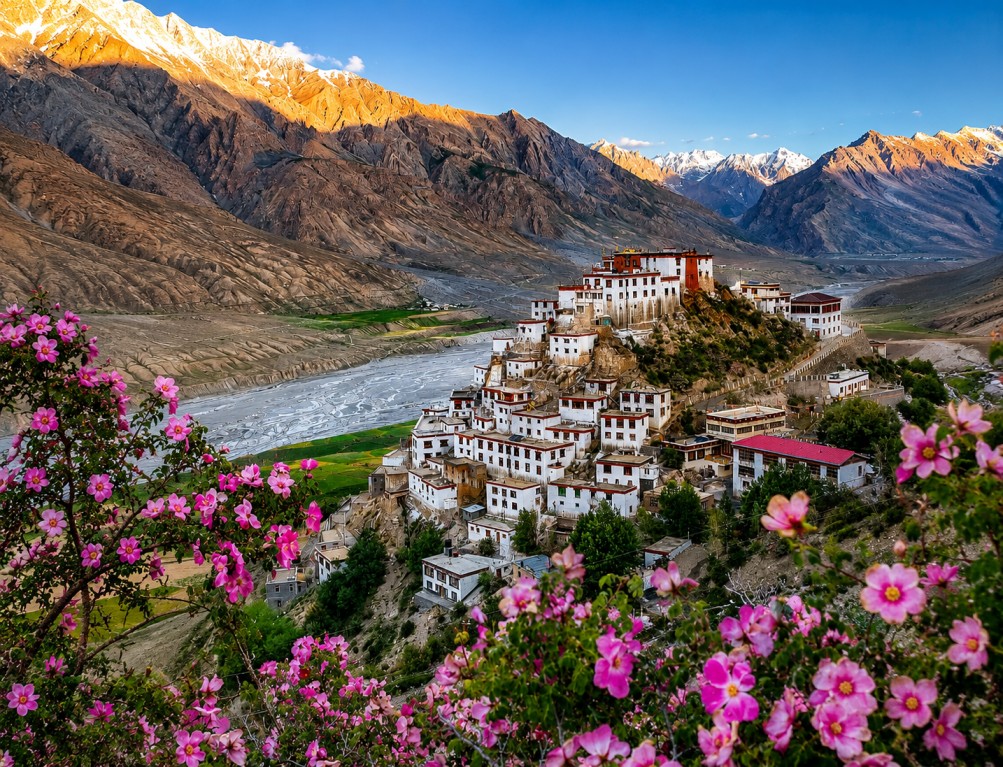
Spiti-Valley : Cold Desert Of Himachal Pradesh
Nestled in the northeastern part of Himachal Pradesh, Spiti Valley is one of India's most spectacular high-altitude destinations. Situated at elevations ranging from 3,000 to over 5,000 meters, the valley lies between Tibet and the Ladakh region, offering a mesmerizing landscape of barren mountains, ancient monasteries, turquoise rivers, and picturesque villages. The name "Spiti" means "The Middle Land," reflecting its location between India and Tibet. Renowned for its untouched beauty, Buddhist heritage, thrilling road journeys, and unique Himalayan culture, Spiti Valley tourism attracts families, couples, solo travelers, photographers, bikers, trekkers, nature lovers, and adventure enthusiasts seeking an unforgettable mountain experience.
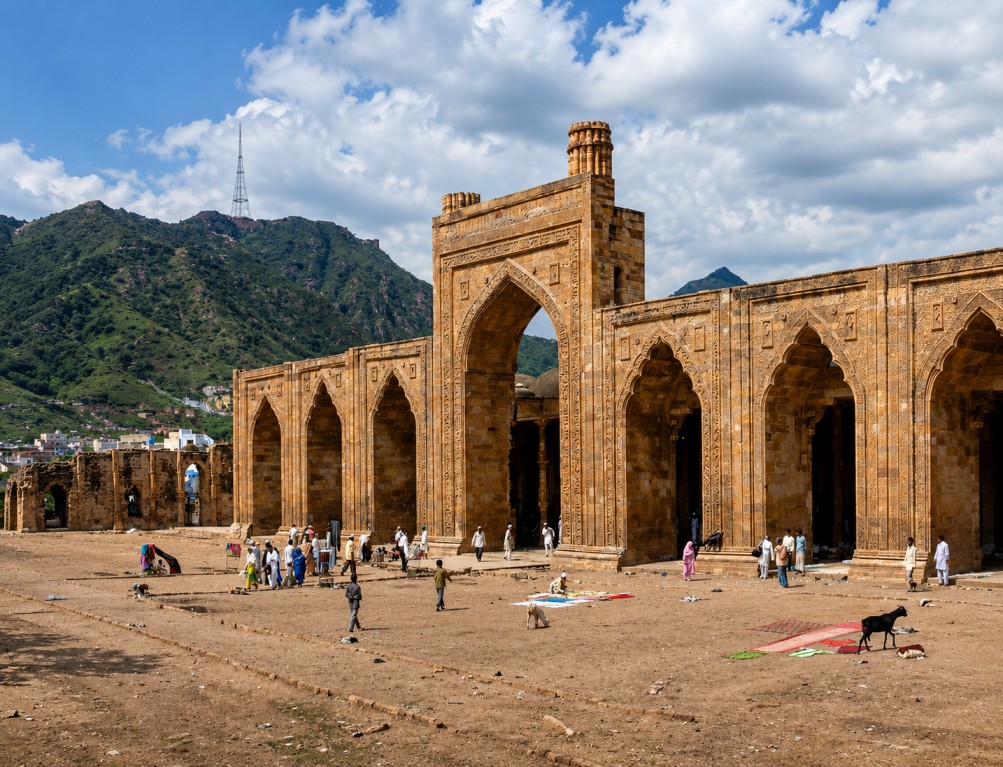
Adhai-Din-Ka-Jhonpra : Heritage Site In Rajasthan
Located in the historic city of Ajmer in Rajasthan, Adhai Din Ka Jhonpra is one of India's finest examples of early Indo-Islamic architecture. Situated at the foothills of Taragarh Fort and just a short distance from the famous Ajmer Sharif Dargah, this remarkable monument attracts history enthusiasts, architecture lovers, photographers, pilgrims, and cultural travelers from around the world. Built during the late 12th century, Adhai Din Ka Jhonpra is admired for its intricate carvings, magnificent arches, elegant pillars, and fascinating historical significance. Today, it stands as one of Rajasthan's most important heritage monuments, offering visitors a glimpse into centuries of artistic craftsmanship and cultural evolution
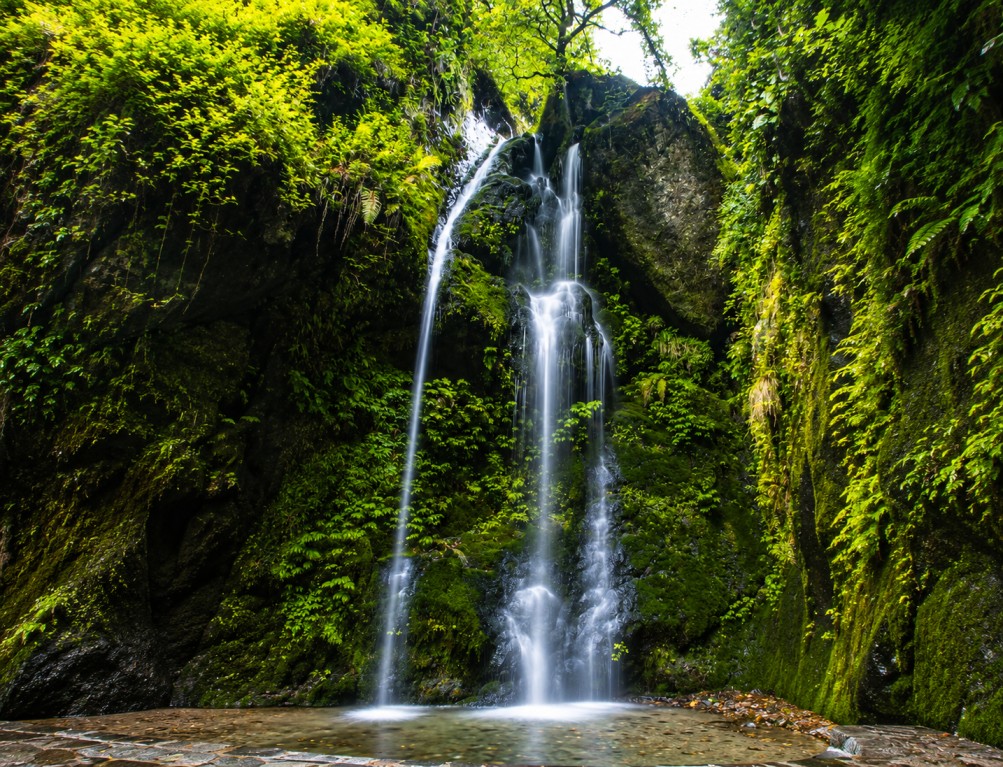
Jibhi-Waterfall : Hidden Gem Of Himachal Pradesh
Tucked away in the charming village of Jibhi in the Banjar Valley of Himachal Pradesh's Kullu district, Jibhi Waterfall is a peaceful natural attraction surrounded by dense pine, cedar, and oak forests. Located close to the famous Tirthan Valley and Jalori Pass, this picturesque waterfall is known for its crystal-clear mountain water, wooden bridges, moss-covered rocks, and tranquil surroundings. Away from the crowds of popular hill stations, Jibhi Waterfall offers visitors an opportunity to relax amidst nature while experiencing the untouched beauty of the Himalayas. Jibhi Waterfall tourism appeals to families, couples, solo travelers, photographers, trekkers, and nature enthusiasts seeking a refreshing offbeat destination.
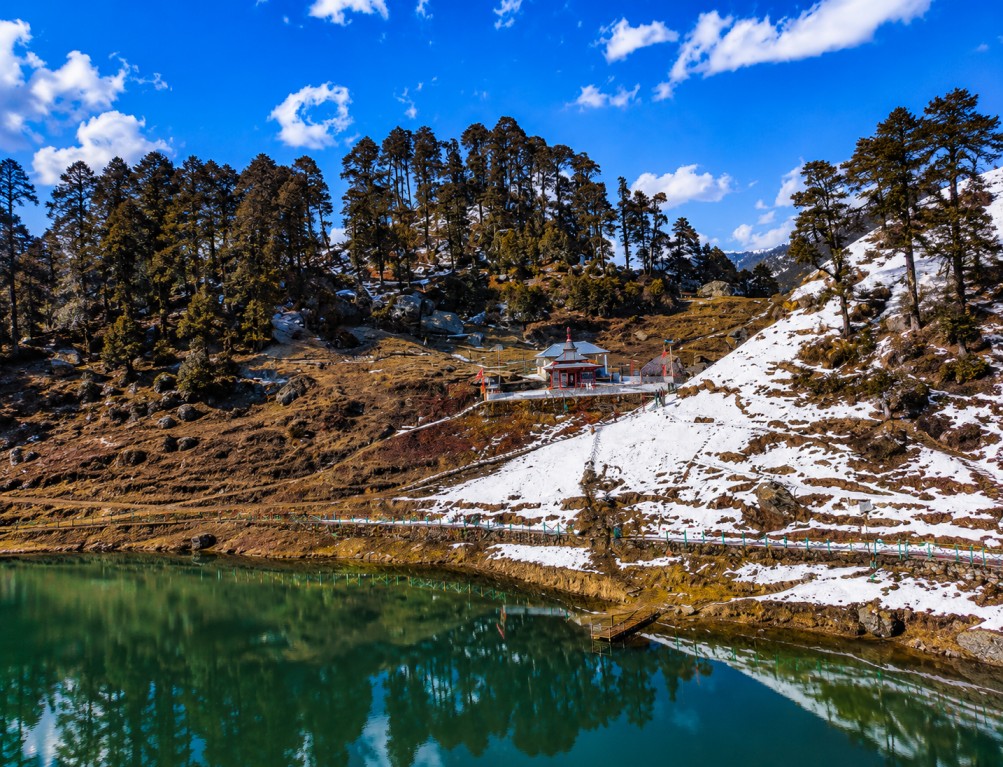
Serolsar-Lake : A Peaceful Himalayan Escape
Hidden amidst the dense forests of the Kullu district in Himachal Pradesh, Serolsar Lake is one of the state's most beautiful high-altitude lakes. Situated at an elevation of approximately 3,100 meters (10,170 feet) near the famous Jalori Pass, this crystal-clear alpine lake is surrounded by towering deodar, oak, and pine forests that create a peaceful and enchanting atmosphere. Revered for its spiritual significance and pristine natural beauty, Serolsar Lake is a favorite destination for trekkers, nature lovers, photographers, families, couples, and adventure enthusiasts. Serolsar Lake tourism offers the perfect combination of scenic trekking, Himalayan landscapes, cultural heritage, and tranquil surroundings, making it one of Himachal Pradesh's finest offbeat destinations.
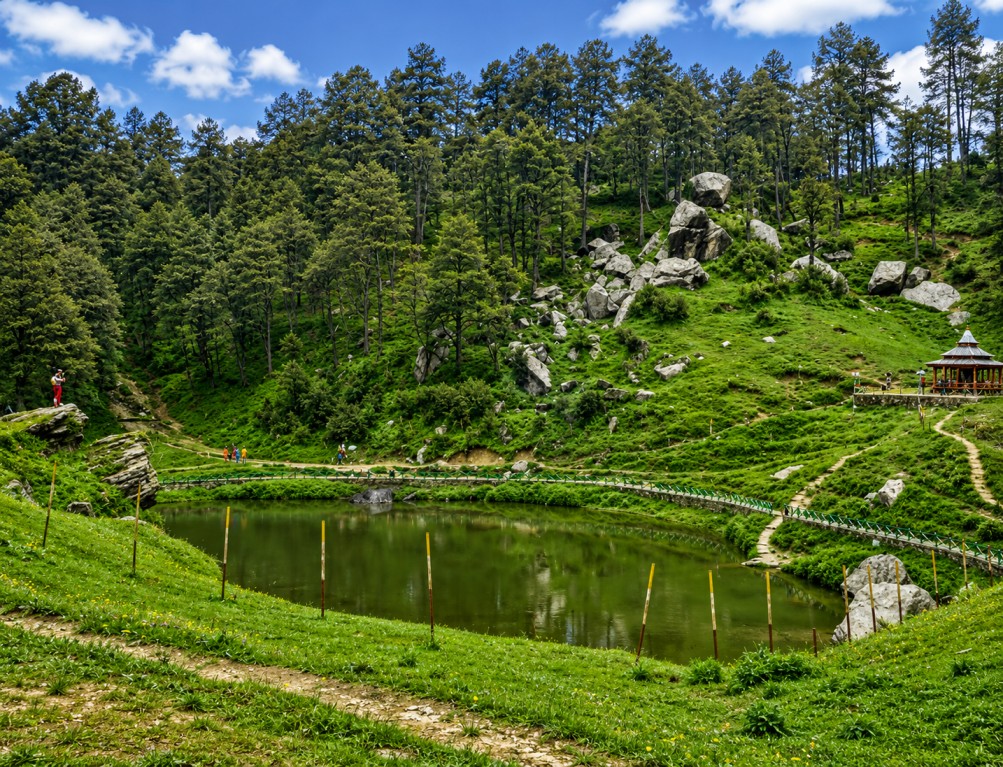
Jalori-Pass : Where Forests Meets The Himalayas
Nestled in the Kullu district of Himachal Pradesh at an altitude of approximately 3,120 meters (10,236 feet), Jalori Pass is one of the most picturesque mountain passes in the Indian Himalayas. Connecting the Kullu Valley with the Shimla region through the scenic Banjar Valley, the pass is known for its dense deodar forests, snow-covered peaks, alpine meadows, and breathtaking panoramic views. Unlike the more crowded mountain destinations of Himachal Pradesh, Jalori Pass offers a peaceful retreat for travelers seeking untouched natural beauty and authentic Himalayan experiences. Jalori Pass tourism attracts families, couples, solo travelers, trekkers, photographers, bikers, and adventure enthusiasts looking to explore one of the state's most charming offbeat destinations.
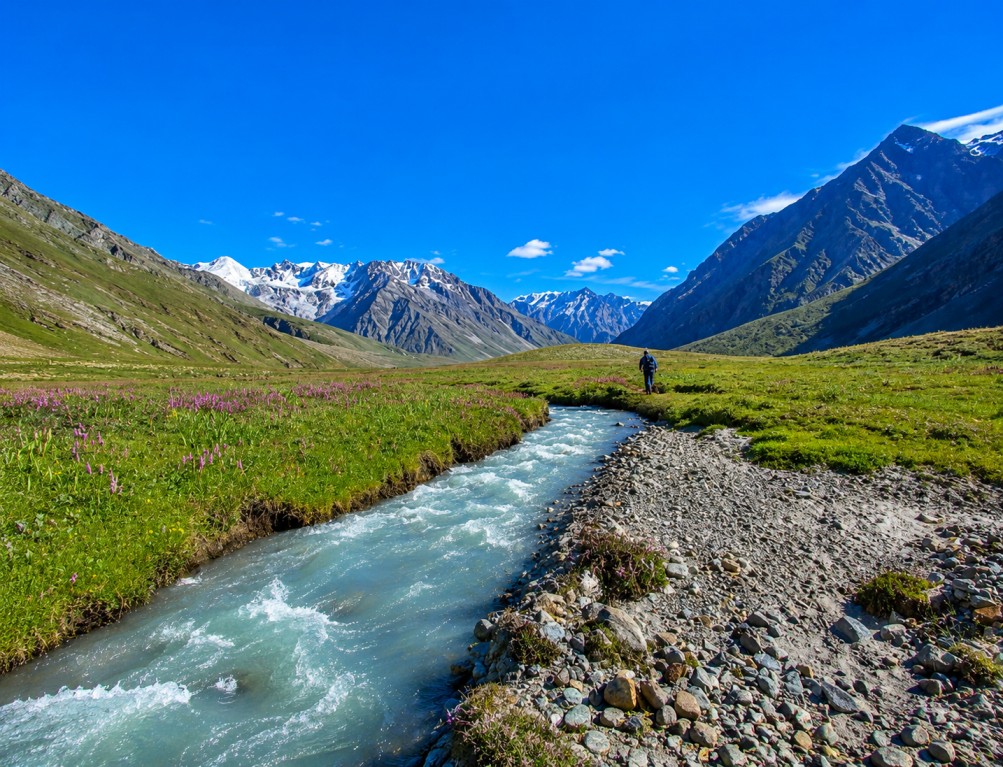
Miyar Valley: Where Adventure Meets Untouched Beauty
Tucked away in the Lahaul region of Himachal Pradesh, Miyar Valley is one of the Indian Himalayas' most spectacular yet least-explored destinations. Stretching from Udaipur in Lahaul to the remote village of Khanjar, the valley follows the pristine Miyar River and is surrounded by towering snow-clad peaks, alpine meadows, glaciers, and dramatic rock faces. Often referred to as the "Valley of Flowers of Himachal Pradesh," Miyar Valley is famous for its colorful summer blooms, untouched wilderness, and world-class trekking routes. Miyar Valley tourism is ideal for families seeking peaceful mountain escapes, couples looking for secluded landscapes, solo travelers, photographers, nature lovers, and adventure enthusiasts eager to explore one of Himachal Pradesh's most pristine Himalayan regions.
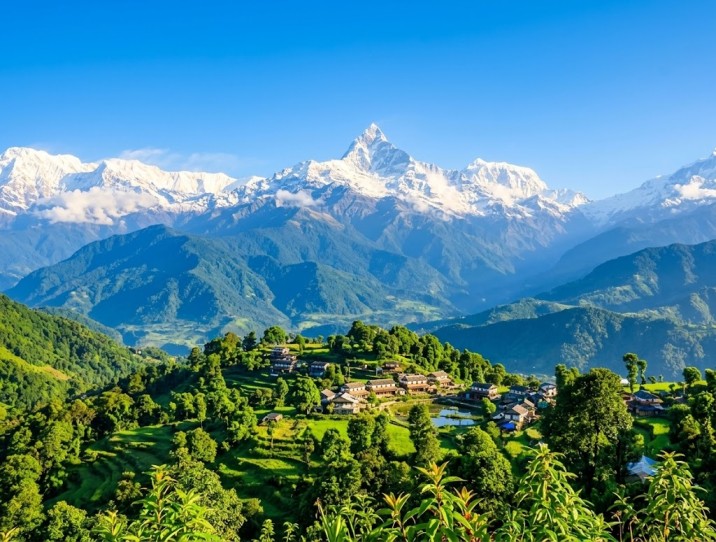
Chaukori - Where Every Sunrise Is Magical
Nestled in the Pithoragarh district of Uttarakhand, Chaukori is a serene hill station known for its breathtaking Himalayan views, lush tea gardens, and tranquil surroundings. Perched at an altitude of about 2,010 meters above sea level, this hidden gem offers uninterrupted panoramas of majestic peaks, including Nanda Devi, Panchachuli, Nanda Kot, and Trishul. Away from the crowds of popular hill stations, Chaukori tourism is ideal for travelers seeking peace, natural beauty, and authentic Kumaoni culture. Surrounded by pine forests, rhododendron trees, orchards, and rolling hills, Chaukori provides the perfect setting for families, couples, solo travelers, photographers, and nature enthusiasts looking for a refreshing mountain escape.
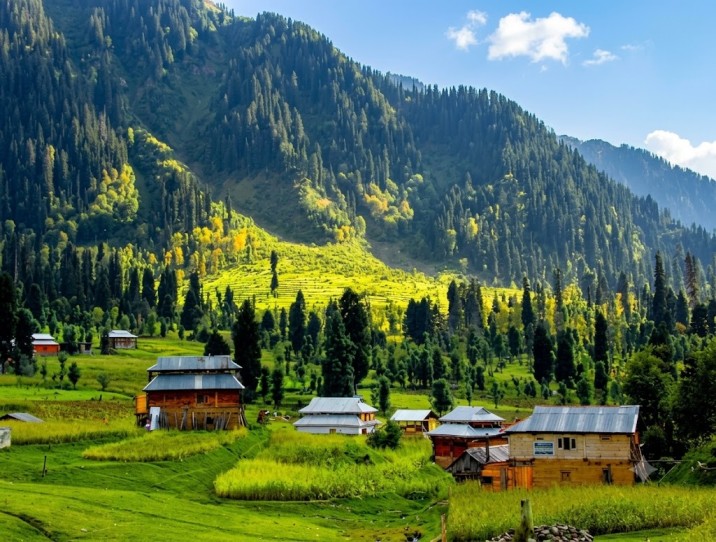
Daksum: The Gateway to Kashmir's Hidden Wonders
Situated in the South Sikkim district at an altitude of around 1,675 meters above sea level, Namchi is a picturesque hill town that perfectly blends spirituality, natural beauty, and cultural heritage. The name Namchi translates to "Top of the Sky," reflecting its elevated location and spectacular views of the Eastern Himalayas. Surrounded by lush green hills, tea gardens, monasteries, and snow-capped peaks, Namchi has become one of Sikkim's most popular travel destinations. With iconic religious landmarks, peaceful landscapes, and vibrant local traditions, Namchi tourism appeals to families, couples, solo travelers, photographers, pilgrims, and adventure enthusiasts looking for an unforgettable Himalayan getaway.
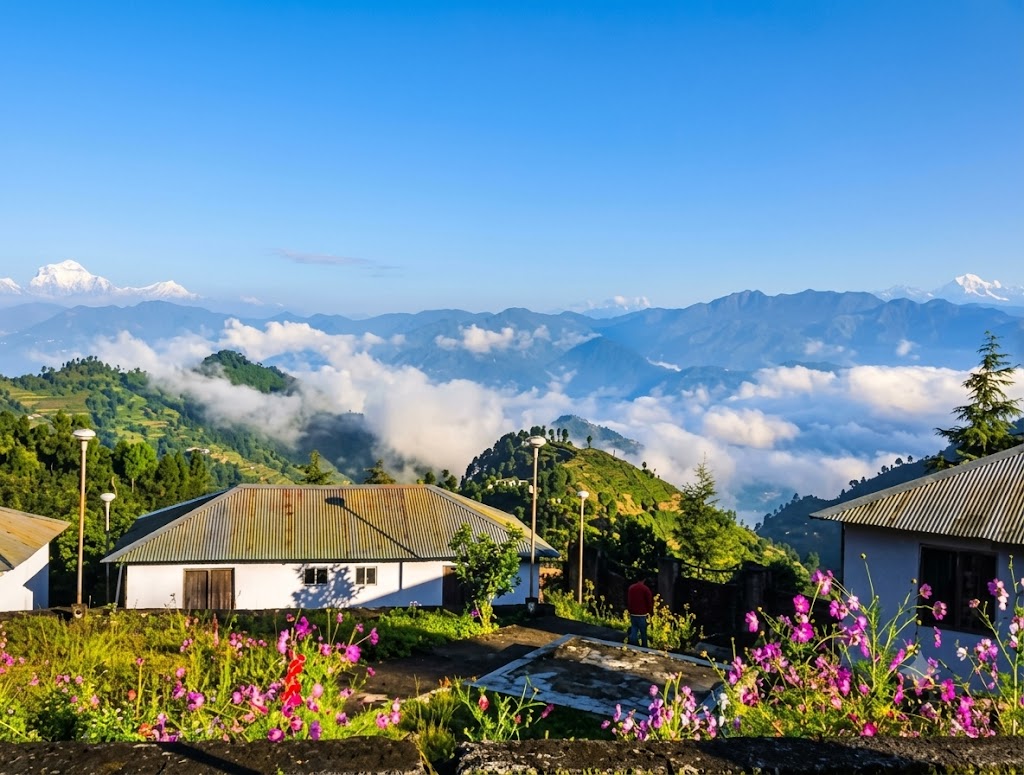
Khirsu - Nature's Peaceful Escape Region
Nestled in the Pauri Garhwal district of Uttarakhand, Khirsu is a tranquil hill station renowned for its panoramic Himalayan views, dense forests, and peaceful surroundings. Located at an altitude of around 1,700 meters above sea level, this lesser-known destination offers a refreshing escape from crowded tourist spots. Surrounded by oak, deodar, and pine forests, along with sprawling apple orchards, Khirsu overlooks some of the highest peaks of the Garhwal Himalayas, including Nanda Devi, Trishul, Nanda Kot, and Panchachuli on clear days. Khirsu tourism is perfect for travelers seeking natural beauty, quiet mountain landscapes, and an authentic Garhwali experience. Whether you are planning a family vacation, a romantic getaway, or a solo retreat, Khirsu promises a memorable Himalayan journey.
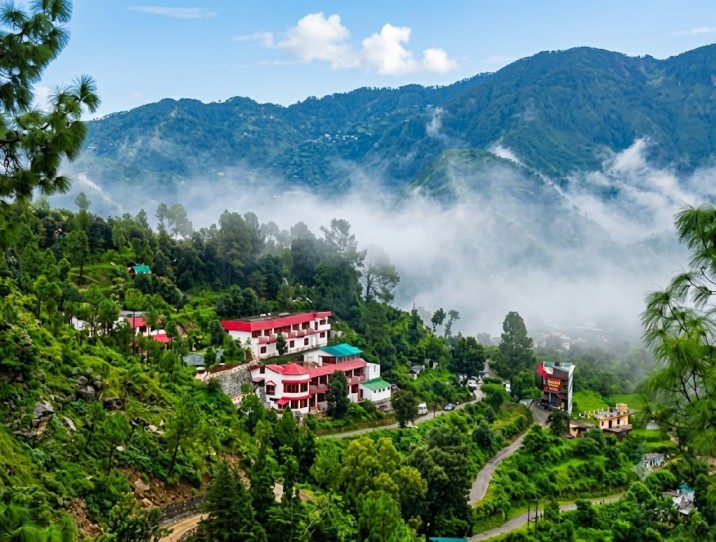
lansdowne- A Timeless Hill Station
Nestled in the Pauri Garhwal district of Uttarakhand, Lansdowne is a charming hill station renowned for its colonial heritage, lush forests, and breathtaking Himalayan views. Situated at an altitude of approximately 1,700 meters above sea level, this serene destination was established as a British cantonment in 1887 and continues to retain its old-world charm. Surrounded by dense oak and pine forests, quiet mountain roads, and panoramic viewpoints, Lansdowne tourism offers a refreshing escape from the hustle and bustle of city life. Its pleasant climate, rich history, and scenic beauty make it an ideal destination for families, couples, solo travelers, photographers, and nature enthusiasts seeking a peaceful Himalayan retreat.
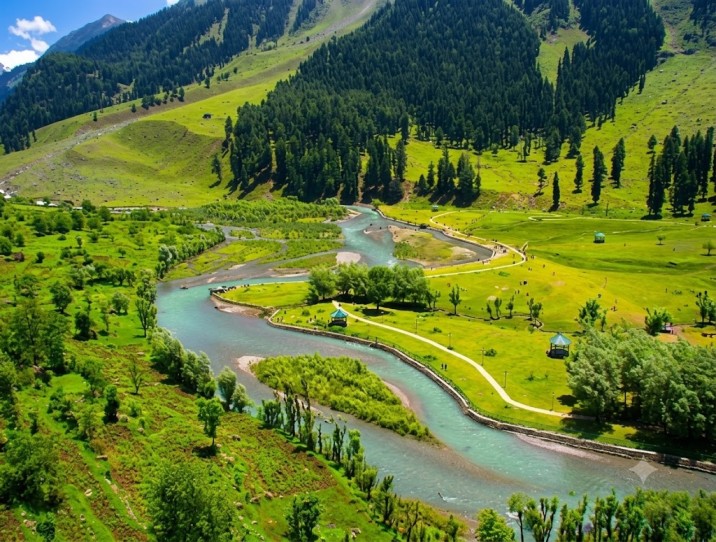
Betaab Valley: The Green Gem of Jammu and Kashmir
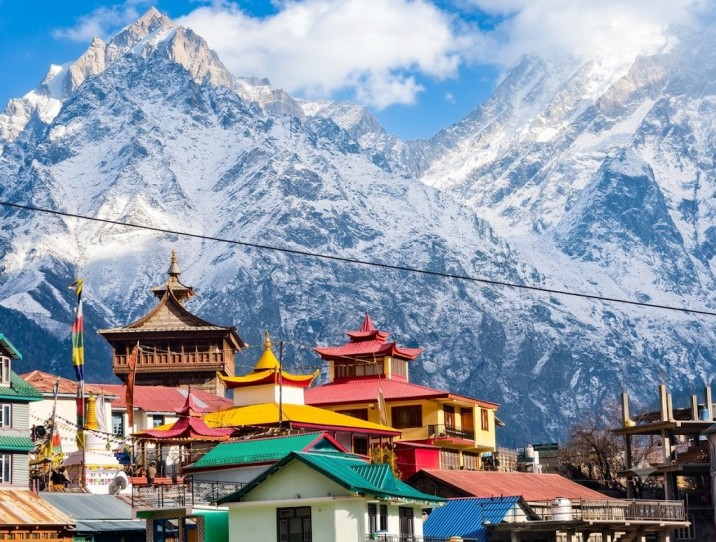
Kalpa- the crown jewel of kinnaur
Nestled in the heart of Kinnaur district, Kalpa is one of Himachal Pradesh's most scenic hill destinations, celebrated for its breathtaking Himalayan landscapes, traditional Kinnauri culture, and tranquil atmosphere. Perched at an altitude of around 2,960 meters above sea level, Kalpa overlooks the majestic Kinnaur Kailash Range, whose snow-covered peaks dominate the skyline throughout the year. Surrounded by apple orchards, pine forests, and terraced fields, this picturesque village offers an unforgettable blend of natural beauty and cultural heritage. Kalpa tourism attracts families, honeymooners, solo travelers,
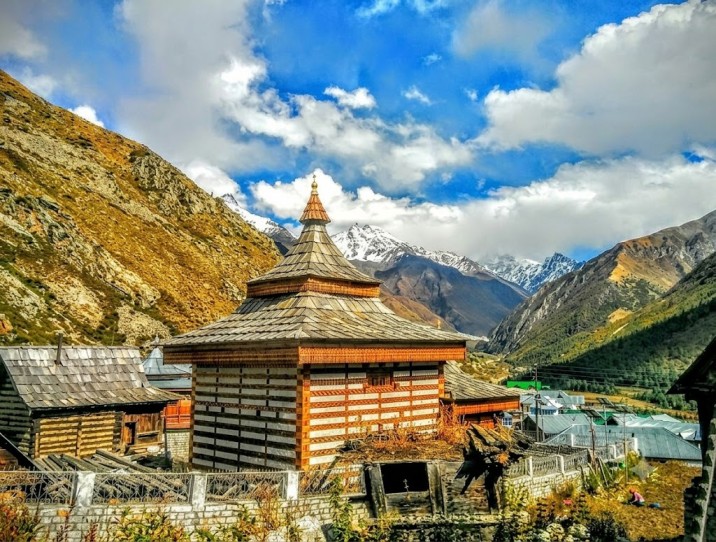
Chitkul - India's Last Village
Nestled in the breathtaking Baspa Valley of Kinnaur district, Chitkul is the last inhabited village on the Indo-Tibetan border in Himachal Pradesh. Situated at an altitude of approximately 3,450 meters above sea level, this picturesque Himalayan village is celebrated for its snow-capped peaks, lush meadows, crystal-clear rivers, and traditional Kinnauri culture. Surrounded by towering mountains, dense forests, and the pristine Baspa River, Chitkul offers a peaceful escape from crowded tourist destinations. Chitkul tourism is perfect for families, couples, solo travelers, photographers, nature lovers, and adventure enthusiasts seeking an authentic Himalayan experience amidst spectacular natural beauty.
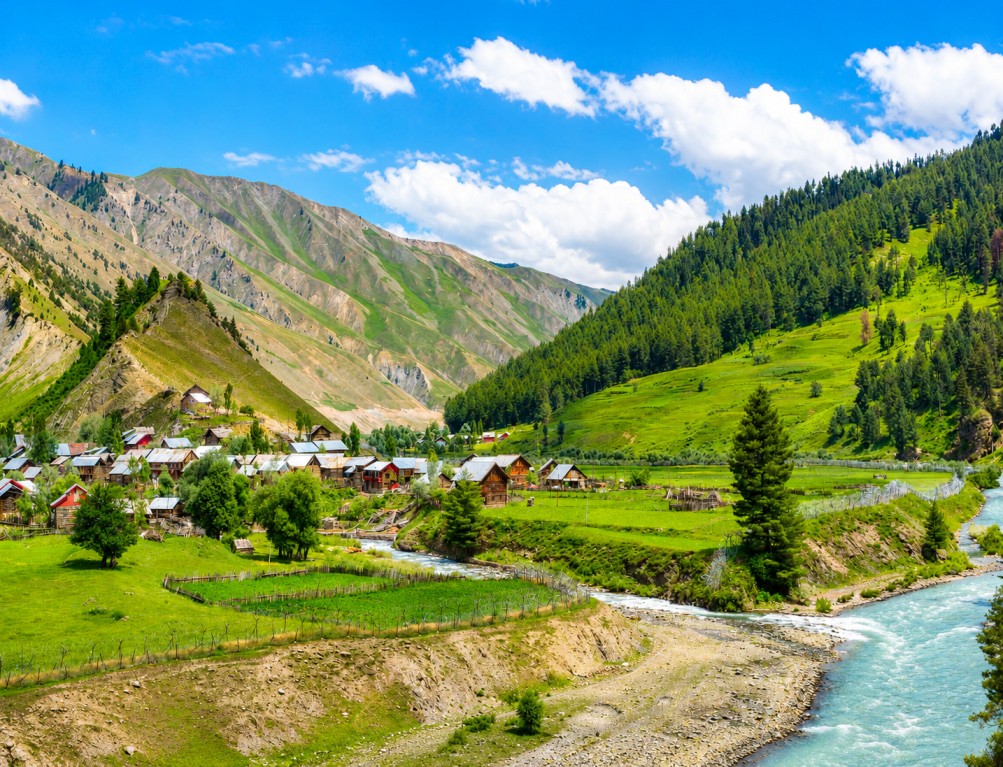
Tulai-Valley : Hidden Gem Of Zanskar
Nestled in the remote Gurez region of Bandipora district, Tulail Valley is one of Jammu & Kashmir's most pristine and least-explored destinations. Stretching beyond the picturesque Gurez Valley toward the Line of Control, this breathtaking Himalayan valley is known for its dramatic mountain landscapes, crystal-clear rivers, traditional villages, and rich Dard-Shina culture. Surrounded by towering snow-capped peaks and lush alpine meadows, Tulail Valley offers an unforgettable escape into nature. Far from the crowds of mainstream tourist destinations, Tulail Valley tourism is ideal for families, couples, solo travelers, photographers, nature enthusiasts, and adventure seekers looking to experience the untouched beauty of Kashmir.
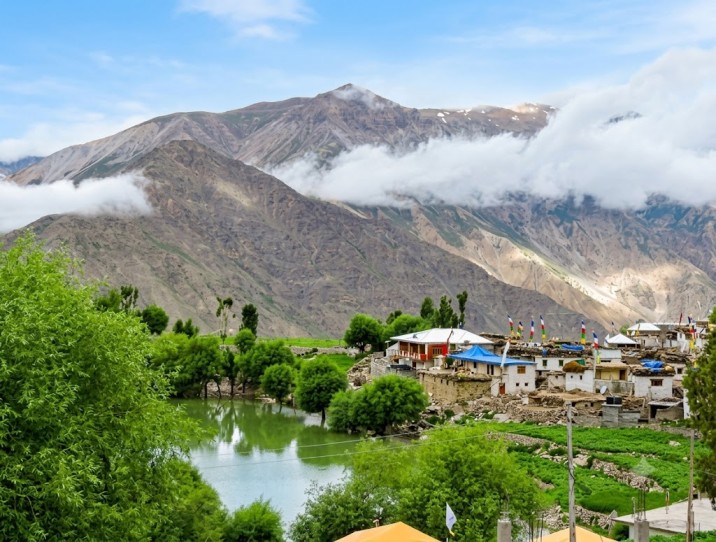
Nako - A Tranquil Himalayan Oasis
Perched at an altitude of approximately 3,660 meters above sea level in the Kinnaur district of Himachal Pradesh, Nako is a serene Himalayan village known for its picturesque lake, ancient monastery, dramatic mountain landscapes, and rich Indo-Tibetan culture. Situated along the famous Hindustan–Tibet Road, Nako serves as a gateway to the Spiti Valley and is one of the most peaceful destinations in the region. Surrounded by barren mountains, snow-clad peaks, willow and poplar trees, and traditional mud-brick houses, Nako tourism offers a unique blend of natural beauty, spirituality, and cultural heritage. The village is an ideal destination for families, couples, solo travelers, photographers, nature lovers, and adventure enthusiasts seeking an authentic Himalayan experience.
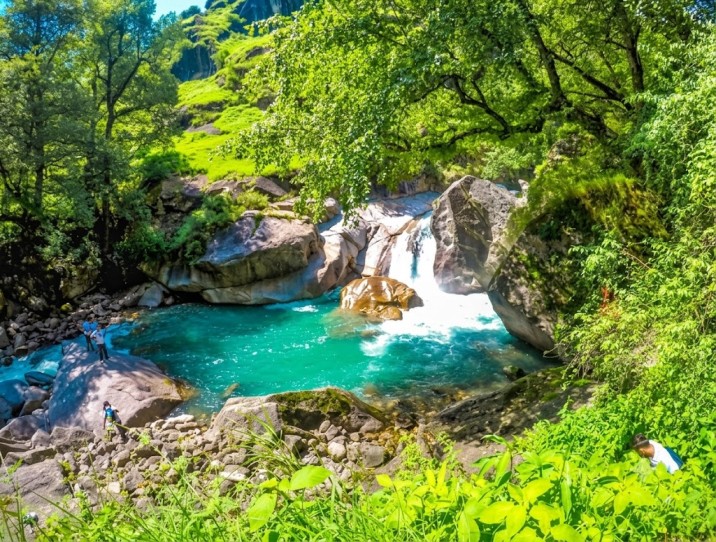
Tirthan Valley - Where Nature Flows Freely
Nestled in the Kullu district of Himachal Pradesh, Tirthan Valley is one of the state's most beautiful offbeat destinations, celebrated for its pristine rivers, lush forests, charming villages, and breathtaking Himalayan landscapes. Named after the crystal-clear Tirthan River that flows through the valley, this peaceful retreat lies at an altitude of around 1,600 meters and serves as the gateway to the Great Himalayan National Park, a UNESCO World Heritage Site. Unlike the bustling hill stations of Himachal Pradesh, Tirthan Valley offers a serene atmosphere where visitors can reconnect with nature, explore traditional mountain culture, and enjoy outdoor adventures. Tirthan Valley tourism is ideal for families, couples, solo travelers, photographers, wildlife enthusiasts, and adventure seekers looking for an authentic Himalayan escape.
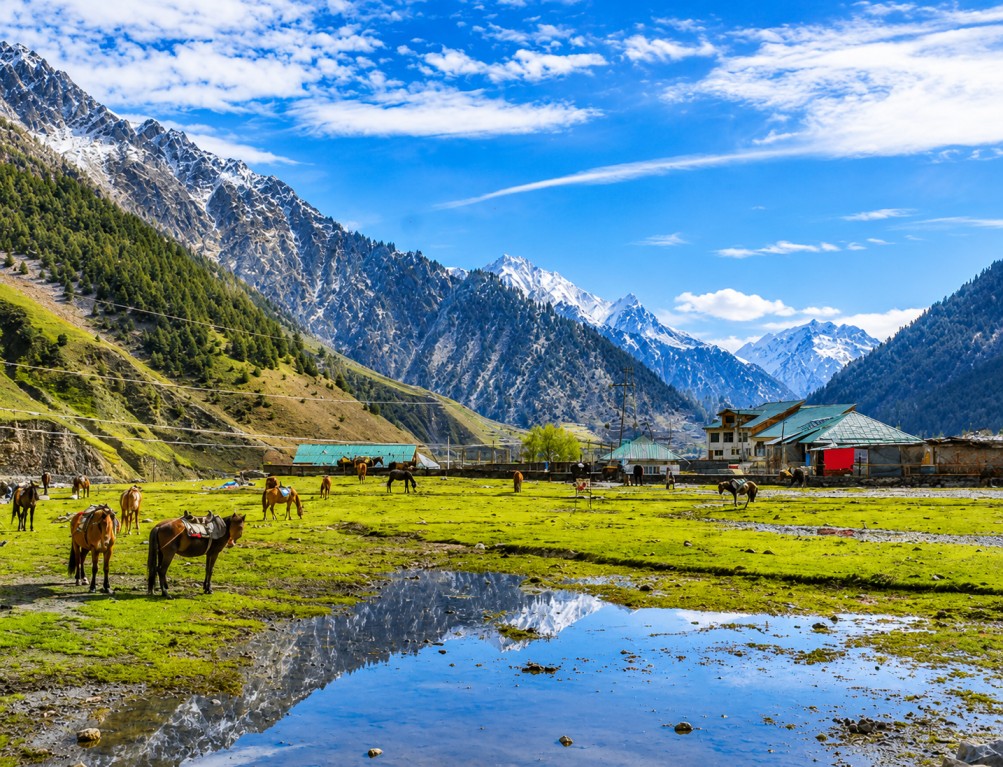
Bangas-Valley : A Hidden Meadow of Untouched Beauty
Hidden in the Kupwara district of Jammu & Kashmir, Bangus Valley is one of the region's most pristine and least-explored destinations. Nestled at an altitude of around 3,300 meters above sea level near the Line of Control, this breathtaking alpine valley is renowned for its vast meadows, dense coniferous forests, crystal-clear streams, and panoramic Himalayan landscapes. Spread across approximately 300 square kilometers, Bangus Valley remains largely untouched by mass tourism, making it an ideal destination for travelers seeking solitude, natural beauty, and authentic wilderness experiences. Bangus Valley tourism appeals to families, couples, solo travelers, photographers, wildlife enthusiasts, and adventure seekers looking to discover one of Kashmir's hidden gems.
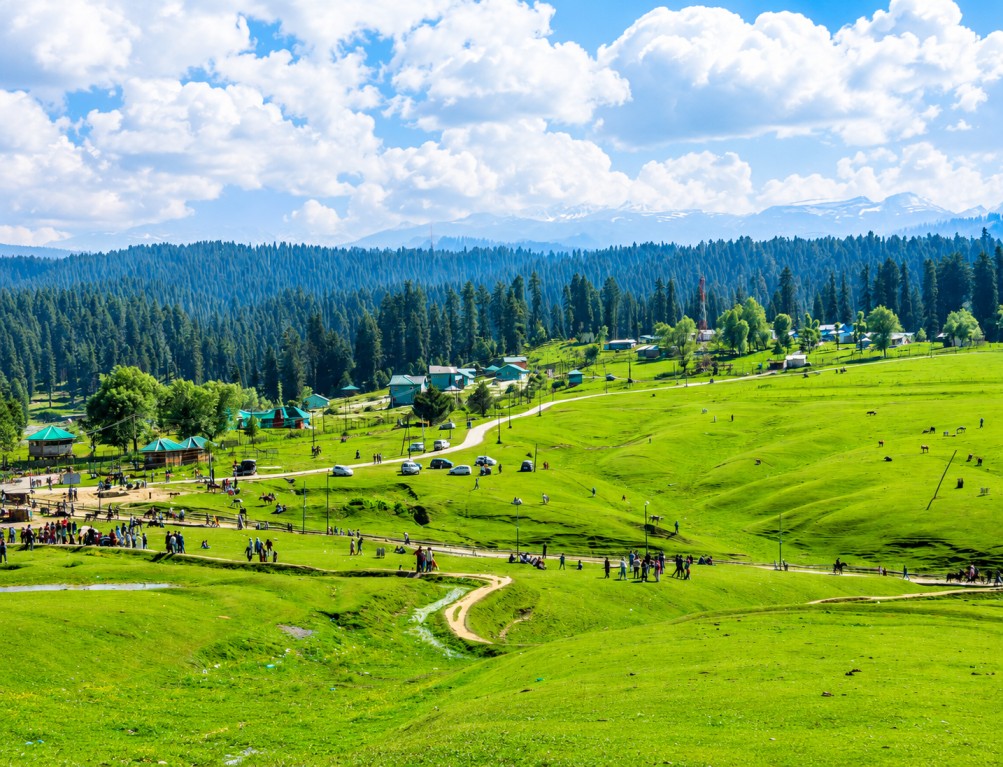
Yusmarg : The Meadow Of Jesus In Kashmir
Nestled in the Budgam district of Jammu & Kashmir, Yusmarg is a tranquil hill destination celebrated for its rolling green meadows, dense pine forests, snow-capped mountains, and unspoiled natural beauty. Located at an altitude of approximately 2,396 meters above sea level and about 50 kilometers from Srinagar, Yusmarg offers a peaceful escape from crowded tourist destinations. Often referred to as the "Meadow of Jesus," local legends suggest that Jesus Christ may have visited the region during his travels, though this belief is not supported by historical evidence. Today, Yusmarg tourism is cherished for its breathtaking landscapes, pleasant climate, and opportunities for nature-based experiences. It is an ideal destination for families, couples, solo travelers, photographers, and adventure enthusiasts seeking the quieter side of Kashmir.
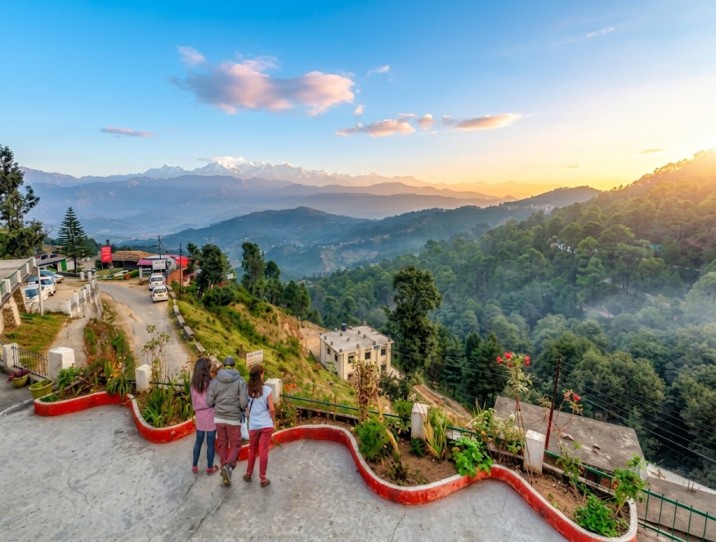
Kausani - Where The Hmalayas Embrace Serenity
Perched at an altitude of approximately 1,890 meters in the Bageshwar district of Uttarakhand, Kausani is a charming hill station celebrated for its breathtaking Himalayan views, peaceful surroundings, and lush natural beauty. Often referred to as the "Switzerland of India" because of its spectacular mountain vistas, Kausani overlooks majestic peaks such as Nanda Devi, Trishul, and Panchachuli. Surrounded by pine forests, tea gardens, and terraced farms, this tranquil destination offers a perfect escape from city life. Kausani tourism attracts families, honeymooners, solo travelers, photographers, nature enthusiasts, and adventure seekers looking to experience the serene beauty and rich cultural heritage of the Kumaon Himalayas.
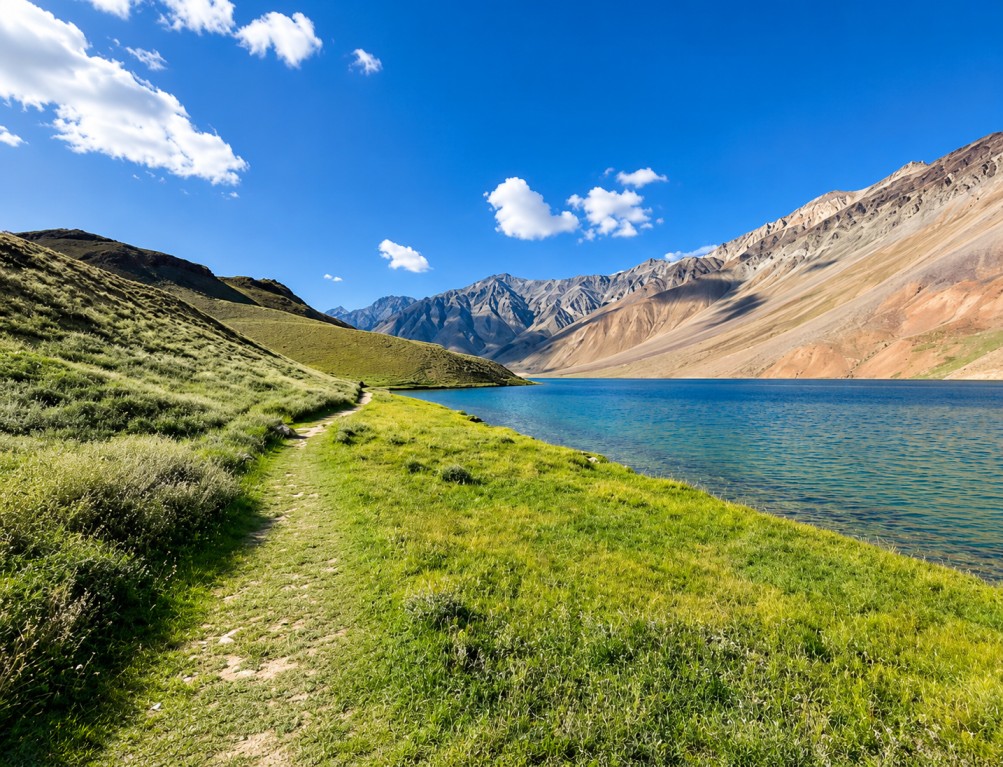
Chandratal-Lake : Where Sky Meets The Mountains
Nestled in the remote Spiti region of Himachal Pradesh, Chandratal Lake is one of India's most breathtaking high-altitude lakes. Situated at an elevation of approximately 4,300 meters (14,100 feet) above sea level on the Samudra Tapu Plateau, this crescent-shaped lake is surrounded by the towering peaks of the Himalayas. Often called the "Moon Lake" because of its distinctive shape, Chandratal is renowned for its crystal-clear turquoise waters, dramatic alpine landscapes, and serene atmosphere. Chandratal Lake tourism attracts nature lovers, trekkers, photographers, campers, and adventure enthusiasts seeking an unforgettable Himalayan experience in one of the country's most spectacular natural settings.
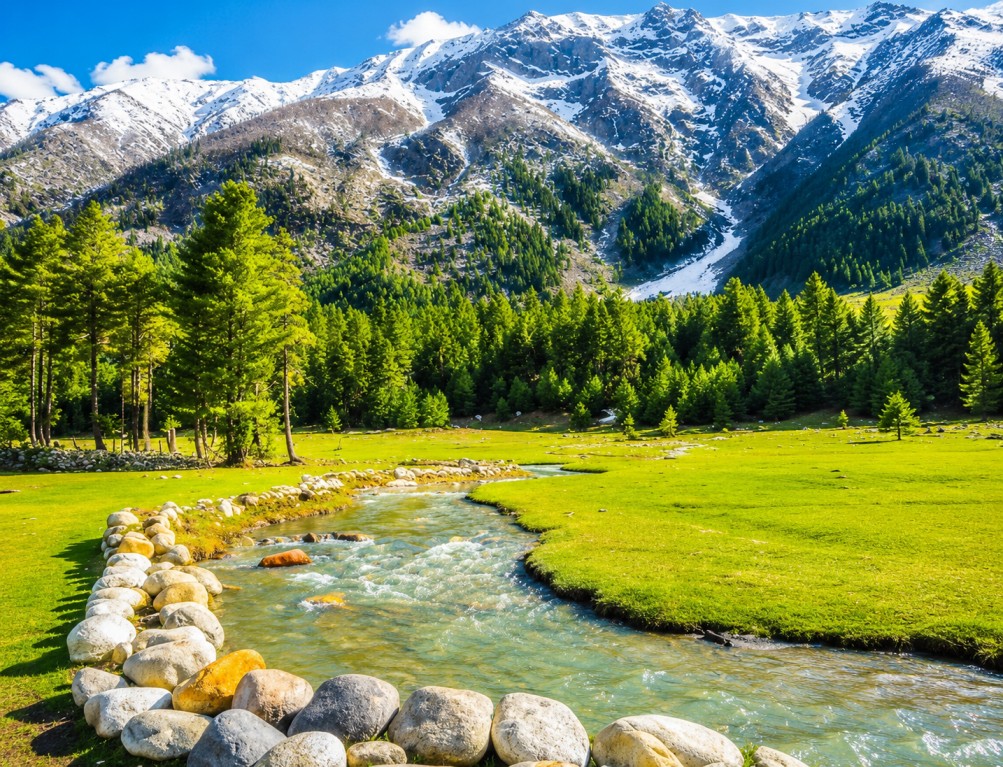
Rakchham : Hidden Gem Of Sangla Valley
Nestled in the breathtaking Baspa Valley of Kinnaur district, Rakchham is a picturesque Himalayan village that captivates visitors with its snow-capped mountains, lush meadows, crystal-clear rivers, and traditional Kinnauri culture. Located at an altitude of around 3,050 meters above sea level, Rakchham lies between Sangla and Chitkul, making it one of the most scenic stops along the Baspa Valley route. Surrounded by towering peaks, dense pine forests, apple orchards, and the sparkling Baspa River, Rakchham tourism offers a peaceful escape for travelers seeking untouched natural beauty and authentic mountain experiences. Whether you are a family on vacation, a couple looking for a romantic retreat, a solo explorer, or an adventure enthusiast, Rakchham promises an unforgettable Himalayan journey.
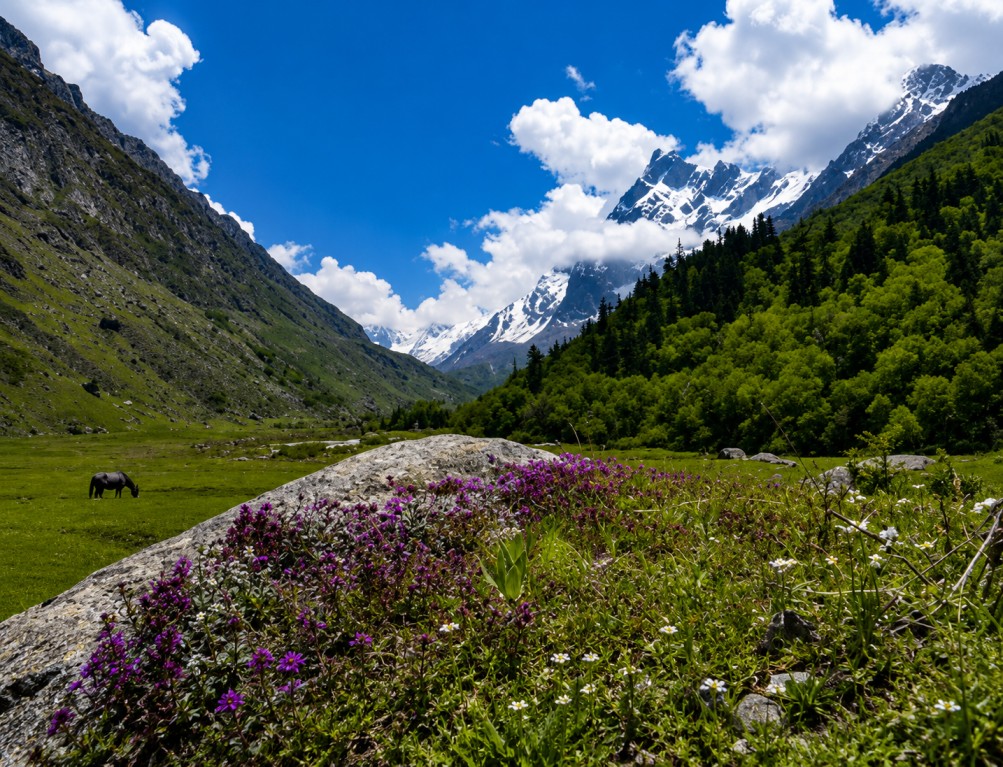
Har-Ki-Dun Valley : Valley Of Gods In Uttarakhand
Har Ki Doon Valley stands as one of the most scenically magnificent and culturally extraordinary destinations in the Indian Himalayan region, representing a cradle-shaped glacial valley of rare natural beauty nestled deep within the Garhwal Himalayas where ancient villages of remarkable antiquity, dense forests of oak and rhododendron, alpine meadows carpeted with seasonal wildflowers, and snow-crowned peaks of dramatic grandeur combine to create a trekking destination of exceptional and enduring appeal. Situated in the Uttarkashi district of Uttarakhand within the Govind Pashu Vihar National Park and Sanctuary, accessible only on foot through a journey of several days through the Tons River valley and its tributaries, Har Ki Doon rests at an elevation of approximately 3566 metres above sea level in a setting of Himalayan landscape beauty that rewards the effort of approach with an experience of mountain wilderness and living cultural heritage found in very few places remaining in the Indian Himalayan range. The destination draws trekkers, mountaineers, nature enthusiasts, cultural travelers, and wilderness seekers from across the country and the world, offering a landscape defined by the sweeping glacial bowl of the valley floor ringed by peaks of considerable stature, the ancient wooden temples and traditional architecture of the Har Ki Doon villages whose inhabitants trace their lineage to the Mahabharata, the Swargarohini massif gleaming above the valley head, and an atmosphere of profound Himalayan solitude and living cultural continuity that sets this destination apart from virtually every other trekking valley in Uttarakhand
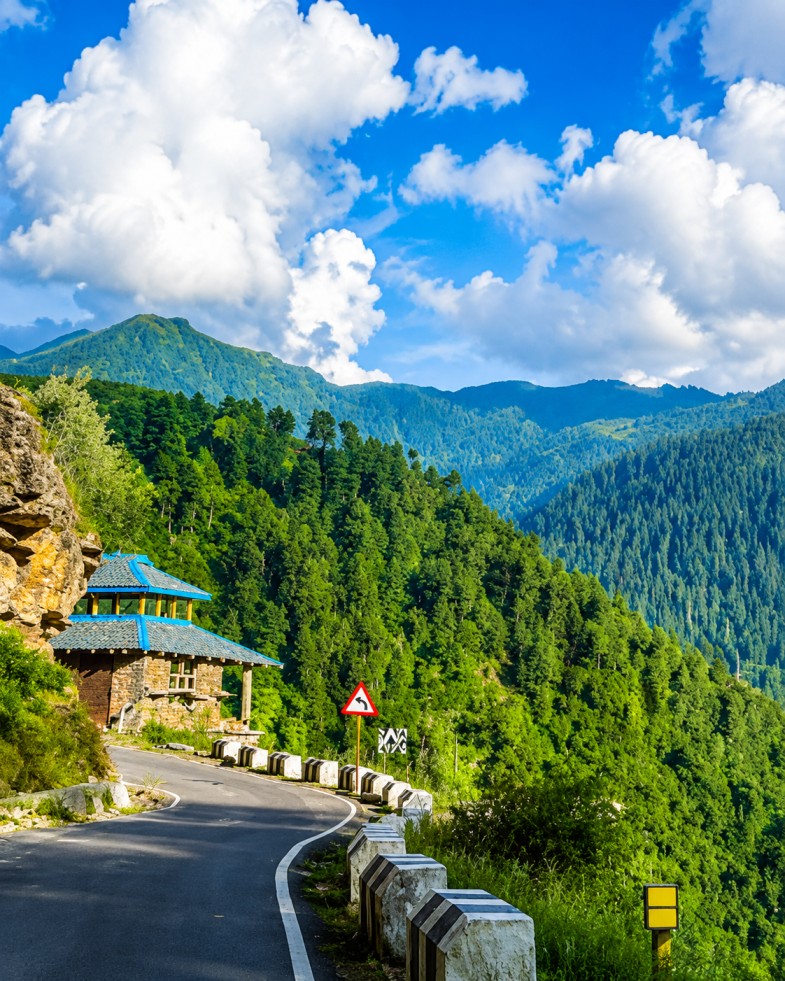
Churah Valley: The Untouched Jewel of Chamba
Hidden in the northwestern part of Himachal Pradesh's Chamba district, Churah Valley is a breathtaking Himalayan destination celebrated for its unspoiled landscapes, dense forests, traditional villages, and peaceful atmosphere. Nestled amid the mighty Pir Panjal and Dhauladhar mountain ranges, the valley offers travelers a refreshing escape from crowded tourist destinations. With winding rivers, alpine meadows, apple orchards, and snow-capped peaks, Churah Valley tourism is ideal for those seeking authentic mountain experiences, scenic beauty, and cultural richness. Whether you are a nature lover, photographer, adventure enthusiast, or simply looking for a quiet holiday, Churah Valley promises an unforgettable journey through one of Himachal Pradesh's hidden gems.
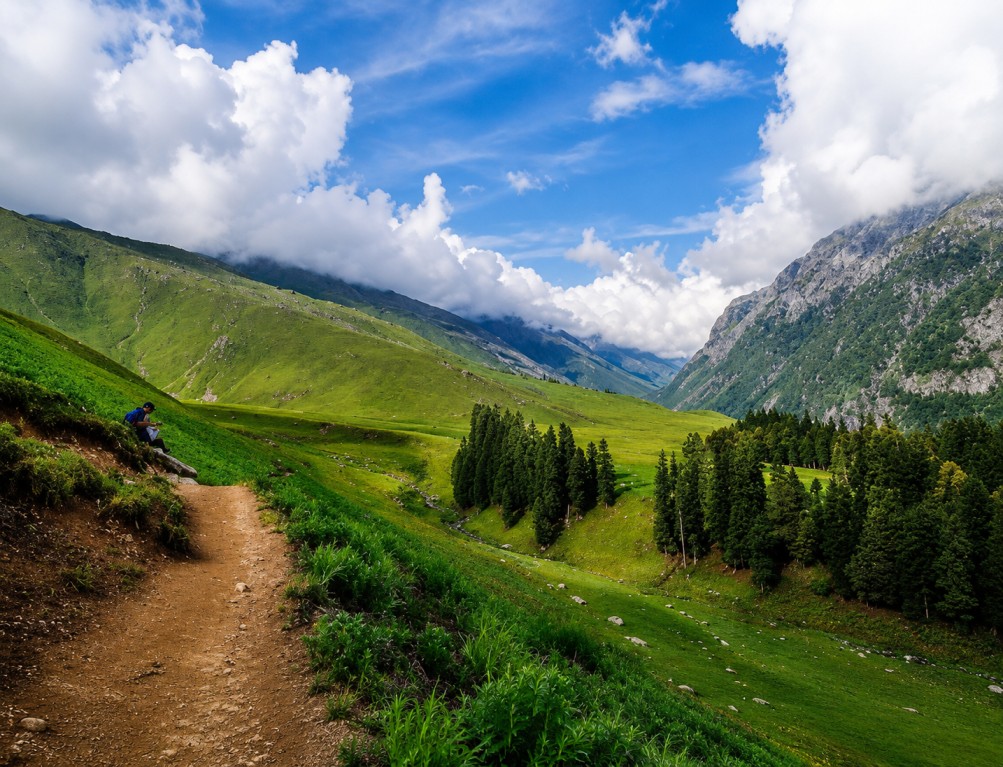
Pabbar Valley : Land Of Apple Orchards And Rivers
Pabbar Valley stands as one of the most serene and scenically captivating destinations in Himachal Pradesh, representing a hidden highland valley of extraordinary natural beauty where the crystal-clear Pabbar River winds through dense forests of oak, deodar, and rhododendron, ancient apple orchards cascade down terraced hillsides, and snow-crowned ridgelines of the outer Himalayan range rise on every side to create a landscape of rare and unhurried natural magnificence that remains one of the most genuinely undiscovered destinations in the entire western Himalayan region. Situated in the Shimla district of Himachal Pradesh, extending through the upper reaches of the Pabbar River watershed from the town of Rohru toward the high-altitude terrain of the Chandranahan Lake and the Chanshal Pass, Pabbar Valley is a destination of striking geographical and seasonal character, offering a landscape defined by the sparkling river running over smooth boulders through forested gorges and open agricultural meadows, the terraced apple and stone fruit orchards that give this valley its agricultural identity and economic vitality, the ancient temples and village communities of considerable cultural character distributed along the valley floor and hillsides, and an atmosphere of deep highland tranquility and natural abundance that rewards the traveler willing to venture beyond the more familiar circuits of Himachali tourism into a valley of genuinely rare and enduring beauty.
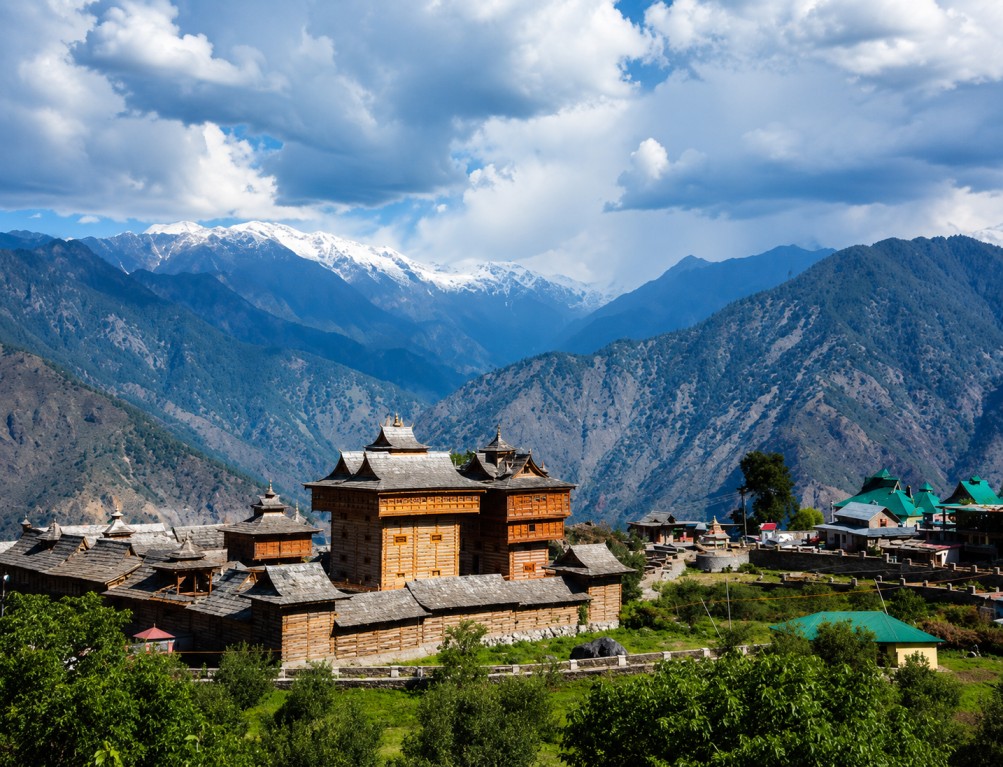
Manali : Queen Of The Himalayas
Nestled in the heart of the Kullu Valley along the banks of the Beas River, Manali is one of the most popular hill stations in Himachal Pradesh and among the most visited travel destinations in India. Situated at an altitude of approximately 2,050 metres above sea level, Manali is surrounded by majestic snow-capped Himalayan peaks, dense pine and deodar forests, apple orchards, rolling meadows, and the sparkling Beas River. Combining breathtaking natural beauty with vibrant local culture, thrilling adventure activities, ancient temples, and year-round tourism appeal, Manali attracts honeymooners, families, backpackers, photographers, nature lovers, and adventure enthusiasts from across the world. Whether visitors seek peaceful mountain landscapes, spiritual experiences, or adrenaline-filled adventures, Manali offers an unforgettable Himalayan escape.
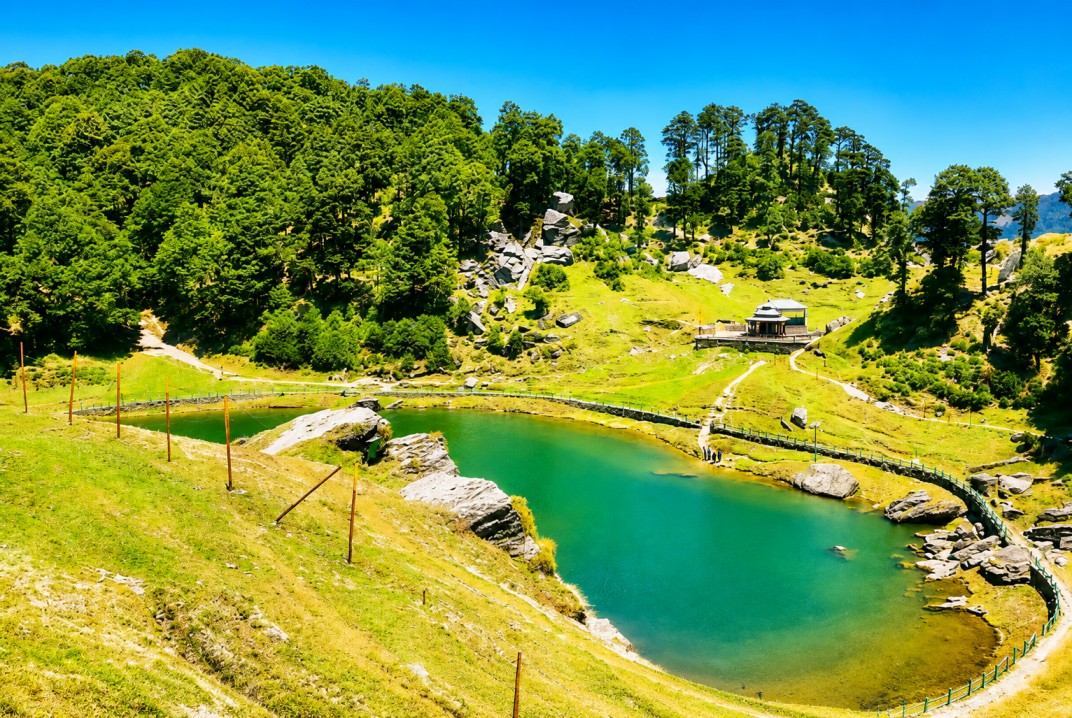
Shoja -Where Peace Meets Himalayas
Nestled in the picturesque Seraj Valley of Himachal Pradesh's Kullu district, Shoja is a charming hill village that offers breathtaking Himalayan landscapes, dense forests, peaceful surroundings, and refreshing mountain air. Located at an altitude of about 2,690 meters above sea level, Shoja lies along the scenic route connecting Kullu Valley with Jalori Pass. Unlike the state's more crowded hill stations, Shoja tourism is perfect for travelers seeking tranquility, natural beauty, and authentic mountain experiences. With its panoramic views, traditional wooden houses, rich biodiversity, and easy access to trekking trails, Shoja has become an increasingly popular destination for nature lovers, photographers, couples, families, and adventure enthusiasts.
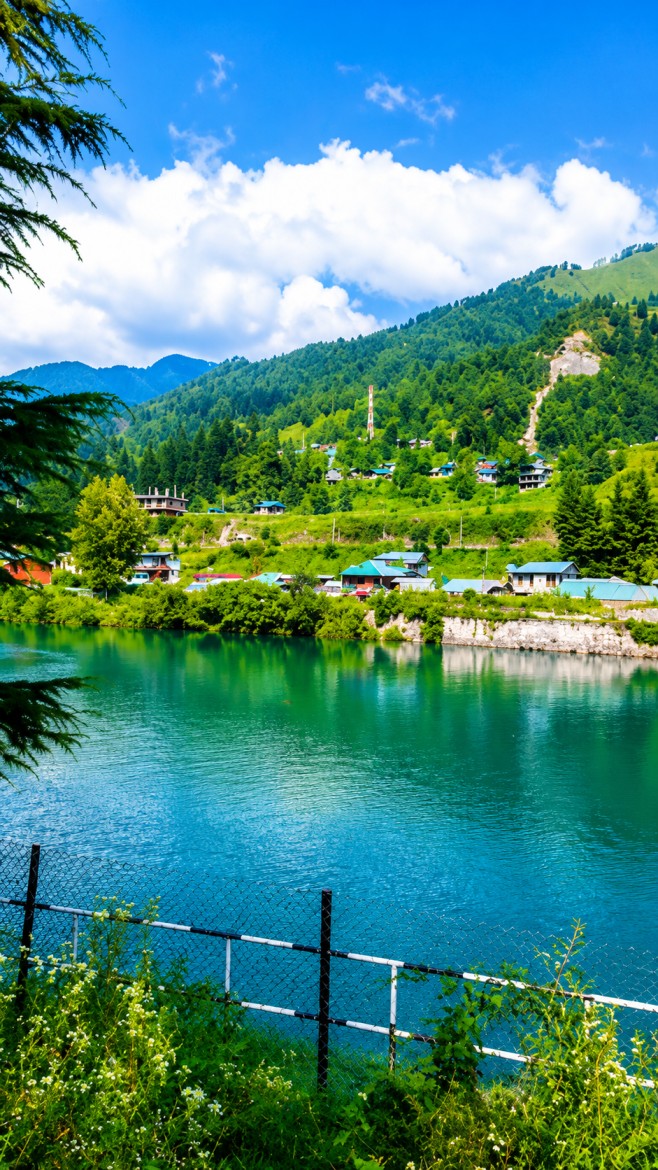
Barot Valley: A Journey Through Forests, Rivers, and Mountains
Tucked away in the Mandi district of Himachal Pradesh, Barot Valley is a peaceful Himalayan destination known for its pristine landscapes, pine forests, rivers, and traditional mountain villages. Situated at an altitude of approximately 1,830 meters above sea level, Barot lies on the banks of the Uhl River and remains one of Himachal Pradesh's lesser-explored travel destinations. Unlike the crowded hill stations of the state, Barot Valley tourism offers visitors a tranquil escape where nature, adventure, and local culture come together. Whether you're looking for a relaxing holiday, a trekking adventure, or a scenic getaway, Barot Valley promises an unforgettable experience amidst the beauty of the Himalayas.
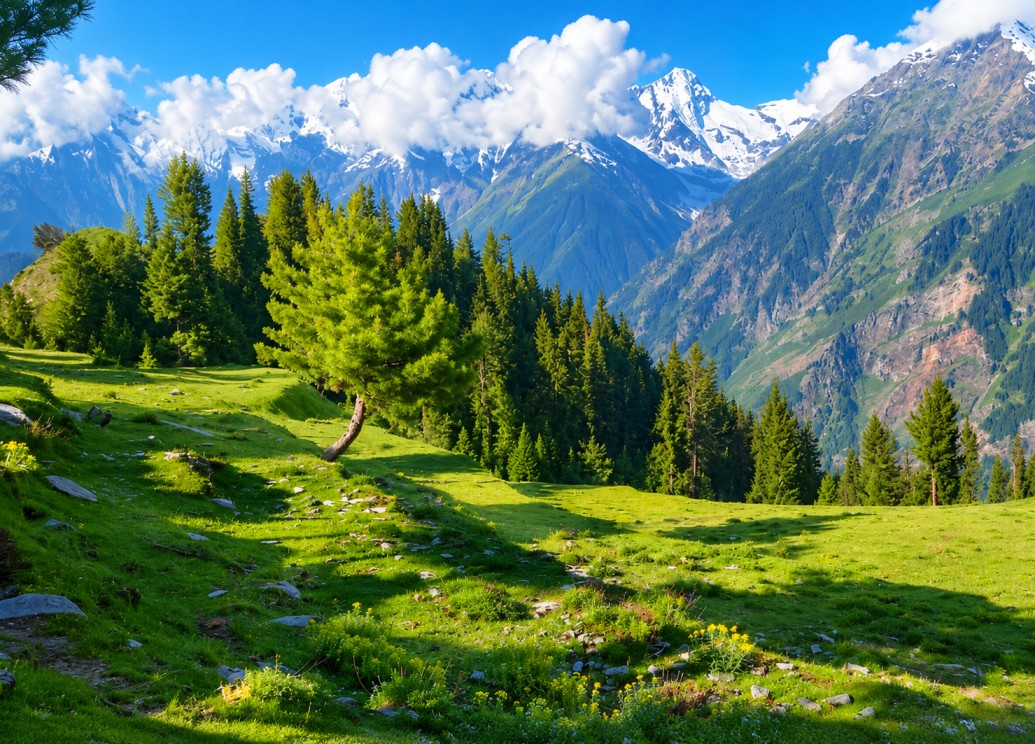
Pangi valley-A Hidden Gem Of The Himalayas
Nestled in the remote Chamba district of Himachal Pradesh, Pangi Valley is one of India's most isolated and spectacular Himalayan destinations. Surrounded by the majestic Pir Panjal and Zanskar mountain ranges, the valley is renowned for its dramatic landscapes, deep gorges, snow-clad peaks, alpine meadows, and traditional mountain villages. Located along the Chandrabhaga (Chenab) River, Pangi Valley tourism attracts travelers looking for untouched natural beauty, thrilling road journeys, and authentic Himalayan culture. Far from the usual tourist trails, the valley offers a rare opportunity to experience the raw charm of the Himalayas in a peaceful and unspoiled setting.
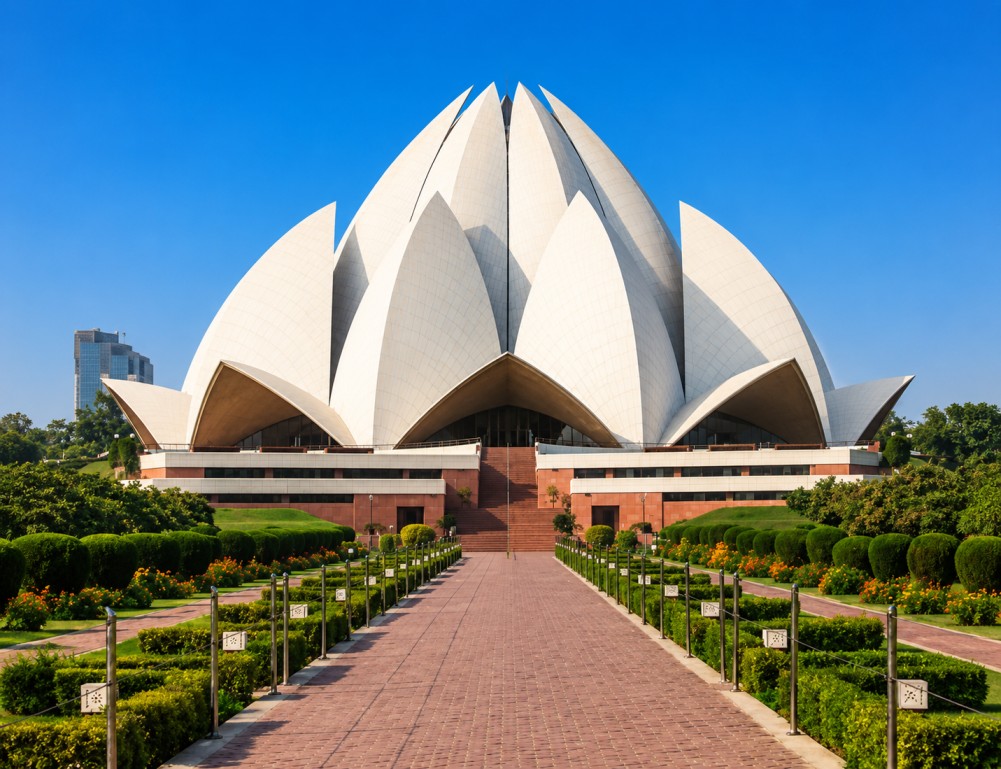
Lotus-Temple : Symbol Of Peace And Unity
The Lotus Temple stands as one of the most architecturally extraordinary and spiritually inclusive destinations in India, representing a house of worship of rare and breathtaking visual beauty whose iconic lotus-shaped structure of gleaming white marble has become one of the most recognizable and celebrated buildings in the entire subcontinent. Situated in the Bahapur area of New Delhi in the Nehru Place neighborhood of south Delhi, the Lotus Temple, formally known as the Bahá'í House of Worship, is a destination of singular architectural and spiritual character, offering a landscape defined by the sweeping white petals of the temple structure rising from nine surrounding reflecting pools, the immaculate gardens of manicured lawns and flowering trees that frame the approach to the central structure, the vast and luminous interior hall of remarkable acoustic and spatial quality that opens upward through the converging petals to a circular skylight above, and an atmosphere of universal welcome, meditative silence, and architectural wonder that makes this one of the most moving and quietly extraordinary visitor experiences available anywhere in the Indian capital. The destination draws architecture enthusiasts, spiritual seekers, curious travelers, and residents of Delhi from across the city and the country, offering an encounter with a building whose design has won numerous architectural awards and whose open-door philosophy of universal worship has welcomed millions of visitors from every faith, background, and nationality since its completion in 1986.
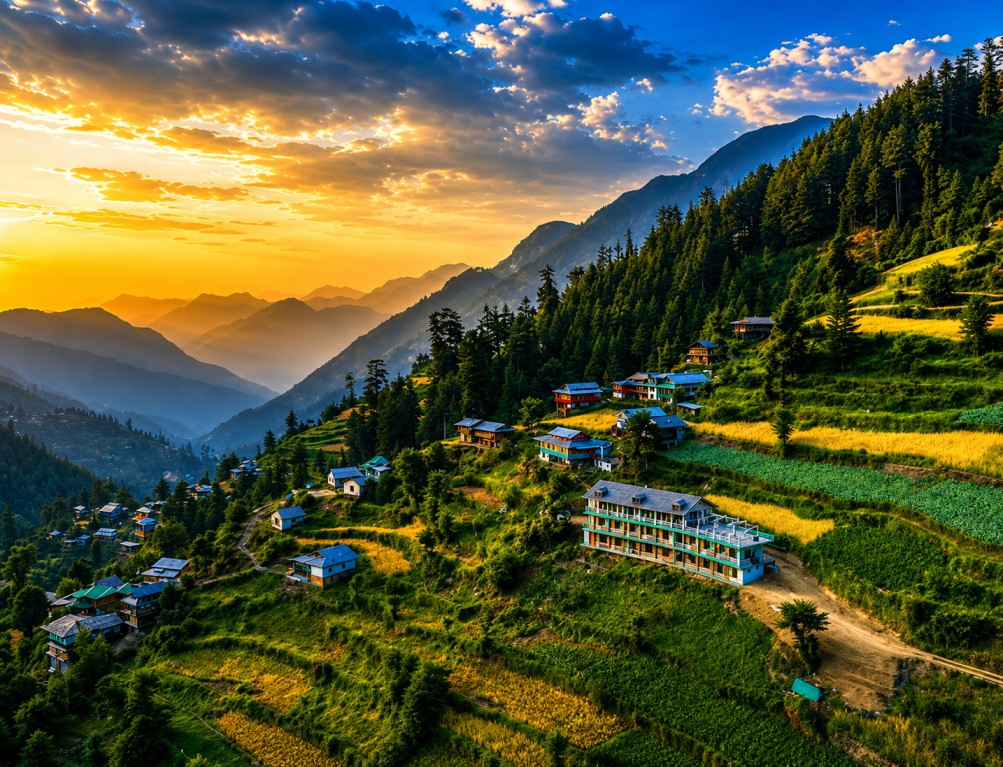
Jibhi : A Peaceful Escape In The Himalayas
Jibhi stands as one of the most enchanting and authentically atmospheric destinations in Himachal Pradesh, representing a small highland village of extraordinary natural charm where dense forests of deodar and pine, the crystal-clear waters of the Jibhi River tumbling over smooth boulders, ancient wooden temples of considerable architectural character, and the unhurried pace of a traditional Himachali community combine to create a destination of rare natural beauty and genuine pastoral serenity that has begun drawing discerning travelers seeking an alternative to the more crowded and commercially developed hill stations of the western Himalayan region. Situated in the Banjar Valley of the Kullu district in Himachal Pradesh, nestled within the folds of the Tirthan Valley landscape at an elevation that brings cool mountain air and forested hillsides within comfortable reach of the village, Jibhi is a destination of intimate and unhurried highland character, offering a landscape defined by the narrow lanes of the traditional village winding between old wooden houses adorned with carved balconies and slate roofs, the river running through the valley in clear and energetic streams ideal for trout fishing and riverside walks, the surrounding forest of deodar cedar rising steeply above the village into ridgelines that offer trekking access to higher terrain, and an atmosphere of deep highland tranquility and natural simplicity that makes this one of the most genuinely restorative and quietly captivating destinations in the entire Kullu district.
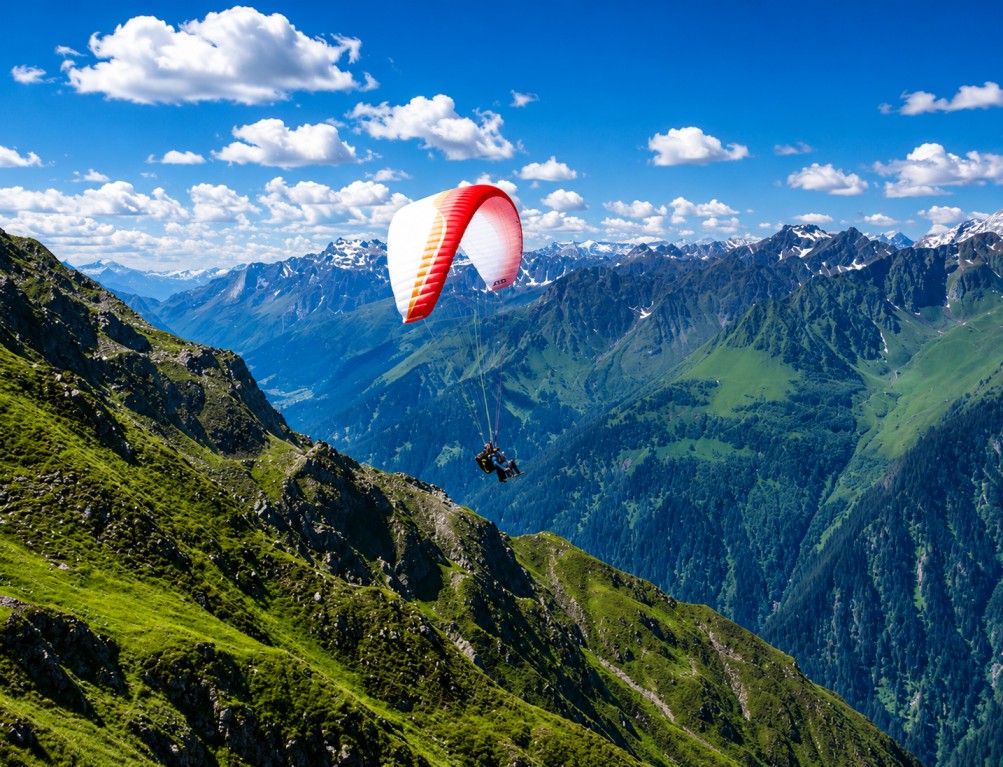
Bir-Billing : Paragliding Capital Of India
Bir Billing stands as one of the most exhilarating and scenically magnificent destinations in northern India, representing the paragliding capital of India and a highland landscape of extraordinary natural beauty where the sweeping meadows of the Billing launch site, the charming Tibetan settlement of Bir below, dense forests of cedar and oak climbing the surrounding hillsides, and the vast panoramic views across the Kangra valley and the distant Dhauladhar range combine to create a destination of rare adventure character and natural highland charm. Situated in the Joginder Nagar subdivision of Mandi district in Himachal Pradesh, with the paragliding launch site at Billing perched at an elevation of approximately 2400 metres and the landing zone at Bir sitting comfortably in the valley below at approximately 1400 metres, this twin destination of launch and landing separated by a descent of extraordinary scenic drama has established itself as one of the finest paragliding sites in the entire world, recognized internationally for the quality and consistency of its thermal conditions and the spectacular mountain landscape through which every flight passes. The destination draws adventure enthusiasts, paragliding pilots, meditation seekers, Tibetan culture travelers, and nature lovers from across the country and the world, offering a landscape defined by the wide grassy meadows of the Billing plateau, the colorful prayer flags and monastery architecture of the Tibetan colony at Bir, the Chowgan landing ground stretching across the valley floor, and an atmosphere of highland adventure and spiritual serenity that makes this one of the most multifaceted and deeply rewarding destinations in all of Himachal Pradesh.
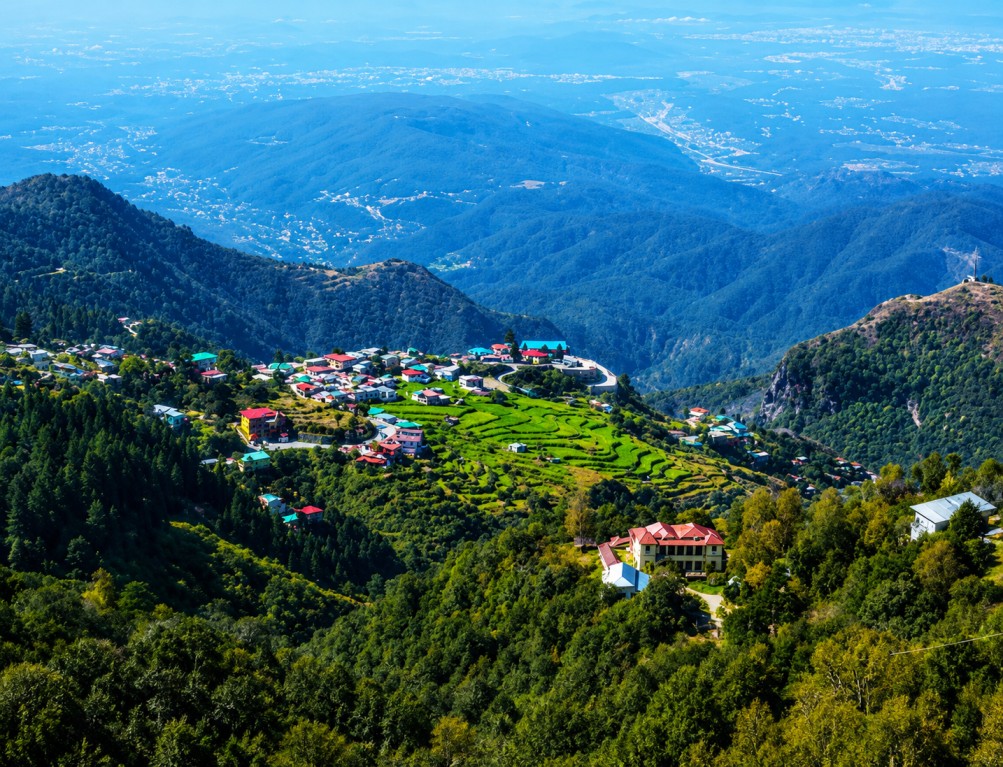
Lahaul : Hidden Gem Of Himachal Pradesh
Nestled in the northern Himalayas of Himachal Pradesh, Lahaul is one of India's most spectacular high-altitude mountain regions, celebrated for its dramatic landscapes, ancient monasteries, glaciers, rivers, and vibrant Himalayan culture. Now part of the Lahaul and Spiti district, the region lies at elevations ranging from approximately 2,700 to over 6,000 metres above sea level. Surrounded by the majestic Pir Panjal, Zanskar, and Greater Himalayan ranges, Lahaul offers an extraordinary blend of rugged natural beauty, centuries-old Buddhist heritage, adventure tourism, and peaceful mountain villages. The opening of the Atal Tunnel has made Lahaul more accessible throughout much of the year, allowing visitors to experience one of Himachal Pradesh's most remarkable destinations with greater ease.
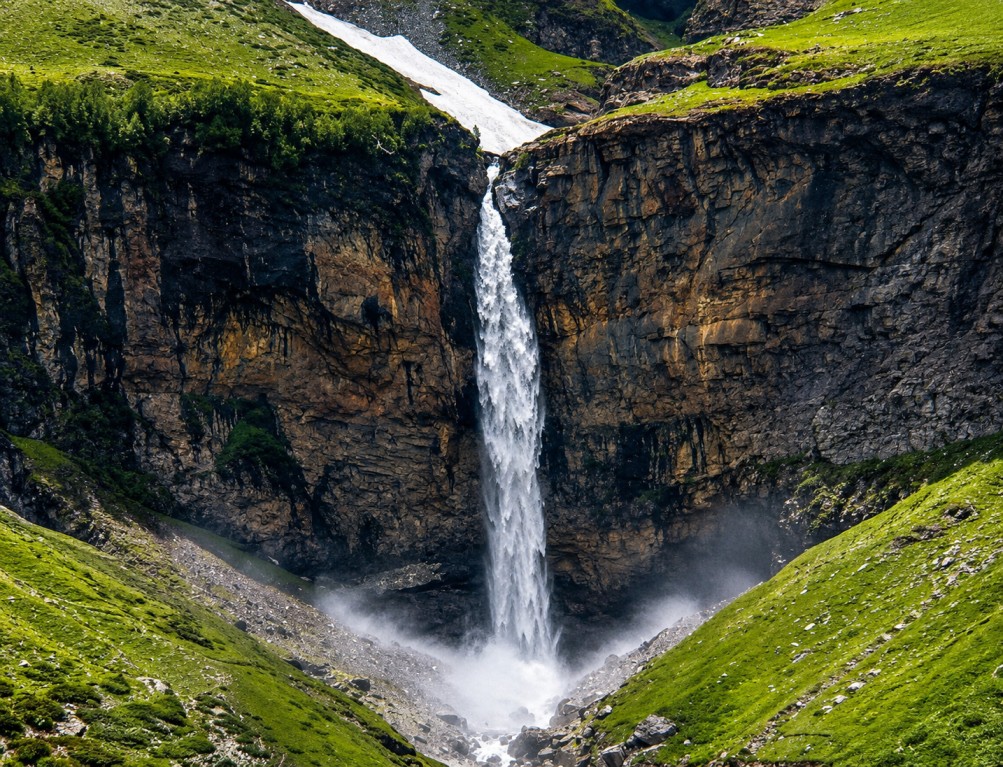
Sissu : Hidden Paradise Of Lahaul Valley
Nestled in the breathtaking Lahaul Valley of Himachal Pradesh, Sissu is a picturesque Himalayan village that has rapidly emerged as one of North India's most sought-after travel destinations. Situated at an altitude of approximately 3,120 metres above sea level on the banks of the Chandra River, Sissu is surrounded by towering snow-covered mountains, glaciers, alpine meadows, waterfalls, and crystal-clear streams. The opening of the Atal Tunnel has transformed Sissu into an easily accessible destination throughout much of the year, making it an ideal getaway for travellers seeking pristine landscapes, peaceful mountain villages, adventure experiences, and authentic Himalayan culture. Whether visiting for a day trip from Manali or exploring the wider Lahaul region, Sissu offers an unforgettable combination of natural beauty and high-altitude serenity.
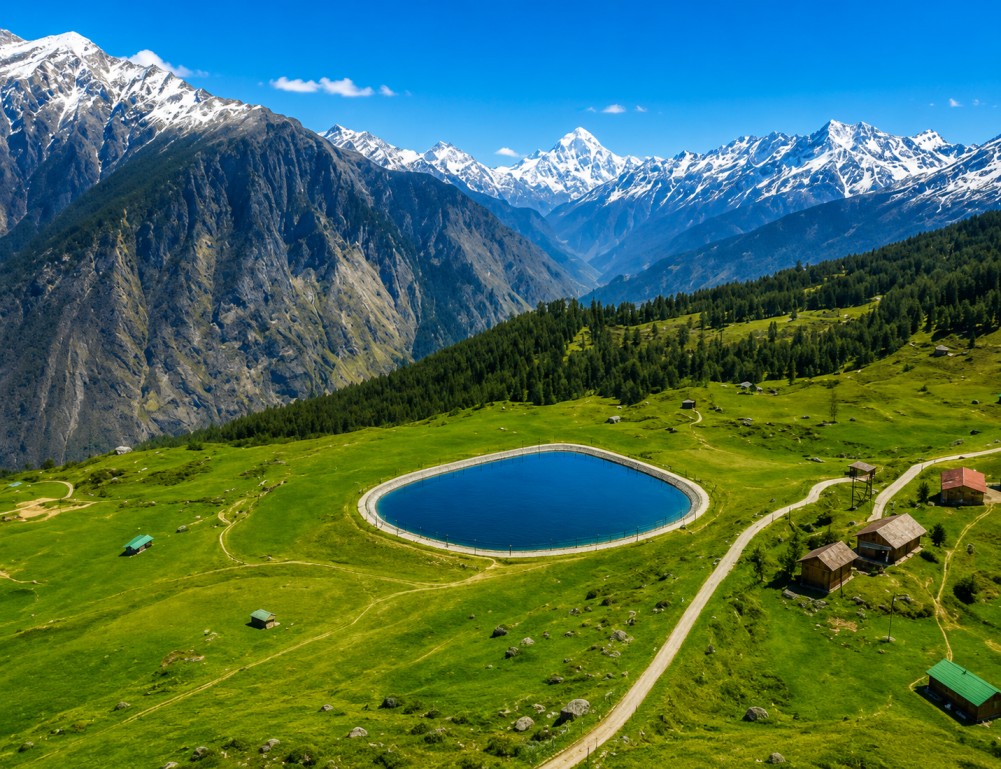
Auli: The Snow Paradise of Uttarakhand
Nestled in the Chamoli district of Uttarakhand, Auli is one of India's premier hill stations and the country's most celebrated skiing destination. Situated at an altitude of approximately 2,500 to 3,050 metres above sea level, Auli is surrounded by dense oak and conifer forests, snow-covered Himalayan peaks, alpine meadows, and pristine mountain landscapes. Located about 16 kilometres from Joshimath, Auli offers spectacular panoramic views of some of the highest mountains in India, including Nanda Devi, Kamet, Mana Parvat, Dunagiri, Hathi Parvat, Neelkanth, and Chaukhamba. Its cool climate, breathtaking scenery, world-class skiing slopes, and peaceful atmosphere have made Auli one of the most popular mountain destinations in Uttarakhand tourism.
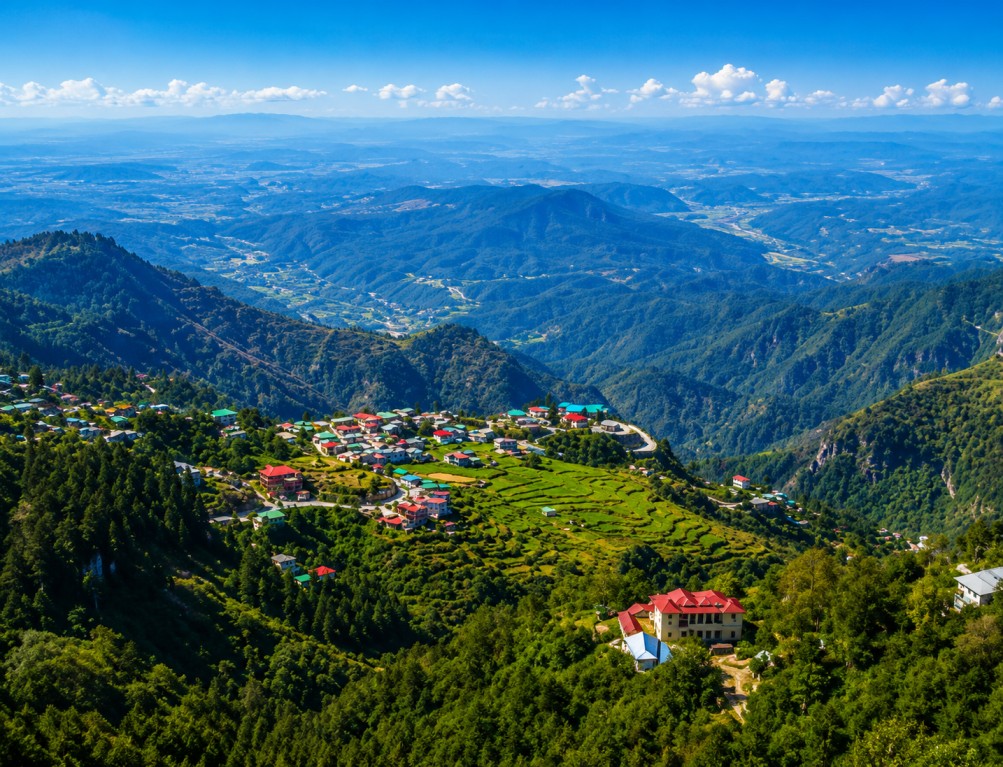
Landour : The Timeless Himalayan Retreat
Perched at an altitude of approximately 2,000 metres above sea level in the Mussoorie Cantonment area of Uttarakhand, Landour is a charming hill station that offers a peaceful escape amidst the Garhwal Himalayas. Located just a few kilometres above the bustling town of Mussoorie, Landour is known for its colonial-era architecture, winding forest trails, mist-covered hills, and tranquil atmosphere. Established as a British military cantonment in the early nineteenth century, the town has retained much of its old-world charm, with heritage churches, stone cottages, cedar forests, and breathtaking viewpoints overlooking the Himalayan ranges. Unlike many crowded hill destinations, Landour remains quiet and unhurried, making it one of Uttarakhand's most delightful mountain retreats for travelers seeking relaxation, nature, and history.
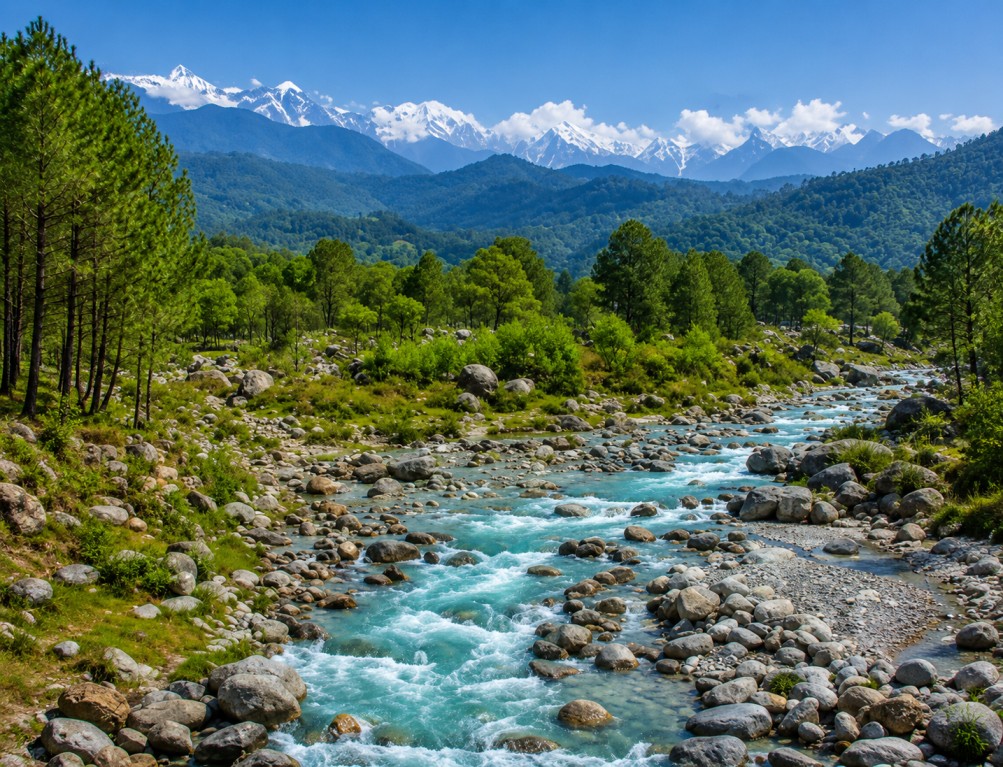
Dharamshala : The Spiritual Hill Town Of Himachal Pradesh
Nestled in the scenic Kangra Valley against the backdrop of the majestic Dhauladhar Range, Dharamshala is one of the most captivating hill stations in Himachal Pradesh. Situated at an elevation ranging from approximately 1,250 to 2,000 metres above sea level, this charming mountain town is renowned for its breathtaking Himalayan landscapes, Tibetan Buddhist culture, peaceful monasteries, lush cedar forests, and pleasant climate. As the residence of His Holiness the 14th Dalai Lama and the headquarters of the Tibetan Government-in-Exile, Dharamshala offers a unique blend of Indian and Tibetan traditions. Combining spirituality, adventure, natural beauty, and cultural richness, the town attracts families, honeymooners, backpackers, photographers, trekkers, spiritual seekers, and international travellers throughout the year.
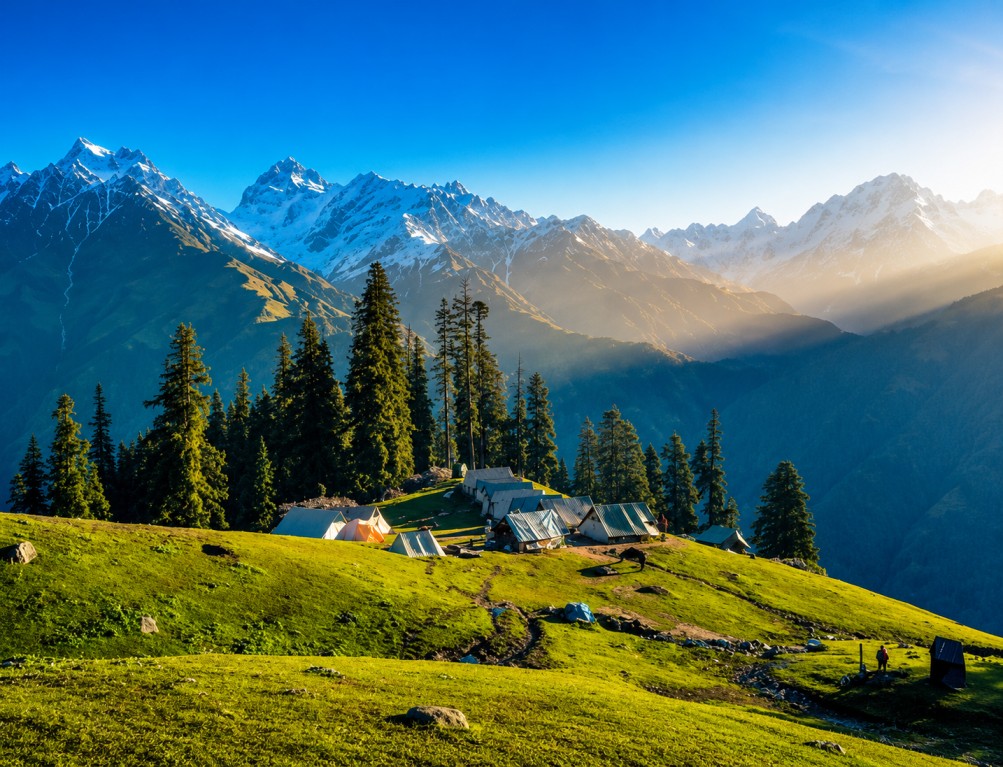
Kasol : The Mini Israel Of India In Parvati Valley
Nestled along the banks of the Parvati River in the Kullu district of Himachal Pradesh, Kasol is one of India's most popular mountain destinations, known for its breathtaking landscapes, vibrant backpacker culture, scenic trekking routes, and peaceful Himalayan charm. Situated at an altitude of approximately 1,580 metres above sea level, about 36 kilometres from Kullu and 75 kilometres from Manali, Kasol is surrounded by dense pine forests, snow-capped mountains, lush green valleys, and crystal-clear rivers. Often referred to as the "Mini Israel of India" because of its strong Israeli influence, the village has become a favorite destination for backpackers, trekkers, nature lovers, photographers, and adventure enthusiasts from around the world.
Despite its growing popularity, Kasol has retained its relaxed atmosphere and natural beauty. The cool mountain climate, riverside cafés, scenic walking trails, and easy access to some of the Himalayas' most spectacular trekking routes make it one of the most attractive destinations in Himachal Pradesh tourism.
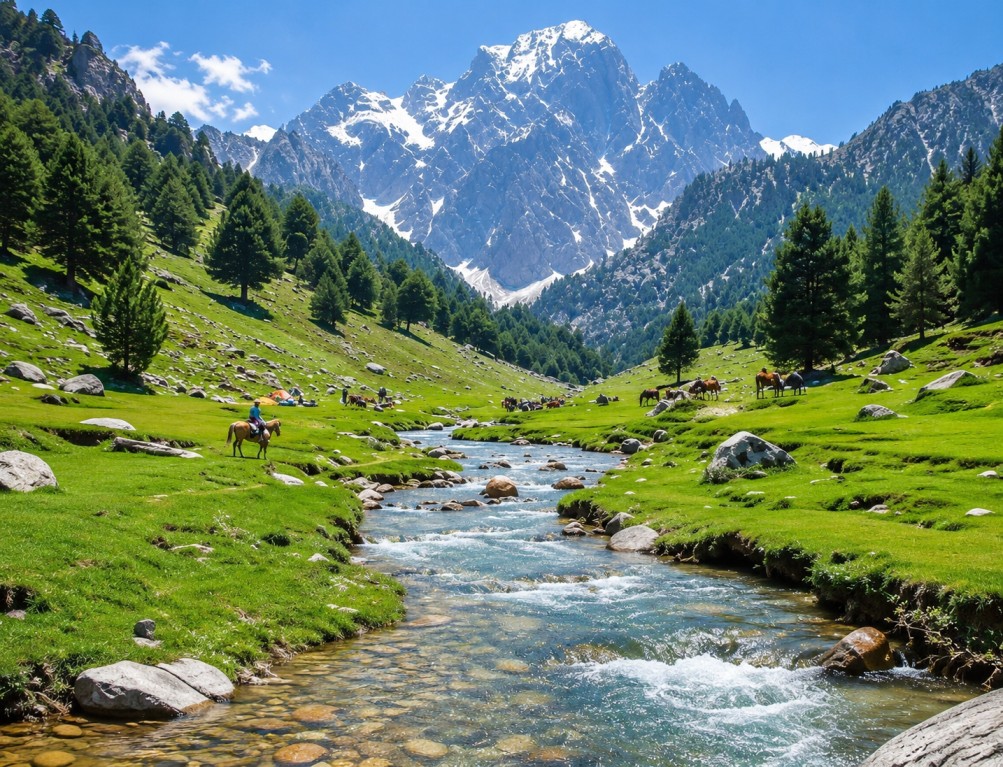
Sonmarg : The Golden Meadow Of Kashmir
Nestled in the Ganderbal district of Jammu & Kashmir, Sonmarg—meaning "Meadow of Gold"—is one of the most breathtaking hill destinations in the Indian Himalayas. Situated at an altitude of approximately 2,730 metres above sea level, about 80 kilometres from Srinagar, Sonmarg is surrounded by snow-covered peaks, alpine meadows, dense forests, sparkling rivers, and majestic glaciers. Located along the historic Srinagar–Leh Highway (NH-1), the town serves as the gateway to the high-altitude regions of Ladakh and is a popular base for trekking, camping, and mountain adventures. The Sindh River flows gracefully through the valley, adding to the area's scenic beauty and making Sonmarg one of the most picturesque destinations in Kashmir tourism.
The landscape changes dramatically with the seasons. Spring and summer transform the valley into a vibrant carpet of wildflowers and lush green meadows, while winter blankets the region in deep snow, creating a spectacular alpine wonderland. The cool mountain climate, pristine environment, and breathtaking scenery make Sonmarg a favorite destination for travelers seeking both relaxation and adventure.
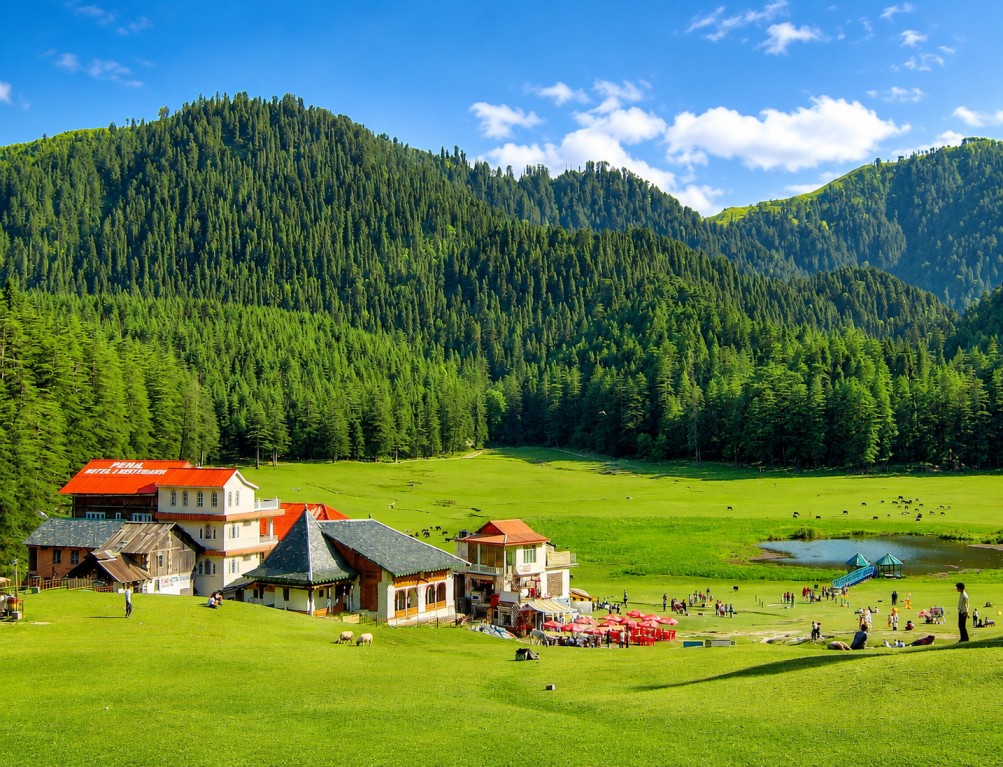
Khajjiar-Lake : The Mini Switzerland Of India
Nestled amidst the lush cedar forests of the Chamba district in Himachal Pradesh, Khajjiar Lake is one of the most picturesque natural attractions in northern India. Situated at an altitude of approximately 1,920 metres above sea level, the lake forms the centerpiece of the famous hill station of Khajjiar, often referred to as the "Mini Switzerland of India." Surrounded by dense deodar forests, rolling green meadows, and snow-capped Himalayan peaks in the distance, Khajjiar Lake offers a perfect blend of natural beauty, tranquility, and outdoor recreation. Its breathtaking scenery, pleasant climate, and peaceful atmosphere make it a favorite destination for families, honeymooners, photographers, nature lovers, and adventure enthusiasts throughout the year.
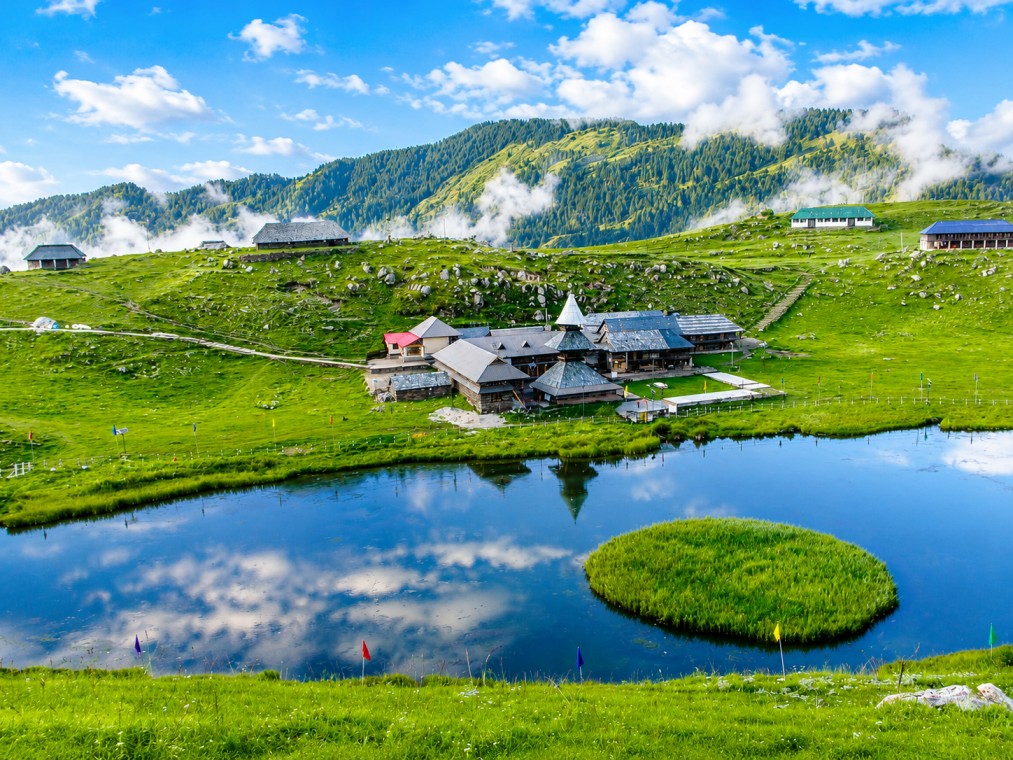
Parashar Lake - The Mystical Gem of Mand
There are lakes that are beautiful, and then there are lakes that hold a secret. Prashar Lake — also spelled Parashar Lake — belongs to the second category. Perched at 2,730 metres (8,960 feet) above sea level in the Mandi district of Himachal Pradesh, it sits in a natural bowl of meadow and mountain above the Beas River valley, framed on every side by the Dhauladhar, Pir Panjal, and Kinnaur ranges. On a clear day, you can see Rohtang Pass from the lake's edge. On most days, what draws your eye is not the horizon but the water itself — and floating at its surface, moving slowly and without explanation, a small circular island of grass and organic matter that has puzzled visitors and scientists alike for as long as anyone can remember.
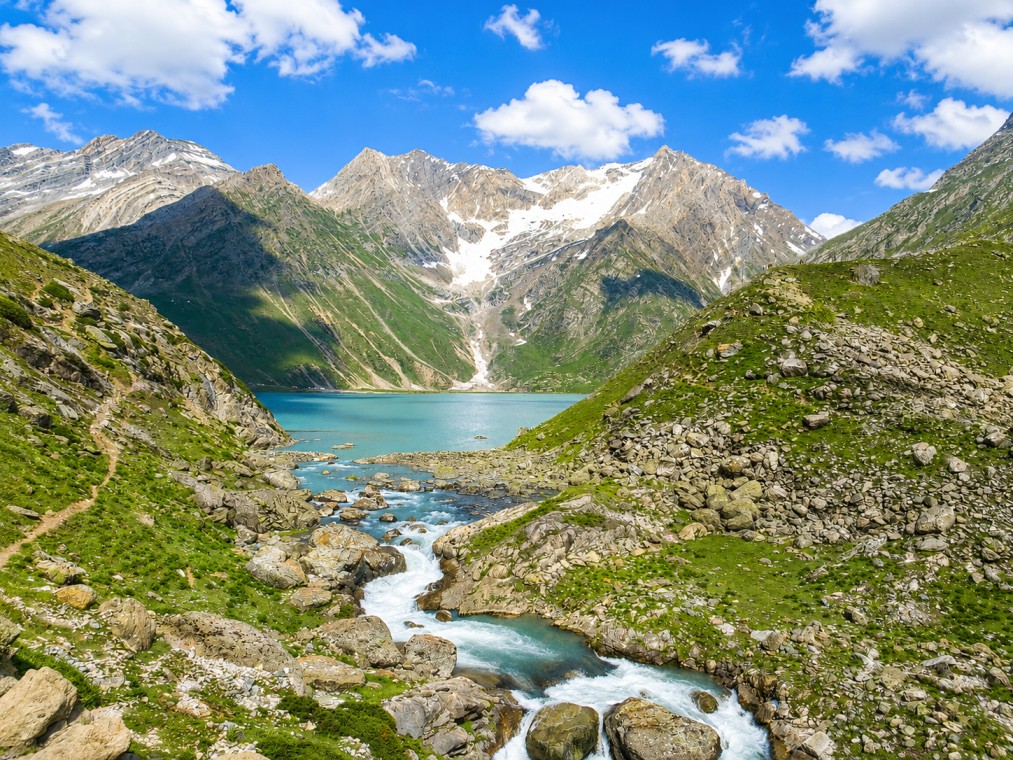
Sheshnag Lake: A Himalayan Paradise
At 3,590 metres above sea level, in the Anantnag district of Kashmir's Jammu & Kashmir union territory, Sheshnag Lake sits in a bowl of cold sky and silence. (Also spelled Sheshang or Sheshnag — all refer to the same lake, named from the Kashmiri Shishinag.) On three sides, snow-capped ridges rise steeply from its shores. Below, the waters are an improbable shade of deep blue-grey — crystalline, still, almost metallic in the right light. Stretching 1.1 kilometres in length and around 700 metres wide, it is not a large lake, but it carries a weight entirely out of proportion to its size: geological, spiritual, and visual.
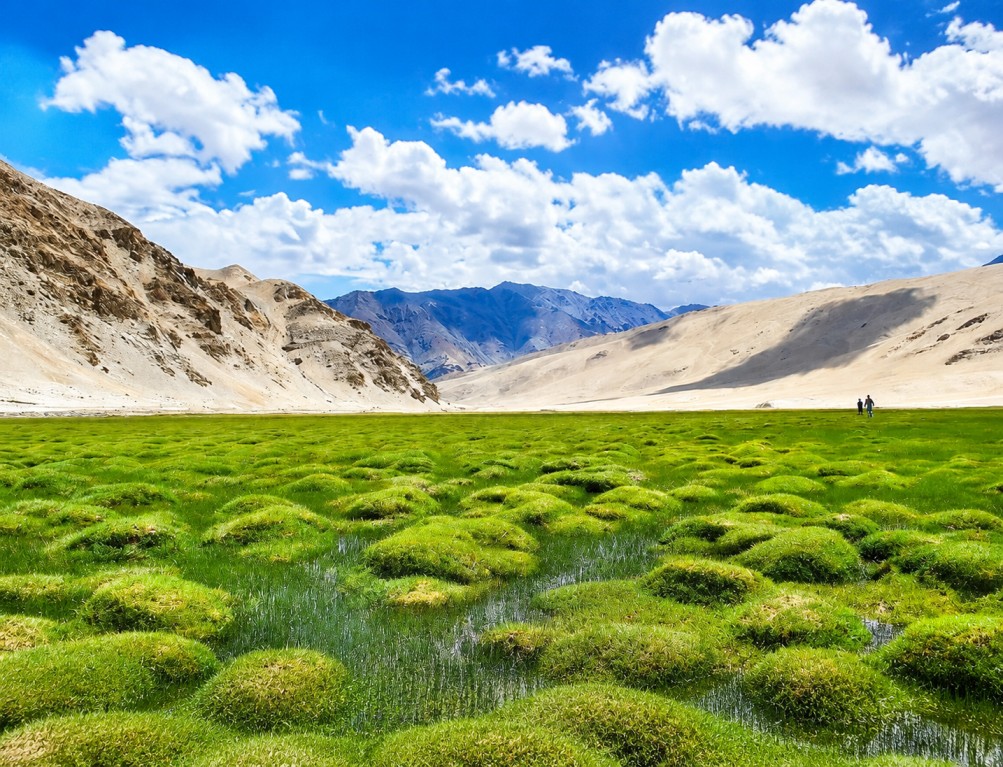
Puga Valley: A Journey Through the Valley of Hot Springs
Tucked deep in the southeastern corner of Ladakh, roughly 170 kilometres from Leh, Puga Valley sits within the sweeping high-altitude expanse of the Changthang Plateau — and it looks like nowhere else in India. Stretching about 30 kilometres through a narrow corridor of volcanic terrain, the valley is framed by brown and ochre mountains on every side, with wisps of sulphurous steam rising from the earth below. It is raw, remote, and genuinely extraordinary. Most travellers discover it while passing through on the Tso Moriri circuit, and almost all of them stop longer than planned.
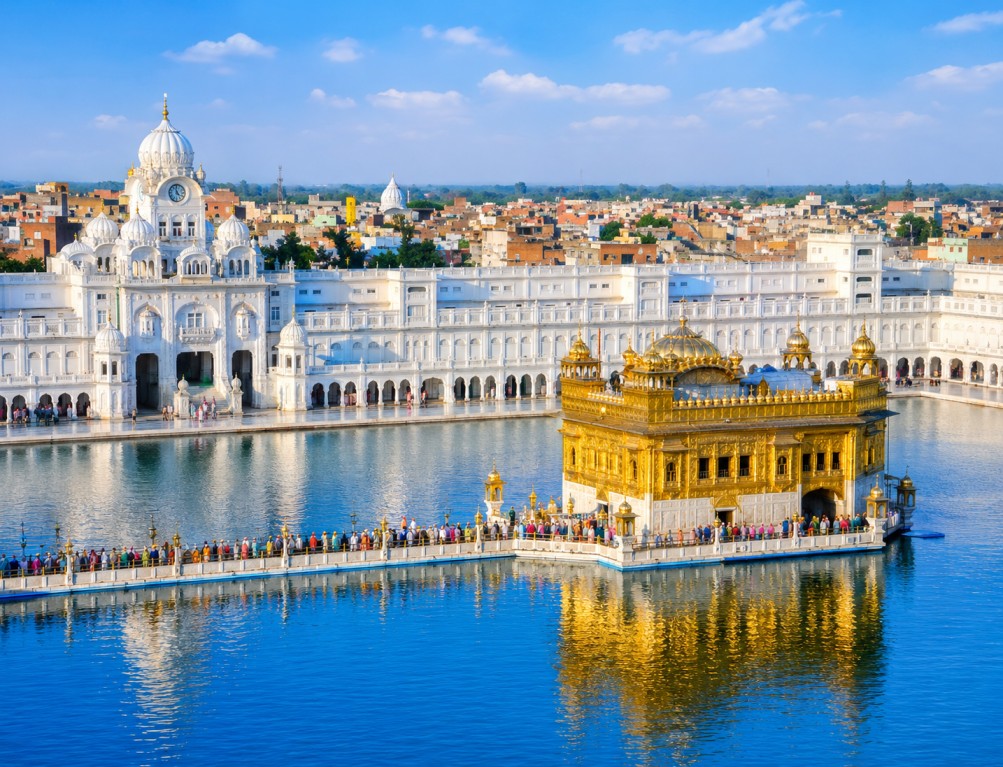
Golden Temple – A Journey Through Sikh Heritage
The Golden Temple stands as one of the most spiritually luminous and emotionally overwhelming destinations in India, representing the holiest shrine of the Sikh faith and a place of welcome, worship, and communal devotion that receives more visitors each day than almost any other religious site on earth. Situated at the heart of the city of Amritsar in the state of Punjab, the Golden Temple, known formally as Sri Harmandir Sahib or the Abode of God, is a destination of singular spiritual and architectural magnificence, offering a landscape defined by the gleaming gold-clad sanctum rising from the center of a sacred pool of nectar known as the Amrit Sarovar, the vast white marble causeway that connects the sanctum to the surrounding parikrama, the continuous and deeply moving recitation of Gurbani that fills the air at every hour of the day and night, and an atmosphere of profound devotional calm and universal welcome that embraces every visitor regardless of faith, background, or nationality. The destination draws Sikh pilgrims, spiritual seekers, history enthusiasts, and curious travelers from every corner of the world, offering an encounter with a living religious tradition of extraordinary vitality and a sacred architecture of breathtaking beauty that together create one of the most moving and memorable experiences available anywhere in the Indian subcontinent.
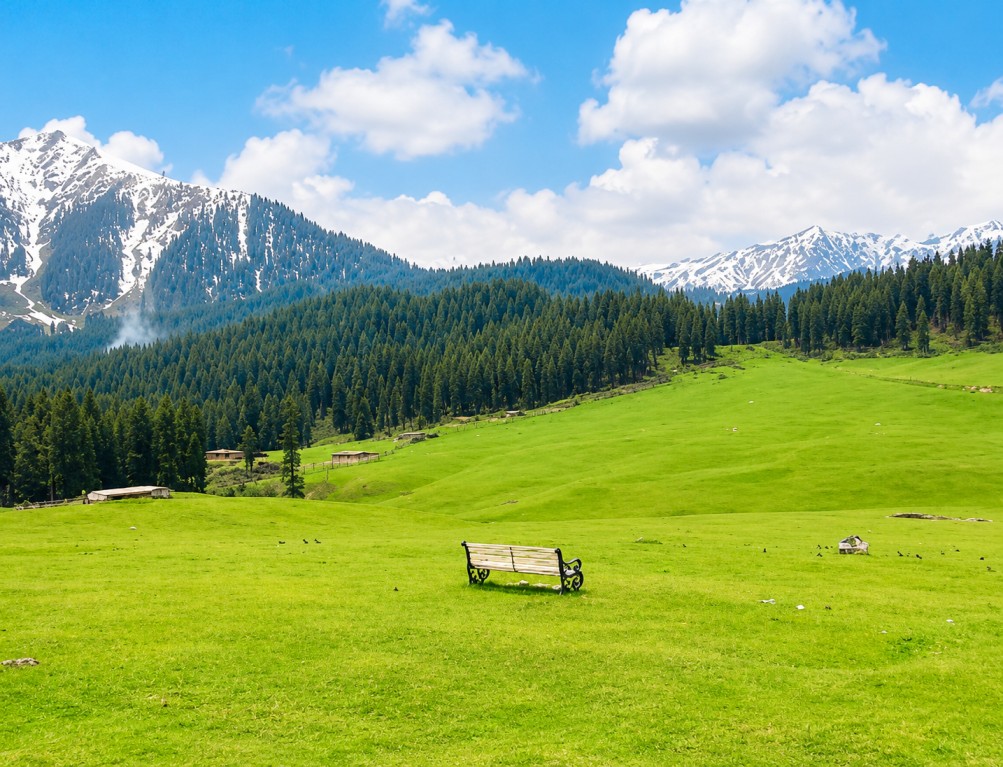
Doodhpathri - The Valley Of Milk
Imagine stepping into a valley so impossibly green that it doesn't seem real — a vast, open meadow rolling gently beneath a sky of deep Himalayan blue, with silver streams rushing through the grass and snow-capped peaks watching over everything in quiet silence. That's Doodhpathri for you — not just a destination, but a dream you stumble into. Nestled at an altitude of approximately 2,730 metres above sea level in the Budgam district of Jammu & Kashmir, this pristine meadow valley has a name as poetic as its appearance. "Doodhpathri" translates quite literally to Valley of Milk — named for the unusually cold, milky-white streams that flow through its lush grasslands. And once you've stood here with the wind in your hair and the sound of rushing water at your feet, you'll carry this valley with you long after you've left.
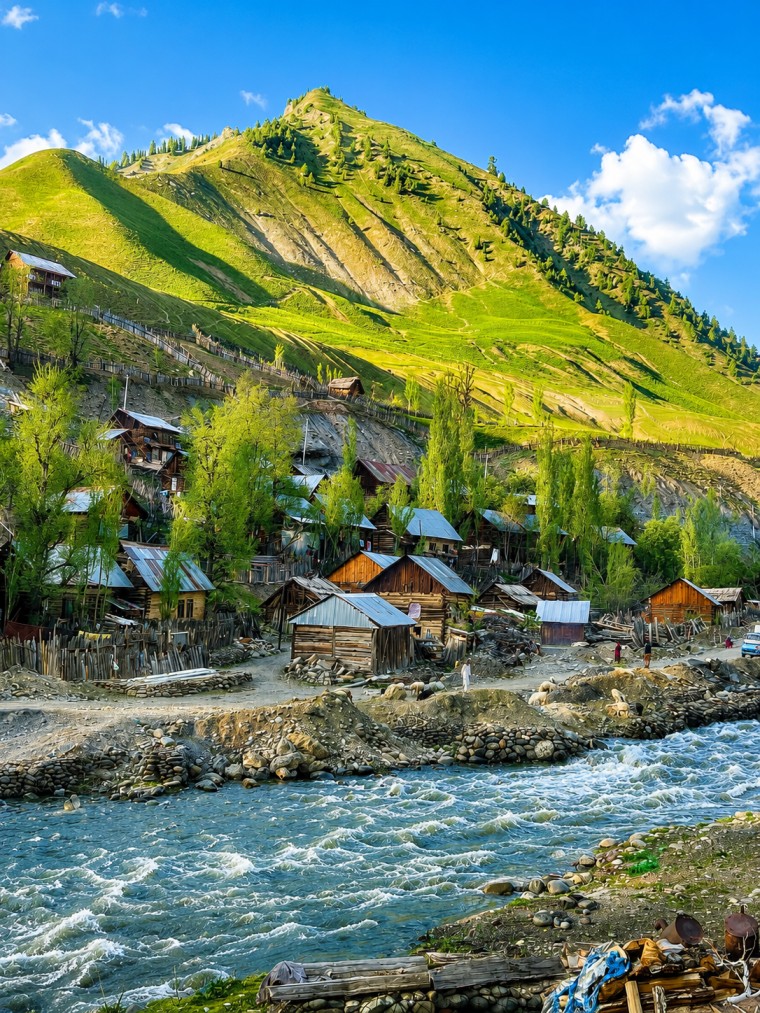
Gurez Valley -Kashmir's Untouched Wonderland
Imagine waking up to a valley so untouched, so impossibly beautiful, that you spend the first few minutes simply standing at your window in silence, half-convinced you've stepped into a dream. A silver river threading through emerald meadows, snow-dusted peaks standing sentinel on all sides, and air so clean and cold it feels like drinking from a mountain spring. That's Gurez Valley for you — not just a destination, but a revelation. Cradled in the northernmost reaches of Kashmir at an altitude of approximately 2,400 metres, this remote valley along the Kishanganga River remains one of the most staggeringly beautiful and least-visited corners of the Indian Himalayas. Come here once, and something in you quietly refuses to fully leave.
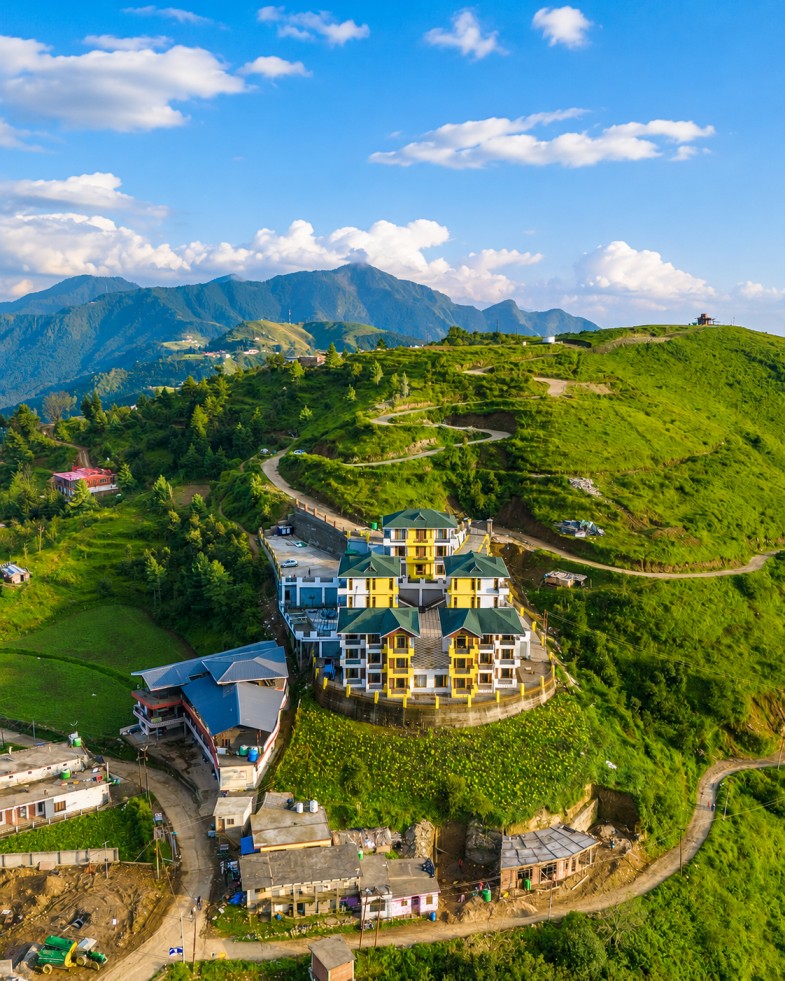
Chakrata - A Hidden Gem Of Uttarakhand
Imagine waking up to the soft crackle of pine needles underfoot, the cold mountain air carrying the scent of deodar forests, and the distant sound of a river rushing through a gorge far below — with not a crowd in sight. That's Chakrata for you — not just a hill station, but a hidden world. Perched at an altitude of about 2,118 metres above sea level in the Dehradun district of Uttarakhand, this pristine cantonment town has quietly captivated the hearts of those lucky enough to find it. Unlike its more famous Himalayan neighbors, Chakrata has never chased the spotlight — and that, more than anything, is precisely its magic.
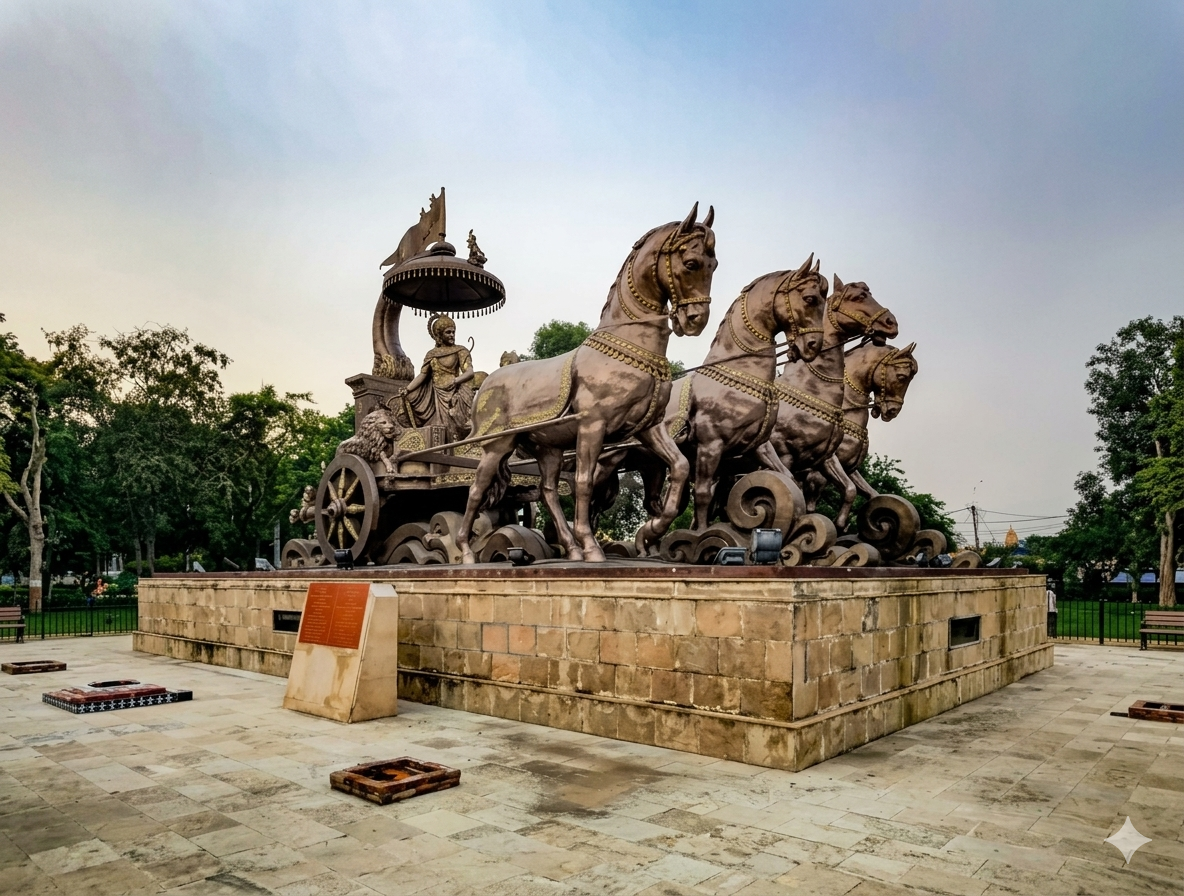
Kurukshetra : The Land Of The Mahabharata
Few destinations in India carry the weight of history, philosophy, and faith as quietly — yet as powerfully — as Kurukshetra. Tucked in the northeastern corner of Haryana, about 170 km north of Delhi, this ancient city sits at the intersection of legend and landscape, where the epic Mahabharata wasn't just written but reportedly lived. For the spiritually inclined, the historically curious, and the culturally aware traveler, a visit to Kurukshetra is less a sightseeing trip and more a conversation with the Indian subcontinent's oldest stories.
Known by its Sanskrit name Dharmakshetra — the land of righteousness — Kurukshetra is widely regarded as the birthplace of the Bhagavad Gita and the site of the great Kurukshetra War between the Pandavas and Kauravas. Whether you come seeking spiritual peace, historical perspective, or simply a meaningful break from the rush of modern travel, this city earns its place on any thoughtful itinerary.
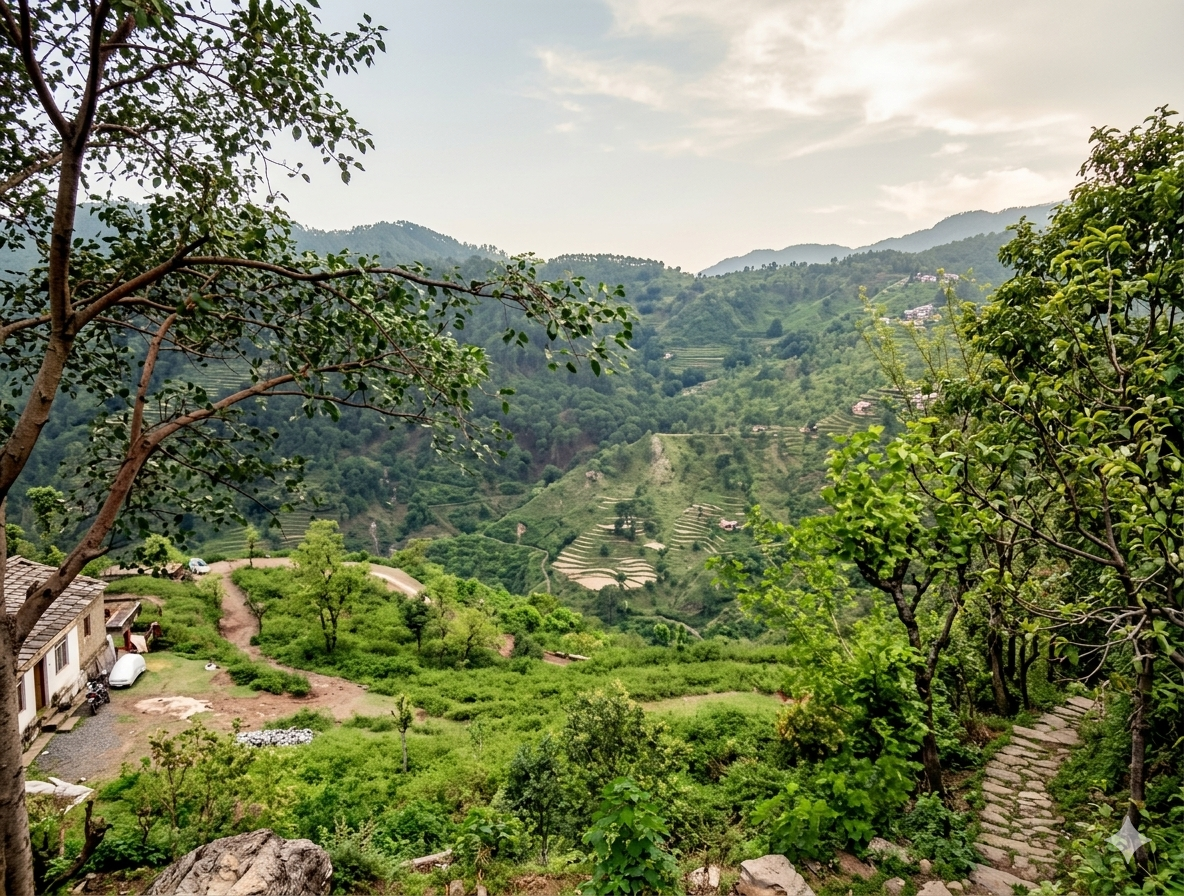
Morni-Hills : The Only Hill Station Of Haryana
Most people driving north from Delhi toward the hills automatically think of Shimla or Mussoorie. Few think to stop in Haryana. That instinct, it turns out, leaves one of North India's quieter pleasures completely undiscovered. Morni Hills — the only hill station in Haryana — is a peaceful and scenic destination located in the Panchkula district, known for its natural beauty, calm environment, and stunning views of the Shivalik ranges. Just five hours from Delhi and 45 km from Chandigarh, Morni combines the best of an idyllic retreat with action, adventure, and fun. It remains less commercialized than its more famous counterparts, which is precisely what makes it appealing to a growing number of travelers who want hills without the crowds.
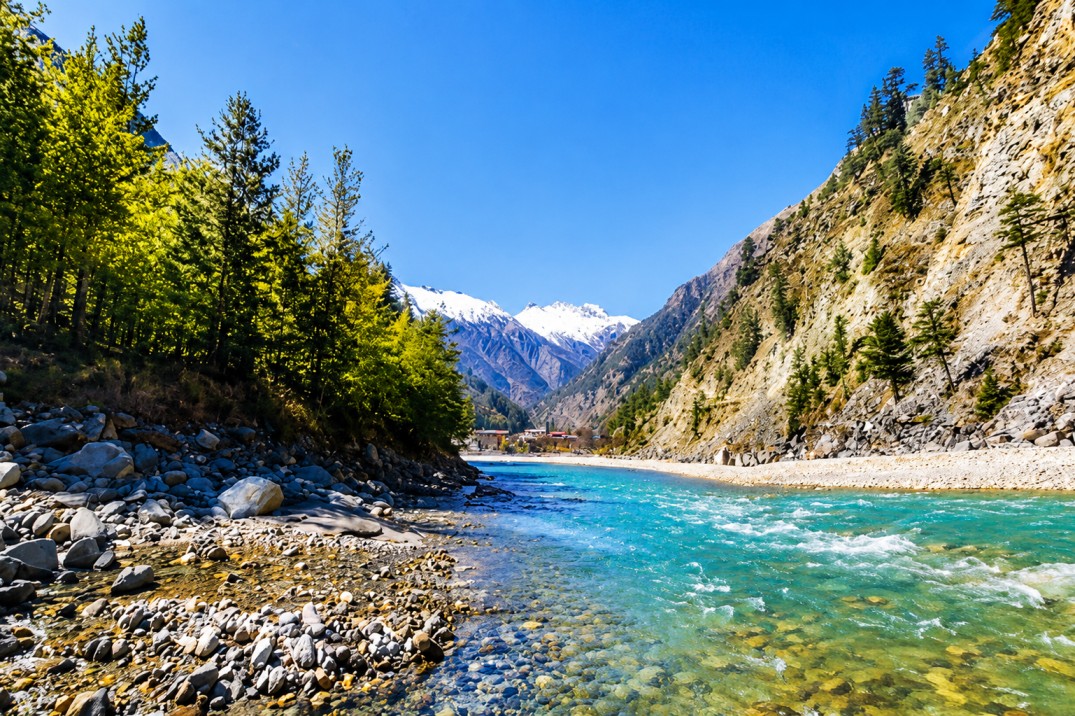
Harshil valley -A Hidden Himalayan Paradise
Imagine waking up to the sound of the Bhagirathi River rushing over silver stones, the crisp mountain air carrying the scent of deodar cedar through your window, and the first golden light of dawn touching snow-capped peaks so close they feel like they belong to you alone. That's Harsil for you — not just a valley, but a conversation between the mountains and your soul. Tucked away at an altitude of approximately 2,620 metres in the Uttarkashi district of Uttarakhand, this breathtaking Himalayan village has quietly enchanted all those lucky enough to find it. And once you do find it, you'll spend the rest of your life finding reasons to return.
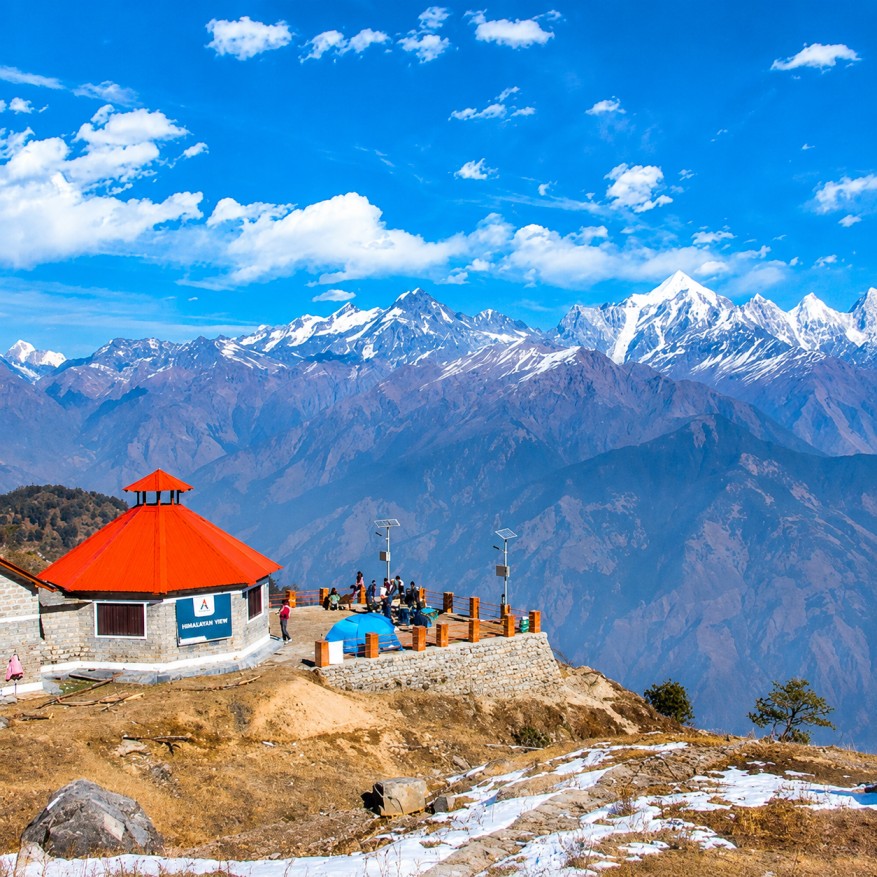
Munsiyari - Gateway To The Himalayas
Imagine waking up to a wall of snow-clad peaks glowing rose-gold in the first light of dawn, the air so crisp and clean it feels like drinking from a mountain spring, and nothing but the distant sound of a river threading through pine forests far below. That's Munsyari for you — not just a hill town, but a threshold. Perched at an altitude of approximately 2,200 metres above sea level in the Pithoragarh district of Uttarakhand, this remote and breathtakingly beautiful destination sits at the very edge of the Himalayan frontier, where India ends and the great mountain wilderness begins. Those who find their way here rarely leave without a piece of Munsyari in their hearts, and most return — drawn back by the mountains as if by a quiet, irresistible summons
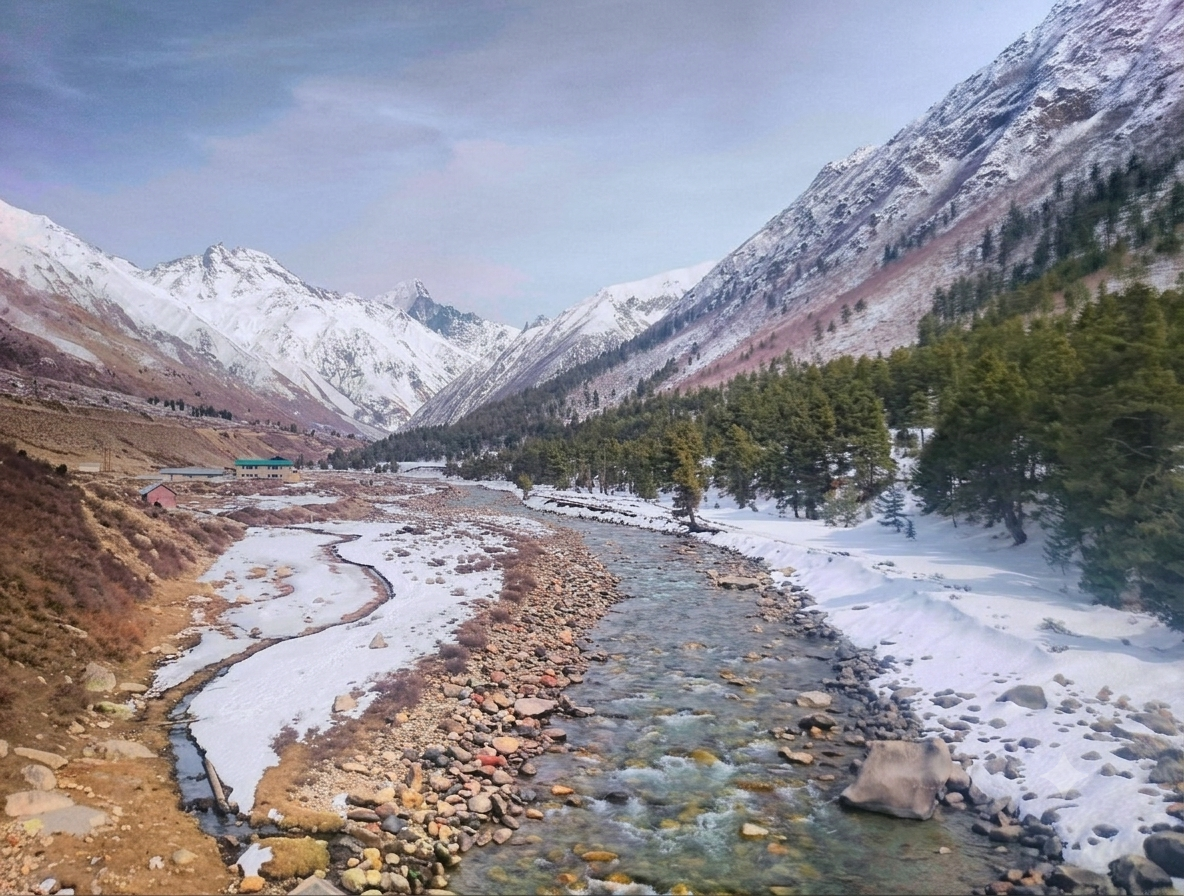
Sangla Valley : The Hidden Gem Of The Himalayas
Hidden deep in the Kinnaur district of Himachal Pradesh, Sangla Valley runs along the banks of the roaring Baspa River — a tributary of the Sutlej — cutting through some of the most dramatic mountain terrain in the entire Indian Himalaya. At an altitude ranging from 8,500 to nearly 11,000 feet, the valley stretches roughly 25 kilometres from the town of Karcham at its mouth to the village of Chitkul at its head — the last inhabited village on the Indo-Tibet border and the last point any Indian citizen can reach before the border closes. In between lies a world of apple orchards heavy with fruit, ancient wooden temples with pagoda-style rooftops, tiny villages of stone and slate perched impossibly on cliffsides, and mountain walls so sheer and so enormous they seem less like geography and more like architecture. Sangla Valley is not a place that tries to impress you. It simply is what it is — and what it is happens to be one of the most beautiful places on earth.
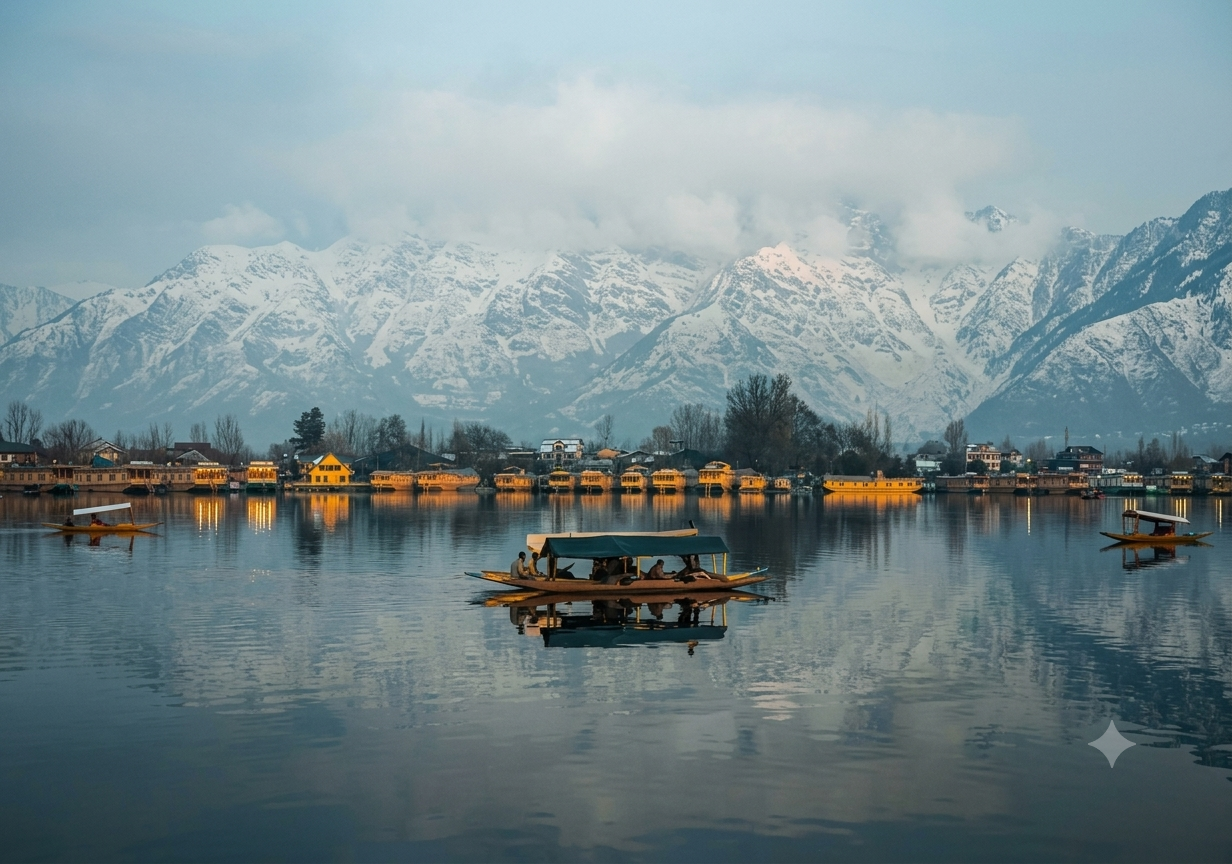
Dal Lake : The Jawel Of Kashmir
There are places in the world that make you stop, breathe, and simply feel. Dal Lake in Srinagar, Kashmir, is one of them. Cradled by the snow-dusted Himalayas and draped in the kind of silence that only nature can offer, Dal Lake isn't just a body of water — it's a living, breathing world of its own. People here wake up on wooden houseboats to the sound of oars cutting through still, glassy water. Vendors float past in shikaras overflowing with lotus flowers, saffron, and freshly baked bread. It's poetic, it's ancient, and it's unlike anywhere else on Earth.
Whether you're a honeymooner seeking romance, a solo traveler chasing stillness, or a family looking for something truly unforgettable — Dal Lake will hold you in a way you didn't expect. And chances are, you won't want to leave.
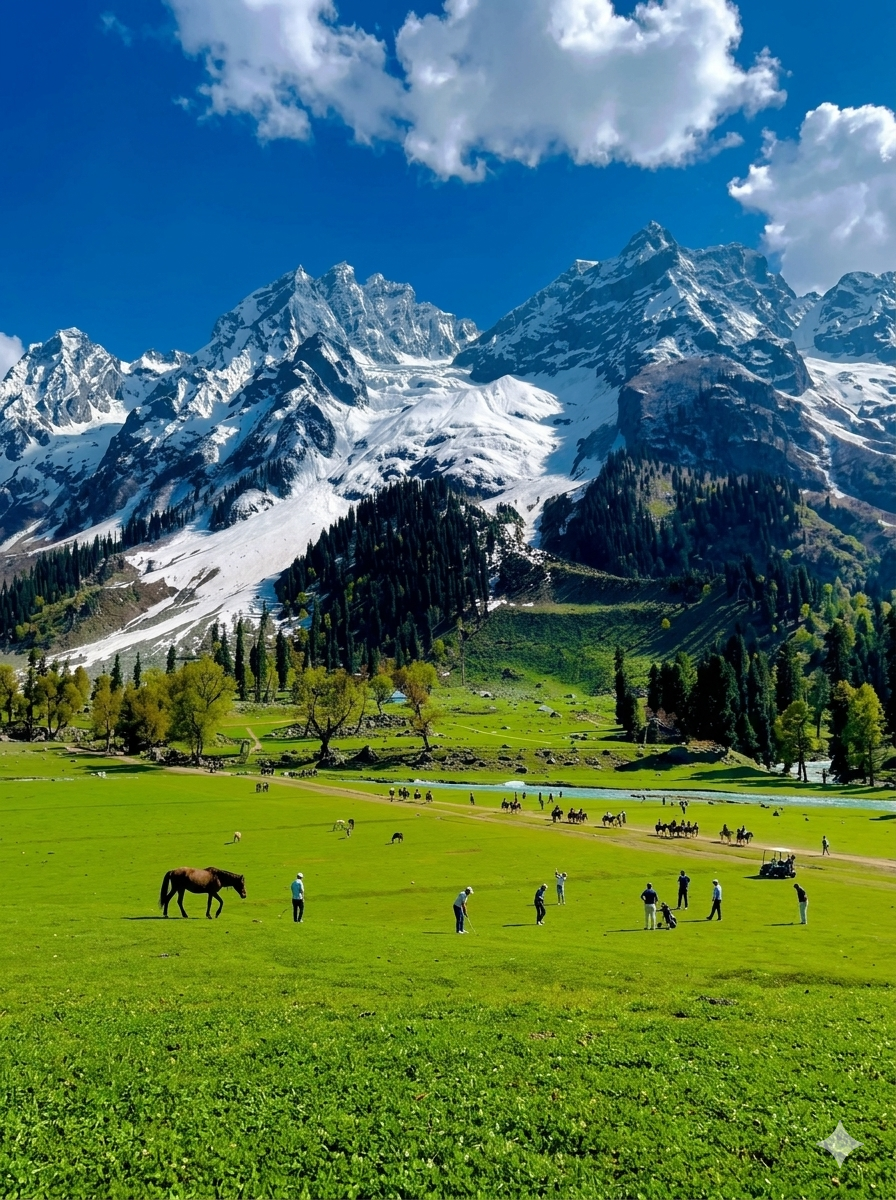
Jammu & Kashmir: Paradise On Earth
Jammu & Kashmir stands as one of the most celebrated, spiritually resonant, and naturally
magnificent destinations in the world, a Union Territory whose landscapes have drawn poets,
conquerors, pilgrims, and travellers for millennia and whose beauty remains, across every
season, among the most breathtaking that the Indian subcontinent has to offer. Nestled in the
extreme north of India and framed by the towering ranges of the Himalayas, the Pir Panjal,
the Zanskar, and the Karakoram, the territory encompasses a vast arc of geographical
diversity — from the subtropical plains of Jammu in the south to the cool meadows of the
Kashmir Valley at its centre to the high-altitude cold deserts of Ladakh in the north — each
zone distinct in its climate, culture, landscape, and character.
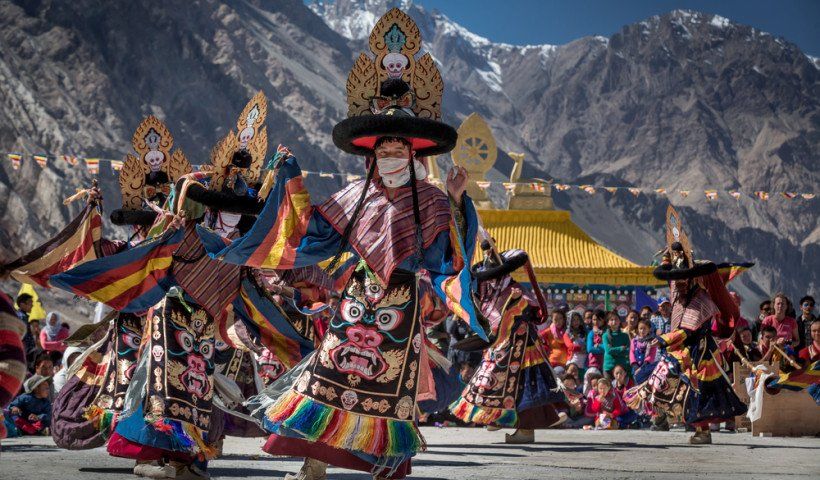
Ladakh: A Union Territory
Cradled high within the folds of the Himalayas and the Karakoram range, Ladakh stands as one of the world's most extraordinary high-altitude destinations, a land of stark beauty where towering mountains, vast desert plateaus, turquoise lakes, and ancient Buddhist monasteries combine to create landscapes that feel almost otherworldly. Often described as a moonscape or a high-altitude desert, Ladakh's terrain offers a dramatic departure from anything most travelers have encountered before, while its deeply rooted Tibetan-Buddhist culture adds a profound spiritual and cultural dimension to its physical grandeur. For those willing to make the journey to these heights, Ladakh rewards with experiences that are both visually stunning and deeply transformative.
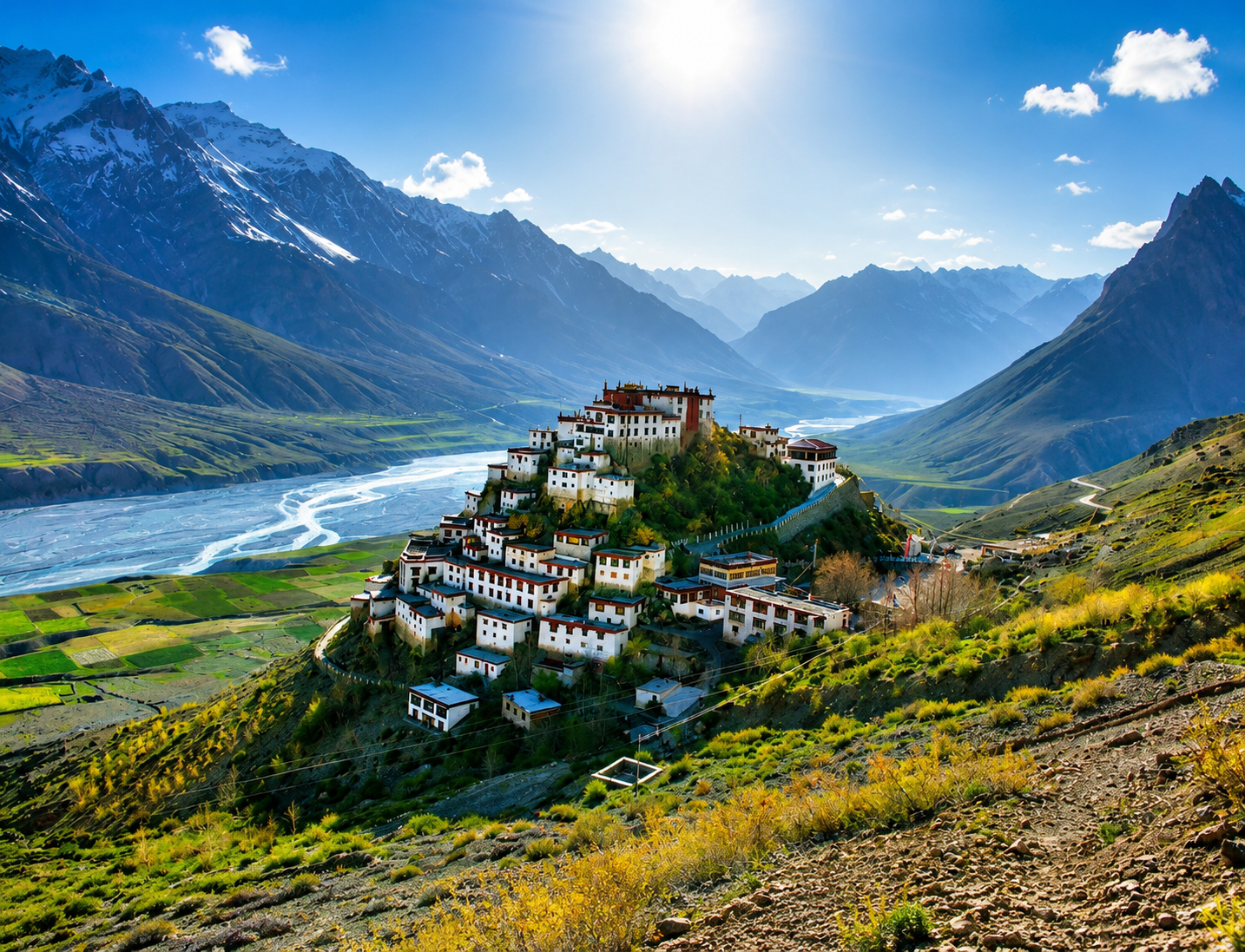
Nubra Valley: The Valley Of Flowers
Tucked away beyond the towering Khardung La pass, Nubra Valley unfolds as one of the
most surreal and visually arresting landscapes in all of Ladakh, a place where rolling sand
dunes rise improbably against a backdrop of snow-capped Himalayan peaks, and where
double-humped Bactrian camels, descendants of those once used along the ancient Silk
Route, still roam across the cold desert terrain. This unique convergence of desert and
mountain, of arid sands and glacial rivers, creates a landscape so unexpected that many first-
time visitors find it difficult to reconcile what they are seeing with their preconceived notions
of the Himalayas, making Nubra Valley one of the most memorable extensions of any
Ladakh journey.
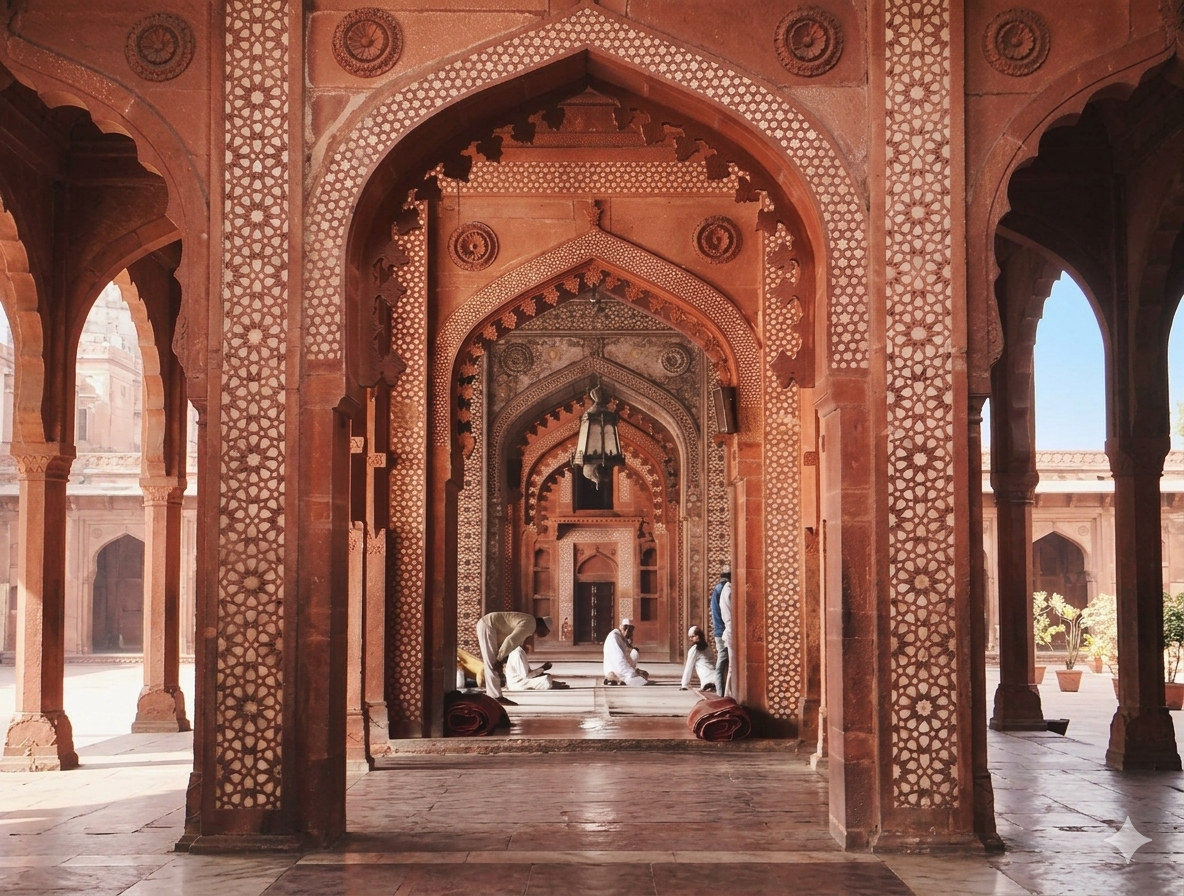
Fetehpur sikri: The City Of Victory
A short distance from Agra, the abandoned city of Fatehpur Sikri stands as one of the most
evocative and architecturally significant sites in northern India, a sprawling complex of red
sandstone palaces, courtyards, and mosques that once served as the capital of the Mughal
Empire under Emperor Akbar. Built with great ambition and abandoned within decades of its
completion, largely due to water scarcity issues that made the city unsustainable, Fatehpur
Sikri today exists as a remarkably well-preserved snapshot of Mughal imperial life frozen at
its peak, offering visitors a deeply atmospheric experience of walking through what was once
one of the most important cities in the empire, now silent and largely empty of inhabitants.
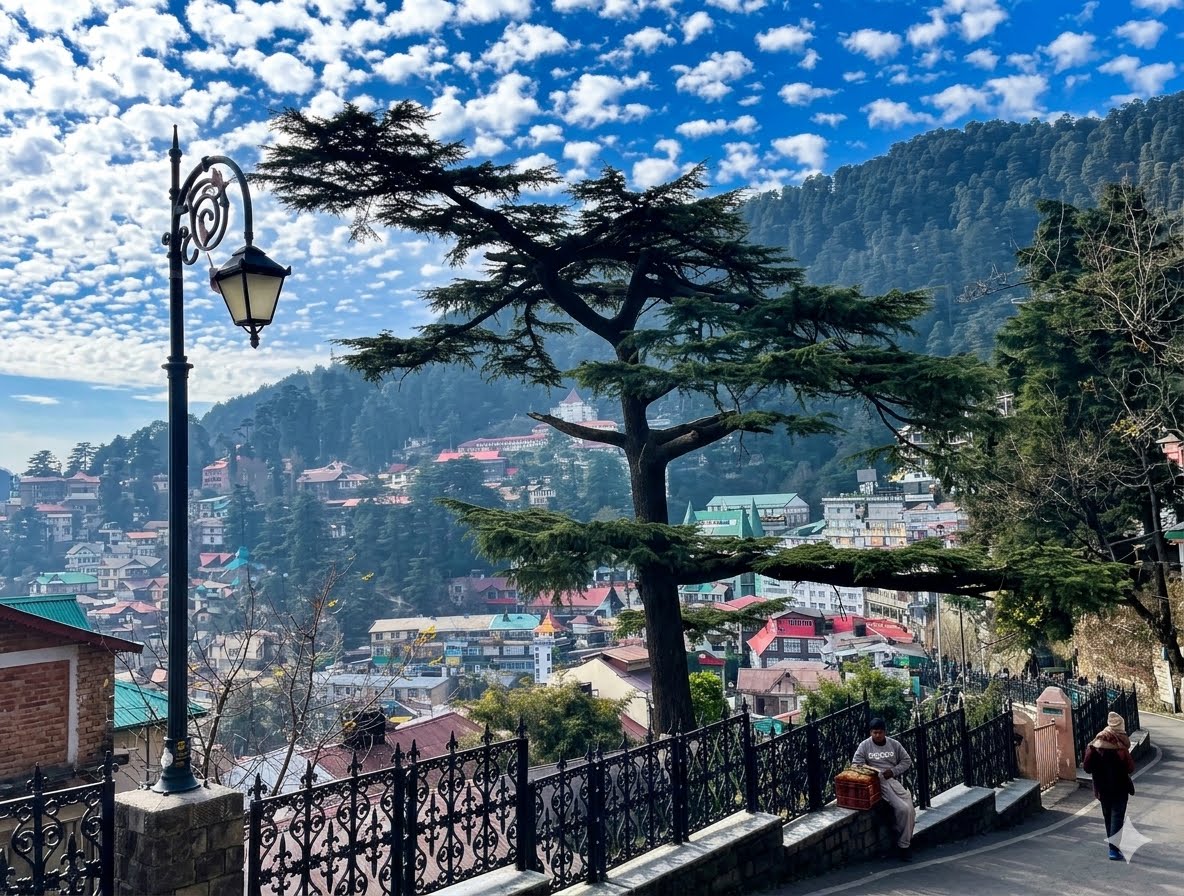
Shimla: The Queen Of Hills
Set amid pine and deodar forests in the lower ranges of the Himalayas, Shimla stands as one
of India's most iconic and enduring hill stations, a town whose identity has been shaped by its
history as the summer capital of British India. This colonial legacy, combined with sweeping
mountain views, a pleasant climate, and a well-developed tourism infrastructure, has made
Shimla a perennial favorite among travelers seeking a classic hill station experience that
successfully blends nostalgia for a bygone era with the comforts and conveniences expected
by modern visitors.
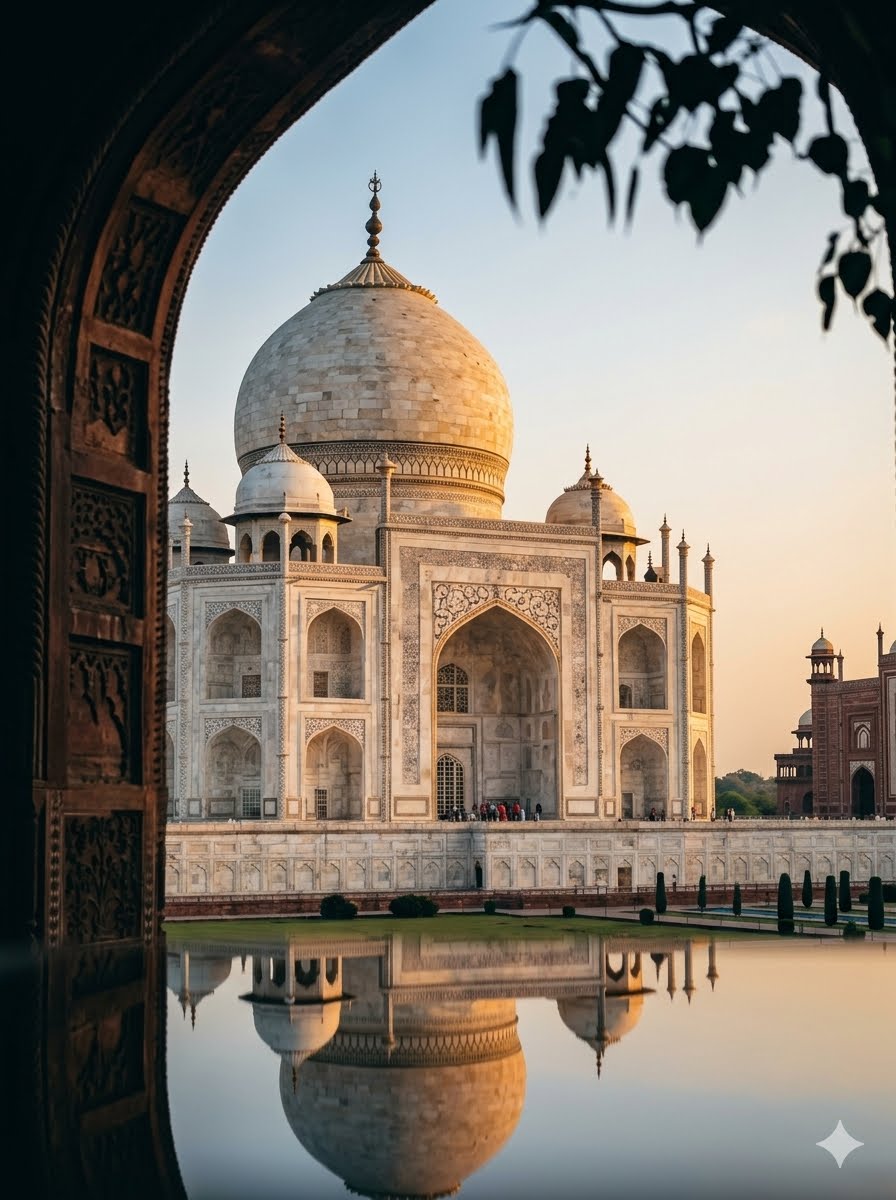
Tajmahal: The Crown Of The Palace
Rising in luminous white marble against the skyline of Agra, the Taj Mahal stands as one of
the most recognizable and revered structures ever created by human hands. Counted among
the Seven Wonders of the World, this extraordinary mausoleum represents not merely a
building but an idea, an embodiment of devotion translated into architecture on a scale and
with a precision that continues to astonish visitors nearly four centuries after its completion.
For countless travelers, the Taj Mahal is not simply a stop on an itinerary but the very reason
an entire journey to India is undertaken.
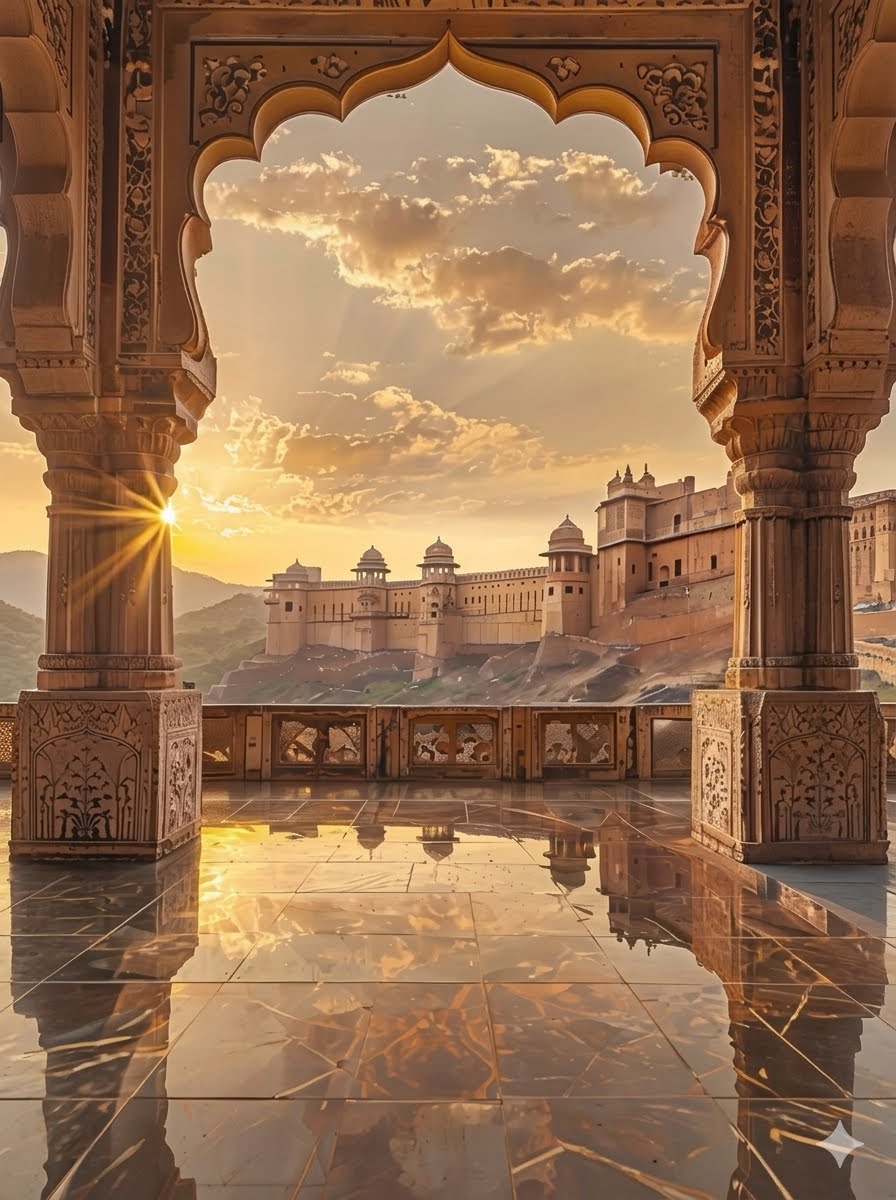
Agra: The City Of The Taj
Standing on the banks of the Yamuna River, Agra ranks among India's most famous heritage
cities and serves as a living testament to the grandeur of Mughal architecture and imperial
ambition. As the former capital of the Mughal Empire during one of its most glorious
periods, Agra is home to some of the finest examples of Indo-Islamic architecture in the
world, structures that continue to draw millions of visitors each year from every corner of the
globe. The city offers a journey back in time to an era of emperors, marble palaces, and
architectural marvels that have stood for centuries as symbols of love, power, and artistic
achievement.
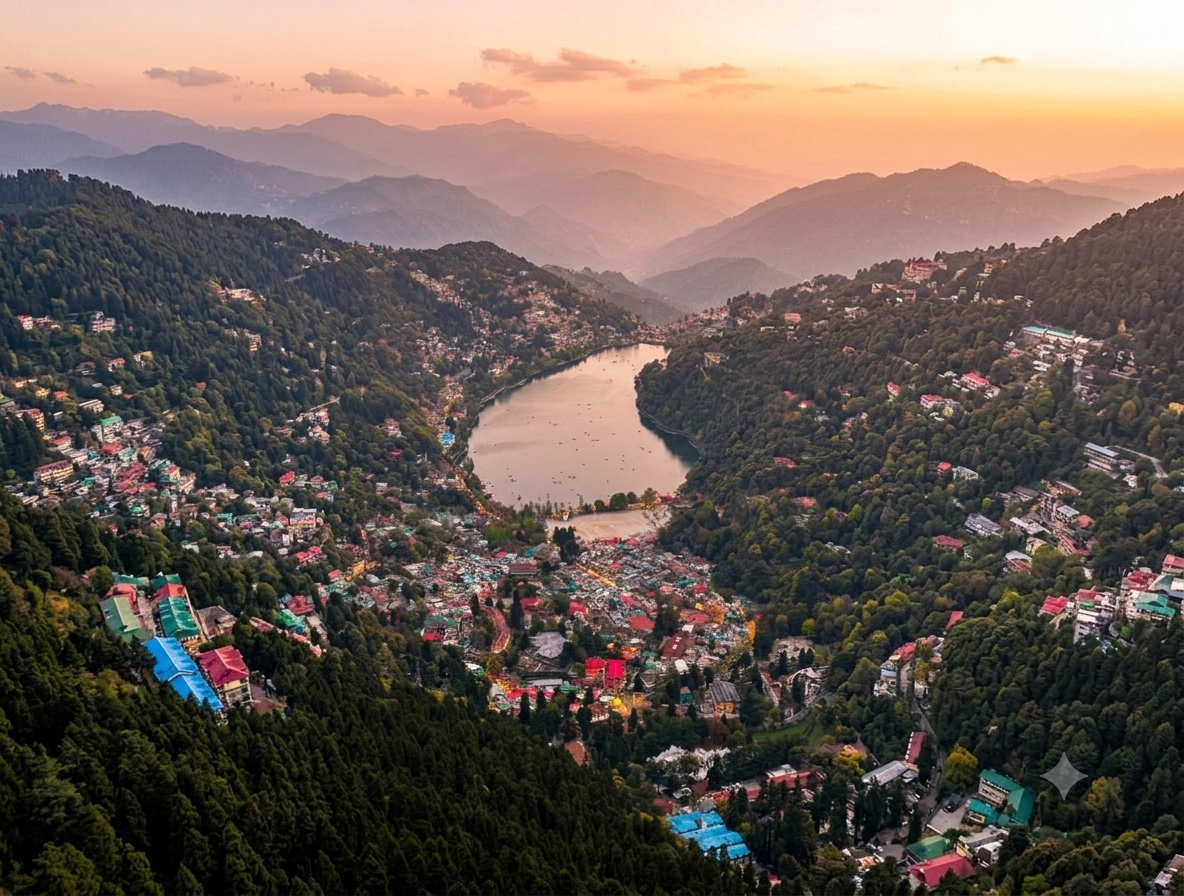
Nainital: Lake District Of India
Nestled amidst the rolling hills of the Kumaon region in Uttarakhand, Nainital stands as one
of India's most cherished hill stations, drawing travelers with its emerald lake cradled by
forested mountains on every side. Often referred to as the "Lake District of India,' this
charming town has captivated visitors for generations with its colonial-era charm, cool
climate, and breathtaking natural beauty. Whether you're seeking a romantic getaway, a
family vacation, or simply a refreshing escape from the heat and chaos of the plains, Nainital
offers an experience that combines scenic splendor with modern comforts.
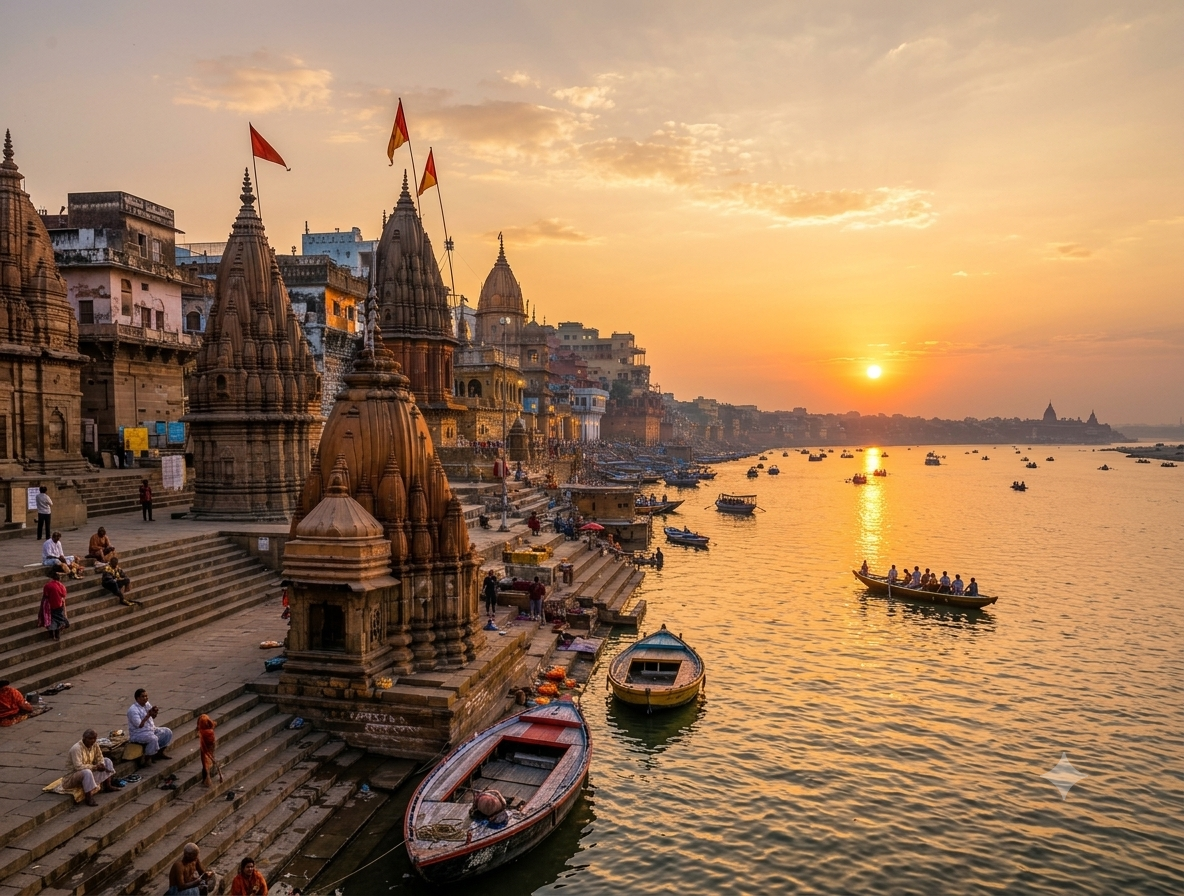
varanasi : The spiritual capital of india
Perched along the sacred banks of the river Ganges, Varanasi stands as one of the oldest
continuously inhabited cities in the world and holds the distinguished title of India's spiritual
capital. For thousands of years, this ancient city has drawn pilgrims, philosophers, scholars,
and seekers from across the globe, all converging on its ghats to witness the eternal cycle of
life, death, and devotion that defines its character. To walk through the narrow lanes of
Varanasi is to step into a living museum of Hindu civilization, where ancient traditions
continue uninterrupted in the modern era.
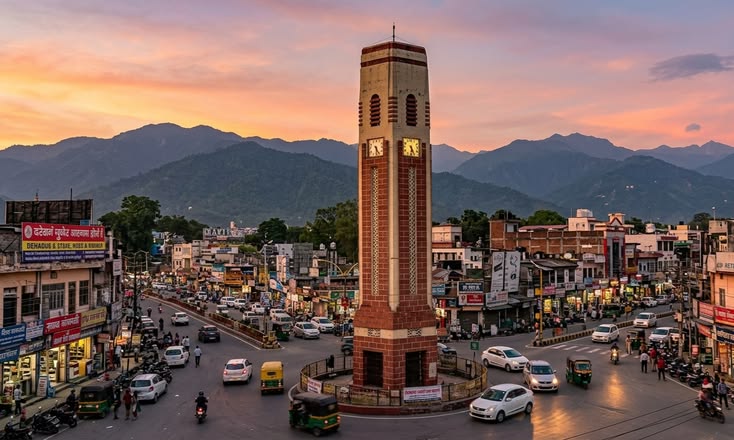
Dehradun: Gateway to the Himalayas
As the capital city of Uttarakhand, Dehradun occupies a unique position within the state's
tourism landscape — serving simultaneously as a destination in its own right and as the
primary gateway through which most visitors enter the broader Himalayan region beyond.
This dual role has shaped Dehradun's character, creating a city that combines genuine
attractions worth exploring with a practical importance as a transit point that few other cities
in the state can match.
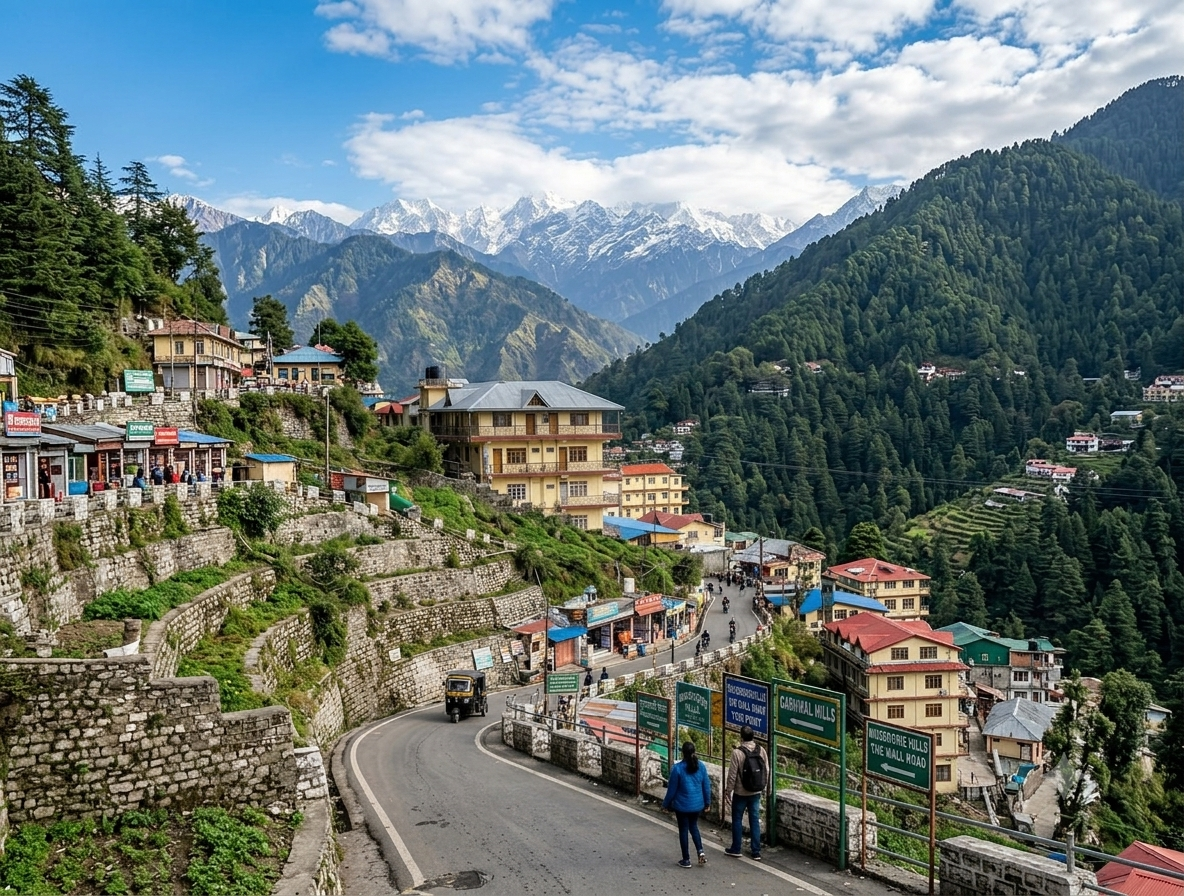
Mussoorie : The Queen of the Hills
Among India's many colonial-era hill stations, few have retained their charm and popularity
quite like Mussoorie. Perched in the Garhwal foothills of the Himalayas in Uttarakhand, this
destination has been drawing visitors since British colonial times, when it served as a retreat
from the heat of the plains below. Today, Mussoorie continues that legacy, offering cool
weather, sweeping mountain views, and a blend of heritage charm and modern amenities that
has made it one of North India's most enduringly popular hill destinations.
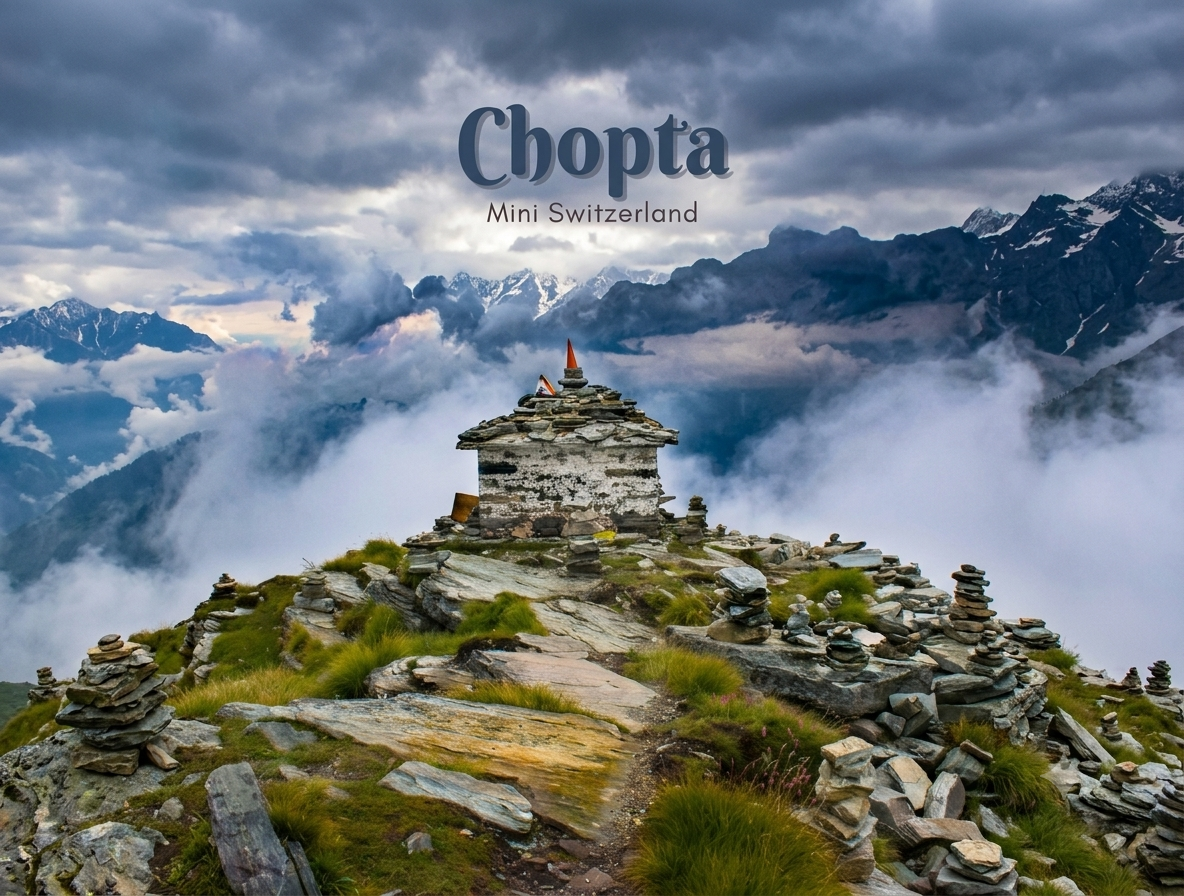
Chopta: The Mini Switzerland Of India
Tucked away in the Garhwal Himalayas of Uttarakhand, Chopta has earned a reputation that
punches well above its size — often referred to as the "Mini Switzerland of India" this small
destination offers an outsized experience of Himalayan beauty, combining dense forests,
alpine meadows, and views of snow-capped peaks in a setting that remains refreshingly free
from the crowds that characterize many of India more established hill destinations.
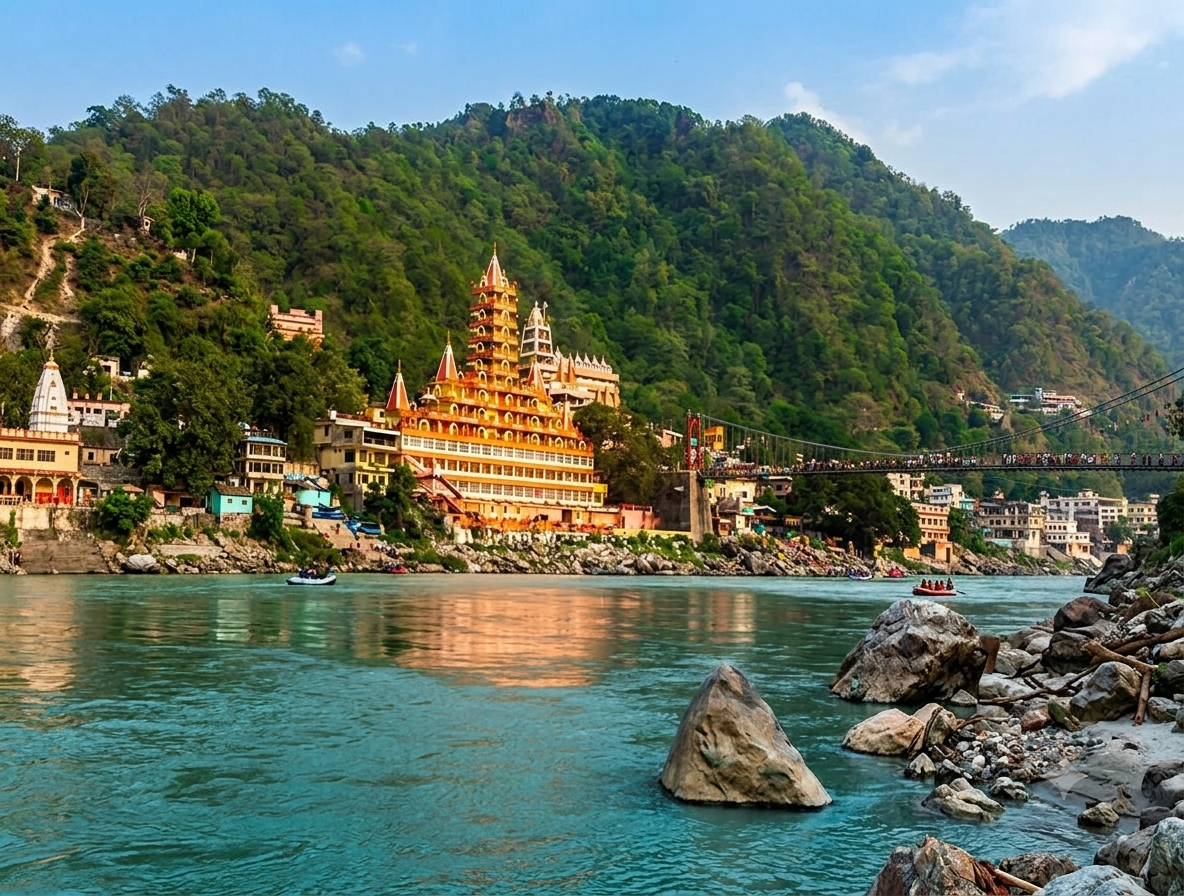
Rishikesh: the yoga capital of the world
Along the banks of the Ganges as it emerges from the Himalayan foothills, Rishikesh has
earned a reputation that extends far beyond India's borders — known globally as the "Yoga
Capital of the World," this destination represents a unique convergence of spirituality,
wellness, and adventure tourism. For travelers seeking everything from deep meditative
retreats to adrenaline-pumping outdoor activities, Rishikesh offers a combination of
experiences that few other places on earth can match, all set against the backdrop of one of
India's most sacred rivers.
Get In Touch
We are a specialist B2B Destination Management Company (DMC) with over 17 years of operational experience across India. We work exclusively with travel agencies, tour operators, and wholesalers in the USA, UK, and Europe handling every aspect of ground operations so your programs run smoothly, your clients are safe, and your brand reputation stays protected.
Ocean Trip Makers Pvt. Ltd., All right reserved.
Designed & Developed By Random Soft Solution