📖 Introduction
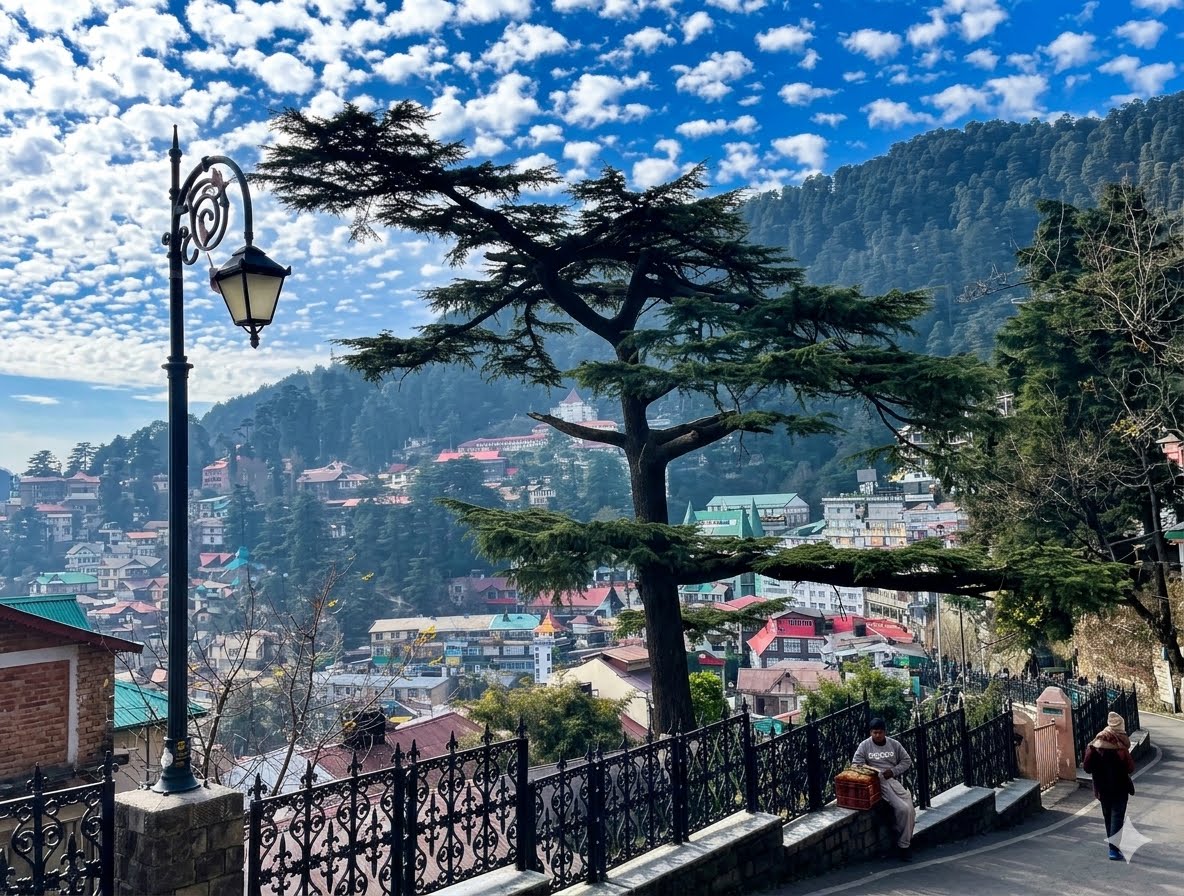
1. Shimla Set amid pine and deodar forests in the lower ranges of the Himalayas, Shimla stands as one of India's most iconic and enduring hill stations, a town whose identity has been shaped by its history as the summer capital of British India. This colonial legacy, combined with sweeping mountain views, a pleasant climate, and a well-developed tourism infrastructure, has made Shimla a perennial favorite among travelers seeking a classic hill station experience that successfully blends nostalgia for a bygone era with the comforts and conveniences expected by modern visitors.
✨ Why Visit Shimla
Shimla's colonial heritage forms perhaps its most distinctive characteristic, setting it apart from many other hill destinations across India. Established by the British as their summer retreat from the heat of the plains, the town retains an architectural character heavily influenced by this period, with Tudor-style buildings, churches, and administrative structures scattered throughout, creating an atmosphere that feels distinctly different from typical Indian towns. This colonial character extends beyond architecture into the very layout and rhythm of the town, with its central promenades, bandstands, and the overall sense of a hill town designed for leisurely strolling and relaxation.
The Himalayan scenery surrounding Shimla provides a constant visual backdrop to the town's colonial charm, with views of pine-covered slopes, distant snow-capped peaks on clear days, and valleys that stretch out below the town's ridgeline. This combination of built heritage and natural beauty creates a setting that feels simultaneously historic and timeless, where centuries-old buildings sit against a backdrop of mountains that have remained unchanged for millennia.
As a family-friendly destination, Shimla offers an ideal balance of activities, comfort, and accessibility that makes it particularly suited to travelers with children or elderly family members. The town's compact, walkable center, combined with attractions that appeal across age groups, from leisurely walks to gentle adventure activities, has made it a reliable choice for family vacations for generations of Indian travelers, with many visitors returning to share experiences they themselves enjoyed as children.
Shimla has also long held status as a popular honeymoon destination, a reputation rooted in its romantic colonial ambiance, misty mountain views, and the general association of hill stations with romantic getaways in Indian popular culture. The combination of cool weather, scenic walks, and cozy accommodations continues to draw newly married couples seeking a classic romantic retreat within relatively easy reach of major cities.
📍 Key Attractions
🛍️ Mall Road
Mall Road serves as the heart of Shimla, a pedestrian-only thoroughfare lined with shops, restaurants, cafes, and colonial-era buildings that forms the primary social and commercial hub of the town. Strolling along Mall Road, particularly in the evening when it becomes illuminated and bustling with activity, offers visitors a chance to shop for local handicrafts, woolens, and souvenirs, sample local and continental cuisine, and simply soak in the atmosphere of this historic promenade that has served as the town's social center for well over a century.
🌄 The Ridge
The Ridge, an open space adjacent to Mall Road, offers some of the most expansive views available within the town itself, along with serving as a venue for various cultural events, festivals, and gatherings throughout the year. This large open area, framed by some of Shimla's most recognizable buildings, provides a sense of openness that contrasts with the more enclosed shopping streets, while also serving as a natural meeting point and starting location for many of the town's heritage walks.
🙏 Jakhoo Temple
Jakhoo Temple, dedicated to Lord Hanuman and situated atop one of the highest points in Shimla, combines religious significance with panoramic views that extend across the town and surrounding valleys. The temple is home to an enormous statue of Hanuman that has become a landmark visible from various points throughout Shimla, while the journey to the temple, whether on foot through forested paths or via available ropeway options, forms part of the experience itself, often accompanied by the playful presence of monkeys that inhabit the surrounding forest.
🐎 Kufri
Kufri, located a short distance from Shimla, offers a complementary experience focused more on outdoor activities and natural scenery, including opportunities for horse riding, walks through forested areas, and during winter months, basic snow activities that attract visitors from the plains experiencing snow for the first time. Kufri's relatively undeveloped character compared to central Shimla provides a nice contrast, offering a more nature-focused excursion within easy reach of the main town.
⛪ Christ Church
Christ Church stands as one of the most recognizable architectural landmarks in Shimla, a striking neo-Gothic structure that has dominated the town's skyline since the colonial era. Its stained glass windows, clock tower, and overall architectural presence make it not only a place of worship but also one of the most photographed buildings in Shimla, often serving as a backdrop for the various events and gatherings that take place on The Ridge immediately in front of it.
🎯 Activities
Heritage walks through Shimla offer visitors an opportunity to explore the town's colonial history in depth, with routes typically covering significant buildings, churches, and administrative structures while guides share stories about the town's role as the summer capital of British India and the various historical events that unfolded within its buildings and streets over the decades.
Shopping along Mall Road and the surrounding lanes provides access to a range of products including Himachali shawls, woolen garments, local handicrafts, and various souvenirs, with the experience of browsing through shops housed in colonial-era buildings adding character to what might otherwise be a fairly standard tourist shopping experience.
Horse riding, available particularly around Kufri, offers visitors a chance to explore forested trails and open meadows from horseback, providing a gentle outdoor activity suitable for travelers of varying fitness levels and ages, often combined with scenic photo opportunities against the backdrop of surrounding hills.
The toy train experience, operating on the narrow-gauge railway connecting Kalka to Shimla, represents one of the most beloved activities associated with the town, a UNESCO-recognized heritage railway that winds through numerous tunnels and bridges as it climbs through forested hillsides, offering passengers a scenic and nostalgic journey that has become an attraction in its own right, independent of its practical transportation function.
Family vacations in Shimla benefit from the town's overall infrastructure, which has evolved over generations to cater specifically to family travelers, with a range of accommodations, dining options, and activities designed to keep visitors of all ages engaged and comfortable throughout their stay.
📅 Best Time to Visit
Shimla offers two distinct favorable periods for travel, from March to June and again from September to December. The March to June period provides pleasantly warm days and cool evenings, ideal for outdoor activities and sightseeing before the arrival of monsoon rains. The September to December period offers crisp, clear weather following the monsoon season, with the later part of this window sometimes bringing the possibility of early snowfall, adding an extra dimension of appeal for visitors hoping to experience snow in a relatively accessible hill station.
🚗 How to Reach Shimla
Shimla benefits from multiple connectivity options suited to different traveler preferences. Shimla Airport provides direct air access, though with limited flight frequency, while Chandigarh International Airport serves as a more frequently used alternative, offering greater flight connectivity with onward road travel to Shimla.
For rail travelers, Kalka Railway Station serves as the connecting point to the famous Shimla Toy Train Station, with the narrow-gauge railway journey between these points forming a memorable part of the travel experience itself rather than simply a means of transportation.
Road access to Shimla is excellent, with well-maintained highways providing convenient connectivity from both Chandigarh and Delhi, making road travel a popular and practical option for many visitors, particularly those traveling as part of broader North India itineraries.
🚌 Local Transportation
Within Shimla, visitors typically rely on a combination of taxis for longer distances or transport to nearby attractions like Kufri, local buses for budget-conscious travel between various points, and walking tours for exploring the compact central areas around Mall Road and The Ridge, where the pedestrian-friendly layout makes walking not just practical but often the most enjoyable way to experience the town's character.
🎒 Suggested Duration and Target Market
A stay of 2 to 3 nights is generally recommended for Shimla, providing sufficient time to explore the main attractions, enjoy the toy train experience, take a day trip to Kufri, and spend leisurely time along Mall Road and The Ridge without feeling rushed.
Shimla's appeal spans multiple traveler segments, including families seeking a reliable and enjoyable hill station experience, leisure travelers looking for a relaxing retreat with pleasant weather, honeymooners drawn to its romantic colonial ambiance, and heritage enthusiasts interested in its unique role in colonial Indian history.
According to destination management observations, Shimla's strategic location and excellent connectivity make it an ideal component of broader North India itineraries, with natural combinations including Manali for additional hill station and adventure experiences, Dharamshala for its Tibetan Buddhist cultural offerings, and Chandigarh and Amritsar for travelers seeking to combine hill station experiences with urban and religious heritage destinations within the broader Punjab and Himachal Pradesh region.