🌿 Haflong: Assam's Hidden Hill Station Gem
Haflong: Assam's Hidden Hill Station Gem
Tucked away in the Dima Hasao district of Assam, Haflong holds a unique distinction — it is the only hill station in the entire state, and arguably one of the most underrated destinations in Northeast India. While neighboring states like Meghalaya and Sikkim have become firmly established on the tourist map, Haflong remains wonderfully under the radar, offering travelers a rare combination of natural beauty, cultural authenticity, and a sense of genuine discovery that's becoming increasingly hard to find elsewhere.
🏞️ A Land Shaped by Hills, Lakes, and Forests
Haflong sits cradled among the rolling hills of the North Cachar range, with a landscape that shifts between dense forests, terraced slopes, and shimmering water bodies. The town itself is built around its most famous natural feature, and the surrounding region is home to a patchwork of villages belonging to various indigenous communities, each with its own distinct traditions, languages, and ways of life.
Unlike the more commercialized hill stations of India, Haflong has retained an unhurried, almost untouched character. The pace of life here is slow, the air is cool and clean, and the views stretch out over endless waves of green hills disappearing into the mist. Mornings often begin with a soft blanket of fog settling over the valleys, gradually lifting to reveal layers of forested ridges that fade into shades of blue and grey toward the horizon. For travelers seeking solitude, fresh air, and a break from the noise of mainstream tourism, this is precisely the kind of place that delivers.
⭐ Why Haflong Deserves a Spot on Your Itinerary
🏔️ Assam's Only Hill Station
Assam is largely known for its vast plains, tea gardens, and the mighty Brahmaputra River, so the existence of a genuine hill station within the state often surprises visitors. Haflong's elevation gives it a noticeably cooler climate compared to the rest of Assam, making it a refreshing escape, particularly during the warmer months when the plains can become uncomfortably hot and humid. The contrast is part of the appeal — within a single state, travelers can move from sweltering riverside heat to a climate that calls for a light jacket in the evenings.
🎭 Authentic Tribal Experiences
One of Haflong's biggest draws is the opportunity to engage with the region's indigenous communities in a way that feels genuine rather than staged for tourists. The Dimasa, Zeme Naga, Hmar, Biate, and several other tribal groups call this region home, each contributing their own customs, festivals, cuisine, music, and craftsmanship to the area's cultural fabric. Visiting these communities — ideally with a local guide who can help bridge language gaps and facilitate respectful interactions — offers insights into traditional lifestyles, weaving techniques, agricultural practices, and culinary traditions that have been passed down through generations.
These interactions often happen organically: a conversation over tea in someone's home, a demonstration of traditional loom weaving, or simply observing daily routines in a village square. Because tourism here hasn't reshaped local life into a performance, what visitors see is closer to how communities actually live, which makes the experience feel more meaningful and less transactional.
🌿 Offbeat and Uncrowded
Because Haflong hasn't been swept into the mainstream tourism circuit, visitors can explore its attractions without the crowds, queues, and commercialization that often diminish the experience at more popular destinations. This low footfall also means the natural environment remains relatively pristine, and interactions with locals tend to be warmer and more personal. There's a certain quiet satisfaction in standing at a viewpoint or beside a waterfall without dozens of other visitors jostling for the same photo.
📸 A Paradise for Nature Lovers and Photographers
From misty hillsides at dawn to dramatic sunset views over the valleys, Haflong offers an ever-changing canvas for photography enthusiasts. The combination of water, forest, and hill terrain creates diverse compositions, whether you're interested in landscape photography, wildlife, or capturing everyday village life. Even casual visitors with just a phone camera tend to come away with striking shots, simply because the scenery does most of the work.
📍 Key Attractions
🌊 Haflong Lake
The heart of the town, Haflong Lake is a serene, crescent-shaped water body surrounded by hills and dense vegetation. It's a popular spot for an evening stroll, offering peaceful views and a calm atmosphere that reflects the town's overall character. The lake is particularly photogenic in the early morning when mist often hovers over the water, and in the evening when the surrounding hills are silhouetted against the sky. Small eateries and seating areas nearby make it an easy place to simply sit and unwind after a day of exploring.
🐦 Jatinga
Located a short distance from Haflong, Jatinga is famous — and at times controversial — for a phenomenon where certain bird species are reported to descend toward the village during specific nights in the monsoon season, particularly when visibility is poor. This unusual occurrence has attracted researchers, ornithologists, and curious travelers from around the world. Beyond the phenomenon itself, Jatinga is a charming village inhabited by the Zeme Naga community, offering visitors a glimpse into their traditional way of life, agricultural practices, and local customs. Visitors are encouraged to approach this site with sensitivity, given the conservation concerns surrounding the phenomenon, and to engage with it as an opportunity to learn rather than simply as a spectacle.
💦 Panimur Waterfall
Often described as one of the most impressive waterfalls in Assam, Panimur cascades down in multiple tiers, creating a dramatic spectacle, especially during and after the monsoon when water volume is at its peak. The falls are surrounded by lush greenery, making the journey there as scenic as the destination itself — winding roads pass through forest cover and small settlements before opening up to the sound of rushing water. It's an ideal spot for those who enjoy nature photography or simply want to experience the raw power of a waterfall in a relatively untouched setting.
🏡 Tribal Villages
The villages scattered throughout the Dima Hasao district provide some of the most enriching experiences for travelers. Each community has its own architectural styles, traditional attire, agricultural methods, and cultural practices. Visiting these villages offers a chance to learn about handloom weaving, traditional cooking methods, local festivals, and community structures that have remained largely intact despite modernization elsewhere. Walking through these settlements, with their distinctive bamboo-and-timber houses and terraced fields, gives a strong sense of how closely daily life here is tied to the surrounding land.
🌄 Haflong Hill Viewpoints
Scattered across the hills surrounding the town are several viewpoints that offer sweeping panoramas of the valleys, forests, and distant hill ranges. These spots are particularly popular during sunrise and sunset, when the changing light transforms the landscape into a canvas of golds, oranges, and deep blues. They're also excellent locations for those looking to capture the scale and beauty of the region in a single frame, and for simply sitting quietly to take in the view.
🥾 Activities for Every Kind of Traveler
🌲 Trekking
The hilly terrain around Haflong makes it a natural destination for trekking enthusiasts. Trails wind through forests, along ridgelines, and past small villages, offering varying levels of difficulty suitable for both casual walkers and more experienced trekkers. These treks often double as cultural experiences, as paths frequently pass through or near tribal settlements, giving trekkers a chance to interact with locals along the way and observe rural life up close.
🚣 Boating
Haflong Lake offers boating opportunities, providing a relaxed way to take in the surrounding scenery from the water. Gliding across the lake during the golden hours of early morning or late afternoon, when the light reflects beautifully off the water's surface, is one of the simplest yet most memorable experiences the town has to offer — a quiet, easy activity that suits travelers of all ages.
🗺️ Planning Your Visit
The ideal time to visit Haflong is generally between October and April, when the weather is pleasant and roads remain more reliably accessible. The monsoon season, while lush and green, can bring heavy rainfall that occasionally affects road connectivity in this hilly terrain, so travelers visiting during this period should build some flexibility into their plans.
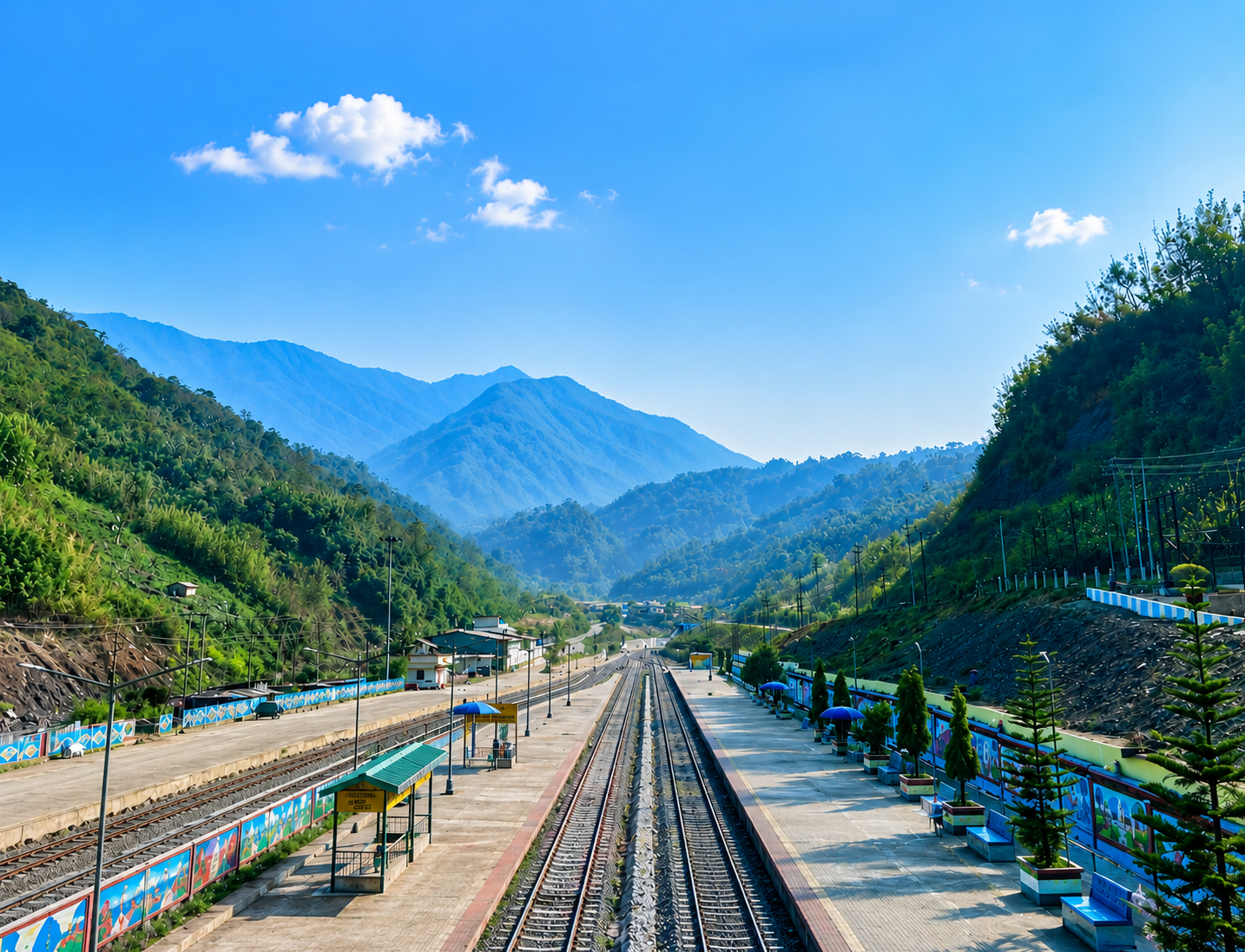
Haflong is accessible by road from major cities like Guwahati and Silchar, and it also has its own railway station along a particularly scenic stretch of hill railway — a journey worth experiencing in its own right, with the train winding through tunnels and along hillsides offering glimpses of the valleys below. Given its offbeat status, accommodation options are more limited than in mainstream hill stations, so planning and booking ahead is advisable, especially during peak season.
For travelers seeking a destination that combines natural beauty, cultural immersion, and a genuine escape from crowded tourist trails, Haflong offers an experience that's increasingly rare — a place where discovery still feels real
Places to visit nearby