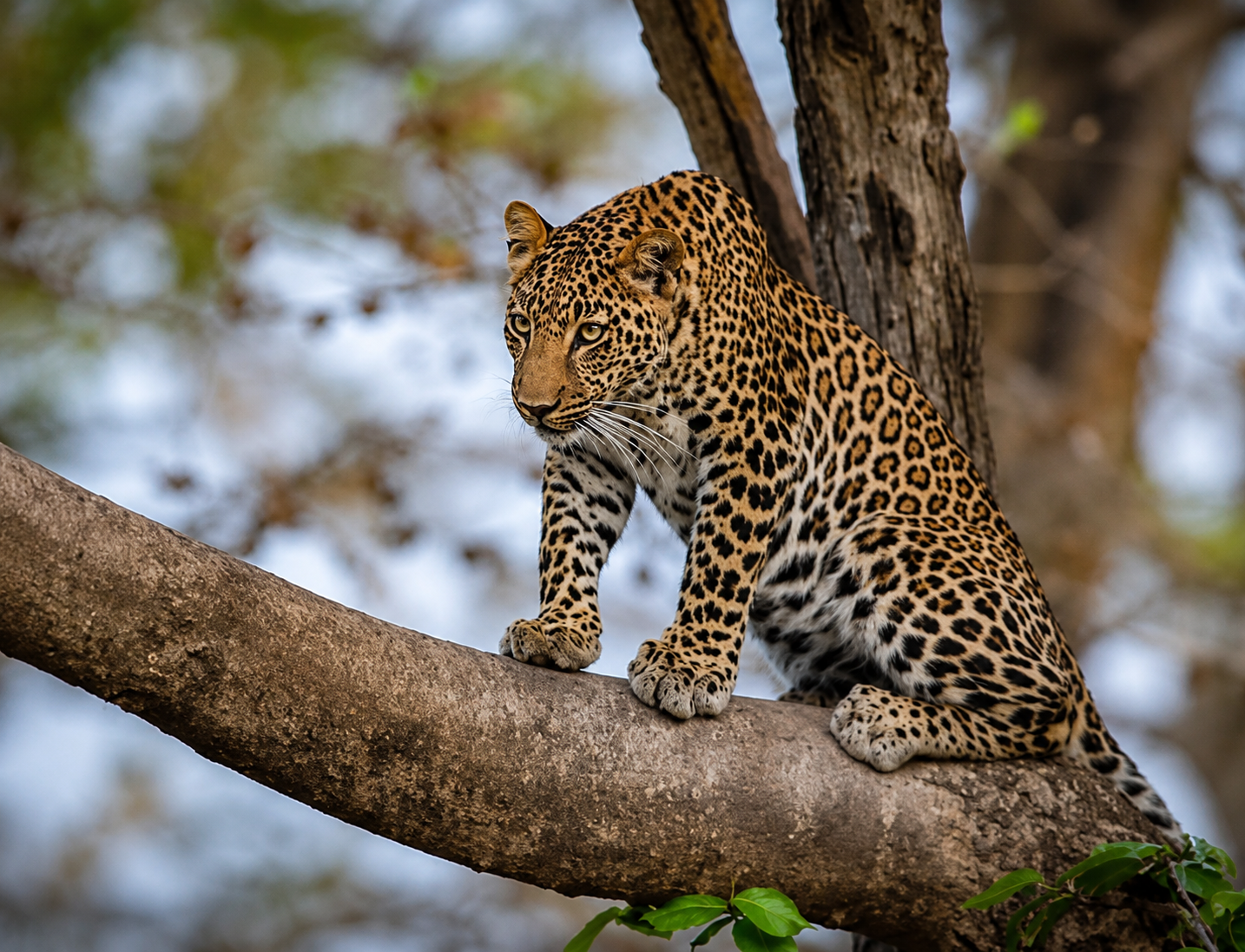
🌿 Simlipal National Park (Odisha)
🌳 Overview
Simlipal National Park stands as one of the most vast, ecologically diverse, and visually magnificent protected areas in eastern India, a wilderness of sal forests, rolling hills, cascading waterfalls, and river valleys of extraordinary beauty that together create a natural landscape of rare grandeur and biological richness. Located in the Mayurbhanj district of Odisha, in the northern reaches of the state bordering Jharkhand and West Bengal, the park forms the core of the Simlipal Biosphere Reserve, one of the largest biosphere reserves in India, encompassing an area of approximately two thousand seven hundred and fifty square kilometres of which the national park and tiger reserve constitute the most strictly protected central zone. The destination draws wildlife enthusiasts, naturalists, birdwatchers, waterfall seekers, and those drawn by the promise of a wilderness experience of genuine scale and solitude, offering an encounter with a functioning tiger habitat set within a landscape of such natural beauty that the journey through it is as rewarding as any specific wildlife sighting it may yield.
What distinguishes Simlipal from other national parks in eastern India is the combination of ecological scale, topographic drama, and waterfall spectacle that gives the landscape a character simultaneously reminiscent of the Western Ghats and the central Indian highlands yet entirely distinctive in its own right. The park's sal forests, among the finest and most extensive remaining in India, stretch across rolling terrain interrupted by the rocky outcrops, grassland clearings, and perennial streams of the Eastern Ghats foothills in a manner that creates a mosaic of habitats of exceptional biodiversity. The celebrated waterfalls of Barehipani and Joranda, among the highest in India, add a dimension of spectacular natural beauty to the wildlife experience that few other tiger reserves in the country can match, making Simlipal a destination that satisfies the naturalist, the photographer, and the lover of wild landscapes in equal measure.
🐅 Why Visit Simlipal National Park
The designation of Simlipal as both a Tiger Reserve under Project Tiger and a UNESCO recognised Biosphere Reserve reflects the exceptional ecological significance of a landscape that functions as one of the most important refuges for large mammals in eastern India, sheltering populations of tigers, elephants, leopards, gaur, and a remarkable diversity of smaller carnivores and herbivores within a forest system of sufficient scale to support genuinely viable wildlife populations. The park represents one of the few places in Odisha where the full complement of large mammal species characteristic of the Indian subcontinent can still be encountered.
One of the most compelling reasons to visit is the sheer scale and wildness of the Simlipal landscape, which conveys a quality of genuine wilderness immersion that is increasingly rare among Indian protected areas. The park's size means that visitors moving through its interior forest roads experience long stretches of uninterrupted sal forest, open grassland plateaus, and river crossings that together create a sustained sense of being within a functioning and largely undisturbed natural ecosystem rather than a managed wildlife viewing destination. This quality of authentic wildness, combined with the park's relatively modest visitor numbers compared to more celebrated tiger reserves, gives Simlipal a character of solitude and natural integrity that is one of its most distinctive and precious qualities.
Additionally, the waterfalls of Simlipal, particularly the Barehipani Falls with a drop of approximately four hundred metres making it one of the highest waterfalls in India, and the Joranda Falls plunging approximately one hundred and fifty metres in a single unbroken curtain of white water, provide natural highlights of a scale and beauty that would distinguish any destination independently of its wildlife significance. The experience of encountering these waterfalls within the context of a vast, functioning tiger reserve, approached through kilometres of uninterrupted forest, gives them a resonance and power that isolated scenic destinations cannot replicate.
💧 Key Highlights Within the National Park
🏞 Barehipani Falls
Barehipani Falls, located within the core zone of the national park and accessible from Jashipur via the northern entry route, is the most spectacular and celebrated natural feature of Simlipal, a two-tiered cascade of approximately four hundred metres total height that ranks among the highest waterfalls in India and descends through a forested gorge of extraordinary scenic grandeur. The approach to Barehipani through the forest roads of the park's interior, passing through sal woodland and crossing the streams that feed the falls from above, is itself deeply rewarding, and the arrival at the viewpoint above the main cascade, where the full scale of the drop becomes suddenly apparent, produces an impression of natural power and beauty that remains with visitors long after the visit.
🌊 Joranda Falls
Joranda Falls, accessible from the southern entry route through Pithabata, presents a contrasting waterfall experience to Barehipani, plunging approximately one hundred and fifty metres in a single broad unbroken sheet of water over a basalt cliff face that creates a curtain of white against the surrounding green of the sal forest. The falls are surrounded by a particularly dense and beautiful section of forest, and the combination of the single dramatic plunge, the enclosed forest setting, and the spray-dampened vegetation in the immediate vicinity creates an atmosphere of enclosed natural drama quite different from the more expansive grandeur of Barehipani.
🚙 Activities
Jeep safaris through the park's designated forest routes, conducted in the early morning and afternoon hours from the established entry points of Pithabata in the south and Jashipur in the north, form the primary wildlife activity at Simlipal, moving through a varied landscape of sal forest, grassland clearings, river crossings, and elevated plateau terrain that offers changing wildlife and scenic interest across the full duration of each safari. The park's size means that a single safari covers a substantial distance through genuinely varied terrain, and the experience of long, uninterrupted forest driving punctuated by wildlife encounters and waterfall viewpoints gives Simlipal safaris a character of sustained natural immersion distinctive among Indian tiger reserves.
Birdwatching across the park's varied habitats, from the sal forest interior and the grassland plateaus to the riverine corridors and the forest edges near the waterfalls, rewards those who dedicate time to patient observation with access to one of the most diverse avifaunas of any protected area in eastern India.
📅 Best Time to Visit
❄ November - February
The most favorable period to visit Simlipal National Park is from November to May, when the park is open to visitors and the conditions for wildlife observation and waterfall viewing are at their most rewarding.
☀ February - May
The months of February to May, as the dry season advances and the forest becomes progressively more open and the waterholes more concentrated, bring the large mammal populations into more predictable patterns of movement.
🌧 Monsoon
The monsoon months from June to October bring the Simlipal landscape to its most visually extraordinary expression.
🚗 Connectivity
Simlipal National Park is accessible from two principal entry points, Pithabata in the south and Jashipur in the north, which provide access to different sectors of the park and are typically used in combination by visitors spending multiple days within the reserve.
The town of Baripada, the headquarters of Mayurbhanj district, located approximately sixty kilometres from the Pithabata entry point and well connected by road to both Bhubaneswar and Kolkata, serves as the most practical urban base for visitors to Simlipal and offers accommodation, local transport, and logistical support for organising forest department permits and safari arrangements.