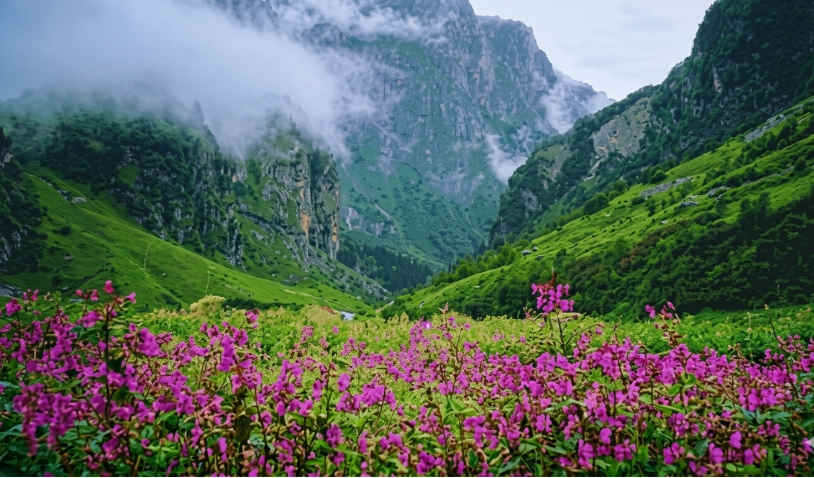
```html
🌄 Why Japfu Peak Deserves a Place on Your Itinerary
Japfu Peak holds the distinction of being Nagaland's second-highest mountain peak, making it a significant destination for trekkers seeking high-altitude experiences within the state. Beyond its elevation credentials, Japfu offers landscapes and views that reward the effort required to reach its summit, with panoramic vistas extending across the surrounding hills and, on clear days, toward more distant peaks within the broader region.
The peak's proximity to Dzukou Valley means that the two destinations are often combined within a single itinerary, allowing trekkers to experience both the dramatic valley landscapes of Dzukou and the summit views offered by Japfu within a relatively compact geographic area. This combination has made the Japfu-Dzukou circuit a popular choice among trekkers visiting Nagaland, offering variety in terrain and experience within a single trip.
🥾 Activities for Visitors
🏔️ Trekking
Trekking to Japfu Peak offers a different kind of challenge compared to the Dzukou trail, typically involving more significant elevation gain as trekkers make their way toward the summit. The terrain along the way often includes forest sections that give way to more open, exposed terrain as altitude increases — a transition that mirrors, in some ways, the experience of reaching Dzukou Valley, though with the added goal of reaching a specific summit point.
📸 Nature Photography
Nature Photography along the route to Japfu Peak captures a different character compared to Dzukou — more focused on forest ecosystems in the lower sections, transitioning to broader mountain views as the trek progresses toward the summit. The peak itself offers expansive panoramic opportunities, particularly during clear weather when visibility extends across significant distances.
ℹ️ Practical Information
📅 Best Time to Visit
Best Time to Visit: October to April offers the most favorable conditions for the trek, avoiding both monsoon rains that can make trails difficult and the coldest winter conditions at higher altitudes.
🏕️ Recommended Stay
Recommended Stay: 1–2 nights reflects the time typically required for the trek itself, including time at higher altitude camps if an overnight stay near or on the mountain is part of the itinerary — though many trekkers combine this with time at Dzukou Valley as part of a longer overall itinerary.
Nearby Tourist Attractions
```