🌿 Koraput (Odisha)
🏞 Overview
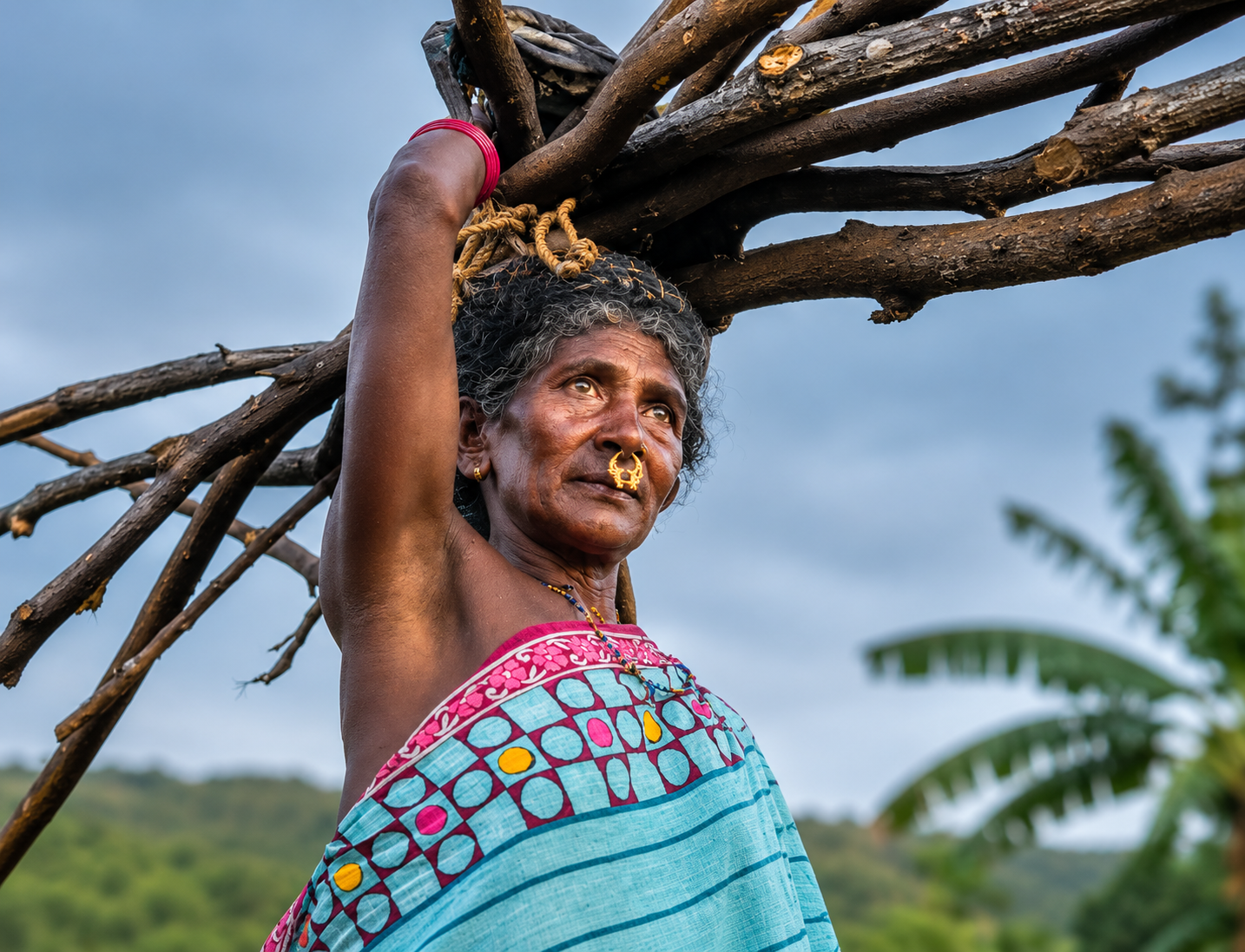
Koraput stands as one of the most culturally profound and scenically magnificent destinations in eastern India, a highland landscape of forested hills, fertile valleys, cascading streams, and ancient tribal traditions that together create an experience of cultural and natural immersion unlike anything available elsewhere in Odisha. Located in the southernmost reaches of the state, bordering Andhra Pradesh and Chhattisgarh, Koraput occupies a elevated plateau of the Eastern Ghats at altitudes ranging from approximately nine hundred to fifteen hundred metres above sea level, creating a climate of remarkable pleasantness and a landscape of rolling green hills, coffee and cardamom plantations, and dense forests that carry an atmosphere of fertile abundance and timeless tranquility. The destination draws anthropologists, cultural travelers, photographers, nature enthusiasts, and those drawn by the living tribal heritage of the Kondh, Bonda, Gadaba, Dongria Kondh, and numerous other indigenous communities whose customs, crafts, languages, and ceremonial traditions represent some of the most ancient and intact cultural expressions surviving anywhere in the Indian subcontinent.
What distinguishes Koraput from other tribal heritage destinations in India is the extraordinary density and diversity of its indigenous cultural traditions compressed within a single district of manageable geographical scale. Unlike regions where tribal culture has been significantly diluted by modernisation or reduced to a handful of representative communities, Koraput shelters dozens of distinct tribal groups, each maintaining its own language, ceremonial calendar, artistic tradition, and relationship with the surrounding forest landscape, creating a mosaic of living cultures of almost incomprehensible richness. The weekly tribal markets, or haats, that animate the district's villages and small towns with colour, commerce, and social gathering are among the most celebrated and genuinely engaging cultural experiences in India, drawing visitors from across the world who recognise in them a quality of authentic human community that is increasingly rare in the contemporary world.
🌄 Why Visit Koraput
The recognition of Koraput's tribal heritage as a destination of extraordinary anthropological and cultural significance reflects a growing international awareness of the district as one of the most important living repositories of indigenous knowledge, artistic practice, and ceremonial tradition remaining in South Asia.
One of the most compelling reasons to visit is the Onkadelli tribal market, held every Thursday in a remote valley of exceptional scenic beauty, which draws the Bonda tribe, one of the most ancient and visually distinctive indigenous communities in India, down from their hilltop villages to trade, socialise, and conduct the commercial and ceremonial exchanges that have defined the rhythm of their community life for generations.
Additionally, Koraput offers a natural landscape of considerable beauty and ecological richness that provides a compelling backdrop for the cultural experiences the district offers.
✨ Key Highlights Within Koraput
🛖 Onkadelli Tribal Haat
The Onkadelli tribal haat, held every Thursday in a valley approximately thirty kilometres from Koraput town, is the single most celebrated and emotionally powerful cultural experience the district offers, drawing the Bonda community from the Bonda Hills alongside members of other tribal groups including the Kondh, Gadaba, and Didayi in a gathering of commercial and social exchange that has continued with remarkable consistency across generations.
🌊 Duduma Falls
Duduma Falls, located on the Machkund river near the border with Andhra Pradesh, is a waterfall of considerable scale and scenic power, plunging approximately one hundred and seventy five metres through a forested gorge in a setting of dense vegetation and rocky outcrops that creates an atmosphere of natural wildness and beauty.
⛰ Deomali Peak
The Deomali peak, rising to approximately fifteen hundred metres as the highest point in Odisha, offers panoramic views across the forested highlands of the Eastern Ghats and the surrounding landscape of the Koraput plateau that convey the full scale and beauty of the region's highland terrain.
🚣 Kolab Reservoir
The Jagannath Sagar, also known as the Kolab Reservoir, created by the damming of the Kolab river and surrounded by forested hills of considerable scenic beauty, offers a landscape of open water and wooded shoreline that provides a welcome natural counterpoint to the cultural intensity of the tribal market experiences.
🌿 Activities
Attending the Onkadelli Thursday haat is the activity most visitors to Koraput prioritise above all others, requiring an early morning departure from Koraput town to reach the market during its most animated hours.
Exploring the natural landscapes of the district through a combination of boat rides on the Kolab Reservoir, treks through the forested approaches to Deomali and Duduma Falls, and drives through the plantation landscape of coffee, cardamom, and ginger that covers significant portions of the Koraput plateau, provides a full and varied engagement with the natural character of the region.
📅 Best Time to Visit
🍂 October - March
The most favorable period to visit Koraput is from October to March, when the post-monsoon highland climate delivers temperatures of genuine pleasantness, clear skies that reveal the full beauty of the Eastern Ghats landscape.
🌧 Monsoon
The monsoon months from June to September transform the Koraput landscape into a vivid tapestry of green.
🚗 Connectivity
Koraput is accessible by rail and road from the major urban centres of Odisha and the surrounding states.
Private vehicles and hired cars provide the most practical means of reaching the more remote tribal market locations and natural sites within the district, and engaging a knowledgeable local guide and driver for the duration of a Koraput visit is strongly recommended for maximising the depth and quality of the cultural and natural experiences the district offers.
Must-Visit Places Nearby