```html
🏔️ Anini: Into the Heart of Dibang Valley
For travelers seeking the most remote, unspoiled corners of India's Himalayan landscape, Arunachal Pradesh offers destinations that few have heard of and even fewer have visited. Anini, Dong Valley, and Mechuka represent some of the state's most extraordinary offerings — places where pristine nature, indigenous tribal cultures, and dramatic mountain landscapes combine to create experiences that feel genuinely off the beaten path, even by the standards of adventure travel.
🌄 Destination Overview
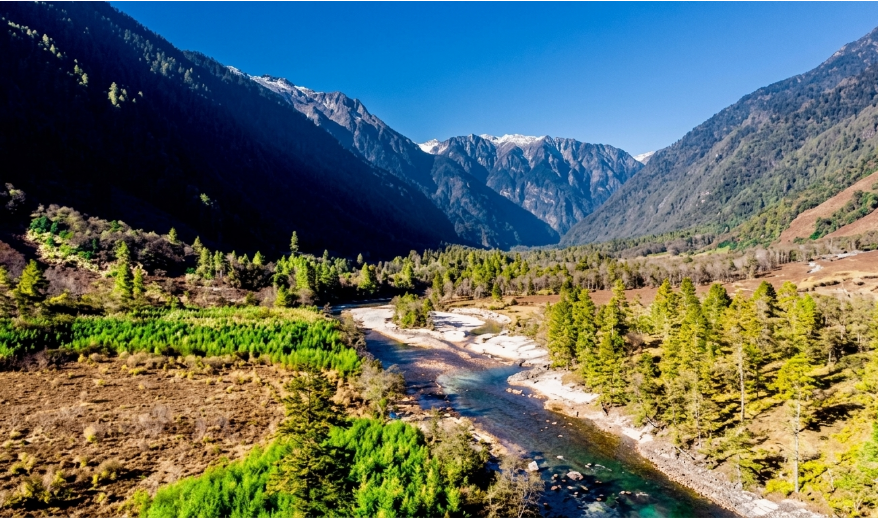
Anini stands as one of India's most remote Himalayan destinations, tucked away in the Dibang Valley district and representing a level of isolation that few places in the country can match. For travelers willing to undertake the journey, Anini offers a glimpse into landscapes and cultures that remain largely untouched by modern development, set against a backdrop of towering peaks and dense forests that stretch toward the Chinese border.
✨ Why Anini Deserves a Place on Your Itinerary
🌿 Remote Wilderness
The remoteness of Anini isn't just a logistical footnote — it's central to the experience. Reaching this destination requires genuine commitment, and that very difficulty is what has preserved the area's character. Travelers who make the journey are rewarded with landscapes and experiences that simply don't exist in more accessible parts of the Himalayas.
🏔️ Pristine Landscapes
The Dibang Valley region, in which Anini sits, is characterized by largely undisturbed forests, river valleys, and mountain terrain. The area's isolation has meant that development pressures common elsewhere in the Himalayas have had minimal impact here, leaving ecosystems and landscapes in a condition that increasingly rare destinations can claim.
🏡 Authentic Tribal Experiences
The Idu Mishmi community, predominant in this region, maintains traditions, customs, and ways of life that have been shaped by centuries of adaptation to this challenging mountain environment. Visiting their villages offers insights into a culture that remains deeply connected to the surrounding landscape, with traditions around hunting, agriculture, and spiritual practice that reflect this relationship.
📍 Key Attractions
🏞️ Dibang Valley
Dibang Valley itself is the defining feature of the region — a vast, largely forested valley system that offers some of the most dramatic and unspoiled mountain scenery in the entire Himalayan range, with rivers cutting through deep gorges and forests rising toward snow-capped peaks.
❄️ Mayodia Pass
Mayodia Pass serves as both a scenic highlight and a practical waypoint for those traveling toward Anini, offering high-altitude views over the surrounding mountains and often featuring snow cover during cooler months, making it a popular stop for photography.
🏘️ Local Tribal Villages
Local Tribal Villages scattered throughout the region provide opportunities for cultural exchange, offering visitors a chance to observe traditional architecture, daily life, and customs of communities that have maintained their way of life despite the area's growing — though still very limited — exposure to outside visitors.
🥾 Activities
Trekking in this region offers some of the most genuinely remote trail experiences available in India, passing through forests and mountain terrain rarely visited by outsiders. Photography enthusiasts will find endless opportunities, from sweeping mountain panoramas to intimate portraits of village life. Nature Exploration more broadly allows visitors to engage with ecosystems that remain in a near-pristine state, offering naturalists and curious travelers alike a rare window into undisturbed Himalayan biodiversity.
ℹ️ Practical Information
Places to Visit Nearby
```