Why Culinary Tours Are Growing in India : A Strategic Insight for International Tour Operators & Travel Partners
Why Culinary Tours Are Growing in India | Ocean Tripmakers
Home › Blog › Why Culinary Tours Are Growing in India
Why Culinary Tours Are Growing in India
A Strategic Insight for International Tour Operators & Travel Partners
India has always been known for its rich cultural diversity—but today, it is its culinary heritage that is emerging as a powerful driver of experiential travel.
From royal kitchens to street food traditions, India offers a gastronomic journey that is as diverse as its geography. For modern international travelers, food is no longer just a part of travel—it is becoming the reason to travel.
This shift is fueling the rapid growth of culinary tourism in India, creating new opportunities for B2B travel partners worldwide.
The Rise of Culinary Tourism Globally
Travelers today are increasingly motivated by:
- Authentic local experiences
- Cultural exploration through food
- Interactive and hands-on activities
- Storytelling and heritage-driven journeys
Food connects people to culture in a way that few other experiences can. India, with its depth and diversity, is uniquely positioned to lead this trend.
Why India Is Emerging as a Culinary Tourism Hotspot
1. Unmatched Culinary Diversity
India's cuisine changes every few hundred kilometers. Travelers can experience:
- North Indian royal and Mughlai cuisine
- South Indian coastal and spice-rich dishes
- Regional specialties from Gujarat, Bengal, Rajasthan, and more
This diversity allows for multi-destination culinary itineraries.
2. Strong Cultural Connection to Food
In India, food is deeply tied to:
- Festivals and traditions
- Religious practices
- Family and community life
Every dish has a story—making culinary tours rich in cultural storytelling.
3. Rise of Experiential Travel
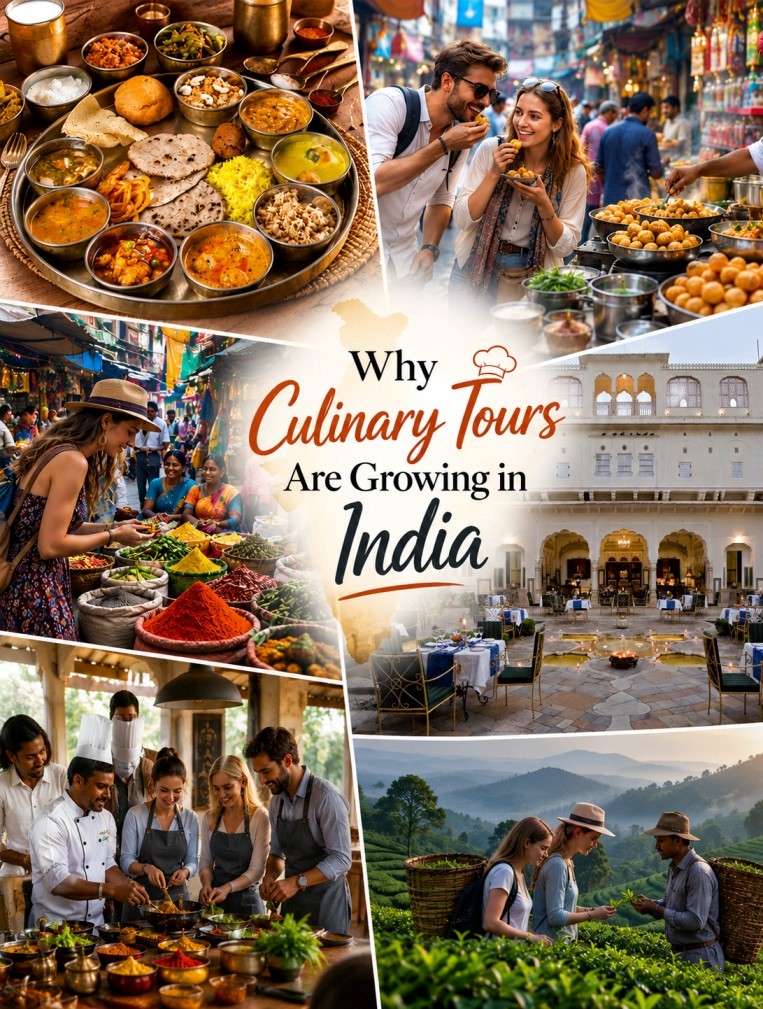
Modern travelers prefer participation over observation. Culinary experiences include:
- Cooking sessions with local families
- Market visits with chefs
- Farm-to-table dining experiences
- Street food walks guided by experts
These activities create interactive and memorable journeys.
4. Growing Demand for Authenticity
Travelers are moving away from standardized dining experiences. They seek:
- Local, home-cooked meals
- Traditional cooking methods
- Regional ingredients and flavors
India's culinary landscape offers exactly this level of authenticity.
5. Integration with Luxury & Wellness Travel
Culinary tourism is increasingly blending with:
- Luxury dining experiences in heritage hotels
- Ayurveda-based nutrition and wellness cuisine
- Organic and sustainable food practices
This combination appeals to high-value and niche travel segments.
Popular Culinary Experiences in India
Tour operators can design experiences such as:
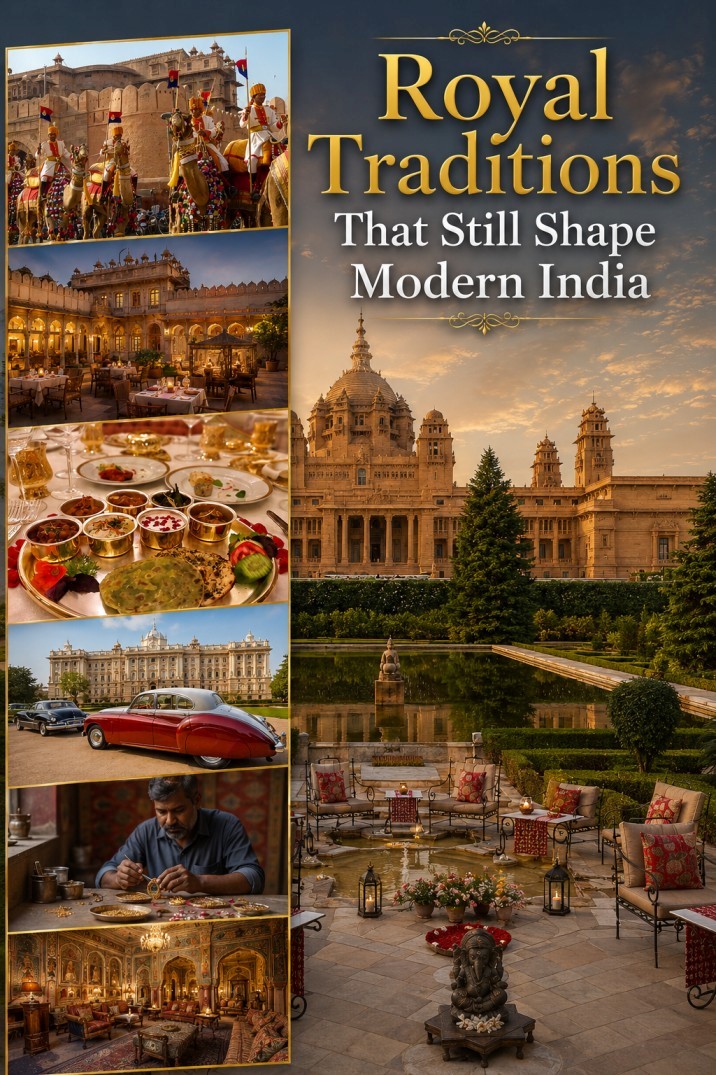
- Royal dining in palace settings
- Cooking classes in Rajasthan and Kerala
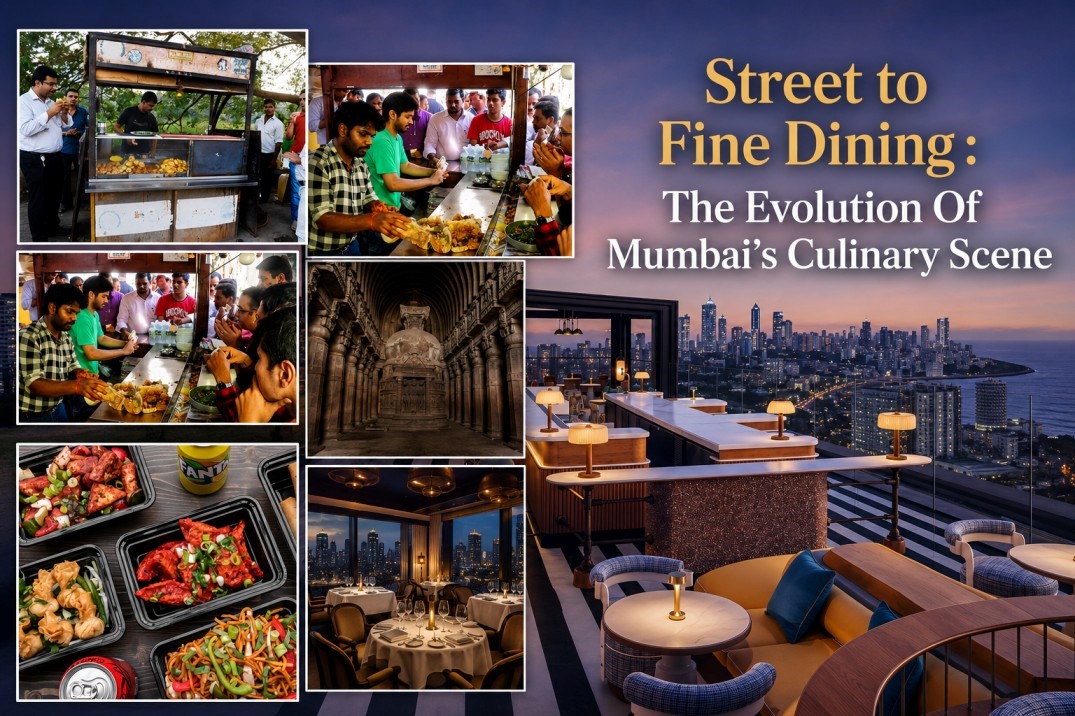
- Street food tours in Delhi and Mumbai
- Spice plantation visits in South India
- Wine and tea tasting experiences
These add depth and uniqueness to travel programs.
How Culinary Tours Enhance B2B Travel Offerings
For international tour operators, culinary tourism offers:
- Differentiated and experience-led itineraries
- Higher perceived value and pricing potential
- Strong storytelling opportunities for marketing
- Appeal to diverse traveler segments
Food transforms travel into a multi-sensory experience.
The Role of a DMC in Culinary Travel
Executing culinary tours requires local expertise and strong networks. A professional Destination Management Company (DMC) ensures:
- Access to authentic and verified culinary experiences
- Collaboration with local chefs and communities
- Hygiene, safety, and quality standards
- Seamless itinerary planning and logistics
- Customization based on target markets
A DMC bridges the gap between concept and execution.
Challenges in Culinary Tourism
While highly promising, this segment requires careful handling:
- Maintaining hygiene and safety standards
- Managing dietary preferences and restrictions
- Ensuring authenticity without over-commercialization
- Coordinating logistics across regions
These challenges highlight the need for experienced ground support.
Strategic Recommendations for Travel Partners
- Combine culinary experiences with cultural and heritage tours
- Focus on small-group and personalized journeys
- Highlight food storytelling in marketing campaigns
- Target experiential, luxury, and wellness segments
- Collaborate with reliable DMCs for execution
Food as the Future of Travel in India
Culinary tourism is redefining how travelers experience India. It offers authenticity, diversity, and emotional connection—key drivers of modern travel decisions.
For international tour operators, the opportunity lies in creating food-led journeys that go beyond dining and become cultural experiences. With the right strategy and DMC support, culinary tours can position India as a leading global destination for experiential travel.
Partner With Us© 2026 Ocean Tripmakers. All rights reserved.
Recent Posts