Bagore-Ki-Haveli : Where History Meets Rajasthani Culture
Bagore Ki Haveli stands as one of the most historically rich and culturally vibrant heritage destinations in Rajasthan, representing an eighteenth century aristocratic mansion of exceptional architectural grandeur whose one hundred and thirty eight rooms, ornately decorated courtyards, intricately carved stone facades, and the living cultural performances that animate its interiors each evening together create a heritage experience of unusual completeness and human warmth set against the incomparable backdrop of the Pichola Lake in the royal city of Udaipur. Situated on the Gangaur Ghat on the western bank of the Pichola Lake in Udaipur in the Rajsamand district of Rajasthan, Bagore Ki Haveli was built in the eighteenth century by Amir Chand Badwa, the chief minister of the Mewar court, and served for many generations as a residence of considerable aristocratic importance before being converted into a museum and cultural center that today preserves and presents the material culture, decorative arts, and performing traditions of the Mewar region in a building of extraordinary architectural quality and lakeside scenic beauty. The destination draws heritage travelers, cultural enthusiasts, architecture lovers, and folk art admirers from across the country and the world, offering an encounter with a haveli whose lakeside setting, architectural richness, and the living cultural performances of its evening programme create a destination of layered historical, artistic, and performing arts significance that makes it one of the most rewarding heritage experiences available in the culturally extraordinary city of Udaipur.
Bagore Ki Haveli
18th Century Lakeside Mansion & Living Cultural Venue
An exceptional grand haveli with 138 rooms positioned on the Pichola Lake waterfront. Comprehensive museum of Mewar aristocratic culture combined with nightly traditional performances creating a complete heritage and cultural experience in Udaipur's historic lakeside quarter.
Grand Haveli, Museum, & Living Cultural Tradition
Bagore Ki Haveli stands as one of Rajasthan's most historically rich and culturally vibrant heritage destinations, representing an eighteenth-century aristocratic mansion of exceptional architectural grandeur. The complex contains one hundred and thirty eight rooms with ornately decorated courtyards, intricately carved stone facades, and the continuing presence of living cultural performances that animate its interiors each evening, creating a heritage experience of unusual completeness and human warmth set against the incomparable backdrop of the Pichola Lake in Udaipur.
Built in the eighteenth century by Amir Chand Badwa, the chief minister of the Mewar court, Bagore Ki Haveli served for many generations as a residence of considerable aristocratic importance before being thoughtfully converted into a museum and cultural center. The property today preserves and presents the material culture, decorative arts, and performing traditions of the Mewar region in a building of extraordinary architectural quality positioned on the spectacular lakeside setting.
The haveli combines the static heritage of architectural splendor and museum collections with the dynamic cultural vitality of nightly traditional performances. This dual nature—as both preserved monument and living cultural venue—creates a destination of layered historical, artistic, and performing arts significance that makes it one of the most rewarding heritage experiences available in Rajasthan's most culturally extraordinary city.
Key Highlights & Distinctive Features
Lakeside Setting
The haveli's lakeside setting on the Gangaur Ghat stands as the most captivating scenic feature, with carved stone facade overlooking the Pichola Lake toward the City Palace and Jag Niwas island palace in a composition of architectural heritage and natural landscape beauty creating one of Rajasthan's most visually magnificent heritage settings.
Panoramic Lake Views
The quality of views from haveli terraces across the lake creates successive visual experiences of exceptional scenic beauty—from warm golden morning light across the City Palace to evening illuminations reflecting off darkening water, lending the destination landscape character beyond its considerable architectural interest.
Grand Architectural Complex
The haveli's 138 rooms, intricately carved stone facades, and ornately decorated courtyards compose a building of exceptional architectural grandeur and spatial complexity, showcasing the wealth, ambition, and aesthetic sophistication of aristocratic Mewar design traditions.
Comprehensive Museum Collection
The museum spread across successive rooms displays extraordinary variety of royal and aristocratic material culture including traditional Rajasthani costumes, the world's largest turban, royal artifacts, household objects, and decorative arts of considerable historical significance and cultural depth.
Cultural Performance Venue
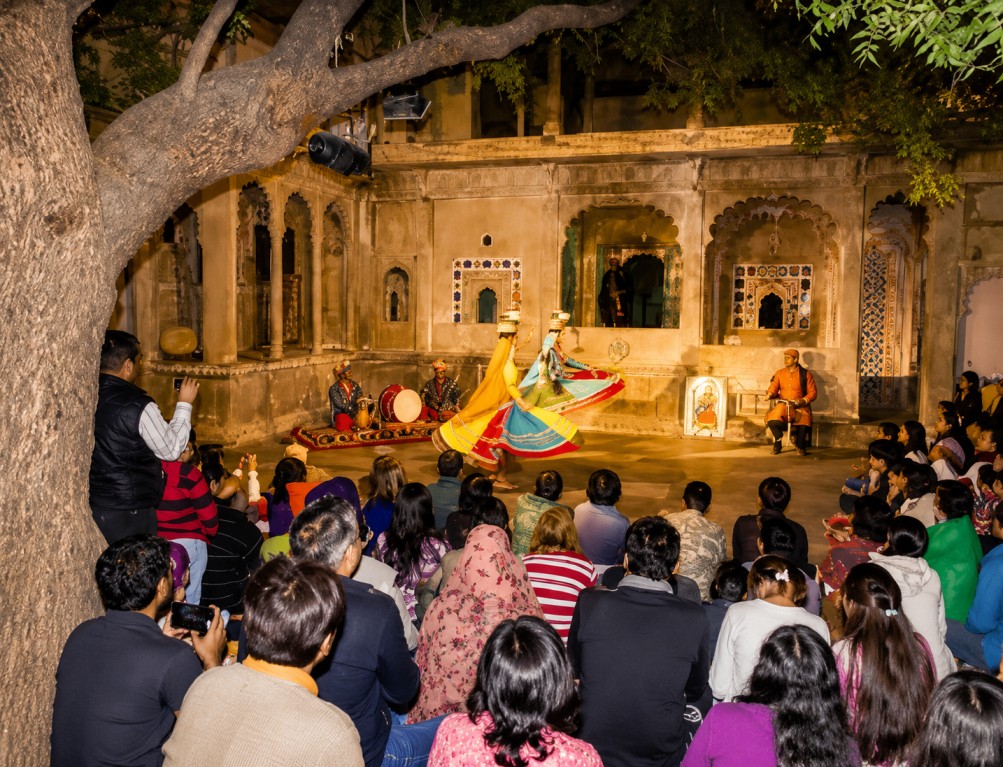
The evening Dharohar cultural performance conducted within the haveli's decorated interior presents Bhavai dance, puppet shows, and traditional performing arts of Rajasthan in an atmospheric setting combining living performance with heritage architectural context impossible to replicate in purpose-built venues.
Historic Waterfront Location
Positioned on the Gangaur Ghat within Udaipur's old city, the haveli offers direct access to the historic lakeside quarter's broader architectural landscape, waterfront atmosphere, and the daily life rhythms of this remarkable lakeside heritage environment.
Comprehensive Heritage Collection & Display
Haveli Museum Collection Overview
The haveli museum, spread across the property's numerous rooms and courtyards, displays an extraordinary variety of royal and aristocratic material culture representing centuries of Mewar court history and cultural evolution. The collection includes traditional Rajasthani costumes—including the world's largest turban of historical and cultural significance—royal artifacts, decorated household objects, textiles, weaponry, and decorative arts of considerable historical range and aesthetic quality.
The museum experience offers a deeply informative and aesthetically rewarding journey through the domestic and ceremonial life of the Mewar aristocracy, presenting the material culture, daily life practices, and aesthetic traditions that characterized the princely court environment across several centuries of continuous occupation and cultural refinement.
Artistic & Decorative Heritage
The museum's collections emphasize the artistic and decorative traditions that defined aristocratic life in the Mewar region, with displays of textiles, household objects, ceremonial artifacts, and decorative arts that speak to the aesthetic sophistication and cultural refinement of the royal court and its aristocratic orbit. The presentation of these materials within the architectural context of the haveli itself creates layered understanding of both the objects and their original functional and cultural contexts.
Dharohar Evening Performances & Folk Traditions
Dharohar Evening Performance Program
The evening Dharohar cultural performance conducted within the haveli each evening presents the traditional folk dances, puppet performances, and classical music of the Mewar region in the atmospheric setting of the haveli's decorated courtyards and performance spaces. This nightly program creates an encounter with living performing arts traditions in a historical architectural setting of genuine beauty that gives cultural experience a dimension of heritage context and spatial richness impossible to replicate in purpose-built performance venues.
Folk Dance & Bhavai Traditions
The performance program features Bhavai dance—one of Rajasthan's most distinctive and energetic folk traditions—presented alongside other traditional dance forms, creating authentic encounters with regional performing arts that have evolved within Mewar cultural context across generations of artistic refinement and community practice.
Puppet Theater & Traditional Performance
Puppet performances (Katputli shows) form integral component of evening programming, showcasing traditional storytelling through string manipulation and puppetry traditions that represent centuries of Rajasthani folk performance heritage and artistic technique passed through generations of puppet master families.
Classical & Traditional Music
Classical music performance complements dance and theatrical traditions, presenting instrumental and vocal musical heritage of Mewar region within the atmospheric setting of historic courtyards and decorated performance spaces, creating performances of particular cultural authenticity and spatial beauty impossible in modern concert venues.
B2B Tourism & Cultural Venue Value
Cultural Experience Programming
Premier destination for designing immersive cultural programs combining museum exploration, architectural heritage, and live performing arts within authentic historical venue environment with proven cultural vitality and visitor appeal.
Heritage Museum Operations
Established model for museum management within historic buildings, demonstrating integration of large-scale collections, conservation practices, visitor engagement, and cultural programming within functioning heritage venue operational framework.
Performing Arts Venue Partnership
Unique venue combining traditional performance traditions with architectural heritage setting, offering distinctive positioning for performing arts operators, festival organizers, and cultural programming specialists seeking authentic and architecturally significant performance environments.
Premium Tourism Experience
Distinctive hospitality experience combining daytime museum exploration, evening cultural performances, and lakeside setting within single integrated destination, enabling premium positioning for luxury tour operators and experiential travel specialists.
Lakeside Heritage Setting
Exceptional positioning on Pichola Lake waterfront within Udaipur's historic quarter creates natural integration point for comprehensive heritage itineraries combining multiple lakeside destinations, palaces, and cultural attractions within single unified experience framework.
Multi-Day Engagement Model
The combination of extensive museum exploration (138 rooms), evening performance programming, and surrounding heritage attractions creates opportunities for multi-day package design enabling deeper cultural engagement than typical single-visit heritage tourism models.
Experiences & Daily Activities
Daytime Museum Exploration
Visiting the haveli museum and exploring the successive rooms, courtyards, and display galleries is the primary daytime activity, with the collection of costumes, royal objects, decorative arts, and the architectural character of the haveli spaces themselves offering a full and deeply rewarding museum experience of considerable historical depth and cultural variety. The sequential exploration through the 138-room complex enables layered understanding of both collection materials and the spatial organization of aristocratic life.
Evening Cultural Performance Program
The evening Dharohar cultural performance is an essential and irreplaceable complement to the daytime museum visit, presenting traditional performing arts of the Mewar region in the atmospheric setting of architectural beauty and historical atmosphere. The folk dances, puppet performances, and musical traditions within the haveli's decorated courtyards create cultural experiences of genuine resonance and memorable vitality.
Lakeside Promenade & Historic Quarter Exploration
Walking along the Gangaur Ghat and the surrounding lakeshore promenade offers rewarding complement to the haveli visit, with the waterfront setting of Udaipur's old city presenting successive architectural views and the gentle activity of the ghat providing living and atmospheric encounter with daily life of this remarkable lakeside heritage environment and broader cultural landscape.
Connectivity & Visitor Information
Optimal Visiting Period
The most favorable period to visit Bagore Ki Haveli is from October to March, when the pleasant winter temperatures of Rajasthan make extended exploration of the haveli museum and lakeside setting comfortable and the clear winter light falls most beautifully across the carved stone facade and the Pichola Lake beyond. The evening cultural performance is rewarding throughout the year, though the cool winter evenings create the most comfortable and atmospherically beautiful conditions for outdoor courtyard sections of the performance programme.
Location & Regional Connectivity
Lakeside Location
Positioned on the Gangaur Ghat in the heart of Udaipur's old city. Accessible from every part of the city by local transport. Within comfortable walking distance of major heritage landmarks and lakeside historic quarter attractions.
Air Gateway
Maharana Pratap Airport in Udaipur offers regular domestic flights from Delhi, Mumbai, Jaipur, and other major Indian cities, providing convenient air access for international and domestic travelers arriving to explore Udaipur's heritage destinations.
Rail Connectivity
Udaipur City railway station provides rail connectivity from Jaipur, Delhi, and other major centers. Well-maintained transportation networks connect the heritage destinations of Udaipur within comprehensive itinerary frameworks.
Udaipur Heritage Itinerary Integration
Bagore Ki Haveli stands as a natural and deeply rewarding inclusion in any Udaipur heritage itinerary alongside visits to the City Palace, the Jag Niwas and Jag Mandir island palaces, and the broader cultural and architectural landscape of this magnificent lakeside city. The haveli's combination of museum, architectural heritage, and evening cultural programming creates distinctive positioning enabling premium tour operators to design comprehensive, memorable Udaipur experiences combining multiple heritage attractions, performing arts experiences, and lakeside cultural immersion within unified itinerary frameworks.