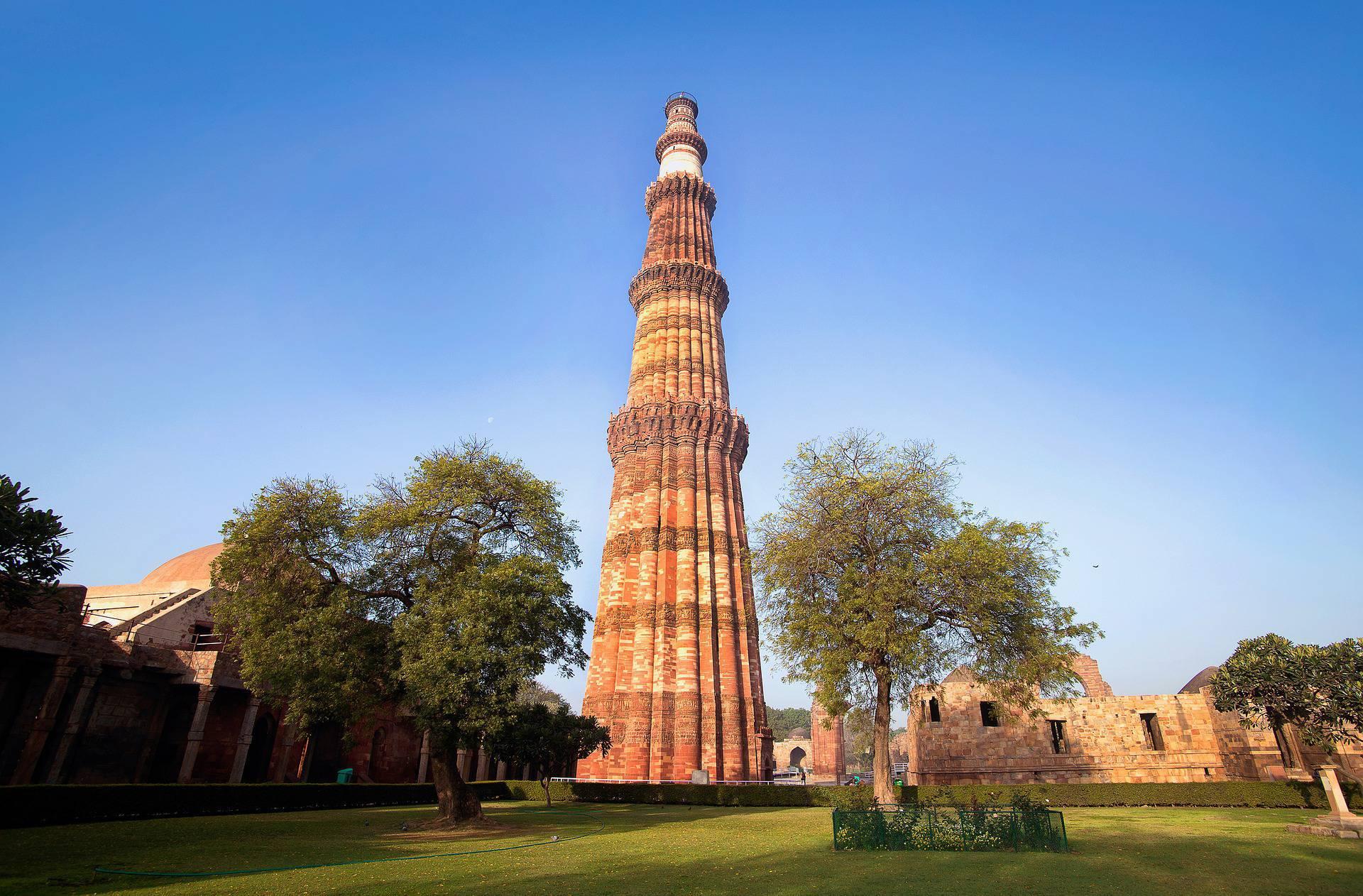
Qutub Minar, Delhi: A UNESCO Marvel of Medieval India
Built during the early Delhi Sultanate period, Qutub Minar represents the beginning of Islamic architecture in India while also reflecting the craftsmanship and cultural influences of the region. Surrounded by ancient ruins, beautifully carved structures, and peaceful green landscapes, the monument offers visitors a fascinating journey through centuries of Indian history. Whether you are a history enthusiast, architecture lover, photographer, family traveler, or cultural explorer, Qutub Minar provides an unforgettable experience that connects the past with the presen
Mehrauli · Delhi · India
Qutub Minar: A Timeless Symbol
of Delhi's History & Heritage
Discover the Grandeur of Qutub Minar
Standing proudly in Mehrauli, South Delhi, the Qutub Minar is one of India's most iconic historical monuments and a remarkable symbol of Delhi's rich architectural heritage. Rising to a height of 73 meters, this UNESCO World Heritage Site attracts travelers from across the world with its impressive design, historical importance, and artistic beauty.
Built during the early Delhi Sultanate period, Qutub Minar represents the beginning of Islamic architecture in India while also reflecting the craftsmanship and cultural influences of the region. Surrounded by ancient ruins, beautifully carved structures, and peaceful green landscapes, the monument offers visitors a fascinating journey through centuries of Indian history.
Whether you are a history enthusiast, architecture lover, photographer, family traveler, or cultural explorer, Qutub Minar provides an unforgettable experience that connects the past with the present.
📜 History and Legacy of Qutub Minar
The construction of Qutub Minar began in 1199 CE under Qutb-ud-din Aibak, the founder of the Delhi Sultanate. The first ruler of the Mamluk dynasty started building the minaret as a symbol of victory and as a place for the call to prayer.
The structure was later completed and expanded by his successor Iltutmish, who added additional levels. Over time, repairs and restorations were carried out by different rulers, including Firoz Shah Tughlaq, after damage caused by natural events.
The monument stands within the Qutub Complex, which contains several important historical structures, including the Quwwat-ul-Islam Mosque, the Iron Pillar, Alai Darwaza, and ancient tombs.
The Qutub Minar complex reflects the evolution of Indo-Islamic architecture and provides valuable insights into Delhi's transformation from a medieval settlement into a major imperial city.
🏛️ Architecture and Unique Attractions of Qutub Minar
The architectural brilliance of Qutub Minar lies in its detailed craftsmanship, towering structure, and artistic decorations.
🗼 The Tower Design
Built primarily using red sandstone and marble, Qutub Minar features five distinct stories separated by balconies supported by decorated brackets. The tapering design creates a remarkable sense of height and elegance.
Each level displays different architectural styles, reflecting changes made by various rulers over centuries.
✒️ Intricate Carvings and Calligraphy
The exterior walls are decorated with beautiful carvings, floral patterns, and Arabic inscriptions from the Quran. These detailed artworks demonstrate the exceptional skills of medieval craftsmen.
🕌 Quwwat-ul-Islam Mosque
Located within the Qutub Complex, the Quwwat-ul-Islam Mosque is one of the earliest surviving mosques in India. Its architecture reflects a combination of Indian craftsmanship and Islamic design traditions.
⚙️ Iron Pillar
The famous Iron Pillar, located near the mosque, is another highlight of the complex. Dating back over 1,500 years, the pillar is admired for its remarkable resistance to corrosion and ancient metallurgical expertise.
🚪 Alai Darwaza
Built by Sultan Alauddin Khalji, Alai Darwaza is known for its impressive dome, decorative stonework, and horseshoe-shaped arches.
🌳 Natural Beauty and Surrounding Landscape
Although Qutub Minar is located in the urban environment of Delhi, the monument is surrounded by gardens, trees, and open spaces that create a peaceful atmosphere.
The landscaped areas around the complex allow visitors to relax while enjoying views of the historic architecture. The contrast between ancient stone structures and greenery makes the site especially attractive for photographers and heritage travelers.
Delhi's wider landscape includes parks, gardens, and historical areas that provide opportunities for visitors to explore nature alongside cultural attractions.
🌤️ Climate and Best Time to Visit Qutub Minar
Delhi experiences extreme seasonal variations, with hot summers, monsoon rains, and cool winters.
The best time to visit Qutub Minar is from October to March, when the weather is comfortable for sightseeing.
Ideal for exploring the monument, photography, and outdoor activities.
Pleasant temperatures and beautiful weather for heritage walks.
Hot afternoons can be challenging, so early morning visits are recommended.
The surroundings become greener, though humidity and rainfall may affect plans.
Visiting during sunrise or late afternoon offers beautiful lighting for photography.
🧭 Things to Do at Qutub Minar
🏛️ Explore the Qutub Complex
A visit is incomplete without exploring the entire complex. The surrounding monuments reveal different chapters of Delhi's history and architectural development.
📷 Heritage Photography
Qutub Minar is one of Delhi's most photographed landmarks. The combination of ancient stonework, detailed carvings, arches, and gardens creates excellent opportunities for photography.
🚶 Join a Heritage Walk
Guided heritage walks around Mehrauli provide deeper knowledge about Delhi's medieval history, forgotten monuments, and cultural stories.
🕊️ Enjoy a Peaceful Historical Experience
Unlike modern attractions, Qutub Minar allows visitors to slow down and appreciate centuries-old architecture in a calm environment.
🎭 Culture and Local Experiences in Delhi
A visit to Qutub Minar also introduces travelers to Delhi's diverse cultural identity. The city blends ancient traditions, Mughal influences, colonial history, and modern lifestyles.
Nearby Mehrauli is one of Delhi's oldest areas and is known for traditional neighborhoods, historic sites, local festivals, and cultural events.
Travelers can explore Delhi's museums, art galleries, markets, and heritage areas to experience the city's vibrant character.
🍽️ Local Cuisine: Taste the Flavors of Delhi
Delhi is famous for its diverse food culture, combining Mughlai, Punjabi, and traditional North Indian flavors.
Popular dishes include:
Visitors can explore traditional food markets such as Old Delhi's famous streets or modern restaurants offering regional and international cuisines.
🛍️ Shopping Opportunities Near Qutub Minar
Delhi is one of India's best shopping destinations, offering everything from traditional crafts to contemporary fashion.
Popular shopping items include:
Nearby markets and shopping areas provide opportunities to experience Delhi's lively street culture.
🦜 Wildlife and Nature Experiences Near Delhi
Although Qutub Minar is a heritage attraction, nature lovers can explore several green spaces and wildlife destinations around Delhi.
🌲 Delhi Ridge
Known as the green lung of the city, the Delhi Ridge offers walking trails and opportunities to observe local flora and birds.
🐦 Asola Bhatti Wildlife Sanctuary
Located on the outskirts of Delhi, this protected area features forest landscapes, lakes, and wildlife experiences close to the city.
🌷 Lodhi Garden
A beautiful historical garden combining nature, architecture, and ancient tombs.
🗺️ Nearby Attractions Around Qutub Minar
Located nearby, this park contains several historic monuments, including ancient tombs, stepwells, and ruins.
A modern architectural landmark known for its peaceful atmosphere and unique lotus-shaped design.
A UNESCO World Heritage Site and an important example of Mughal garden architecture.
One of Delhi's most famous landmarks, surrounded by open lawns and popular evening attractions.
❓ Why Visit Qutub Minar?
For History Lovers
The monument offers a deep connection to the Delhi Sultanate and medieval Indian history.
For Families
Children and adults can enjoy an educational experience while exploring architecture and historical stories.
For Couples
The beautiful surroundings and impressive architecture create a memorable cultural experience.
For Solo Travelers
The monument provides opportunities for peaceful exploration, photography, and learning.
For Photographers
The tower, carvings, gardens, and changing sunlight create endless creative possibilities.
For Architecture Enthusiasts
Qutub Minar showcases the development of Indo-Islamic architecture and ancient construction techniques.
🚉 How to Reach Qutub Minar
The nearest airport is Indira Gandhi International Airport, Delhi, located around 12 kilometers from the monument.
New Delhi Railway Station and Hazrat Nizamuddin Railway Station are well connected with major Indian cities.
The nearest metro station is Qutub Minar Metro Station on the Yellow Line, providing convenient access.
Taxis, buses, and private vehicles easily connect Qutub Minar with different parts of Delhi.
💡 Travel Tips for Visiting Qutub Minar
- Visit early morning or evening for pleasant weather and better photographs.
- Wear comfortable shoes as the complex requires walking.
- Carry water during warmer months.
- Hire a local guide for detailed historical information.
- Respect the heritage site and avoid damaging the structures.
- Combine your visit with nearby monuments for a complete Delhi heritage experience.
⭐ Interesting Facts About Qutub Minar
- 01 Qutub Minar is the tallest brick minaret in the world.
- 02 The monument is approximately 73 meters tall.
- 03 Construction began in 1199 CE during the Delhi Sultanate.
- 04 The Qutub Complex is a UNESCO World Heritage Site.
- 05 The Iron Pillar near the monument is famous for its ancient corrosion-resistant technology.
🌇 Final Thoughts: Experience Delhi's Historic Masterpiece
Qutub Minar is more than just an ancient tower; it is a symbol of Delhi's layered history, architectural excellence, and cultural diversity. From its towering structure and detailed carvings to the surrounding monuments that reveal stories of different eras, every corner of the Qutub Complex offers a glimpse into India's remarkable past.
Whether you are visiting Delhi for heritage exploration, photography, cultural discovery, or family travel, Qutub Minar remains an unforgettable destination that showcases the timeless beauty of India's architectural and historical legacy.