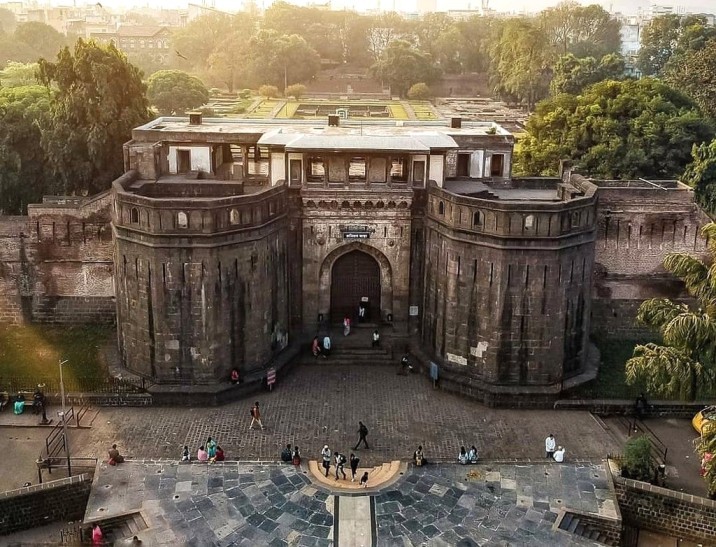
Shaniwar Wada Fort : The Pride Of The Maratha Empire
Known for its impressive gateways, historic walls, beautiful gardens, and fascinating stories of royal life, Shaniwar Wada attracts history enthusiasts, cultural travelers, photographers, and heritage lovers from across the world. Although much of the original palace was destroyed by fire in 1828, the remaining structures continue to reflect the architectural brilliance and grandeur of the Maratha era. Surrounded by the vibrant atmosphere of Pune’s old city, Shaniwar Wada offers visitors a unique experience where history, architecture, culture, and local traditions come together.
Shaniwar Wada Fort: Explore Pune's Legendary Maratha Heritage and Royal Legacy
Located in the heart of Pune, Maharashtra, Shaniwar Wada Fort is one of India's most significant historical landmarks and a symbol of the powerful Maratha Empire. Built in the 18th century, this magnificent fort palace was once the grand residence of the Peshwas, the prime ministers of the Maratha Empire, and served as the center of political power for many decades.
Known for its impressive gateways, historic walls, beautiful gardens, and fascinating stories of royal life, Shaniwar Wada attracts history enthusiasts, cultural travelers, photographers, and heritage lovers from across the world. Although much of the original palace was destroyed by fire in 1828, the remaining structures continue to reflect the architectural brilliance and grandeur of the Maratha era.
Surrounded by the vibrant atmosphere of Pune's old city, Shaniwar Wada offers visitors a unique experience where history, architecture, culture, and local traditions come together.
🏯 History and Legacy of Shaniwar Wada Fort
The construction of Shaniwar Wada began in 1730 under Peshwa Bajirao I, one of the most celebrated military leaders of the Maratha Empire. The fort was completed in 1732 and became the official residence of the Peshwa rulers.
Originally designed as a grand palace complex, Shaniwar Wada featured magnificent halls, fountains, courtyards, gardens, and royal living spaces. It became the administrative and cultural heart of the Maratha Empire during its period of expansion.
⚔️ A Tragic Chapter
The fort witnessed many important historical events, including political decisions, royal ceremonies, and conflicts within the Peshwa family. One of the most famous and tragic episodes associated with the fort is the assassination of Peshwa Narayan Rao in 1773, which remains part of local legends and historical discussions.
In 1828, a devastating fire destroyed much of the palace, leaving only the stone foundations, massive walls, and gateways that visitors can see today. Despite the destruction, Shaniwar Wada remains an important reminder of Maratha history and Pune's royal past.
🚪 Architecture and Unique Attractions of Shaniwar Wada Fort
Shaniwar Wada reflects the architectural traditions of the Maratha period, combining military strength with palace elegance.
🛡️ Delhi Darwaza – The Grand Entrance
The main entrance of Shaniwar Wada is the impressive Delhi Darwaza, named because it faces the direction of Delhi. This massive gateway was designed for protection and features strong wooden doors with iron spikes that helped defend against elephant attacks.
🗝️ Other Historic Gates
The fort includes several other gateways:
💫 Mastani Darwaza
Associated with the legendary relationship between Peshwa Bajirao I and Mastani.
🪟 Khidki Darwaza
Known as the window gate.
🕉️ Ganesh Darwaza
Named after the nearby Ganesh temple.
Each gateway reflects the strategic planning and cultural importance of the fort.
🏛️ Palace Foundations and Courtyards
Although the palace interiors were destroyed, visitors can still observe the original foundations, open courtyards, and layout of the royal complex. These remains provide an idea of the scale and magnificence of the original palace.
🎇 Sound and Light Show
The evening sound and light show at Shaniwar Wada presents the history of the Maratha Empire through storytelling, music, and visuals, making it an engaging experience for visitors.
🌿 Natural Beauty and Surrounding Landscape
While Shaniwar Wada is primarily a historical monument, its location in Pune adds to its appeal. Pune is surrounded by the scenic Sahyadri mountain ranges, green hills, and natural landscapes.
The city's pleasant environment, tree-lined roads, gardens, and nearby hill destinations make it an attractive destination for travelers who enjoy combining heritage exploration with nature experiences.
Nearby areas such as Sinhagad Fort and Mulshi Lake offer opportunities to enjoy Maharashtra's beautiful landscapes beyond the city.
🌤️ Climate and Best Time to Visit Shaniwar Wada
Pune has a moderate climate compared to many Indian cities, making it suitable for travel throughout much of the year.
The best time to visit Shaniwar Wada Fort is from October to February, when the weather is comfortable for sightseeing.
Early morning and evening visits are recommended for pleasant weather and photography.
🎒 Things to Do at Shaniwar Wada Fort
📜 Explore Maratha History
Walking through the fort allows visitors to discover stories of the Peshwas, Maratha administration, royal traditions, and historic events.
📸 Photography
The fort's massive walls, ancient gateways, stone structures, and evening lighting create excellent opportunities for photography.
🚶 Enjoy Heritage Walks
Guided heritage walks around Pune's old city provide deeper insights into Maratha architecture, traditional neighborhoods, and cultural landmarks.
🎭 Experience Local Culture
Visitors can explore nearby markets, temples, traditional streets, and cultural spaces to understand Pune's unique blend of history and modern life.
🎉 Culture and Local Experiences in Pune
Pune is often known as the cultural capital of Maharashtra because of its strong connection with literature, music, education, and traditional arts.
The city celebrates various festivals, including:
🐘 Ganesh Chaturthi
One of Maharashtra's most important festivals, celebrated with grand processions and cultural programs.
🎊 Gudi Padwa
The Marathi New Year festival showcasing traditional customs and celebrations.
Travelers can experience classical music performances, Marathi theatre, local crafts, and traditional celebrations throughout the year.
🍛 Local Cuisine: Taste the Flavors of Pune
Pune's food culture reflects traditional Maharashtrian flavors along with influences from different communities.
Popular dishes include:
Misal Pav: A spicy Maharashtrian specialty. Vada Pav: Maharashtra's famous street food. Puran Poli: A sweet flatbread traditionally prepared during festivals. Mastani: A famous Pune-style thick milkshake dessert.
Exploring local food streets is an essential part of experiencing Pune's culture.
🛍️ Shopping Opportunities Near Shaniwar Wada
The areas around Shaniwar Wada offer excellent shopping experiences.
Visitors can explore markets for:
- Traditional Maharashtrian sarees
- Handcrafted jewelry
- Kolhapuri footwear
- Wooden handicrafts
- Local sweets
- Traditional souvenirs
Popular shopping areas like Laxmi Road and nearby markets showcase Pune's vibrant commercial culture.
🦋 Wildlife and Nature Experiences Near Pune
Travelers interested in nature and wildlife can explore several destinations around Pune.
⛰️ Sinhagad Fort
Located in the Sahyadri hills, Sinhagad offers trekking opportunities, scenic views, and a connection with Maratha warrior history.
🌲 Bhimashankar Wildlife Sanctuary
This protected forest area is known for biodiversity, trekking trails, and the rare Indian giant squirrel.
🌊 Mulshi Lake
A peaceful destination surrounded by hills, Mulshi is ideal for nature lovers, photographers, and those seeking relaxation.
📍 Nearby Attractions Around Shaniwar Wada
🕊️ Aga Khan Palace
A historic monument associated with India's freedom movement and Mahatma Gandhi's imprisonment during the independence struggle.
🎨 Raja Dinkar Kelkar Museum
A fascinating museum displaying traditional Indian art, crafts, musical instruments, and cultural artifacts.
⛰️ Pataleshwar Cave Temple
An ancient rock-cut temple in Pune showcasing early architectural traditions.
🏔️ Sinhagad Fort
A popular day trip destination offering history, trekking, and panoramic views.
❤️ Why Visit Shaniwar Wada Fort?
📚 For History Lovers
The fort offers a deep connection to the Maratha Empire and the political history of 18th-century India.
👨👩👧👦 For Families
Families can enjoy an educational experience while exploring historical structures and learning about Maratha culture.
💑 For Couples
The heritage atmosphere, evening lighting, and historic surroundings create a memorable experience.
🧍 For Solo Travelers
Solo visitors can explore the fort at their own pace and enjoy Pune's cultural heritage.
📷 For Photographers
The architecture, old walls, gateways, and dramatic evening views provide excellent photography opportunities.
🥾 For Adventure Enthusiasts
While the fort itself is easy to explore, nearby destinations such as Sinhagad offer trekking and outdoor experiences.
🧭 How to Reach Shaniwar Wada Fort
💡 Travel Tips for Visiting Shaniwar Wada
- Visit early morning or evening for comfortable weather.
- Wear comfortable footwear as the fort area involves walking.
- Carry water during warmer months.
- Hire a guide to understand the historical stories behind the monument.
- Respect the heritage structure and avoid damaging walls or carvings.
- Combine your visit with nearby historical and cultural attractions.
✨ Interesting Facts About Shaniwar Wada Fort
- The fort was built in 1732 as the residence of the Peshwas.
- The name "Shaniwar Wada" comes from the Marathi words for Saturday (Shaniwar) and residence (Wada).
- The fort was once a seven-story palace complex.
- The famous Marathi phrase "Kaka mala vachva" ("Uncle, save me") is linked to the tragic story of Peshwa Narayan Rao.
- The Delhi Darwaza remains one of the most impressive examples of Maratha military architecture.
🏁 Final Thoughts: Experience the Royal Legacy of Shaniwar Wada
Shaniwar Wada Fort is more than an ancient monument—it is a gateway into the fascinating world of the Maratha Empire. Its historic walls, grand gateways, cultural stories, and connection with Pune's identity make it one of Maharashtra's most important heritage destinations.
Whether you are a history enthusiast, photographer, family traveler, or cultural explorer, a visit to Shaniwar Wada Fort offers a memorable journey through India's royal past, where every stone carries stories of ambition, power, tradition, and heritage.