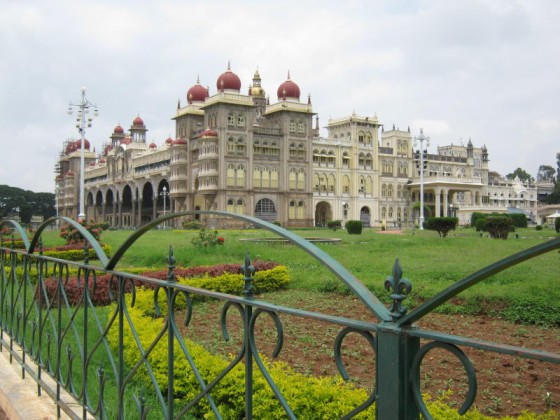
Tipu Sultan's Palace: The Tiger King's Wooden Masterpiece
Picture a palace built almost entirely of teakwood, its pillars painted with delicate floral patterns, standing quietly amid the chaos of one of India's busiest cities. That's Tipu Sultan's Summer Palace for you — a fragile, fragrant whisper of the 18th century tucked away in the heart of modern Bengaluru. Located near Krishna Rajendra Market in the old city, this wooden marvel once served as the retreat of one of South India's fiercest rulers, the "Tiger of Mysore" himself, and even today, it carries the quiet dignity of a bygone empire
Bengaluru · Karnataka · India
Tipu Sultan's Palace: A Glimpse
into the Royal Heritage of Bengaluru
Discover the Historic Charm of Tipu Sultan's Palace
Located in the heart of Bengaluru, Karnataka, Tipu Sultan's Palace is a remarkable heritage monument that offers visitors a journey into the royal history of the Mysore Kingdom. Known for its elegant wooden architecture, beautiful gardens, and connection with one of India's most celebrated rulers, the palace is an important attraction for travelers exploring Bengaluru's cultural landmarks.
Built during the 18th century, Tipu Sultan's Palace reflects the artistic vision, craftsmanship, and lifestyle of the era of Tipu Sultan, the ruler of Mysore who was known for his military strategies, administrative reforms, and resistance against British expansion. Surrounded by the lively atmosphere of old Bengaluru, the palace provides a peaceful contrast to the city's modern urban landscape.
With its historic charm, traditional architecture, and cultural significance, Tipu Sultan's Palace is a must-visit destination for history enthusiasts, photographers, families, and travelers interested in India's royal heritage.
📜 History and Legacy of Tipu Sultan's Palace
The construction of Tipu Sultan's Palace began during the reign of Hyder Ali, Tipu Sultan's father, and was completed by Tipu Sultan in the late 18th century. Originally part of the Bengaluru Fort complex, the palace served as a summer residence for the Mysore rulers.
The palace represents the grandeur of the Mysore Kingdom and reflects a blend of Indo-Islamic architectural styles. Tipu Sultan used the palace as a place for administration, royal meetings, and relaxation.
After the fall of Tipu Sultan in the Fourth Anglo-Mysore War in 1799, the palace came under British control. Over time, it became an important historical monument preserved by the Archaeological Survey of India.
Today, Tipu Sultan's Palace stands as a reminder of Bengaluru's rich past and the legacy of one of India's most influential historical figures.
🏛️ Architecture and Unique Attractions of Tipu Sultan's Palace
The beauty of Tipu Sultan's Palace lies in its simple yet elegant design, showcasing the craftsmanship of the 18th century.
🪵 Wooden Pillars and Traditional Design
The palace is famous for its impressive wooden structure, featuring beautifully carved pillars, arches, and balconies. The use of wood gives the palace a warm and distinctive appearance compared to stone-built royal monuments.
🕌 Indo-Islamic Architectural Style
The palace combines Islamic and Hindu architectural influences. Its arches, ornamental details, and symmetrical layout highlight the cultural diversity of the Mysore Kingdom.
🏢 Two-Story Palace Structure
The palace consists of two floors with open balconies and spacious halls. The upper sections were used by the royal family, while the lower areas served administrative and ceremonial purposes.
🌳 Palace Gardens
The surrounding gardens provide a calm environment where visitors can relax and enjoy the historic atmosphere. The greenery adds to the charm of this heritage site located within the busy city.
🌿 Bengaluru's Landscape, Climate, and Natural Beauty
Although Tipu Sultan's Palace is located in an urban setting, Bengaluru itself is known as the "Garden City of India" because of its pleasant climate, tree-lined streets, and numerous parks.
The city's landscape includes beautiful gardens, lakes, and green spaces that make sightseeing comfortable throughout much of the year. Nearby attractions such as Lalbagh Botanical Garden and Cubbon Park showcase Bengaluru's connection with nature.
The moderate weather of Bengaluru makes exploring heritage sites like Tipu Sultan's Palace enjoyable compared to many other Indian cities.
🌤️ Best Time to Visit Tipu Sultan's Palace
Bengaluru enjoys a pleasant climate throughout the year, but the best time to visit Tipu Sultan's Palace is from October to February when the weather is cooler and ideal for sightseeing.
Perfect for exploring historical sites and outdoor attractions.
Generally comfortable compared to many Indian cities, though afternoons can be warmer.
The city becomes greener, but occasional rainfall may affect outdoor plans.
Early mornings and late afternoons are recommended for photography and a peaceful visit.
🧭 Things to Do Around Tipu Sultan's Palace
🏰 Explore Bengaluru Fort
Located nearby, Bengaluru Fort is an important historical landmark connected with the city's development. Visitors can explore its remaining walls and learn about its role during the Mysore Kingdom and British period.
🌺 Visit Lalbagh Botanical Garden
One of Bengaluru's most famous attractions, Lalbagh is known for its beautiful landscapes, rare plants, and historic glasshouse. It is an excellent place for nature lovers and photographers.
🌳 Discover Cubbon Park
This large green space in central Bengaluru offers walking paths, old trees, and a peaceful environment away from city traffic.
🛍️ Explore Local Markets
The area around the palace provides opportunities to experience Bengaluru's traditional markets. Visitors can explore:
🎭 Cultural Experiences Around Tipu Sultan's Palace
A visit to Tipu Sultan's Palace provides an opportunity to understand Bengaluru's diverse culture. The city blends traditions from the old Mysore Kingdom with modern technology and contemporary lifestyles.
Visitors can experience local festivals, traditional performances, and Karnataka's unique art forms. The nearby areas reflect the cultural mix of Kannada traditions, historic influences, and urban life.
🍽️ Cuisine: Taste the Flavors of Bengaluru
Exploring Bengaluru is incomplete without experiencing its local food culture.
Popular dishes include:
A traditional Karnataka rice dish prepared with lentils and spices.
A famous South Indian breakfast enjoyed across the city.
Classic dishes served with chutney and sambar.
A traditional sweet associated with Karnataka's royal cuisine.
A popular beverage reflecting South Indian café culture.
Visitors can explore traditional eateries and modern cafés to experience Bengaluru's diverse food scene.
🦚 Wildlife and Nature Experiences Near Bengaluru
Nature lovers can explore several destinations around Bengaluru that offer wildlife and outdoor experiences.
🐘 Bannerghatta Biological Park
Located near Bengaluru, this park offers opportunities to observe wildlife, including elephants, deer, and various bird species.
🌄 Nandi Hills
A popular hill destination near Bengaluru, Nandi Hills offers scenic viewpoints, fresh air, and sunrise experiences.
🚣 Bheemeshwari
Known for riverside landscapes and adventure activities, Bheemeshwari is a great destination for nature enthusiasts.
❓ Why Visit Tipu Sultan's Palace?
For History Lovers
The palace offers valuable insights into the Mysore Kingdom, Tipu Sultan's life, and Karnataka's historical journey.
For Families
Families can enjoy an educational experience while exploring architecture, stories, and cultural heritage.
For Couples
The peaceful gardens and historic surroundings create a charming atmosphere for couples interested in heritage experiences.
For Solo Travelers
Solo visitors can explore the palace at their own pace while discovering Bengaluru's historical side.
For Photographers
The wooden architecture, arches, gardens, and traditional design provide excellent photography opportunities.
For Culture Enthusiasts
Travelers interested in art, architecture, and Indian traditions will appreciate the palace's unique character.
🚉 How to Reach Tipu Sultan's Palace
The nearest airport is Kempegowda International Airport, Bengaluru, located approximately 35 kilometers from the palace.
KSR Bengaluru City Railway Station is the closest major railway station and is well connected with cities across India.
The palace is easily accessible by local buses, taxis, and private vehicles from different parts of Bengaluru.
💡 Travel Tips for Visiting Tipu Sultan's Palace
- Plan your visit during morning or evening hours for comfortable sightseeing.
- Wear comfortable footwear as you may explore nearby heritage areas on foot.
- Carry water during warmer months.
- Combine the palace visit with Bengaluru Fort and nearby attractions.
- Respect the monument and follow photography guidelines.
- Hiring a local guide can provide deeper historical insights.
⭐ Interesting Facts About Tipu Sultan's Palace
- 01 Tipu Sultan's Palace is one of the oldest surviving structures in Bengaluru.
- 02 The palace was originally built as a summer residence for the Mysore rulers.
- 03 The monument reflects a combination of Indo-Islamic architectural influences.
- 04 It was once part of the larger Bengaluru Fort complex.
🌇 Final Thoughts: Experience Bengaluru's Royal Heritage
Tipu Sultan's Palace offers travelers a meaningful connection with Karnataka's royal history and architectural traditions. Its elegant wooden design, historical importance, and peaceful surroundings make it one of Bengaluru's most fascinating heritage attractions.
Whether you are a history enthusiast, family traveler, photographer, or cultural explorer, a visit to Tipu Sultan's Palace provides a memorable glimpse into India's royal past while discovering the timeless heritage of Bengaluru.