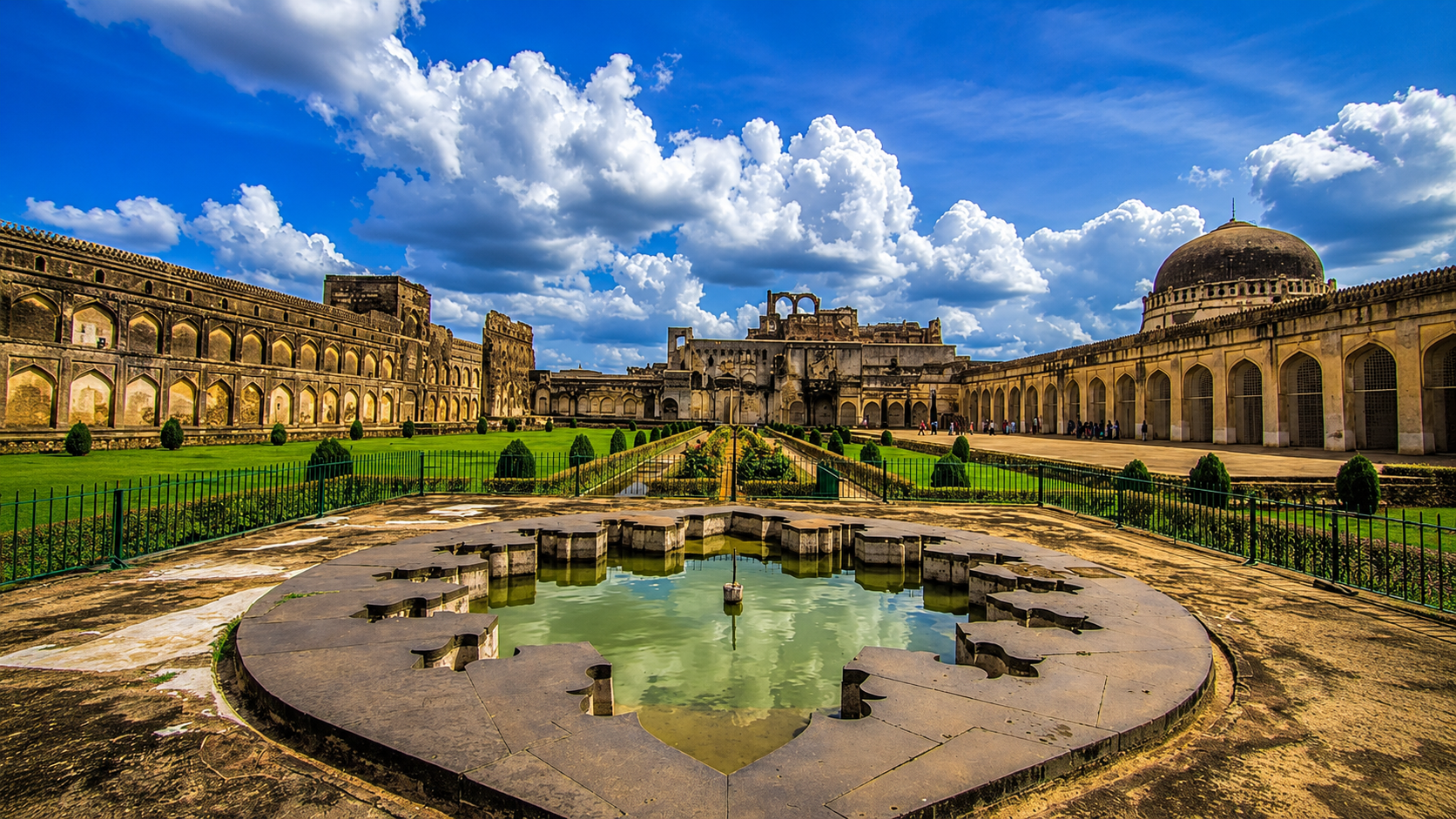
Bidar Fort: The Crown Jewel of Karnataka's Heritage
Imagine stepping through a towering gateway carved with intricate patterns, the echoes of sultanate warriors still seeming to linger in the air, as you walk onto the ramparts of a 15th-century fort that has witnessed centuries of history unfold beneath its walls. Picture a master craftsman hunched over delicate metalwork, his skilled hands creating breathtaking Bidriware designs using techniques passed down through generations — the very same traditions that once adorned the palaces of emperors. That's Bidar for you — not just a destination, but a journey through time itself. Nestled at an altitude of about 700 metres in the heart of Karnataka, this ancient city stands as the gateway to understanding the Islamic golden age of South India. Known locally as the "Medieval Jewel of South India," Bidar has been silently preserving centuries of history, waiting for curious souls who wish to unravel the stories locked within its monuments.
🏰 Bidar, Karnataka
Where Medieval Grandeur Whispers Through Time
Imagine stepping through a towering gateway carved with intricate patterns, the echoes of sultanate warriors still seeming to linger in the air, as you walk onto the ramparts of a 15th-century fort that has witnessed centuries of history unfold beneath its walls. Picture a master craftsman hunched over delicate metalwork, his skilled hands creating breathtaking Bidriware designs using techniques passed down through generations — the very same traditions that once adorned the palaces of emperors. That's Bidar for you — not just a destination, but a journey through time itself. Nestled at an altitude of about 700 metres in the heart of Karnataka, this ancient city stands as the gateway to understanding the Islamic golden age of South India. Known locally as the "Medieval Jewel of South India," Bidar has been silently preserving centuries of history, waiting for curious souls who wish to unravel the stories locked within its monuments.
📜 A Rich Tapestry of History
Bidar's story is woven with threads of conquest, culture, and remarkable craftsmanship. The city's most glorious chapter began in the 15th century when it served as the capital of the Bahmani Sultanate — one of the most powerful Islamic empires in peninsular India. When the sultanate fragmented, Bidar became the jewel of the Adil Shahi dynasty, rulers who were passionate patrons of arts, architecture, and culture.
The name "Bidar" itself carries historical weight, and as you walk through the old bazaars and peer at the weathered walls, you can almost hear the merchants of yesteryear calling out their wares, the clang of metal in craftsmen's workshops, and the muezzin's call echoing across the rooftops. The city has gracefully transcended empires and eras, and today it stands as one of the finest repositories of medieval Islamic heritage in all of South India.
🏯 The Monuments That Define Bidar
Bidar Fort is the undisputed crown jewel. This magnificent 15th-century fortification rises majestically with its imposing walls, intricate carvings, and carefully engineered gateways that speak volumes about the military genius of its builders. Walk along the ramparts, and you'll understand why this fort was once considered impregnable. Inside, the Rangin Mahal (Palace of Colours) astonishes visitors with its ornate tile work, delicate inlay designs, and decorative elements that exemplify Indo-Islamic artistic brilliance at its finest. The palace chambers reveal glimpses of the sophisticated lifestyle of sultanate rulers — high ceilings, intricate stone screens, and courtyards designed for both function and beauty.
Just a short distance away, the Bahmani Tombs and Ashtur Domes present a serene counterpoint to the military might of the fort. These exceptional examples of Indo-Islamic mausoleum architecture feature delicate stone lattice screens (jali work), decorative tile patterns, and tranquil garden settings. Walking among these tombs feels like stepping into a moment frozen in time — peaceful, reverent, and deeply moving.
The Friday Mosque, with its impressive dome and sprawling prayer hall, showcases the architectural ambitions of the sultanate period. And scattered throughout the city are numerous other mosques, temples, and shrines that reflect Bidar's multicultural character — a place where different faiths coexisted and flourished.
⚒️ The Living Craft: Bidriware
Here's what truly sets Bidar apart — the craft of Bidriware is still alive and thriving. In narrow workshops tucked away in the old quarters, you'll find master craftsmen creating intricate metalware using a technique that dates back centuries. Bidriware involves inlaying zinc, silver, and brass into bronze or gunmetal, creating patterns of breathtaking complexity. The process is painstaking, requiring years of apprenticeship to master.
Visit any Bidriware workshop, and you'll witness artisans hunched over their work, their hands moving with a precision that seems almost meditative. The sparkle of metal, the smell of the workshop, the quiet concentration on the craftsmen's faces — it's a sensory experience that connects you directly to the heritage of Bidar. You can purchase authentic pieces, watch demonstrations, and even commission custom work. These pieces, whether decorative boxes, trays, or vessels, make for exceptional souvenirs that carry the soul of Bidar with them.
🎭 Culture, Markets, and Authentic Experiences
Bidar's character is distinctly multicultural. Hindu temples stand alongside Islamic mosques and Jain shrines, reflecting the city's long history of religious harmony. The locals are warm and welcoming, proud of their heritage and eager to share stories of their city.
The bazaars of Bidar are where the city comes alive. The old markets buzz with activity — vendors selling traditional handicrafts, textiles, and local specialties. Wander through these narrow lanes and you'll discover everything from traditional metalware to handwoven fabrics. The food culture is influenced by Mughal traditions — seek out authentic biryani, kebabs, and haleem at local eateries. The fusion of Turkish, Persian, and Indian culinary traditions creates a unique flavor profile you won't find anywhere else.
Don't miss trying the local sweets and snacks that have been made the same way for generations. And if you're looking for refreshment, a cup of strong, aromatic Bidar chai served in small clay cups is the perfect companion as you explore the city.
🗓️ Travel Information
🌤️ Best Time to Visit
Bidar is best explored from October to February, when the weather is pleasantly cool and ideal for extended explorations of the fort and monuments. The clear skies during this period provide excellent lighting for photography and help you appreciate the intricate architectural details without the harshness of the summer sun.
Monsoon months (June to September) bring lush greenery and occasional drama to the landscape, though heavy rains can make fort exploration challenging. Summer (March to May) is hot but quieter — perfect if you prefer fewer crowds and don't mind the heat. Winter (December to January) is particularly magical, with occasional misty mornings and pleasant afternoons.
🚗 How to Get There
By Air: The nearest major airport is Hyderabad International Airport (HYD), approximately 120 kilometres away. It's well-connected to major cities across India and the world. From the airport, taxis and car rental services will whisk you to Bidar in about 2.5 hours.
By Rail: Bidar has its own railway station with regular services connecting to major cities including Delhi, Bengaluru, Hyderabad, and Chennai. The journey itself is part of the experience — watch the landscape gradually shift from urban sprawl to rural beauty as you approach the city.
By Road: Bidar is extremely well-connected by road. State transportation corporations operate regular buses from Hyderabad, Bengaluru, and other nearby cities. If you're driving, the highway routes are well-maintained, and the drive gives you time to anticipate the historical wonders ahead. The roads leading into the old city are narrow and winding, adding to the sense of stepping back in time.
📍 Nearby Treasures Worth Your Time
While Bidar itself deserves at least 2-3 days of exploration, the surrounding region offers equally compelling attractions. The Bahmani Tombs near Ashtur, about 25 kilometres away, present additional sultanate-era monuments worth visiting. Hyderabad, just 120 kilometres away, offers bustling bazaars, the magnificent Charminar, and additional historical sites. The temples of Telangana, including the ancient pilgrimage sites, are within reach for those interested in exploring the broader spiritual landscape of the region.
🎒 Travel Tips Before You Pack Your Bags
Wear comfortable walking shoes — the fort has numerous stairs, uneven surfaces, and cobblestone pathways. Carry plenty of water; while there are refreshment points, staying hydrated is essential. Hire a local guide; they'll share stories and historical context that bring the monuments to life in ways no guidebook can. Respect the sacred nature of mosques and temples — remove shoes when required and dress modestly. Book accommodations in advance, especially during peak season. And most importantly, move slowly through Bidar. This is not a place to rush through. Give yourself time to absorb the atmosphere, sit in courtyards, watch the craftsmen, and let history speak to you.
✨ Why Bidar Must Call You
Bidar isn't for everyone — it's for those who believe that history isn't just dates and names in textbooks, but stories etched into stone, preserved in craft, and carried in the hearts of people. It's for travelers who want to feel the weight of centuries, who find beauty in intricate details, and who understand that some journeys are as much about inner discovery as outer exploration.
Whether you're a history enthusiast hungry for knowledge, a culture seeker fascinated by different civilizations, an art lover drawn to exceptional craftsmanship, or simply a wanderer seeking to understand India beyond its surface, Bidar has something that will speak to your soul. The sound of the craftsman's hammer, the play of light through the jali screens, the unexpected kindness of a stranger offering directions, the quiet majesty of the fort at sunset — these are the moments that stay with you long after you've returned home.
So pack your curiosity, leave your preconceptions at the gate, and let Bidar unveil its secrets to you. This medieval jewel has been waiting for centuries — and now, it's finally your turn to discover why.