Elephanta Caves : The Sacred Abode Of Lord Shiva
Tucked away on a small island in Mumbai Harbour, the Elephanta Caves are one of India's most remarkable cultural treasures. Designated a UNESCO World Heritage Site in 1987, these rock-cut cave temples have stood for over a millennium, silently narrating stories of devotion, artistry, and ancient civilisation. Just a short ferry ride from the Gateway of India, Elephanta Island — known in ancient times as Gharapuri — offers visitors a journey not just across water, but across centuries.
🏛️ Elephanta Caves: Where Stone Speaks and History Breathes
Tucked away on a small island in Mumbai Harbour, the Elephanta Caves are one of India's most remarkable cultural treasures. Designated a UNESCO World Heritage Site in 1987, these rock-cut cave temples have stood for over a millennium, silently narrating stories of devotion, artistry, and ancient civilisation. Just a short ferry ride from the Gateway of India, Elephanta Island — known in ancient times as Gharapuri — offers visitors a journey not just across water, but across centuries.
📍 Location
Mumbai Harbour, Maharashtra
🌍 UNESCO Status
World Heritage Site since 1987
🛕 Main Attraction
The Great Cave (Cave 1)
⛴️ Access
Ferry from Gateway of India
📜 A Brief History: Origins Lost in Time
The exact origins of the Elephanta Caves remain a subject of scholarly debate, which only adds to their mystique. Most historians date the main cave temples to somewhere between the 5th and 8th centuries CE, with the majority of evidence pointing to the Kalachuri dynasty as the principal patrons, though some scholars argue for Mauryan or Gupta influence in the earliest phases of excavation.
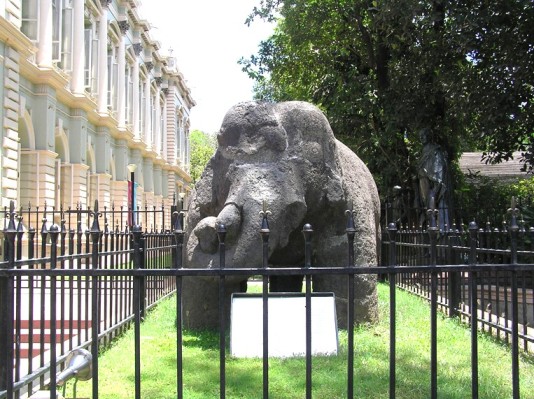
The island's original name, Gharapuri, meaning "city of forts," hints at its strategic and religious importance long before the Portuguese arrived in the 16th century. When Portuguese colonisers landed here, they encountered a large stone elephant near the shore — and the island was promptly renamed "Elephanta." That sculpture, which has since been relocated to the Bhau Daji Lad Museum in Mumbai after suffering colonial damage, gave the island its modern identity.
During Portuguese rule, the caves were unfortunately used for target practice and storage, causing considerable damage to several sculptures. Despite this, what survived is extraordinary — a testament to both the skill of ancient craftsmen and the enduring power of stone.
🏗️ Architecture and Layout: Carved from Living Rock
The Elephanta Caves consist of five Hindu cave temples and two Buddhist caves. The main cave — Cave 1, also known as the Great Cave or Shiva Cave — is the crown jewel and the focal point of most visits. It was carved directly into the basalt rock of the hillside, a technique that required not building upward, but rather sculpting downward and inward, removing stone to reveal the sacred space within.
The Great Cave spans roughly 5,600 square metres and is supported by rows of massive pillars, each finely carved with decorative details. The entrance faces north, east, and west — three grand porticos that flood the interior with natural light at different times of day, creating an ever-shifting atmosphere within. The floor plan follows a roughly square layout, with multiple shrines and sculptural panels arranged in a deliberate, spiritually symbolic order.
At the heart of the cave stands a square Shivalinga shrine, representing the eternal, formless energy of Shiva. This central sanctum is flanked by guardian figures — the Dvarapalas — carved with remarkable detail and authority.
🗿 The Masterpiece: Trimurti Sadashiva
No description of Elephanta is complete without dwelling on the Trimurti panel — the three-headed bust of Shiva that has become the cave's defining image. Standing nearly six metres tall, this sculpture depicts three aspects of Shiva: the serene, meditative Tatpurusha in the centre; the fierce and destructive Aghora on the left; and the gentle, benevolent Vamadeva on the right.
The artistry is breathtaking. The expressions on each face convey vastly different emotions, and yet the composition holds together with remarkable harmony. Art historians consider this among the finest examples of rock-cut sculpture in the world, comparing it favourably to the great works of classical Greece and Renaissance Europe. It is, in the truest sense, theology carved in stone.
Other notable sculptural panels include the Marriage of Shiva and Parvati, Nataraja (Shiva as the cosmic dancer), Ardhanarishvara (the androgynous half-male, half-female form of Shiva), and Shiva slaying the demon Andhaka. Each panel tells a mythological story with cinematic energy and emotional depth.
📖 Legends and Lore
Local legend holds that the Pandavas of the Mahabharata built the caves during their years of exile — an origin story that, while not historically supported, reflects the site's deep roots in popular imagination and devotion.
Another fascinating legend surrounds the island itself: it was said to be protected by a serpent deity, and fishermen from neighbouring communities long regarded Gharapuri as sacred ground, entering it with reverence and ceremony.
🚢 The Visitor Experience: Timeless and Atmospheric
Arriving at Elephanta is an experience in itself. The ferry from the Gateway of India takes about an hour, and the journey across the harbour — with Mumbai's skyline receding behind you and the tree-covered island growing ahead — sets the mood perfectly. Upon arrival, a narrow-gauge toy train carries visitors part of the way, and a gentle uphill walk lined with vendors selling trinkets and snacks leads to the cave entrances.
Inside, the caves are cool, dimly lit, and filled with a quiet reverence that feels earned. The massive columns, the smell of ancient stone, and the presence of the sculpted deities create an atmosphere that is simultaneously spiritual and intellectually stimulating. Even if you have no religious connection to the site, the sheer artistry demands contemplation.
The best time to visit is between October and March, when Mumbai's weather is pleasant and the humidity manageable. The Elephanta Festival, held annually in February, brings classical Indian music and dance performances inside and around the caves — an unforgettable experience for those lucky enough to attend.
🌍 Heritage Tourism and Global Appeal
The Elephanta Caves attract over one million visitors annually, drawing tourists, scholars, photographers, and pilgrims from across India and the world. For international travellers, the caves offer a rare window into the richness of ancient Indian temple architecture outside of South India or Rajasthan. For domestic visitors, they represent a living connection to the Shaiva traditions that have shaped Indian culture for more than a thousand years.
As a UNESCO World Heritage Site, Elephanta holds significant importance for heritage conservation efforts. The Archaeological Survey of India actively maintains the site, and ongoing research continues to uncover new insights into its construction and cultural context.
Whether you come as a history enthusiast, a spiritual seeker, or simply a curious traveller, the Elephanta Caves offer something rare in our fast-moving world — a place where ancient hands still speak, and where silence has something to say.