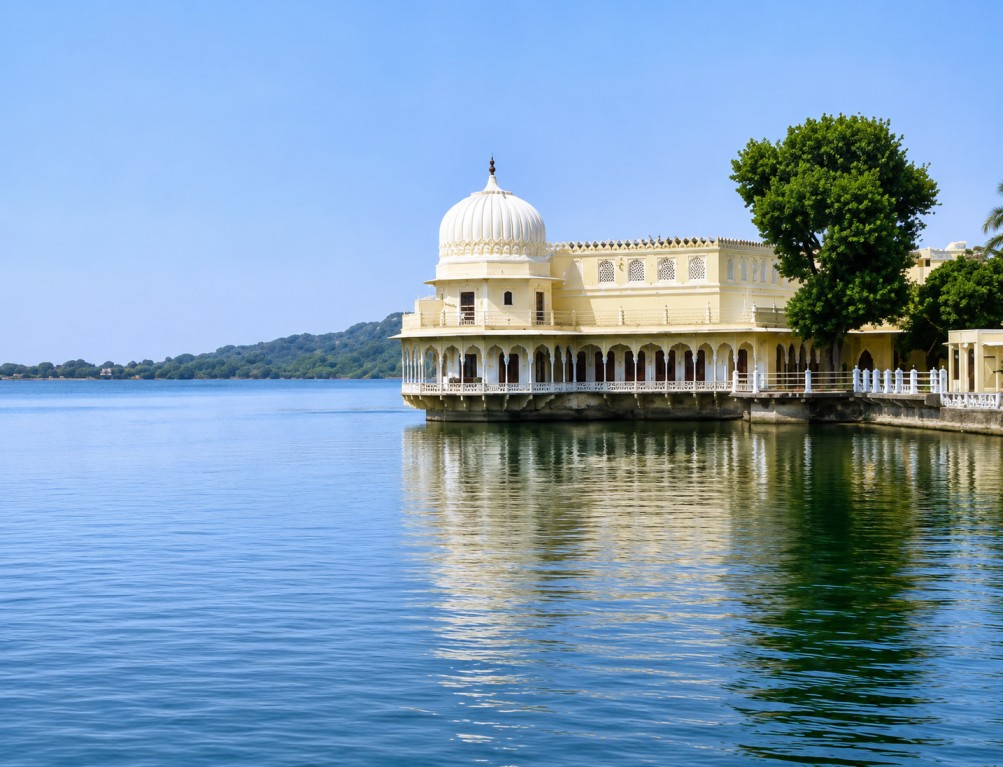
Phool-Mahal-Palace : The Golden Palace Of Jodhpur's Royalty
Phool Mahal Palace stands as one of the most romantically atmospheric and historically distinguished heritage destinations in the Ajmer region of Rajasthan, representing an eighteenth century royal residence of the Kishangarh royal family whose graceful lakeside setting, ornately decorated palace apartments, and the continuing presence of royal heritage within its walls combine to create a destination of exceptional historical intimacy and architectural charm set within the artistically celebrated city of Kishangarh. Situated on the banks of the Gundalao Lake in the heart of Kishangarh in the Ajmer district of Rajasthan, Phool Mahal Palace, whose name translates as the Palace of Flowers, was built during the reign of the Kishangarh rulers and reflects the particular aesthetic sensibility and cultural refinement of a dynasty whose patronage of the arts produced one of the most distinctive and celebrated schools of miniature painting in the entire history of Indian art. The destination draws heritage travelers, art lovers, architecture enthusiasts, and those seeking an experience of royal Rajasthani hospitality within a genuinely historical setting from across the country and the world, offering an encounter with a palace whose lakeside position, decorated interiors, and the living artistic tradition of Kishangarh that surrounds it create a heritage experience of unusual depth, intimacy, and cultural resonance.
Phool Mahal Palace
18th Century Royal Residence & Kishangarh Artistic Legacy
A lakeside palace of exceptional romantic beauty combining architectural grace, royal heritage, and the legendary Kishangarh school of miniature painting. Premier cultural destination within the artistic heart of Rajasthan's most celebrated royal state.
Royal Heritage, Artistic Excellence & Lakeside Beauty
Phool Mahal Palace stands as one of Rajasthan's most romantically atmospheric and historically distinguished heritage destinations, representing an eighteenth-century royal residence of the Kishangarh royal family. The graceful lakeside setting on the Gundalao Lake, ornately decorated palace apartments, and the continuing presence of royal heritage within its walls combine to create a destination of exceptional historical intimacy and architectural charm within the artistically celebrated city of Kishangarh.
Situated on the banks of the Gundalao Lake in the heart of Kishangarh in the Ajmer district, Phool Mahal Palace—whose name translates as the Palace of Flowers—was built during the reign of the Kishangarh rulers and reflects the particular aesthetic sensibility and cultural refinement of a dynasty whose patronage of the arts produced one of the most distinctive and celebrated schools of miniature painting in the entire history of Indian art.
The Kishangarh royal family's legacy extends far beyond military conquest, defined instead by their extraordinary patronage of artistic traditions. The distinctive artistic vocabulary of the Kishangarh school—characterized by elongated figures, lotus-shaped eyes, and devotional compositions centered on the love of Radha and Krishna—was developed under the cultural environment that Phool Mahal Palace represents as a central monument of royal aesthetic sensibility and artistic vision.
Key Highlights & Distinctive Character
Lakeside Reflection Setting
The palace facade reflected in the still waters of the Gundalao Lake creates one of the most romantically beautiful heritage landscapes in the Ajmer region, with the mirror-like surface capturing architectural elegance in compositions of natural and architectural beauty of exceptional atmospheric resonance.
Morning Light Poetry
The quality of reflection in early morning hours when the lake surface is absolutely still transforms the palace into a composition of visual poetry that recalls the lyrical atmosphere of the Kishangarh miniature paintings, creating experiences of natural and architectural beauty of exceptional depth.
Decorated Palace Interiors
The interior spaces featuring painted walls and ceilings reflecting Kishangarh artistic traditions, carved stone details of considerable craftsmanship, and spatial character of royal apartments speak eloquently of Rajput princely domestic and ceremonial life preserved through careful heritage management.
Royal Architectural Spaces
The palace apartments arranged around courtyards showcase the spatial and decorative traditions of Rajasthani royal architecture, with painted details, carved stone ornamentation, and the ceremonial arrangement of chambers reflecting the sophisticated domestic organization of a princely court.
Artistic Atmosphere
Every aspect of the palace—from architectural proportions to decorative traditions—reflects the aesthetic sensibility that produced the Kishangarh school of miniature painting, creating an atmospheric environment that surrounds visitors with the cultural and artistic environment that nurtured one of India's most celebrated artistic traditions.
Artistic Living Tradition
The proximity to active miniature painting workshops in Kishangarh connects palace experience with living artistic heritage, enabling visitors to complement understanding of historical spaces with direct encounter with continuing traditions that made Kishangarh famous in Indian cultural history.
Kishangarh School of Miniature Painting
Artistic Legacy & Royal Patronage
The intimate relationship between Phool Mahal Palace and the celebrated Kishangarh school of miniature painting represents one of India's most significant examples of royal artistic patronage. The distinctive artistic vocabulary of elongated figures, lotus-shaped eyes, and devotional compositions centered on the love of Radha and Krishna was developed under the patronage of Maharaja Savant Singh within the artistic and spiritual environment of which this palace was a central part.
The Kishangarh school achieved recognition as one of the most distinctive regional painting traditions in Indian art, with the romantic and lyrical aesthetic of the tradition reflecting the refined sensibilities and artistic vision of the royal dynasty that commissioned and supported its development. This palace stands as a tangible monument to that cultural patronage and artistic ambition.
Continuing Artistic Traditions
The living artistic tradition of Kishangarh miniature painting continues within the city, with skilled painters working in the historical style within workshop environments open to visitor engagement. The continuing practice of this centuries-old tradition creates unique opportunities for guests and visitors to complement their experience of the historical palace with direct encounters with artists practicing the same artistic tradition that developed under royal patronage centuries earlier.
B2B Cultural Tourism Value
Art & Culture Tourism
Premier destination for art-focused travel operators, cultural tourism specialists, and heritage companies seeking authentic engagement with Indian artistic traditions and royal patronage narratives.
Artist Residencies
Exceptional location for artist residencies, visual arts programs, and creative professional retreats combining historical inspiration with direct engagement with continuing artistic traditions.
Cultural Experience Design
Distinctive capabilities for designing immersive cultural programs combining palace exploration, artistic heritage understanding, and direct artist engagement for premium cultural tourism experiences.
Royal Heritage Tourism
Authentic royal palace experience enabling differentiation for luxury operators seeking genuine historical properties combining architectural interest, cultural significance, and atmospheric hospitality appeal.
Itinerary Differentiation
Strategic positioning within Kishangarh's broader cultural landscape creates opportunities for distinctive multi-site itineraries combining palace heritage with miniature painting workshops, fort exploration, and marble landscape experiences.
Educational & Scholarly Tourism
Exceptional resource for educational travel programs, art history specialists, and cultural scholars seeking to understand Indian artistic traditions and royal patronage within authentic historical contexts.
Experiences & Cultural Engagement
Palace Interior Exploration
Exploring the palace interiors and lakeside grounds is the most rewarding heritage activity at Phool Mahal Palace. The decorated apartments, lakeside terraces, and views across the Gundalao Lake toward the silhouette of Kishangarh Fort offer a succession of architectural and natural experiences of considerable beauty and historical depth.
Miniature Painting Workshops
Visiting the miniature painting workshops of Kishangarh offers a deeply rewarding cultural complement to the palace experience. Direct engagement with skilled painters working in the intricate historical style enables observation of artistic traditions within living workshop environments and acquisition of works of genuine artistic quality directly from their creators.
Lakeside Photography
The palace facade reflected in the still water of the Gundalao Lake creates exceptional photographic opportunities, particularly during early morning and late afternoon light. The interplay of architectural elements and their reflections provides compositional subjects of remarkable beauty capturing the romantic character of the lakeside setting.
Historical & Artistic Study
The palace's historical depth and connection to the Kishangarh artistic tradition enable meaningful engagement for art historians, architecture specialists, and culturally-engaged travelers seeking understanding of royal patronage, Indian artistic traditions, and Rajasthani heritage within authentic historical contexts.
Connectivity & Visitor Information
Optimal Visiting Period
The most favorable period to visit Phool Mahal Palace is from October to March, when the pleasant winter temperatures of the Rajasthan desert make extended exploration of the palace grounds and lakeside landscape comfortable. The clear winter light falls most beautifully across the palace facade and its reflection on the still surface of the Gundalao Lake, creating optimal conditions for photography and architectural appreciation.
Regional Connectivity & Strategic Positioning
From Ajmer
Well-maintained national highway connectivity. Approximately 50 minutes travel time from Ajmer city center. Convenient for multi-destination heritage and cultural itineraries.
From Jaipur
Excellent highway connectivity through national routes. Approximately 2 hours travel time from Rajasthan's capital. Strategic waypoint for comprehensive Rajasthan heritage tourism.
Air Access
Jaipur International Airport provides primary air gateway with excellent international connectivity. Kishangarh benefits from limited regional airport service for specific routing needs.
Itinerary Integration & Broader Destination Ecosystem
Phool Mahal Palace stands as a natural and deeply rewarding inclusion in Rajasthan heritage itineraries for travelers combining the destination with visits to Kishangarh Fort, the marble dumping yard landscape, and the broader cultural and artistic landscape of this remarkable princely city. The palace's positioning within Kishangarh's multi-faceted heritage ecosystem creates opportunities for distinctive, comprehensive cultural tourism experiences combining architectural heritage, artistic traditions, natural landscapes, and living artisan communities within a single unified itinerary framework.