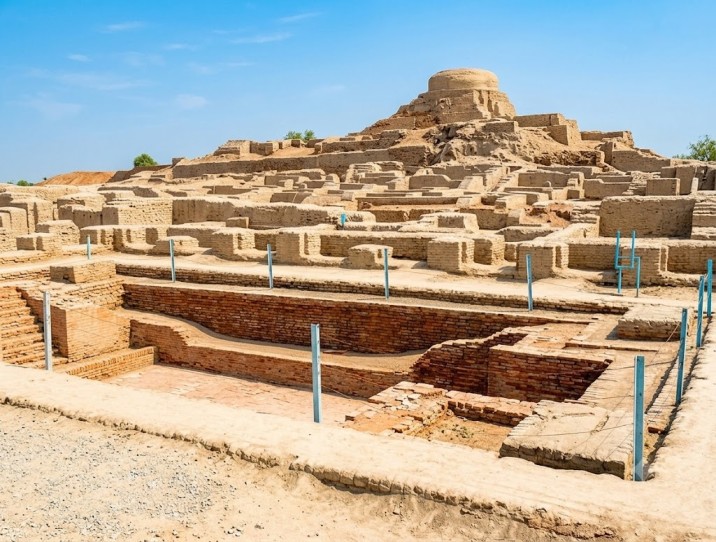
Rakhigarhi (Haryana)
Rakhigarhi stands as one of the most archaeologically significant and historically profound destinations in India, representing the largest known site of the Indus Valley Civilization discovered anywhere in the subcontinent and a landscape of extraordinary scientific importance whose excavated mounds, ancient streets, drainage systems, and burial grounds together preserve the physical remains of an urban settlement that flourished more than five thousand years ago. Situated in the Hisar district of Haryana, spread across a cluster of archaeological mounds rising above the surrounding agricultural plains of the Ghaggar River basin, Rakhigarhi offers a destination of singular civilizational importance that rivals the great ancient urban centers of Mesopotamia and Egypt in scale, sophistication, and historical significance.
Why Visit Rakhigarhi
🌏 A Civilizational Marvel
The recognition of Rakhigarhi as the largest Indus Valley Civilization site, surpassing even the celebrated Mohenjo-daro in Pakistan and Dholavira in Gujarat, reflects its unparalleled importance within the global archaeological heritage landscape.
One of the most compelling reasons to visit is the sheer civilizational scale that the site represents. The ancient inhabitants of Rakhigarhi laid out streets in a precise grid pattern, constructed houses of standardized fired brick with private bathing platforms connected to a city-wide underground drainage system of remarkable engineering sophistication, maintained craft production areas of considerable specialization, and created objects of bronze, gold, terracotta, and semi-precious stone of striking artistic quality across a settlement whose urban ambition and organizational complexity predates much of what the popular historical imagination associates with ancient India.
Key Highlights Within the Area
Excavated City Sections
The excavated sections of the ancient city spread across the Rakhigarhi mounds are the most immediately evocative features of the site. The exposed brick structures, the brick-lined drainage channels running beneath ancient streets, and the foundations of residential structures of varying scale compose a physical encounter with a civilization five thousand years removed that is both intellectually overwhelming and viscerally immediate.
The Burial Ground
The burial ground, which yielded skeletal remains of exceptional scientific significance including DNA material that contributed substantially to the global understanding of ancient South Asian population genetics, adds a deeply human dimension to the archaeological record.
Rakhigarhi Archaeological Museum
The Rakhigarhi Archaeological Museum houses the material culture recovered from decades of excavation, including terracotta figurines, bronze ornaments, steatite seals bearing the undeciphered Indus script, and pottery of remarkable craftsmanship that together offer an introduction to the ancient community of exceptional historical depth.
Activities
Visiting the excavated sections of the ancient city with a knowledgeable guide is the primary and most intellectually rewarding activity, with informed interpretation transforming the exposed brick and drainage channels from archaeological abstractions into comprehensible elements of a functioning ancient urban environment. Visiting the Archaeological Museum before exploring the mounds offers the most rewarding sequence, as the familiarity with artifacts and historical context gained in the museum galleries enriches the interpretation of the physical remains encountered at the site considerably.
Best Time to Visit & Connectivity
The most favorable period to visit Rakhigarhi is from October to March, when pleasant winter temperatures make extended outdoor exploration of the mounds comfortable and the clear winter light reveals the topographic profile of the ancient settlement with particular sharpness and clarity.
Rakhigarhi is accessible from Hisar, situated approximately 50 kilometres away and connected to Delhi and other major northern Indian cities by road and rail. Delhi, approximately 150 kilometres away, serves as the most practical major gateway, with the road journey taking approximately three hours through the flat agricultural landscape of the Haryana plains, making Rakhigarhi a meaningful inclusion in northern India heritage itineraries for travelers interested in the deep civilizational history of the subcontinent.