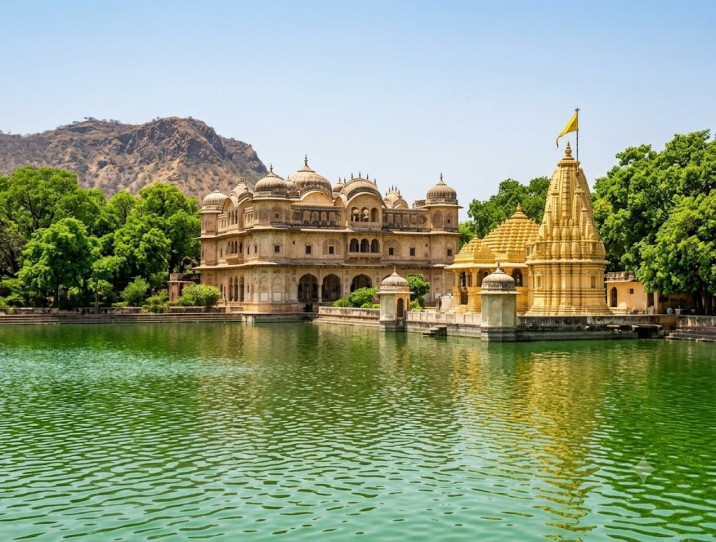
Sukh Mahal: Discover Rajasthan's Serene Lakeside Palace
Sukh Mahal stands as one of the most romantically situated and historically evocative heritage destinations in Rajasthan, representing a charming lakeside summer palace of considerable architectural grace whose elegant pavilions, breezy open terraces, and tranquil position on the banks of the Jait Sagar Lake together create a destination of quiet scenic beauty and historical intimacy within the storybook hill town of Bundi. Situated on the shores of the Jait Sagar Lake in Bundi in the Bundi district of Rajasthan, Sukh Mahal, whose name translates as the Palace of Pleasure or Comfort, was built by the Bundi royal family as a retreat intended to provide relief from the desert heat through its lakeside position and the cooling breezes that move across the water, the palace serving across generations as a favored escape for the royal household seeking respite from the formality and confinement of the larger fort and city palace complexes above the town. The destination draws heritage travelers, literature enthusiasts, and curious explorers from across the country, offering an encounter with a modest but architecturally charming palace whose greatest claim to fame rests in its association with Rudyard Kipling, who is widely believed to have stayed at Sukh Mahal and drawn inspiration from its lakeside setting while writing portions of his celebrated novel Kim, lending the structure a layer of literary heritage that adds considerable cultural resonance to its already considerable scenic and architectural appeal.
Sukh Mahal Palace of Pleasure
A breezy lakeside summer retreat of the Bundi royal family, quietly linked to Rudyard Kipling's Kim, resting on the still waters of Jait Sagar Lake.
Overview
Sukh Mahal stands as one of the most romantically situated and historically evocative heritage destinations in Rajasthan, representing a charming lakeside summer palace of considerable architectural grace whose elegant pavilions, breezy open terraces, and tranquil position on the banks of the Jait Sagar Lake together create a destination of quiet scenic beauty and historical intimacy within the storybook hill town of Bundi. Situated on the shores of the Jait Sagar Lake in Bundi in the Bundi district of Rajasthan, Sukh Mahal, whose name translates as the Palace of Pleasure or Comfort, was built by the Bundi royal family as a retreat intended to provide relief from the desert heat through its lakeside position and the cooling breezes that move across the water, the palace serving across generations as a favored escape for the royal household seeking respite from the formality and confinement of the larger fort and city palace complexes above the town. The destination draws heritage travelers, literature enthusiasts, and curious explorers from across the country, offering an encounter with a modest but architecturally charming palace whose greatest claim to fame rests in its association with Rudyard Kipling, who is widely believed to have stayed at Sukh Mahal and drawn inspiration from its lakeside setting while writing portions of his celebrated novel Kim, lending the structure a layer of literary heritage that adds considerable cultural resonance to its already considerable scenic and architectural appeal.
Why Visit Sukh Mahal
The recognition of Sukh Mahal as one of the most atmospherically pleasing royal retreats in the Hadoti region reflects its unparalleled combination of architectural elegance, natural lakeside beauty, and literary association within a single compact and easily explored heritage site. One of the most compelling reasons to visit is the serene and visually rewarding setting of the palace on the edge of the Jait Sagar Lake, where the still waters reflect the surrounding hills and the palace's own modest but graceful facade in a composition of considerable natural and architectural harmony, creating an atmosphere of calm and unhurried beauty that distinguishes Sukh Mahal from the more imposing and crowded heritage sites of Rajasthan. The literary connection to Rudyard Kipling adds a further dimension of cultural interest to the visit, with many travelers drawn specifically by the romantic notion of standing in the same lakeside setting that may have informed passages of one of the most celebrated works of colonial-era English literature set in India. The combination of architectural charm, the cooling lakeside breeze that gives the palace its evocative name, the literary heritage associated with the site, and the genuinely peaceful and contemplative atmosphere available at this relatively uncrowded destination further strengthens its appeal as a deeply rewarding addition to any exploration of Bundi's rich and varied heritage landscape.
📖 The Kipling Connection
Rudyard Kipling is widely believed to have stayed at Sukh Mahal and drawn inspiration from its lakeside setting while writing portions of his celebrated novel Kim, lending the structure a layer of literary heritage.
Key Highlights Within the Area
The lakeside facade of Sukh Mahal stands out as the most visually appealing feature of the destination, its modest but elegantly proportioned pavilions and open terraces positioned to take full advantage of the views across the Jait Sagar Lake and the surrounding hills that enclose the town of Bundi, creating a setting of considerable scenic tranquility. The breezy upper terraces of the palace, from which the cooling lake winds can be felt most directly and the views across the water are at their most expansive, represent a highlight of particular sensory and atmospheric appeal, offering a tangible understanding of the practical comfort that gave the palace its name. The literary association with Rudyard Kipling adds a further layer of cultural interest to the site, with the palace's quiet and contemplative lakeside setting offering visitors the opportunity to imagine the atmosphere that may have informed the author's celebrated depictions of colonial-era Rajasthan. The broader Jait Sagar Lake itself, with the historic Sar Bagh royal cenotaphs visible along sections of its shoreline, adds further scenic and historical context to the immediate experience of Sukh Mahal.
🏞️ Sar Bagh Cenotaphs
The broader Jait Sagar Lake itself, with the historic Sar Bagh royal cenotaphs visible along sections of its shoreline, adds further scenic and historical context to the immediate experience of Sukh Mahal.
Activities
Walking through the palace pavilions and terraces while taking in the views across the Jait Sagar Lake is the primary and most rewarding activity at Sukh Mahal, allowing visitors to appreciate both the architectural details of the structure and the peaceful natural setting that surrounds it. Photography of the palace reflected in the still lake water, particularly during the soft light of early morning or late afternoon, is a popular and rewarding pursuit for visitors seeking to capture the tranquil character of the site.
Palace at a Glance
Best Time to Visit
The most favorable period to visit Sukh Mahal is from October to March, when the pleasant winter temperatures of Rajasthan make extended time on the lakeside terraces particularly enjoyable, though the cooling lake breezes that give the palace its name also make it a welcome retreat during the warmer months from April to June.
Connectivity
Sukh Mahal is situated on the banks of the Jait Sagar Lake within easy reach of Bundi's town center, accessible by foot or local transport from the main heritage areas of the old city. Bundi is connected by road to Kota, situated approximately 35 kilometres away and serving as the nearest major railway junction with regular services from Delhi, Mumbai, and Jaipur, making Sukh Mahal a rewarding and easily included stop in any Bundi heritage itinerary alongside the town's palace, fort, and the celebrated Rani Ji Ki Baori stepwell.