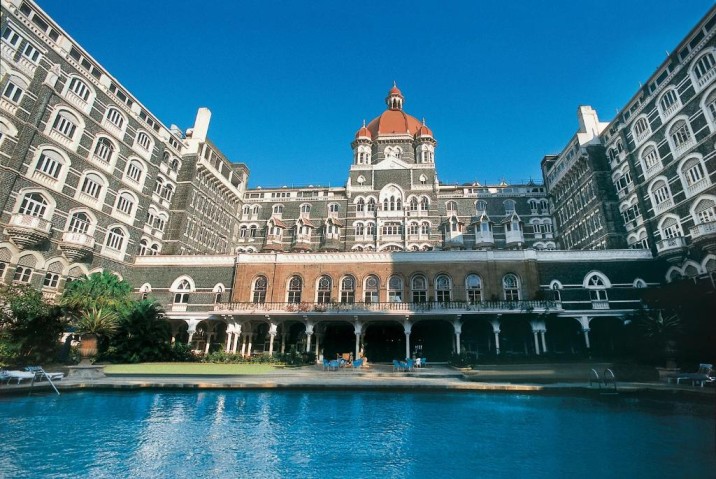
Taj Hotel - Where Luxury Meets Legacy
Picture stepping out of the Mumbai humidity into a soaring domed lobby, where chandeliers catch the light streaming through stained glass, and the Arabian Sea laps gently just beyond the Gateway of India outside. That's the Taj Mahal Palace for you — not just a hotel, but a living landmark. Standing proudly at Apollo Bunder in South Mumbai for over a century, this is the kind of place where history, luxury, and the rhythm of the city all meet under one magnificent dome.
🌊 Taj Hotel , Mumbai – Where the Sea Meets a Century of Stories
Picture stepping out of the Mumbai humidity into a soaring domed lobby, where chandeliers catch the light streaming through stained glass, and the Arabian Sea laps gently just beyond the Gateway of India outside. That's the Taj Mahal Palace for you — not just a hotel, but a living landmark. Standing proudly at Apollo Bunder in South Mumbai for over a century, this is the kind of place where history, luxury, and the rhythm of the city all meet under one magnificent dome.
📜 A Little Bit of History First
The Taj's story is as dramatic as the building itself. It was built by Jamsetji Tata, one of India's most visionary industrialists, and opened its doors in 1903. Local legend has long claimed Tata built the hotel after being refused entry into a European-run hotel in Bombay for being Indian — a story historians debate but one that has become part of the hotel's mythology. What's certain is that the Taj was meant to rival the finest hotels in the world, and it succeeded, becoming the first hotel in India to have electricity, American fans, German elevators, and English butlers. Designed in a blend of Indo-Saracenic, Moorish, and Florentine styles, the hotel's iconic red dome and sprawling façade quickly made it a symbol of Bombay's growing global stature. Over the decades, it has hosted royalty, presidents, and celebrities, and weathered history's hardest moments — including the 2008 terror attacks, after which the hotel was lovingly restored, standing today as a symbol of resilience as much as luxury.
✨ The Attractions That Will Leave You Breathless
🏨 Hotel Heritage
The hotel itself is the destination. Wandering through its corridors feels like moving through a museum — onyx columns, hand-woven carpets, vaulted alabaster ceilings, and a grand staircase that has welcomed dignitaries for generations. The Sea Lounge, with its sweeping views of the harbor, is legendary for afternoon tea, while the heritage wing's old-world charm contrasts beautifully with the sleek modern tower added later.
🕌 Gateway & Surroundings
Just outside, the Gateway of India stands like a natural extension of the hotel's grandeur, its honey-colored arch framing views of ferries drifting toward Elephanta Island. A short stroll away, Colaba Causeway buzzes with street shopping, antique stores, and pavement cafes, while Kala Ghoda, Mumbai's art district, offers galleries, boutique stores, and the city's creative pulse just minutes from the hotel's doorstep.
🎨 Art & Sunset Views
For something more reflective, the hotel's own art collection — featuring rare paintings, antique furniture, and Belgian chandeliers — turns even a walk to your room into a small cultural excursion. And if you time it right, sunset views from the harbor-facing rooms, with the Arabian Sea turning gold, are simply unforgettable.
🍽️ Culture, People, and Food
The Taj is as much about hospitality as architecture. Staff here are trained in a philosophy the brand is famous for — warm, intuitive service that feels personal rather than performative. It's a microcosm of Mumbai itself: cosmopolitan, layered, and endlessly welcoming.
Dining at the Taj is an experience in itself. Wasabi by Morimoto offers exceptional Japanese cuisine with harbor views, while Masala Kraft serves modern Indian dishes rooted in traditional flavors. The Sea Lounge remains a Mumbai institution for tea and pastries, and Shamiana, the all-day diner, is beloved for its laid-back, eclectic menu. For a nightcap, Harbour Bar, India's oldest licensed bar, pours cocktails with a view of the Gateway lit up against the night sky.
🌤️ Best Time to Visit
Mumbai is pleasant to visit between November and February, when the weather is cool and dry, perfect for harbor walks and rooftop evenings. March to May brings rising heat and humidity, while the monsoon season (June to September) transforms the city dramatically — dramatic skies, rain-soaked streets, and a moody charm that some travelers find irresistible, though outdoor plans may need flexibility.
🚆 How to Get There
✈️ By Air
By Air: Chhatrapati Shivaji Maharaj International Airport is about 20-25 km away, roughly 45 minutes to an hour by road depending on traffic, with taxis and app-based cabs readily available.
🚉 By Rail
By Rail: Chhatrapati Shivaji Maharaj Terminus (CST), one of India's most iconic railway stations, is just a short 15-20 minute drive from the hotel, connecting Mumbai to cities across the country.
🚖 By Road
By Road: South Mumbai is well-connected by local taxis, app cabs, and the city's extensive bus network. Many travelers also enjoy the scenic Marine Drive route when arriving from the northern parts of the city.
📍 Nearby Places Worth Exploring
Beyond the Gateway of India, Elephanta Island, a UNESCO World Heritage Site with ancient rock-cut caves, is just a short ferry ride away. Marine Drive, Mumbai's famous promenade, is perfect for an evening walk, while the Chhatrapati Shivaji Maharaj Vastu Sangrahalaya (formerly Prince of Wales Museum) offers a deep dive into the region's art and history. For a livelier evening, Bandra and its trendy cafes are about 40 minutes away by road.
🧳 A Few Travel Tips Before You Go
Book heritage-wing rooms in advance if you want that old-world charm — they tend to fill up quickly. Security at the entrance is thorough, a reminder of the hotel's history, so allow a few extra minutes when arriving. Sunset hours get crowded near the Gateway of India, so plan harbor-view moments either early morning or later in the evening for a quieter experience. Comfortable walking shoes go a long way, since South Mumbai is best explored on foot.