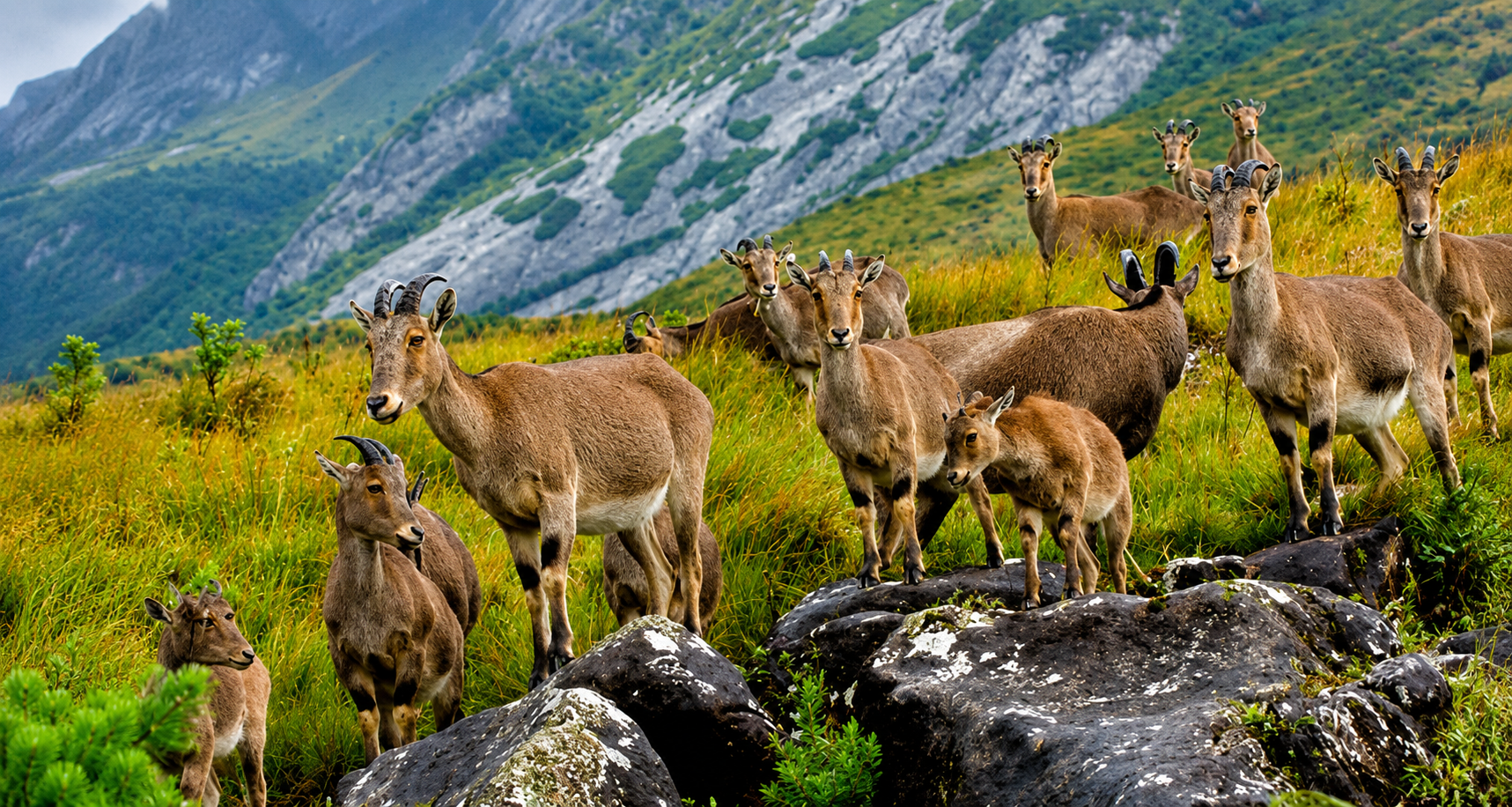
Silent-Valley-National-Park : Where Slience Speak Nature
Silent Valley National Park stands as one of the most ecologically precious and scientifically significant destinations in India, representing one of the last remaining stretches of undisturbed tropical rainforest on the Indian subcontinent. Situated in the Palakkad district of Kerala, nestled within the Nilgiri Hills along the southern end of the Western Ghats, Silent Valley is a landscape of extraordinary biological richness, defined by dense evergreen forests, the roaring Kunthi River carving through its heart, and an atmosphere of primeval wilderness that feels entirely removed from the modern world. What distinguishes Silent Valley from other protected areas in the region is not merely its biodiversity, but the unique combination of ecological rarity, conservation history, and undisturbed natural character embedded within this compact forested landscape. The park is home to some of the most endangered species on the planet, including the lion-tailed macaque, and its forests represent a biological archive of plant and animal life that has remained largely intact for millions of years. This layered character elevates Silent Valley beyond a simple wildlife sanctuary into a destination of genuine scientific and natural wonder.
```html
🌿 Silent Valley National Park (Kerala)
📖 Overview
Silent Valley National Park stands as one of the most ecologically precious and scientifically significant destinations in India, representing one of the last remaining stretches of undisturbed tropical rainforest on the Indian subcontinent. Situated in the Palakkad district of Kerala, nestled within the Nilgiri Hills along the southern end of the Western Ghats, Silent Valley is a landscape of extraordinary biological richness, defined by dense evergreen forests, the roaring Kunthi River carving through its heart, and an atmosphere of primeval wilderness that feels entirely removed from the modern world.
What distinguishes Silent Valley from other protected areas in the region is not merely its biodiversity, but the unique combination of ecological rarity, conservation history, and undisturbed natural character embedded within this compact forested landscape. The park is home to some of the most endangered species on the planet, including the lion-tailed macaque, and its forests represent a biological archive of plant and animal life that has remained largely intact for millions of years. This layered character elevates Silent Valley beyond a simple wildlife sanctuary into a destination of genuine scientific and natural wonder.
🌎 Why Visit Silent Valley National Park
The recognition of Silent Valley as a core component of the Nilgiri Biosphere Reserve, a UNESCO-designated zone, reflects its unparalleled importance within India's ecological heritage. Unlike managed wildlife parks or curated nature reserves, Silent Valley offers a cohesive experience where primary rainforest, river ecosystems, rare fauna, and untouched highland terrain work together to create a profoundly immersive natural destination.
One of the most compelling reasons to visit is the sense of entering a living ecosystem shaped by millions of years of uninterrupted evolution. The forests here are not secondary growth or managed woodland, but original tropical rainforest of a kind that has almost entirely disappeared from peninsular India. The Kunthi River flowing through the valley adds a dynamic energy to the landscape, offering a calm yet powerful natural backdrop that is rare in this part of southern India.
Additionally, Silent Valley showcases a remarkable density of endemic species found nowhere else on earth. The park is home to over a thousand species of flowering plants, hundreds of bird species, and a diverse assemblage of mammals, reptiles, and amphibians, making it especially rewarding for naturalists, wildlife photographers, and serious birdwatchers. The combination of ecological depth and the park's carefully managed visitor access further strengthens its appeal as a meaningful and responsible nature destination.
🏞️ Key Highlights Within the Area
Among the natural landmarks, the core rainforest zone of Silent Valley stands out as the most iconic and atmospherically distinctive feature of the park. Comprising layers of canopy stretching across steep valleys and ridgelines, the forest offers a setting framed by the calls of hornbills, the rustle of unseen mammals, and the constant sound of the Kunthi River below. The density and variety of plant life creates a visual experience that shifts with every step along the forest trail.
The lion-tailed macaque population, one of the rarest primates in the world and the symbol of the park's conservation struggle, is another significant highlight. Sightings of these striking silver-maned monkeys moving through the forest canopy offer an encounter of genuine rarity, providing a compelling reminder of what responsible conservation can preserve.
The Kunthi River and its surrounding riparian corridors add a rich ecological dimension to the visit, particularly for those interested in freshwater biodiversity and landscape photography, offering stretches of water flanked by overhanging forest that connect people meaningfully with the natural environment.
The visual experience of Silent Valley changes considerably with the seasons, as the monsoon transforms the forest into a dripping, intensely green world of waterfalls and mist, while the post-monsoon months reveal a cleaner, more navigable landscape alive with wildlife activity. This seasonal variation adds depth to the visitor experience, making each visit a distinct and memorable encounter.
🥾 Activities
Guided nature walks and forest trail excursions are the primary activities at Silent Valley, with designated routes through the buffer and core zones offering opportunities to observe rare plant life, birdlife, and mammals in their natural habitat. These walks provide a rare chance to experience primary rainforest at close quarters under the supervision of trained forest guides.
Birdwatching is a particularly rewarding pursuit within the park, with the forest supporting an impressive diversity of species including the Malabar grey hornbill, great hornbill, and numerous endemic species of the Western Ghats. Early morning hours are particularly favorable, as bird activity peaks before the forest settles into the quieter rhythm of midday.
The viewpoints overlooking the Kunthi River valley and the surrounding ridgelines offer opportunities for landscape observation and photography, drawing nature enthusiasts and curious visitors alike. Visiting the interpretation center at the park entrance is also widely recommended, rewarding those who take the time with essential context about the park's ecology, conservation history, and the remarkable campaign that saved this valley from submersion under a proposed hydroelectric dam in the 1970s and 1980s.
📅 Best Time to Visit
☀️ December to April
The most favorable period to visit Silent Valley National Park is from December to April, when rainfall is minimal and the forest trails are accessible, allowing for comfortable walking and the best opportunities to observe wildlife. During these months, the settled conditions and clear skies make guided forest excursions and birdwatching particularly enjoyable.
🌿 October and November
The post-monsoon months of October and November offer a lush and dramatically green landscape, with waterfalls at their most spectacular and the forest vegetation at its most vibrant, making this a particularly rewarding period for photography and landscape appreciation.
🌧️ June to September
The monsoon season from June to September brings exceptionally heavy rainfall to this part of Kerala, and the park typically remains closed to visitors during this period, as the forest trails become inaccessible and the Kunthi River swells considerably.
🚗 Connectivity
Silent Valley National Park is conveniently accessible from several major urban centers in Kerala and Tamil Nadu. Mannarkkad, located approximately 20 kilometres from the park entrance, serves as the nearest town and the most practical base for arranging entry permits and guided walks. Palakkad, situated approximately 70 kilometres away, offers broader accommodation options and serves as a comfortable base city with good rail and road connectivity.
Rail connectivity is well established, with Palakkad Junction and Shoranur Junction offering regular services from Kochi, Kozhikode, Chennai, and other major cities. Road connectivity is efficient, with well-maintained routes linking the park to Palakkad, Coimbatore, and Kozhikode, making it a highly practical inclusion in nature and wildlife itineraries across the Western Ghats, as well as a popular destination for travelers combining visits to Ooty, Wayanad, and the broader Nilgiri landscape.
```