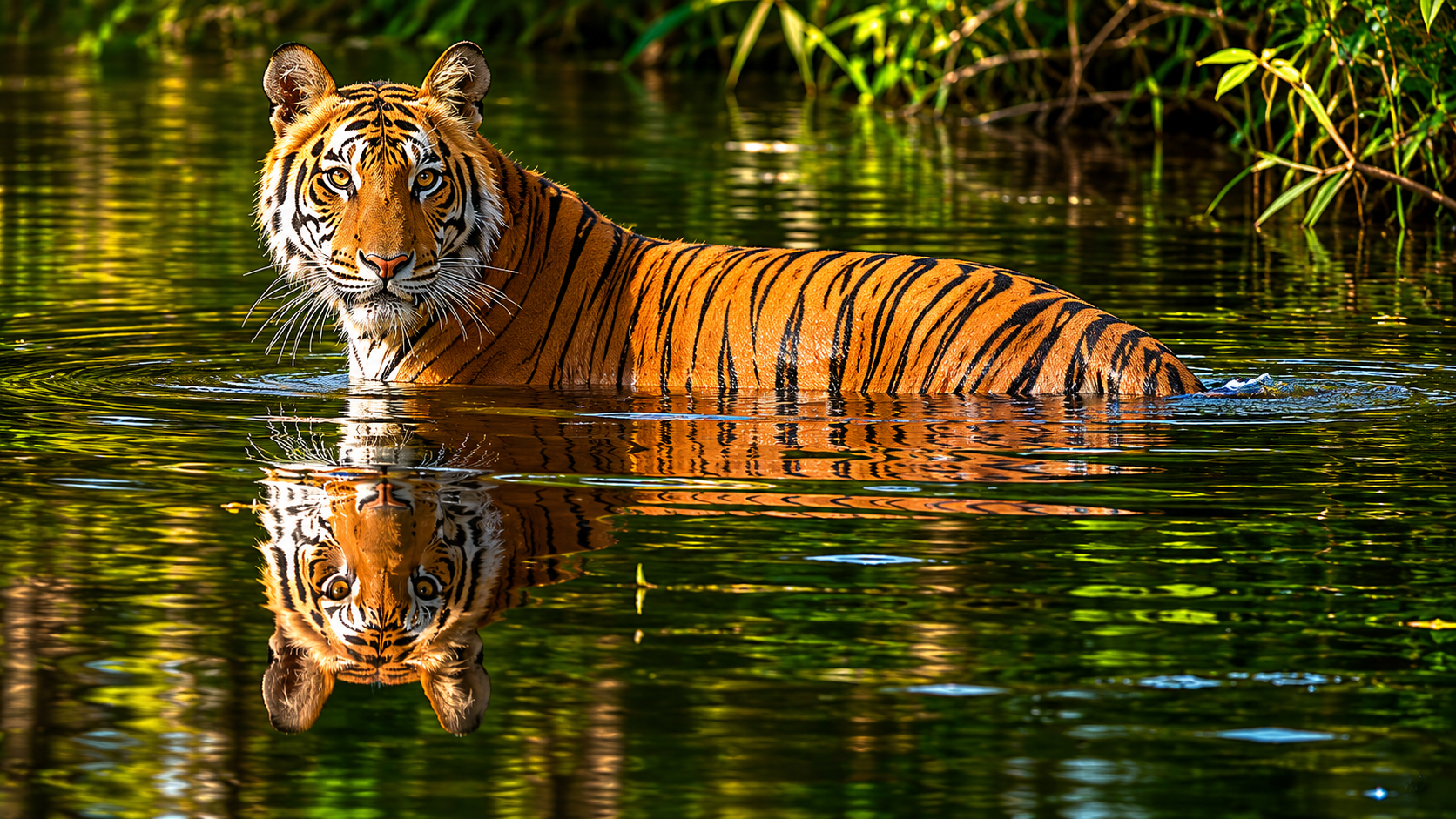
Bandhavgarh National Park : The Land Of Royal Tigers
Bandhavgarh National Park stands as one of the most celebrated and rewarding wildlife destinations in India, a landscape of sal forests, bamboo groves, open meadows, and ancient rocky escarpments that together create a habitat of exceptional richness and diversity, most famously known for sheltering one of the highest densities of Bengal tigers of any protected area in the world. Located in the Umaria district of Madhya Pradesh, approximately one hundred and ninety kilometres from Jabalpur and two hundred kilometres from Rewa, the park encompasses an area of approximately five hundred square kilometres of core zone set within the broader Bandhavgarh Tiger Reserve, whose buffer zone extends the protected landscape considerably further into the surrounding Vindhya hill terrain. The destination draws wildlife enthusiasts, photographers, naturalists, and those for whom an encounter with a wild tiger in its natural habitat represents one of the most compelling experiences that the natural world can offer, making Bandhavgarh consistently one of the most visited and most celebrated tiger reserves in India.
🐅 Bandhavgarh National Park (Madhya Pradesh)
🌿 Overview
Bandhavgarh National Park stands as one of the most celebrated and rewarding wildlife destinations in India, a landscape of sal forests, bamboo groves, open meadows, and ancient rocky escarpments that together create a habitat of exceptional richness and diversity, most famously known for sheltering one of the highest densities of Bengal tigers of any protected area in the world.
Located in the Umaria district of Madhya Pradesh, approximately one hundred and ninety kilometres from Jabalpur and two hundred kilometres from Rewa, the park encompasses an area of approximately five hundred square kilometres of core zone set within the broader Bandhavgarh Tiger Reserve, whose buffer zone extends the protected landscape considerably further into the surrounding Vindhya hill terrain.
The destination draws wildlife enthusiasts, photographers, naturalists, and those for whom an encounter with a wild tiger in its natural habitat represents one of the most compelling experiences that the natural world can offer, making Bandhavgarh consistently one of the most visited and most celebrated tiger reserves in India.
What distinguishes Bandhavgarh from other tiger reserves in the country is the remarkable combination of tiger density, habitat diversity, and historical heritage that gives the destination a character of unusual completeness.
The park's tigers, habituated over generations to the presence of safari vehicles within the forest, are among the most reliably observable wild tigers anywhere in their range, creating conditions for extended and intimate wildlife encounters that few other destinations in the world can match.
The ancient Bandhavgarh Fort, rising from a rocky escarpment above the sal forest on a hill that has been inhabited since at least the first century of the common era, adds a dimension of historical grandeur to the wildlife experience, and the cave temples, Vishnu sculptures, and medieval fortifications visible from the forest roads invest the landscape with a layered human history that deepens every safari with a sense of encountering a place of long and profound significance.
🐯 Why Visit Bandhavgarh National Park
The designation of Bandhavgarh as one of India's premier Project Tiger reserves reflects the exceptional importance of a landscape that has functioned as one of the most successful tiger conservation stories in the country, with a population that has grown significantly since the reserve's establishment and that continues to provide a model of how rigorous protection and thoughtful tourism management can coexist within a functioning wildlife ecosystem.
The park's tiger density, consistently among the highest recorded in any Indian protected area, gives visitors a genuinely high probability of tiger sightings that distinguishes Bandhavgarh from many other reserves where sightings remain a matter of considerable chance.
One of the most compelling reasons to visit is the quality and duration of tiger encounters that the park's relatively habituated and confident tiger population makes possible.
Unlike reserves where a tiger sighting consists of a brief, distant glimpse through the vegetation before the animal melts back into the forest, Bandhavgarh regularly offers encounters where individual tigers move along the forest roads, rest in open meadows, or drink at waterholes for extended periods in full view of safari vehicles, providing an experience of intimate and prolonged observation of one of the world's most magnificent animals that leaves visitors with a quality of memory that no photograph fully captures.
Additionally, Bandhavgarh offers a wildlife experience that extends well beyond the tiger to encompass leopards, sloth bears, gaur, wild dogs, hyenas, jackals, spotted deer, sambar, and a birdlife of exceptional diversity spread across the park's varied habitats.
The white tigers that were historically associated with Rewa, the former princely state within whose territory Bandhavgarh falls, though no longer present in the wild, add a historical dimension of zoological significance to the park's identity, and the broader ecological richness of the Vindhya hill landscape supports a complexity of wildlife interactions that rewards attentive observation well beyond the celebrated charismatic megafauna.
🏞️ Tala Zone
The Tala zone, the most celebrated and wildlife-rich of Bandhavgarh's safari zones, encompasses the core meadow areas, the Bandhavgarh hill and fort, and the river corridors that collectively produce the highest frequency of tiger sightings and the most varied wildlife encounters within the park.
🏰 Bandhavgarh Fort
The Bandhavgarh Fort, accessible from within the park and approached through a forest trail that climbs from the sal woodland to the rocky escarpment on which the fortifications stand, is one of the most historically evocative and visually dramatic heritage features of any Indian national park.
🌳 Magdhi & Khitauli Zones
The Magdhi and Khitauli zones, offering alternative safari experiences within the broader tiger reserve, provide access to different habitat types and wildlife concentrations that complement the Tala zone experience and reward those who spend multiple days at Bandhavgarh with a progressively richer and more complete understanding of the park's ecological diversity.
🕉️ Shesh Shaiya
The ancient Shesh Shaiya, a magnificent recumbent sculpture of Vishnu carved from a single sandstone boulder and measuring approximately eleven metres in length, located within the park grounds in the vicinity of the Tala zone, is one of the most remarkable pieces of early medieval sculpture in central India and a highlight of genuine historical and artistic significance.
🚙 Activities
Jeep safaris through the designated zones of the national park, conducted in the early morning and late afternoon sessions that bracket the hottest hours of the day, form the primary wildlife activity at Bandhavgarh and the experience around which every visit is organised.
The morning safari, departing before dawn and entering the forest as the first light reaches the canopy, produces the most consistently productive wildlife encounters of the day, as the tigers and other predators are most active in the final hours of their nocturnal hunting period and the deer herds are most animated in the early morning light.
Booking safaris well in advance through the park's official online system is essential, as the limited number of vehicles permitted in each zone per session fills quickly during the peak season.
Elephant-back safaris, where available within specific zones and subject to the park's current operational guidelines, offer an alternative mode of forest exploration that allows access to terrain beyond the jeep tracks and provides a different perspective on the wildlife and vegetation.
Visiting the Bandhavgarh Fort and the associated cave temples during the designated access periods, typically incorporated into a morning safari that routes through the fort hill area, allows the historical and heritage dimension of the park to be experienced in direct conjunction with the wildlife safari.
Birdwatching across the park's varied habitats, from the sal forest interior and the open meadow edges to the rocky escarpments of the fort hill and the riverine corridors that thread through the reserve, rewards those who bring binoculars and dedicate attention to the avian life that animates every corner of the Bandhavgarh landscape.
📅 Best Time to Visit
The most favorable period to visit Bandhavgarh National Park is from October to June, when the park is open to visitors and the conditions for wildlife observation progress through distinct seasonal phases that each offer their own particular rewards.
☀️ Peak Tiger Season
The months of March to May are widely regarded by experienced wildlife enthusiasts as the most productive for tiger sightings at Bandhavgarh.
🌧️ Monsoon Closure
The park is closed from July to September during the monsoon, when the forest roads become impassable and the core zone is rested to allow the wildlife population undisturbed access to the full extent of the reserve during the breeding and cub-rearing season.
🚉 Connectivity
Bandhavgarh National Park is accessible from several directions, with Jabalpur serving as the nearest major city with air connectivity, located approximately one hundred and ninety kilometres from the park and reachable by road in approximately four to five hours through the central Madhya Pradesh landscape.
Jabalpur Airport offers domestic flights from Delhi, Mumbai, and other major cities, and the city's railway station, Jabalpur Junction, is one of the best-connected in central India, served by numerous express trains from Delhi, Mumbai, Kolkata, and the major cities of Madhya Pradesh.
Umaria, the district headquarters of Umaria district, located approximately thirty-five kilometres from the Tala gate of the national park, is the nearest railway station with direct services from several major cities, making it the most practical rail access point for visitors traveling specifically to Bandhavgarh without combining the visit with other destinations in the region.
The road journey from Umaria to the park entrance takes approximately forty-five minutes through the forested landscape of the Vindhya hills and serves as a pleasant introduction to the terrain within which the national park is set.
Katni Junction, located approximately one hundred kilometres from the park, provides an additional railway access point with broader train connectivity for visitors approaching from Delhi, Kolkata, or other major rail hubs, and the road journey from Katni to Bandhavgarh passes through a landscape of agricultural and forested terrain that is characteristic of the broader Madhya Pradesh countryside.