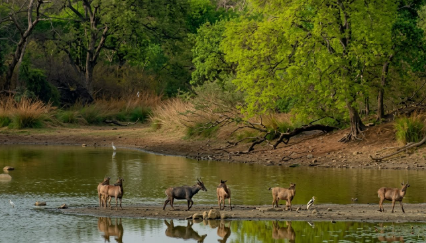
Dachigam-National-Park : A Hidden Paradise Of Kashmir's Wilderness
Dachigam National Park stands as one of the most ecologically vital and scenically magnificent destinations in India, representing a protected highland wilderness of extraordinary biological significance set against the dramatic backdrop of the Zabarwan Mountain range. Situated just fourteen kilometres from the city of Srinagar in the union territory of Jammu and Kashmir, the park occupies a steep and richly forested valley that rises from approximately 1700 metres at its lower reaches to over 4200 metres at its upper alpine limits. The destination draws wildlife enthusiasts, naturalists, and mountain travelers from across the country, offering a landscape defined by cascading streams fed by snowmelt, dense stands of maple, birch, and willow in the lower reaches, open alpine pastures in the upper zones, and an atmosphere of highland wilderness that exists in remarkable proximity to one of the most celebrated cities in northern India.
🏔️ Dachigam National Park (Jammu & Kashmir)
🌿 Overview
Dachigam National Park stands as one of the most ecologically vital and scenically magnificent destinations in India, representing a protected highland wilderness of extraordinary biological significance set against the dramatic backdrop of the Zabarwan Mountain range. Situated just fourteen kilometres from the city of Srinagar in the union territory of Jammu and Kashmir, the park occupies a steep and richly forested valley that rises from approximately 1700 metres at its lower reaches to over 4200 metres at its upper alpine limits. The destination draws wildlife enthusiasts, naturalists, and mountain travelers from across the country, offering a landscape defined by cascading streams fed by snowmelt, dense stands of maple, birch, and willow in the lower reaches, open alpine pastures in the upper zones, and an atmosphere of highland wilderness that exists in remarkable proximity to one of the most celebrated cities in northern India.
What distinguishes Dachigam from other protected areas in the subcontinent is not merely its scenic grandeur or its closeness to Srinagar, but the unique combination of critically endangered wildlife, dramatic elevational range, and deep cultural association embedded within this compact and carefully protected landscape. The park is the last remaining stronghold of the hangul, also known as the Kashmir stag, one of the most endangered deer species in the world and the state animal of Jammu and Kashmir. Its forests and alpine meadows have been protected with particular care precisely because they represent the final refuge of a species that once ranged widely across the Kashmir Valley. This layered character elevates Dachigam beyond a conventional wildlife destination into a landscape of profound conservation urgency and natural beauty.
🦌 Why Visit Dachigam National Park
The recognition of Dachigam as one of the most critical wildlife habitats in the Himalayan region reflects its unparalleled importance within India's conservation landscape, particularly as the sole remaining viable habitat for a significant population of the critically endangered hangul. Unlike more commercially developed wildlife destinations, Dachigam offers a cohesive experience where dense temperate forest, glacial streams, open alpine meadows, and rare Himalayan fauna work together to create a destination of exceptional ecological and scenic value.
One of the most compelling reasons to visit is the possibility of observing the hangul in its natural habitat, an experience available nowhere else on earth with any reliability. The lower reaches of the park, particularly during the winter and early spring months when the deer descend from the upper slopes, offer sightings of this magnificent animal with its distinctive large antlers moving through the riparian forest and meadow edges of the valley floor. For any wildlife enthusiast, this encounter carries a weight and rarity that few wildlife experiences in India can match.
Additionally, Dachigam showcases remarkable scenic beauty through the interplay of its forested valley, the Dagwan River rushing through its heart, and the snow-capped peaks of the Zabarwan range rising steeply above the treeline. The combination of critical conservation importance, extraordinary highland scenery, and proximity to the cultural richness of Srinagar further strengthens its appeal as a deeply meaningful and distinctive destination.
⭐ Key Highlights Within the Area
🌲 Dagwan River Valley
Among the natural landmarks, the lower zone of Dachigam along the Dagwan River valley stands out as the most accessible and atmospherically distinctive feature of the park. Defined by a dense canopy of willows, maples, and shrub vegetation along the riverbanks, this lower stretch provides the primary habitat for hangul during the winter months and supports a remarkable density of birdlife throughout the year. The sound of the Dagwan River flowing over smooth boulders beneath overhanging forest creates a sensory environment of considerable natural beauty and calm.
🏔️ Upper Dachigam Zone
The upper Dachigam zone, accessible only with special permission, is another significant highlight. Rising through successive vegetation belts of coniferous forest and subalpine scrub into open alpine meadows and snow-covered ridgelines, the upper zone offers panoramic views of the surrounding Himalayan terrain and provides critical summer habitat for the hangul and other high-altitude species, presenting a compelling combination of wilderness grandeur and ecological importance in a single expansive landscape.
🐾 Wildlife Diversity
The presence of the Himalayan black bear, leopard, and musk deer alongside the hangul adds a rich wildlife dimension to the park, making it one of the more diverse temperate wildlife habitats in the Himalayan foothills. Each species occupies a distinct niche within the park's varied elevation zones, offering patient observers the possibility of genuinely varied and memorable wildlife encounters.
🍂 Seasonal Beauty
The visual experience of Dachigam changes dramatically with the seasons, as autumn transforms the broadleaved forest into vivid shades of gold and amber, winter brings snow to the upper slopes and drives the hangul down to accessible terrain, and spring fills the lower valley with the fresh green of new growth along the riverbanks. This seasonal variation adds extraordinary depth to the visitor experience, making each season a distinct and rewarding encounter with the park's living landscape.
🥾 Activities
Wildlife observation walks and guided jeep excursions through the lower Dachigam zone are the primary activities within the park, with designated routes along the Dagwan River valley offering the best opportunities to observe hangul, Himalayan black bear, and a remarkable variety of birdlife in their natural habitat. These excursions, conducted under the supervision of trained forest department guides, provide an intimate and carefully managed introduction to one of the most important wildlife habitats in northern India.
Birdwatching is a particularly rewarding pursuit within Dachigam, with the park supporting an impressive diversity of western Himalayan species including the koklass pheasant, khalij pheasant, lammergeier, golden eagle, and a rich variety of warblers, flycatchers, and raptors that inhabit the different vegetation zones across the park's elevational range. Early morning hours along the river trail are especially favorable, as bird activity is highest in the first light of day when the forest canopy comes alive with movement and sound.
Photography of the hangul, the river valley, and the seasonal transformation of the broadleaved forest is widely undertaken by visiting naturalists and wildlife photographers, rewarding those who invest time across different seasons with images of considerable rarity and scenic beauty. Visiting the interpretation facilities near the park boundary is also recommended, offering useful context about the hangul conservation program, the ecology of the Kashmir temperate forest, and the ongoing efforts to protect this critically endangered species.
📅 Best Time to Visit
The most favorable period to visit Dachigam National Park is from November to April, when the hangul descend from the upper alpine zones to the accessible lower valley in response to snowfall at higher elevations, making wildlife sightings considerably more reliable and rewarding. During the winter months of December to February in particular, the combination of snow on the surrounding ridgelines and hangul moving through the lower forest creates a landscape of exceptional scenic and wildlife value.
The spring months of March and April bring a gradual transformation to the lower valley, as the forest floor comes alive with wildflowers and migratory bird species begin arriving in large numbers, offering a particularly rewarding period for birdwatchers and nature photographers who visit in the weeks following the departure of the main winter snowfall.
The summer months from May to October see the hangul retreating to the upper alpine zones which are restricted from general visitor access, making wildlife sightings in the lower park less predictable during this period, though the lush summer forest and active birdlife still provide a rewarding natural experience for those visiting during the warmer months.
🚗 Connectivity
Dachigam National Park is exceptionally well connected by the standards of a protected wilderness area, situated just fourteen kilometres from the center of Srinagar, which serves as the primary gateway city for all visitors. Srinagar's Sheikh ul-Alam International Airport offers regular domestic flights from Delhi, Mumbai, Jammu, and several other major Indian cities, making air access straightforward and practical for visitors from across the country.
Road connectivity from Srinagar is direct and efficient, with the park entrance reached within a short drive from the city center along well-maintained roads, making Dachigam one of the most easily accessible national parks in the Himalayan region relative to a major urban center. This extraordinary proximity to Srinagar makes it a highly practical inclusion in any Kashmir Valley itinerary, allowing travelers to combine a morning wildlife excursion in Dachigam with an afternoon on the Dal Lake or exploring the Mughal gardens of Srinagar within the same day.