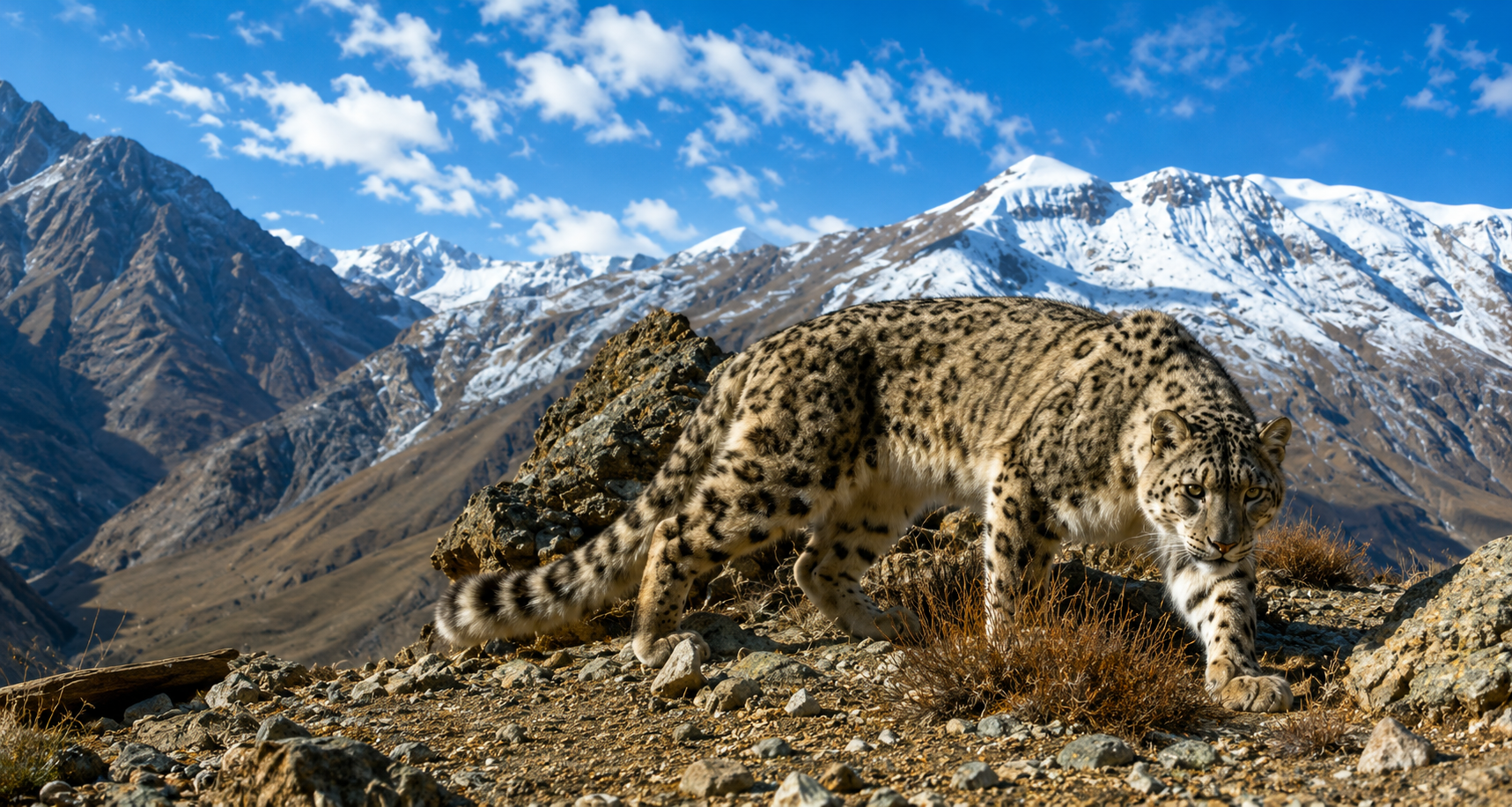
Great-Himalayan-National-Park : A Pristine UNESCO Wilderness
Great Himalayan National Park stands as one of the most remote and ecologically extraordinary destinations in India, representing a pristine high-altitude wilderness of alpine meadows, glacial rivers, dense coniferous forests, and snow-capped peaks that together form one of the most dramatic and untouched landscapes in the entire Himalayan range. Situated in the Kullu district of Himachal Pradesh, carved across the upper reaches of the Beas and Tirthan river basins, the park extends across an elevation range that climbs from subtropical forest floors to permanent snow fields above five thousand metres. The destination draws serious trekkers, wildlife researchers, and wilderness travelers from across the world, offering a landscape defined by roaring glacial streams, ancient shepherd trails, vast stretches of unexplored alpine terrain, and an atmosphere of absolute highland solitude found in very few places remaining on earth.
📍 Location
Kullu District, Himachal Pradesh
🌍 Recognition
UNESCO World Heritage Site
🦊 Wildlife
Snow Leopard, Western Tragopan, Musk Deer
🥾 Experience
High-Altitude Trekking & Wilderness Exploration
🌲 Overview
Great Himalayan National Park stands as one of the most remote and ecologically extraordinary destinations in India, representing a pristine high-altitude wilderness of alpine meadows, glacial rivers, dense coniferous forests, and snow-capped peaks that together form one of the most dramatic and untouched landscapes in the entire Himalayan range. Situated in the Kullu district of Himachal Pradesh, carved across the upper reaches of the Beas and Tirthan river basins, the park extends across an elevation range that climbs from subtropical forest floors to permanent snow fields above five thousand metres. The destination draws serious trekkers, wildlife researchers, and wilderness travelers from across the world, offering a landscape defined by roaring glacial streams, ancient shepherd trails, vast stretches of unexplored alpine terrain, and an atmosphere of absolute highland solitude found in very few places remaining on earth.
What distinguishes Great Himalayan National Park from other protected areas in the subcontinent is not merely its scale or altitude, but the unique combination of exceptional biodiversity, near-pristine ecological condition, and deeply rugged mountain character embedded within this vast and deliberately restricted wilderness. The park is home to the elusive snow leopard, the western tragopan, and hundreds of plant species found nowhere else, and its forests and meadows have been preserved in a state of remarkable integrity precisely because human access remains carefully and deliberately limited. This layered character elevates Great Himalayan National Park beyond a conventional trekking destination into a landscape of genuine scientific importance and wilderness grandeur.
⭐ Why Visit Great Himalayan National Park
The recognition of Great Himalayan National Park as a UNESCO World Heritage Site reflects its unparalleled importance within the global biodiversity landscape, acknowledged as one of the richest and most intact temperate ecosystems in Asia. Unlike more developed or accessible mountain parks, Great Himalayan National Park offers a cohesive experience where high-altitude forests, glacial river valleys, alpine meadows, and rare Himalayan fauna work together to create a profoundly demanding and deeply rewarding wilderness destination.
One of the most compelling reasons to visit is the extraordinary sense of genuine remoteness it offers. In a country where even high-altitude destinations frequently accommodate large visitor numbers and supporting infrastructure, Great Himalayan National Park remains a place where multi-day treks lead through terrain that sees very little human passage, where the silence of the mountains is absolute, and where the experience of wilderness feels unmediated and authentic. The glacial rivers that thunder through its valleys, particularly the Tirthan and Sainj, add a constant dramatic energy to the landscape.
Additionally, Great Himalayan National Park showcases a remarkable density of Himalayan wildlife across its varied elevation zones. From black bear and musk deer in the lower forests to bharal and snow leopard in the high alpine reaches, the park supports a complete vertical community of mountain fauna that makes it especially rewarding for wildlife researchers, naturalists, and patient observers willing to invest time in its demanding terrain. The combination of ecological richness, UNESCO recognition, and the sheer beauty of the Kullu highlands further strengthens its appeal as a destination of rare and lasting significance.
📍 Key Highlights Within the Area
🏞️ Tirthan Valley Entry Zone
Among the natural landmarks, the Tirthan Valley entry zone stands out as the most iconic and atmospherically distinctive gateway into the park. Defined by the crystal-clear Tirthan River rushing through forested gorges flanked by steep hillsides of oak, rhododendron, and deodar, this valley offers a setting of extraordinary natural beauty even before the high-altitude terrain of the park interior begins. The sound of the river and the density of the surrounding forest create a sensory experience that immediately signals entry into a landscape governed entirely by natural rhythms.
⛰️ Alpine Meadows of Raktisar and Thamsar Pass
The alpine meadows of Raktisar and Thamsar Pass, reached after several days of ascending trek through successive vegetation zones, are another significant highlight. Spread across open high-altitude terrain with panoramic views of snow-clad peaks in every direction, these meadows represent the park at its most dramatically beautiful, providing a compelling combination of wilderness grandeur and the quiet wonder of a landscape almost entirely free of human presence.
🐦 Western Tragopan
The western tragopan, one of the rarest pheasants in the world and the state bird of Himachal Pradesh, is among the most celebrated wildlife highlights of the park. Occasional sightings of this vividly coloured and deeply shy bird within the dense undergrowth of the park's mid-elevation forests offer an encounter of remarkable rarity, connecting visitors meaningfully with the exceptional avian biodiversity that earned the park its UNESCO designation.
The visual experience of Great Himalayan National Park changes dramatically with altitude and season, as the lower forested valleys offer a lush and intimate character while the upper alpine zones open into vast and wind-swept panoramas. This vertical variation adds extraordinary depth to the visitor experience, with each day of trekking revealing a distinctly different face of the mountain landscape.
🥾 Activities
Multi-day guided treks are the defining activity at Great Himalayan National Park, with several established routes leading through the Tirthan, Sainj, and Jiwa Nala valleys into the high alpine interior. These treks, ranging from moderately challenging to highly demanding, provide opportunities to traverse successive ecological zones, observe Himalayan wildlife, and experience the absolute wilderness of the upper park in a way that is simply unavailable through any other means.
Birdwatching is a particularly rewarding pursuit within the lower and mid-elevation zones of the park, with the forest supporting an impressive diversity of Himalayan species including the Himalayan monal, koklass pheasant, cheer pheasant, and numerous species of warbler, laughingthrush, and flycatcher endemic to the western Himalayas. Early morning hours along the forest trails are especially favorable, as bird activity peaks in the cool hours before midday.
Fly fishing in the Tirthan River within the buffer zone is a popular and well-regarded activity for those seeking a quieter engagement with the landscape, as the river supports healthy populations of the snow trout and offers a contemplative and scenic alternative to the more demanding high-altitude routes. Visiting the nature interpretation facilities at Sai Ropa near the park boundary is also widely recommended, offering essential context about the park's ecology, its UNESCO heritage status, and the remarkable range of species that inhabit its different elevation zones.
🗓️ Best Time to Visit
The most favorable period to visit Great Himalayan National Park is from May to June and again from September to October, when the trekking routes into the park interior are open, snow has receded from the passes, and the alpine meadows are accessible after the winter closure. During these windows, the settled weather and firm trail conditions make multi-day wilderness treks into the high-altitude zones both safe and extraordinarily rewarding.
The summer months of May and June are particularly spectacular, as rhododendrons and alpine wildflowers bloom across the forest and meadow zones simultaneously, filling the landscape with colour and fragrance at a time when the air is clear and the high ridgelines are sharply visible against blue skies.
The winter months from November to April bring heavy snowfall to the upper reaches of the park, rendering the high-altitude trekking routes inaccessible, though the lower Tirthan Valley remains beautiful and accessible for nature walks, birdwatching, and riverside exploration throughout the colder months.
🚗 Connectivity
Great Himalayan National Park is conveniently accessible from the Kullu-Manali valley, with the town of Aut on the Manali Highway serving as the primary road junction for the Tirthan Valley approach. Bhuntar, located approximately 50 kilometres from the park boundary, has a small domestic airport with seasonal connections to Delhi, making air access practical during the main visitor season. Chandigarh, situated roughly 270 kilometres away via the national highway, serves as the most reliable major air and rail gateway for year-round access.
Road connectivity from Chandigarh, Shimla, and Manali is efficient, with the national highway running through the Beas Valley providing a well-maintained artery from which smaller mountain roads branch toward the Tirthan and Sainj valley entry points of the park. This makes Great Himalayan National Park a practical inclusion in extended Himachal Pradesh itineraries for travelers combining the park with visits to the Kullu Valley, Manali, and the broader landscapes of the western Himalayan region.