Karnataka · Western Ghats
Kudremukh National Park — the horse-faced summit of the Western Ghats
Rolling shola-grassland, a river-source watershed, and one of southern India's most rewarding trekking landscapes.
🌾 Overview
Kudremukh National Park stands as one of the most ecologically vital and scenically dramatic destinations in the Western Ghats, representing a vast stretch of rolling grasslands and dense shola forest whose rugged peaks, including the distinctive horse-faced summit that gives the park its name, together create one of the most rewarding trekking and conservation destinations found anywhere in southern India. Situated in the Chikmagalur, Dakshina Kannada, and Udupi districts of Karnataka, Kudremukh derives its name from the resemblance of its highest peak to a horse's face when viewed from certain angles, the park's landscape encompassing one of the most significant remaining stretches of shola-grassland ecosystem in the Western Ghats, this rare and ecologically important habitat type characterized by patches of dense evergreen forest nestled within rolling montane grassland, the entire park serving as the catchment for three major rivers including the Tunga, Bhadra, and Netravathi that originate within its boundaries. The destination draws trekkers, nature enthusiasts, and conservation-minded travelers from across the country, offering an encounter with one of the most ecologically significant watershed landscapes in all of southern India.
💧 Why Visit Kudremukh National Park
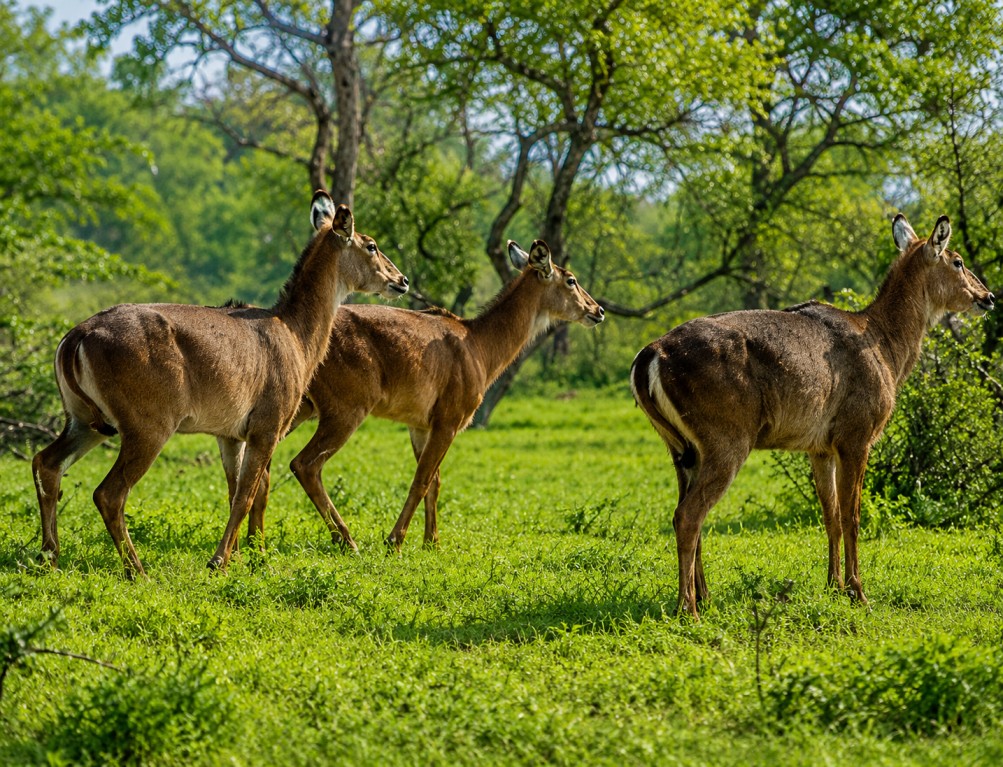
The recognition of Kudremukh as one of the most critical watershed regions in the Western Ghats reflects its unparalleled hydrological and ecological significance, the park serving as the source of three major rivers that sustain agriculture and drinking water supplies across a considerable stretch of Karnataka, making its conservation a matter of considerable regional importance beyond its value as a wildlife and trekking destination. One of the most compelling reasons to visit is the distinctive shola-grassland landscape itself, a habitat type found in very few other locations and offering a trekking experience considerably different in character from the denser, more continuously forested parks elsewhere in the Western Ghats, the open rolling grasslands interspersed with pockets of dense stunted forest creating a landscape of considerable visual drama and ecological interest. The park is home to a range of wildlife including the Asiatic elephant, tiger, and the endangered lion-tailed macaque, alongside numerous endemic bird and amphibian species that reflect the broader biodiversity significance of the Western Ghats as a global conservation hotspot. The combination of distinctive shola-grassland scenery, considerable hydrological importance, rich biodiversity, and rewarding trekking opportunities further strengthens the appeal of Kudremukh as one of the most ecologically meaningful destinations in Karnataka.
🐆 Key Highlights Within the Area
The Kudremukh Peak itself stands out as the most iconic and visually striking feature of the park, its distinctive horse-face silhouette rising above the surrounding grassland and offering panoramic views across the broader Western Ghats landscape for those who undertake the trek to its summit.
The shola-grassland mosaic that characterizes much of the park is a highlight of considerable ecological significance, this rare habitat type supporting a distinctive assemblage of flora and fauna found in very few other locations within the Western Ghats.
The headwaters of the Tunga, Bhadra, and Netravathi rivers, originating within the park's boundaries, add a further dimension of hydrological and scenic interest, the clear mountain streams cutting through the grassland and forest in landscapes of considerable natural beauty.
The dense pockets of shola forest scattered throughout the grassland provide critical habitat for the park's more elusive wildlife, including the lion-tailed macaque and various endemic species.
🥾 Activities
Trekking to Kudremukh Peak and through the surrounding shola-grassland terrain is the primary activity at the park, offering visitors a rewarding multi-day or day-trek experience through one of the Western Ghats' most distinctive landscapes. Birdwatching throughout the park is rewarding given the diversity of endemic and migratory species found within its varied habitats. Nature walks through the shola forest patches offer opportunities to observe the park's distinctive flora and the wildlife that depends on this rare forest type.
📅 Best Time to Visit
The most favorable period to visit Kudremukh National Park is from October to March, when the trekking trails are most accessible and the weather conditions are most favorable, the monsoon months from June to September bringing heavy rainfall that makes much of the park's terrain considerably more challenging to navigate.
🗺️ Connectivity
Kudremukh National Park is accessible from Chikmagalur, situated approximately 95 kilometres away, and from Mangaluru, situated approximately 95 kilometres away on the coastal side, both serving as practical gateway towns. Mangaluru International Airport provides the nearest major air connectivity, while Bengaluru, situated approximately 300 kilometres away, offers broader national and international connections, making Kudremukh a rewarding inclusion in Western Ghats trekking itineraries alongside the broader Chikmagalur and coastal Karnataka region.