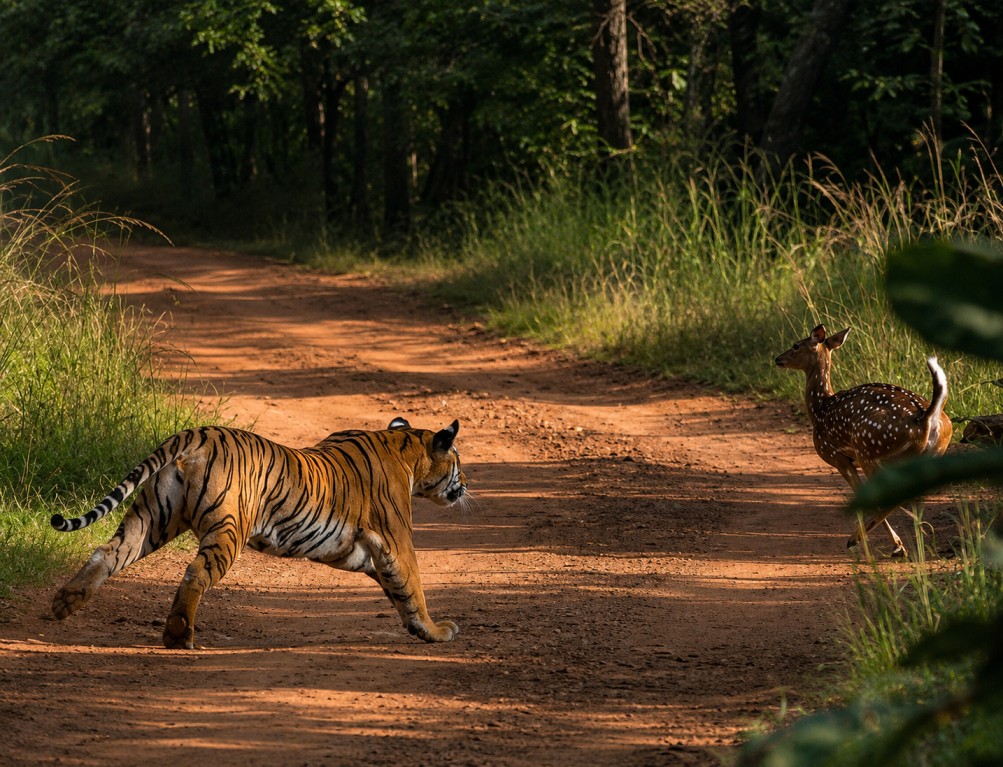
Kuno - home of india's cheetahs
Kuno National Park stands as one of the most significant and globally watched wildlife destinations in India, representing the site of the country's ambitious cheetah reintroduction program and a landscape of considerable ecological promise whose dry deciduous forest, open grassland, and the Kuno River flowing through its heart together create a habitat capable of supporting the historic return of the cheetah to Indian soil after an absence of more than seven decades. Situated in the Sheopur and Morena districts of Madhya Pradesh, Kuno extends across a substantial protected area characterized by a mosaic of dry deciduous and savanna woodland interspersed with open grassland, the park having been carefully selected and prepared over several decades as the designated site for the translocation of cheetahs from Namibia and South Africa beginning in 2022, making it one of the most internationally significant conservation locations in the entire country at present. The destination draws wildlife enthusiasts, conservationists, and travelers fascinated by this landmark conservation initiative from across the country and the world, offering an encounter with a park whose landscape and ongoing project represent one of the most ambitious and closely watched species reintroduction efforts undertaken anywhere on the planet.
Kuno National Park (Madhya Pradesh)
Savanna grassland, the Kuno River, and the historic return of the cheetah to Indian soil.
Overview
Kuno National Park stands as one of the most significant and globally watched wildlife destinations in India, representing the site of the country's ambitious cheetah reintroduction program and a landscape of considerable ecological promise whose dry deciduous forest, open grassland, and the Kuno River flowing through its heart together create a habitat capable of supporting the historic return of the cheetah to Indian soil after an absence of more than seven decades. Situated in the Sheopur and Morena districts of Madhya Pradesh, Kuno extends across a substantial protected area characterized by a mosaic of dry deciduous and savanna woodland interspersed with open grassland, the park having been carefully selected and prepared over several decades as the designated site for the translocation of cheetahs from Namibia and South Africa beginning in 2022, making it one of the most internationally significant conservation locations in the entire country at present. The destination draws wildlife enthusiasts, conservationists, and travelers fascinated by this landmark conservation initiative from across the country and the world, offering an encounter with a park whose landscape and ongoing project represent one of the most ambitious and closely watched species reintroduction efforts undertaken anywhere on the planet.
Why Visit Kuno National Park
The recognition of Kuno as the site of Project Cheetah, India's historic effort to reintroduce the cheetah following its extinction within the country in the mid-twentieth century, reflects its unparalleled global conservation significance, the park representing one of the most ambitious large carnivore reintroduction programs ever attempted and drawing considerable international attention from conservationists and wildlife enthusiasts following the progress of this landmark initiative.
One of the most compelling reasons to visit is the opportunity to witness firsthand a conservation effort of genuine historical importance, the translocated cheetahs and their offspring representing a species making its tentative return to the Indian landscape after generations of absence, an encounter that carries considerable emotional and scientific significance for those interested in large carnivore conservation. Beyond the cheetah program, Kuno supports a diverse array of other wildlife including leopard, striped hyena, jackal, and substantial populations of chital and other ungulates that sustain the broader predator ecosystem of the park, while the surrounding grassland and dry forest habitat offers a landscape character distinct from the denser central Indian forests of nearby Kanha and Bandhavgarh. The combination of unparalleled conservation significance, the historic and ongoing nature of the cheetah reintroduction project, and the broader wildlife diversity of the park further strengthens the appeal of Kuno as one of the most meaningful and currently relevant wildlife destinations in India.
Key Highlights Within the Area
🐆 The Translocated Cheetahs
The translocated cheetah population stands out as the most globally significant and closely watched wildlife highlight of Kuno, the presence of these magnificent cats representing the culmination of decades of conservation planning and one of the most ambitious species reintroduction efforts undertaken anywhere in the world.
🌊 The Kuno River
The Kuno River, flowing through the heart of the park, adds a dimension of scenic and ecological richness to the landscape, its waters sustaining the broader wildlife community of the reserve.
🌾 Grassland & Savanna Mosaic
The open grassland and savanna woodland mosaic that characterizes much of the park provides a highlight of considerable ecological interest, this open terrain having been specifically identified as suitable habitat for the cheetah's hunting style, distinct from the denser forest cover found in many other central Indian reserves.
🐾 Growing Leopard Population
The park's growing population of leopard and other predator species adds further wildlife interest to the broader Kuno landscape.
Activities
On-Ground ExperiencesJeep safaris through the park's designated visitor zones are the primary activity for those visiting Kuno, offering the possibility, though not the certainty, of observing the reintroduced cheetahs alongside the park's other wildlife including leopard and various ungulate species. Wildlife photography of the cheetah and the broader savanna landscape is a rewarding pursuit for visitors specifically drawn by the historic reintroduction program. Birdwatching throughout the park's varied habitats offers a further rewarding dimension to the wildlife experience.
Best Time to Visit
The most favorable period to visit Kuno National Park is from October to June, with the months from March to May generally offering the most reliable wildlife sightings as drier conditions concentrate animals around available water sources, though visitor access to cheetah viewing zones is managed carefully given the sensitivity of the ongoing reintroduction program.
Connectivity
Kuno National Park is accessible from Sheopur, the nearest town, and from Gwalior, situated approximately 165 kilometres away and serving as the most practical major gateway with airport and railway connectivity from Delhi and other major Indian cities. Road connectivity from Gwalior and the broader Chambal region is well established, making Kuno a meaningful and increasingly significant inclusion in Madhya Pradesh wildlife itineraries for travelers interested in this landmark conservation initiative.