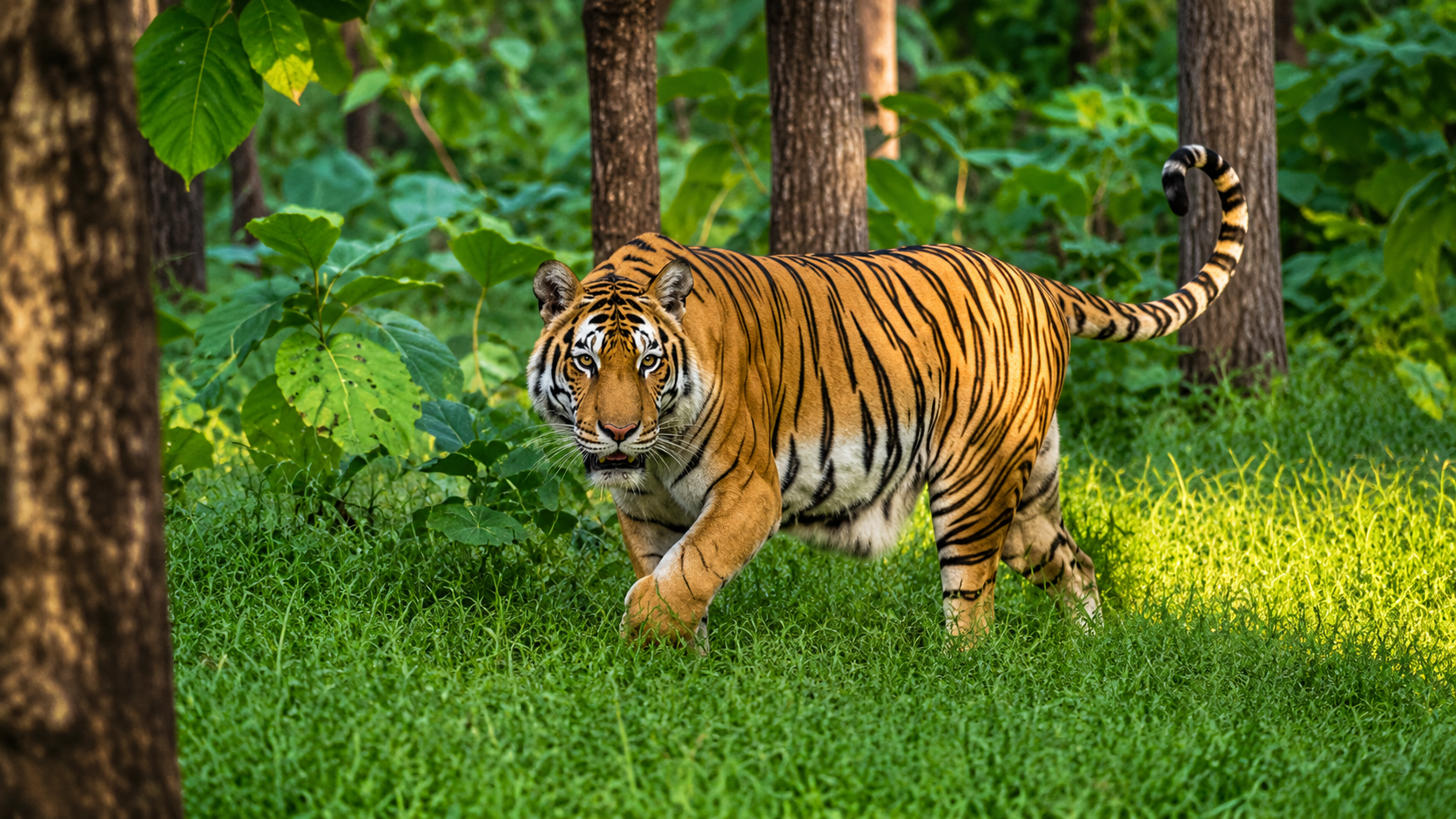
Pench National Park : A Wildlife Paradise Of India
Pench National Park stands as one of the most evocative and naturally distinguished wildlife destinations in central India, a landscape of teak forests, open grasslands, rocky outcrops, and the meandering Pench river that together create a habitat of exceptional ecological richness and scenic beauty most famously associated with the jungle tales of Rudyard Kipling, whose Mowgli and the world of The Jungle Book were inspired by the forests and wildlife of this very landscape. Located on the southern boundary of Madhya Pradesh, straddling the border with Maharashtra across the Seoni and Chhindwara districts, the park encompasses an area of approximately seven hundred and fifty square kilometres of core zone within the broader Pench Tiger Reserve, whose buffer zone extends the protected landscape considerably further into the surrounding Satpura hill terrain. The destination draws wildlife enthusiasts, literary travelers, photographers, naturalists, and families drawn by the dual appeal of a functioning tiger habitat and the imaginative resonance of a landscape that gave rise to one of the most beloved works of nature writing in the English language.
🐅 Pench National Park (Madhya Pradesh)
🌿 Overview
Pench National Park stands as one of the most evocative and naturally distinguished wildlife destinations in central India, a landscape of teak forests, open grasslands, rocky outcrops, and the meandering Pench river that together create a habitat of exceptional ecological richness and scenic beauty most famously associated with the jungle tales of Rudyard Kipling, whose Mowgli and the world of The Jungle Book were inspired by the forests and wildlife of this very landscape. Located on the southern boundary of Madhya Pradesh, straddling the border with Maharashtra across the Seoni and Chhindwara districts, the park encompasses an area of approximately seven hundred and fifty square kilometres of core zone within the broader Pench Tiger Reserve, whose buffer zone extends the protected landscape considerably further into the surrounding Satpura hill terrain. The destination draws wildlife enthusiasts, literary travelers, photographers, naturalists, and families drawn by the dual appeal of a functioning tiger habitat and the imaginative resonance of a landscape that gave rise to one of the most beloved works of nature writing in the English language.
What distinguishes Pench from other tiger reserves in central India is the particular quality of its forest landscape, where the open, park-like character of the dry teak woodland creates conditions of natural visibility and spatial openness that differ markedly from the denser sal forests of Bandhavgarh or Kanha, allowing extended sightlines across the forest floor and grassland clearings that reward patient wildlife observation with encounters of unusual clarity and duration. The Pench river, flowing through the heart of the reserve in a series of pools and rapids bordered by riverine forest of considerable ecological importance, creates a corridor of permanent water and associated wildlife movement that constitutes the most productive wildlife observation zone within the park and the most scenically beautiful section of the landscape across every season the park is open.
⭐ Why Visit Pench National Park
The designation of Pench as a Project Tiger reserve reflects the ecological importance of a landscape that functions as a critical corridor connecting the protected areas of the Satpura range with those of the adjoining Maharashtra landscape, sustaining wildlife populations that move between these reserves through the forested terrain of the broader Pench ecosystem. The park's tiger population, while smaller in absolute numbers than those of Bandhavgarh or Kanha, inhabits a landscape of sufficient openness and ecological health to produce sightings of notable frequency and quality that reward dedicated wildlife enthusiasts with encounters of genuine intimacy and duration.
One of the most compelling reasons to visit is the extraordinary richness of Pench's avian diversity, which encompasses more than three hundred recorded species and establishes the park as one of the premier birdwatching destinations in central India independent of its celebrated mammal populations. The variety of habitat types within the reserve, from the dry teak interior and the moist riverine forest to the open grasslands and the rocky escarpments of the higher terrain, supports bird communities of exceptional diversity that reward both casual observers and dedicated ornithologists with species of considerable rarity and visual beauty throughout the open months of the park's calendar.
Additionally, Pench offers a wildlife experience anchored in a landscape of literary and cultural significance that adds an imaginative dimension to the natural encounter available at few other tiger reserves in India. The knowledge that the forests through which one moves by safari vehicle provided the inspiration and much of the ecological detail for Kipling's Jungle Book, that the wolves, bears, and tigers of these very woodlands gave life to Mowgli, Baloo, and Shere Khan, invests the Pench experience with a quality of imaginative resonance that deepens the pleasure of every wildlife encounter and every hour spent within the forest. This literary association, genuine and documented rather than merely claimed, distinguishes Pench within the landscape of Indian wildlife destinations and provides a compelling additional reason for those drawn to the intersection of natural history and literary culture.
📍 Key Highlights Within the National Park
🏞 Pench River Corridor
The Pench river corridor, flowing through the heart of the reserve from north to south in a series of pools, rapids, and broad sandy reaches bordered by riverine forest of considerable botanical richness, is the ecological and scenic centrepiece of the national park and the zone of highest wildlife concentration throughout the year.
🚙 Turia Gate
The Turia gate area in the northern sector of the park, one of the most established and productive entry points for safari access, provides access to some of the most wildlife-rich forest zones within the reserve.
🌳 Karmajhiri Gate
The Karmajhiri gate, providing access to the southern sectors of the Madhya Pradesh portion of the park, opens onto a landscape of particularly beautiful dry teak forest whose open canopy and grassy understorey create the park-like visual character most strongly associated with the Pench aesthetic and most evocative of the Jungle Book landscape.
💧 Teliya Dam
The Teliya dam and associated reservoir within the park create an artificial water body of considerable importance for the park's wildlife during the dry season.
🦅 Raptors & Birdlife
The rich assemblage of raptors visible across the park's varied habitats, including the crested serpent eagle, changeable hawk-eagle, grey-headed fish eagle along the river corridor, and numerous other species of hawk, falcon, and owl distributed across the teak forest and grassland zones.
🎯 Activities
🚙 Jeep Safaris
Jeep safaris through the designated zones of the national park, conducted in the early morning and late afternoon sessions that take advantage of the periods of highest wildlife activity, form the primary activity at Pench and the experience around which every visit is organised.
🦜 Birdwatching
Birdwatching from the safari vehicle and on foot within the designated areas of the park constitutes one of the most consistently rewarding activities at Pench, given the extraordinary avian diversity that the park's varied habitats support throughout the open season.
🌙 Night Safaris
Night safaris, where permitted within the buffer zone of the Pench Tiger Reserve, offer an entirely different engagement with the forest after dark, when the nocturnal fauna of the reserve becomes active.
🥾 Walking Safaris
Walking safaris within the designated buffer zone areas, conducted with an armed forest guard and an experienced naturalist, offer the most direct and immersive engagement with the Pench forest environment available within the park's current visitor management framework.
📅 Best Time to Visit
The most favorable period to visit Pench National Park is from October to June, when the park is open and the conditions for wildlife observation evolve through a series of distinct seasonal phases that each offer their own particular character and rewards.
The post-monsoon months of October and November bring the forest to its most lush and visually beautiful condition, with the teak woodland in full leaf, the Pench river running strongly from the seasonal rains, and the wildlife population distributed across the full extent of the reserve in the manner most characteristic of a functioning, ecologically healthy forest ecosystem.
The winter months of December through February offer the most comfortable temperatures for extended time in open safari vehicles, clear morning skies that produce the most favorable light conditions for photography, and a progressive thinning of the vegetation as the deciduous teak begins its seasonal leaf fall that opens the forest interior to the extended sightlines most productive for wildlife observation.
The dry season months of March through May, as the landscape progressively desiccates and the Pench river contracts to a series of isolated pools, are widely regarded by experienced wildlife enthusiasts as the most productive for tiger and leopard sightings.
🚗 Connectivity
Pench National Park is accessible from several directions, with Nagpur in Maharashtra serving as the nearest major city with comprehensive air and rail connectivity for visitors approaching the Maharashtra side of the reserve, located approximately ninety kilometres from the park and reachable by road in approximately two hours.
For visitors approaching the Madhya Pradesh portion of the park, the city of Jabalpur, located approximately one hundred and eighty kilometres to the northeast, provides an alternative air and rail gateway, with road access to the Turia and Karmajhiri entry gates through the landscape of the Seoni district.
The town of Seoni, located approximately thirty kilometres from the park and serving as the district headquarters, provides a range of accommodation and local transport options for visitors preferring a base closer to the Madhya Pradesh entry points than the more distant cities of Nagpur or Jabalpur.