Periyar-Wildlife-Sanctuary : Where Nature Meets Serenity
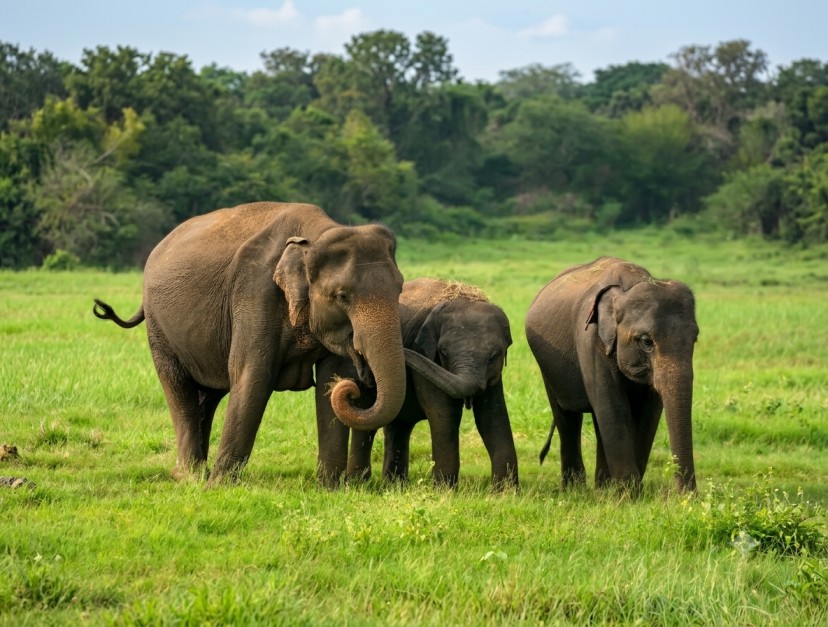
Imagine drifting silently across a glassy lake at dawn, a light mist curling off the water, and then — just beyond the treeline — an elephant steps to the bank to drink. No zoo enclosure, no fences, no performance. Just life, raw and unhurried, playing out exactly as it has for thousands of years. That's Thekkady for you. Nestled deep in the Cardamom Hills of Kerala at an altitude of around 900 metres, the Periyar Wildlife Sanctuary is not just a forest reserve — it's a living, breathing world that pulls you out of your own and drops you into something far older and far more beautiful. Once you've sat on that boat and watched a herd of wild elephants emerge from the jungle, you don't quite go back to being the same person
🌿 Periyar Wildlife Sanctuary (Thekkady), Kerala – Where the Wild Calls You In
📖 Introduction
Imagine drifting silently across a glassy lake at dawn, a light mist curling off the water, and then — just beyond the treeline — an elephant steps to the bank to drink. No zoo enclosure, no fences, no performance. Just life, raw and unhurried, playing out exactly as it has for thousands of years. That's Thekkady for you. Nestled deep in the Cardamom Hills of Kerala at an altitude of around 900 metres, the Periyar Wildlife Sanctuary is not just a forest reserve — it's a living, breathing world that pulls you out of your own and drops you into something far older and far more beautiful. Once you've sat on that boat and watched a herd of wild elephants emerge from the jungle, you don't quite go back to being the same person.
🏛️ A Little Bit of History First
The story of Periyar begins with water. In 1895, the British colonial administration built the Mullaperiyar Dam, flooding a vast valley and creating the stunning reservoir that now lies at the heart of the sanctuary. What could have been a loss for the forest turned into one of nature's happy accidents — the artificial lake became a permanent water source that drew wildlife from across the hills, transforming the area into one of the richest wildlife corridors in South Asia.
The sanctuary was established as a game reserve in 1934, and then declared a full Wildlife Sanctuary in 1950. In 1978, it received one of its most important honours — it was designated a Tiger Reserve under Project Tiger, recognising the critical role it plays in protecting India's most iconic predator. Over the decades, Periyar has become a model for community-based conservation, with former poachers trained as eco-guides and tribal communities becoming the sanctuary's most dedicated protectors. It is today one of the finest examples of how wildlife conservation and human livelihoods can genuinely coexist.
🌲 The Attractions That Will Leave You Breathless
🚤 Periyar Lake Boat Ride
The Periyar Lake Boat Ride is the soul of any visit here. Early morning cruises on the tranquil reservoir offer extraordinary wildlife sightings — herds of wild elephants bathing on the banks, sambar deer grazing at the water's edge, giant squirrels leaping through the canopy, and if you're very lucky, the distant silhouette of a tiger threading through the undergrowth. The silence on the lake, broken only by birdsong, is something you'll remember long after you've returned home.
🥾 Jungle Treks
For those who want to go deeper, jungle treks with trained tribal guides are an absolute must. These are not manicured walking paths — they take you into the heart of the forest, along game trails and through spice-scented undergrowth, reading the language of tracks, calls, and broken branches. The border hiking trail and the tiger trail are for the serious adventurer, covering rugged terrain that rewards you with intimate encounters with the wild.
🎋 Bamboo Rafting
Bamboo rafting on the forest streams is a quieter, more meditative experience — drifting past riverside vegetation while guides point out birds, reptiles, and the occasional otter. The Periyar Tiger Reserve Nature Walk at dawn is perfect for birdwatchers — over 265 species have been recorded here, including Malabar grey hornbills, darters, and the majestic crested serpent eagle.
🌄 Gavi Eco-Tourism Zone
Don't miss the Gavi Eco-Tourism Zone, a remote stretch of the sanctuary accessible by a forest jeep ride, offering pristine grasslands, shola forests, and a serenity that feels almost otherworldly. And the spice plantation tours on the fringes of Thekkady — where cardamom, pepper, cinnamon, and clove grow in lush, fragrant profusion — offer a completely different kind of richness to the visit.
🎭 Culture, People, and Food
Thekkady sits at the crossroads of Kerala and Tamil Nadu, and its culture reflects this beautifully layered border identity. The Mannans and Paliyars, ancient tribal communities, have lived in and around these forests for generations. Their knowledge of the forest is encyclopaedic — and today, many serve as eco-guides, weaving their ancestral wisdom into every trail they lead. A walk with them is not just a nature experience; it is a lesson in a way of seeing the world that modern life has largely forgotten.
Kerala's culinary magic shines in Thekkady. Every meal feels like it's been cooked by someone who genuinely cares. Begin your day with appam and vegetable stew — the lacy, fermented rice crepes paired with a delicate coconut milk curry are impossibly comforting in the cool mountain air. Fresh Kerala fish curry, rice, and avial (a mixed vegetable dish in coconut and yoghurt) are staples you should not miss. And given that you're in the heart of spice country, expect your food to carry a warmth and depth of flavour you won't find elsewhere.
Pick up fresh cardamom, pepper, and star anise from the local markets as souvenirs — the aromas are intoxicating, and back home, every time you open the packet, Thekkady comes rushing back.
📅 Best Time to Visit
Periyar is a year-round destination, with each season offering something distinct. September to March is the most popular window — the weather is pleasantly cool, the forest is lush from the monsoon rains, and wildlife activity around the lake is at its peak. April to June is warmer but still perfectly manageable, and the dry conditions often push animals closer to the water, making wildlife sightings even more frequent. The monsoon months (July–August) drench the forest in extraordinary green, though some trails may be closed — a trade-off worth considering.
🚗 How to Get There
By Air: The nearest airport is Cochin International Airport (COK), approximately 190 km away and well-connected to major Indian cities and international destinations. From Kochi, taxis and buses make the scenic 4–5 hour journey through the Western Ghats to Thekkady.
By Rail: The closest railway stations are Kottayam (KTM) and Ernakulam (ERS), both around 115–120 km from Thekkady. Frequent trains connect these stations to Chennai, Mumbai, Delhi, and Bengaluru. From the stations, state buses and private taxis cover the remaining distance through stunning ghat roads.
By Road: Kerala State Road Transport Corporation (KSRTC) runs regular buses to Thekkady from Kochi, Kottayam, Madurai, and Coimbatore. If you're self-driving, the ghat road approach through the Cardamom Hills is one of the most spectacular drives in South India — hairpin bends, misty valleys, and spice-garden vistas at every turn.
📍 Nearby Places Worth Exploring
The region surrounding Thekkady is extraordinarily rich. Munnar, Kerala's most famous hill station with its endless tea estates, is just 1.5–2 hours away and makes for a perfect pairing with a Thekkady trip. Vagamon, a quieter meadow retreat, is about 2.5 hours away. The Sabarimala pilgrimage temple is approximately 100 km north, one of the most visited shrines in the world. And over the border in Tamil Nadu, Kodaikanal is about 4 hours away — an entirely different but equally enchanting hill station.
🧭 A Few Travel Tips Before You Go
Book your boat ride and trek permits well in advance, especially during peak season — slots fill up quickly and walk-in availability can be limited. Wear muted, earthy colours on wildlife trails to avoid startling animals. Carry a light jacket — mornings and evenings on the lake can be surprisingly cool. Respect the forest: no littering, no loud voices, no sudden movements near wildlife. And carry insect repellent for the evening hours.
🌟 Why You Simply Must Visit Periyar
There are destinations you visit, and then there are destinations that visit you — that leave something behind long after you've gone home. Periyar is the latter kind. It is a place where the wild world still holds the upper hand, where a morning on a forest lake can genuinely change the way you look at the planet, and where the silence between the trees carries a weight and a peace that no city can offer.
Whether you're a wildlife enthusiast hoping to spot a tiger, a birdwatcher with a life-list and a long lens, a couple looking for something more meaningful than a beach holiday, or simply someone who needs to remember that the world is vast and beautiful and full of creatures going about their ancient lives — Thekkady will meet you where you are.
Pack your binoculars, lace up your walking shoes, and let the forest do what it does best. It will speak to you in a language older than words — and you will understand every word of it.