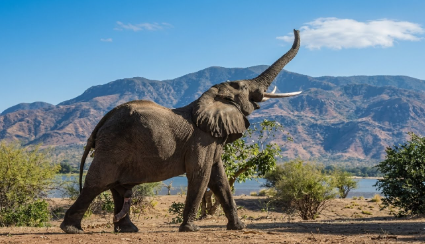
Rajaji-National-Park : The Wild Gateway To The Himalayas
Rajaji National Park stands as one of the most ecologically significant and scenically diverse destinations in northern India, representing a vast and largely undisturbed wilderness of sal forests, riverine grasslands, and forested ridgelines that stretch across the foothills of the Shivalik range in the state of Uttarakhand. Situated across the districts of Haridwar, Dehradun, and Pauri Garhwal, the park sprawls over an expansive area that encompasses the upper reaches of the Ganges river corridor and the forested terrain between the holy cities of Haridwar and Rishikesh. The destination draws wildlife enthusiasts, nature travelers, and pilgrimage visitors from across the country, offering a landscape defined by dense stands of sal and teak, open riverine corridors, seasonal streams known locally as raus, and an atmosphere of forested wildness that exists in remarkable proximity to some of the most visited spiritual destinations in India.
🐘 Rajaji National Park (Uttarakhand)
📍 Location
Rajaji National Park (Uttarakhand)
🌿 Ecosystem
Sal Forests, Riverine Grasslands & Shivalik Foothills
🐘 Wildlife Focus
Elephant Habitat & Tiger Reserve
🏞️ Key Attraction
Chilla Range & Ganges River Corridor
🌳 Overview
Rajaji National Park stands as one of the most ecologically significant and scenically diverse destinations in northern India, representing a vast and largely undisturbed wilderness of sal forests, riverine grasslands, and forested ridgelines that stretch across the foothills of the Shivalik range in the state of Uttarakhand. Situated across the districts of Haridwar, Dehradun, and Pauri Garhwal, the park sprawls over an expansive area that encompasses the upper reaches of the Ganges river corridor and the forested terrain between the holy cities of Haridwar and Rishikesh. The destination draws wildlife enthusiasts, nature travelers, and pilgrimage visitors from across the country, offering a landscape defined by dense stands of sal and teak, open riverine corridors, seasonal streams known locally as raus, and an atmosphere of forested wildness that exists in remarkable proximity to some of the most visited spiritual destinations in India.
What distinguishes Rajaji National Park from other wildlife destinations in northern India is not merely its biodiversity or its scenic forest character, but the unique combination of wildlife richness, elephant corridor importance, and cultural proximity embedded within this expansive and varied landscape. The park is one of the most important elephant habitats in the Himalayan foothills, forming a critical part of the larger elephant reserve that connects the forests of Corbett to the east and extending the protected corridor along the Shivalik range. This layered character elevates Rajaji beyond a simple wildlife reserve into a destination of genuine ecological importance and natural discovery.
⭐ Why Visit Rajaji National Park
The recognition of Rajaji as a Tiger Reserve under Project Tiger, in addition to its status as a national park, reflects its unparalleled importance within the wildlife conservation landscape of northern India. Unlike single-species destinations or highly commercialized safari parks, Rajaji offers a cohesive experience where dense sal forest, open grassland corridors, elephant herds, and the majestic sweep of the Ganges river valley work together to create a deeply immersive and rewarding wildlife destination.
One of the most compelling reasons to visit is the remarkable accessibility of elephant sightings within the park. Rajaji sustains one of the largest elephant populations in the Shivalik range, and its forested river valleys and grassland edges provide reliable habitat where herds move with considerable freedom across the landscape. The sight of wild elephants crossing the shallow braided channels of the Ganges or moving through the open sal forest in the early morning light offers an encounter with wild India that is both immediate and deeply memorable.
Additionally, Rajaji showcases a strong sense of geographical and cultural context, positioned at the precise point where the Himalayan foothills descend into the sacred plains of the Ganga and where some of India's most important pilgrimage cities sit at the very boundary of a functioning wilderness. The combination of wildlife richness, river landscape beauty, and easy access from Haridwar, Rishikesh, and Dehradun further strengthens its appeal as a meaningful and well-rounded destination for nature travelers in the Uttarakhand region.
🏞️ Key Highlights Within the Area
Among the natural landmarks, the Chilla range on the eastern bank of the Ganges stands out as the most iconic and wildlife-productive feature of the park. Defined by extensive sal forest corridors, open scrub grasslands, and the broad gravel banks of the Ganges flowing along its western boundary, the Chilla range provides prime habitat for elephants, tigers, leopards, and a remarkable diversity of deer and smaller mammals. The visual experience of watching wild elephants move across the open terrain of Chilla against the backdrop of the Himalayan foothills is among the most distinctive wildlife encounters available in northern India.
The Motichur and Ramanagar ranges, accessible from the Haridwar side of the park, are another significant highlight. These denser and more heavily forested sections of the park support leopard, sloth bear, and sambar in considerable numbers, and their network of forest tracks offers a more intimate and canopied alternative to the open vistas of Chilla, providing a compelling combination of forest atmosphere and wildlife potential in a single extended landscape.
The Ganges river corridor running through and alongside the park is one of the most scenically distinctive features of Rajaji, with the sacred river here flowing in wide, shallow braids across gravel beds flanked by forest on both banks. This riverine setting draws not only wildlife but also the Gangetic dolphin and a remarkable diversity of riverine bird species, adding a unique aquatic dimension to the park's wildlife offering.
The visual experience of Rajaji changes considerably with the seasons, as the post-monsoon months bring a lush and vivid green to the sal forest while the dry months of summer thin the vegetation and concentrate wildlife near water sources, dramatically improving sighting opportunities across the park's open terrain.
🚙 Activities
Jeep safaris through the Chilla and Motichur ranges are the primary activities at Rajaji National Park, with early morning and late afternoon slots offering the best opportunities to observe elephants, leopards, sambar, and spotted deer moving through the forest and grassland corridors. These safaris, conducted along designated forest tracks with trained naturalist guides, provide an immersive and expertly managed introduction to the park's diverse wildlife and varied terrain.
Elephant safaris, where available through the forest department, offer an alternative and particularly atmospheric way to experience the denser forest zones of the park, allowing quiet movement through terrain that jeep tracks do not reach and providing a unique vantage point for observing wildlife undisturbed by the sound of an engine.
Birdwatching is a particularly rewarding pursuit within Rajaji, with the park supporting an impressive diversity of species including the crested serpent eagle, pied kingfisher, greater flameback woodpecker, red junglefowl, and various species of hornbill along the forest edges. The riverine zones along the Ganges are especially productive for waterfowl and wading birds, making early morning walks along the river bank a highly rewarding complement to the jeep safari experience.
Visiting the Van Gujjar tribal settlements in and around the park buffer zone offers a meaningful cultural dimension to the visit, as this semi-nomadic pastoral community has lived alongside the forests of the Shivalik range for generations, their traditional way of life forming an inseparable part of the human ecology of this landscape.
☀️ Best Time to Visit
The most favorable period to visit Rajaji National Park is from November to June, when the park is open to visitors and wildlife sightings are at their most reliable across the major ranges. During these months, the gradually thinning vegetation and increasingly warm temperatures concentrate animals near the rivers and permanent water sources, making encounters with elephants, deer, and predators considerably more frequent and predictable.
The dry months of March to June are particularly productive for wildlife observation, as the sal forest sheds much of its undergrowth and the open riverine terrain of Chilla becomes especially active with elephant herds moving toward the Ganges in the warmth of the morning and evening hours. The clear skies of this period also offer sharp views of the Himalayan foothills rising beyond the northern boundary of the park.
The monsoon season from July to October brings heavy rainfall to the Shivalik range and the park remains closed to visitors during this period, as forest tracks become waterlogged and the seasonal streams swell considerably, though the landscape emerges from the rains in a state of vivid natural renewal.
🚗 Connectivity
Rajaji National Park is conveniently accessible from several major urban centers in northern India, with its multiple entry points spread across the districts of Haridwar, Dehradun, and Pauri Garhwal allowing visitors to approach from different directions depending on their itinerary. Haridwar, situated adjacent to the southern boundary of the park, serves as the most practical and well-connected gateway, with regular train services from Delhi, Dehradun, and other major cities making it one of the most accessible national park gateways in the country.
Dehradun, located approximately 55 kilometres from the Chilla range and served by the Jolly Grant Airport with regular flights from Delhi and other major cities, provides a comfortable and well-equipped base city for visitors approaching from the west. Road connectivity from Delhi, Haridwar, Rishikesh, and Dehradun is efficient and well maintained, with the national highway network placing the park within a comfortable five to six hour drive from the capital. This makes Rajaji National Park a highly practical inclusion in northern India wildlife and pilgrimage itineraries, as well as a natural companion destination for travelers combining a wildlife experience with the spiritual atmosphere of nearby Haridwar and Rishikesh.