Chamba
Himachal Pradesh's Historic Himalayan Town of Temples, Heritage, and Natural Beauty
📍Introduction
Nestled along the banks of the Ravi River in the Chamba district of Himachal Pradesh, Chamba is one of the oldest and most culturally significant hill towns in northern India. Established in the 10th century CE by King Sahil Varman, the town lies at an altitude of approximately 996 meters (3,268 feet) above sea level and is surrounded by the majestic Dhauladhar, Pir Panjal, and Zanskar mountain ranges. Renowned for its ancient temples, royal palaces, vibrant festivals, traditional handicrafts, and breathtaking Himalayan scenery, Chamba offers a perfect blend of history, spirituality, culture, and nature. Chamba tourism attracts families, couples, solo travelers, history enthusiasts, photographers, pilgrims, and adventure seekers looking to experience the authentic charm of Himachal Pradesh.
🏞️Natural Beauty and Landscapes
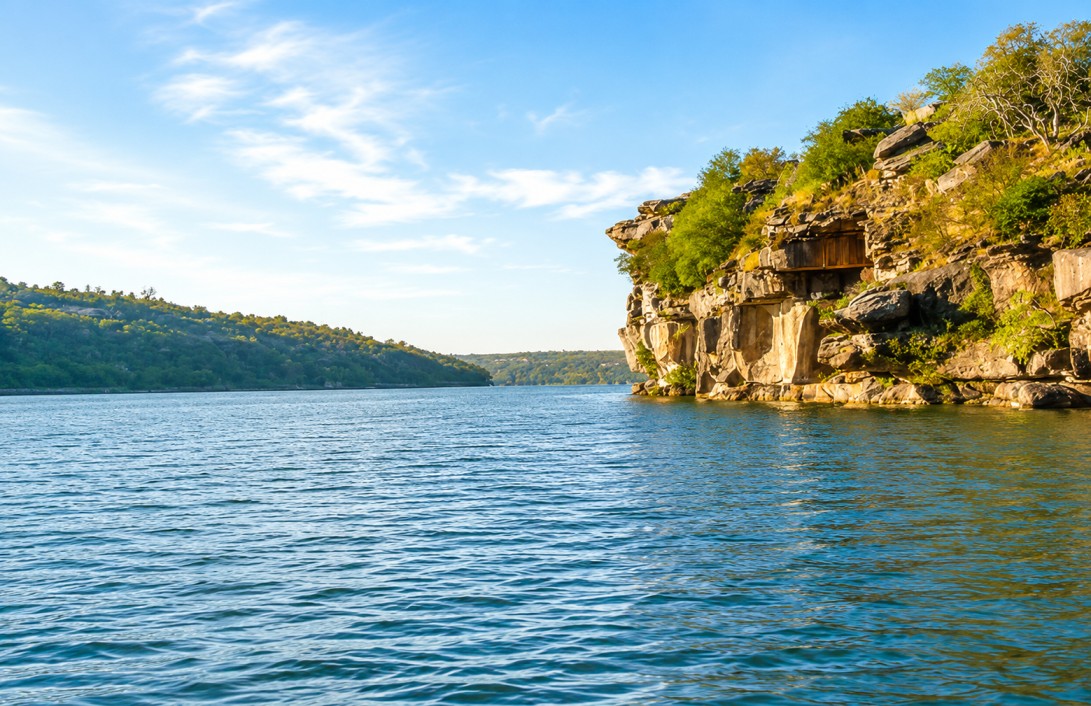
Chamba is blessed with spectacular natural surroundings that make it one of the most picturesque destinations in the western Himalayas. The crystal-clear Ravi River flows gracefully through the valley, while snow-capped peaks, lush green forests, terraced fields, and apple orchards create breathtaking landscapes throughout the year.
The town enjoys a pleasant climate, with colorful flowers blooming during spring and dense greenery covering the surrounding hills in summer. Autumn paints the valleys in warm golden hues, while winter brings snowfall to the nearby higher elevations, offering magnificent mountain views.
Several scenic viewpoints around Chamba provide panoramic vistas of the Himalayan ranges, deep valleys, and traditional villages, making the town a paradise for landscape photographers and nature lovers.
📜History and Cultural Significance
Chamba has a rich history dating back over 1,000 years. Founded in 920 CE by King Sahil Varman, the town became the capital of the ancient Chamba Kingdom and remained an important center of administration, trade, art, and religion for centuries.
👑 A Princess's Namesake
The town derives its name from Princess Champavati, the beloved daughter of King Sahil Varman. According to local tradition, the king established the town in her honor after shifting his capital from Bharmour to its present location.
Chamba has preserved its unique cultural identity through centuries of royal patronage. Ancient temples, historic palaces, stone sculptures, traditional architecture, miniature paintings, and folk music continue to reflect the region's glorious heritage. The famous Minjar Festival, celebrated every year, showcases Chamba's vibrant traditions through colorful processions, folk dances, music, and religious ceremonies.
🗺️Major Attractions
One of Chamba's most famous landmarks is the Lakshmi Narayan Temple Complex, a group of ancient temples built between the 10th and 11th centuries that represent classic North Indian temple architecture. Another important attraction is the Chamunda Devi Temple, which offers magnificent views of the town and surrounding mountains.
The beautiful Chaugan, a large open meadow in the heart of the town, serves as Chamba's cultural and recreational center, hosting fairs, festivals, and community events throughout the year.
History enthusiasts can visit the Bhuri Singh Museum, which houses an impressive collection of Chamba miniature paintings, ancient manuscripts, royal artifacts, sculptures, and archaeological treasures.
⭐ Nearby Highlights
Nearby attractions include Khajjiar, often called the "Mini Switzerland of India," Bharmour, Manimahesh Lake, Sach Pass, Dalhousie, Kalatop Wildlife Sanctuary, and Chamera Lake, making Chamba an excellent base for exploring western Himachal Pradesh.
🥾Adventure Activities and Local Experiences
Chamba offers a wide variety of outdoor and cultural experiences. Visitors can enjoy trekking, camping, nature walks, mountain photography, birdwatching, riverbank excursions, and village tours in the surrounding Himalayan landscapes.
The nearby mountains provide excellent trekking routes leading to alpine meadows, glaciers, and sacred pilgrimage sites such as Manimahesh Lake. Photography enthusiasts can capture ancient temples, traditional wooden houses, colorful festivals, lush valleys, and panoramic Himalayan vistas.
Exploring local markets, attending cultural festivals, and interacting with artisans provide travelers with a deeper understanding of Chamba's rich heritage and traditions.
🦌Wildlife, Cuisine, and Shopping
The forests surrounding Chamba support diverse Himalayan wildlife, including Himalayan black bears, leopards, musk deer, ghorals, Himalayan monals, pheasants, eagles, and numerous migratory bird species. Nearby protected areas such as Kalatop Wildlife Sanctuary offer additional opportunities for wildlife observation.
Visitors can savor authentic Himachali cuisine, including Madra, Chha Gosht, Siddu, Babru, Tudkiya Bhath, Rajma Chawal, Patande, Aktori, and locally prepared sweets. Fresh apples, walnuts, honey, and herbal products are also popular regional specialties.
Nearby Places To Explore