```html
🏔️ Munsyari, Uttarakhand – Where the Himalayas Begin to Whisper
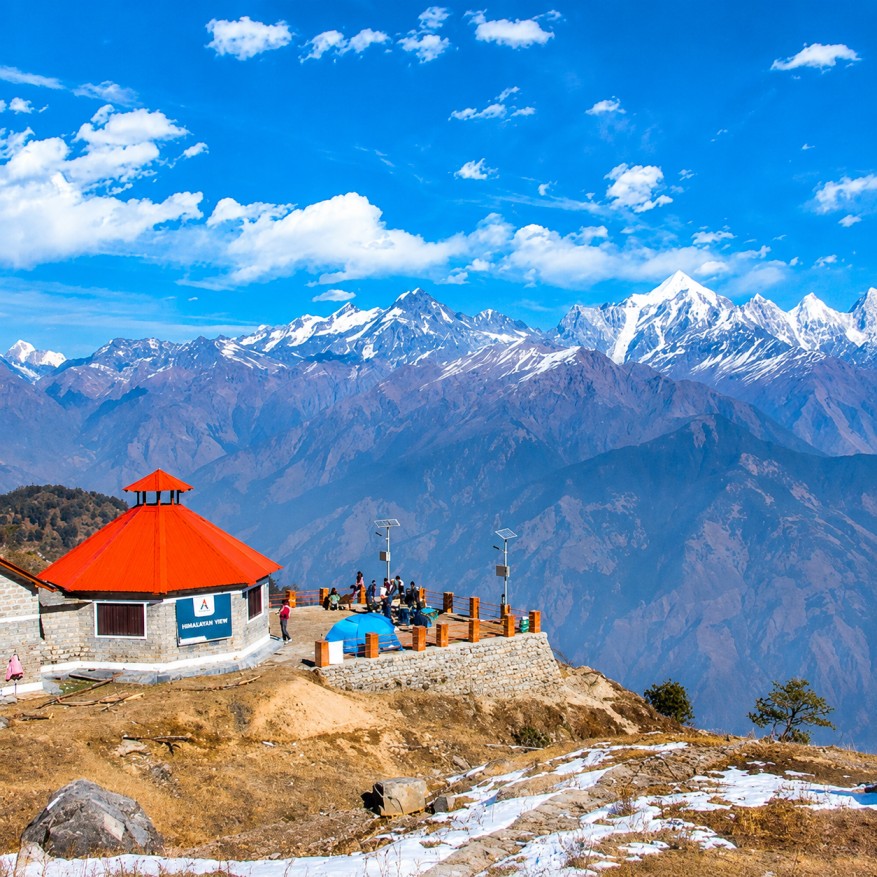
Imagine waking up to a wall of snow-clad peaks glowing rose-gold in the first light of dawn, the air so crisp and clean it feels like drinking from a mountain spring, and nothing but the distant sound of a river threading through pine forests far below. That's Munsyari for you — not just a hill town, but a threshold. Perched at an altitude of approximately 2,200 metres above sea level in the Pithoragarh district of Uttarakhand, this remote and breathtakingly beautiful destination sits at the very edge of the Himalayan frontier, where India ends and the great mountain wilderness begins. Those who find their way here rarely leave without a piece of Munsyari in their hearts, and most return — drawn back by the mountains as if by a quiet, irresistible summons.
📜 A Little Bit of History First
Munsyari's story is as rugged and layered as the mountains that surround it. The name is believed to derive from a local phrase meaning "a place with snow," and the town has earned that title honestly — the five towering peaks of the Panchachuli range, rising dramatically to over 6,000 metres, stand sentinel over the town like ancient guardians. The Bhotiya community, a hardy trans-Himalayan people with deep cultural ties to both India and Tibet, have called this region home for centuries. They were the original traders of the Johar Valley, carrying goods along ancient routes between India and Tibet through the high mountain passes above Munsyari — a trade that came to an abrupt end following the Sino-Indian conflict of 1962. The echoes of that extraordinary cross-cultural heritage survive in the local customs, crafts, and the warm resilience of the people who remain.
✨ The Attractions That Will Leave You Breathless
The Panchachuli Peaks are Munsyari's defining glory. These five magnificent summits — named after the mythological five cooking fires of the Pandavas from the Mahabharata — rise in a dramatic row directly above the town, and on clear mornings, they turn every ordinary moment into something sacred. No photograph fully captures what it feels like to stand in Munsyari's meadows and watch those peaks catch the first and last light of the day.
The Birthi Falls, cascading nearly 400 feet down a sheer rock face approximately 35 kilometres from Munsyari, are one of the most spectacular waterfalls in Uttarakhand — thundering, mist-shrouded, and completely overwhelming in their raw power. The drive to Birthi through the Kalamuni Pass offers some of the finest mountain scenery in the entire Kumaon Himalaya.
The Tribal Heritage Museum in Munsyari town is a hidden gem — a small but extraordinary collection of Bhotiya artifacts, traditional costumes, tools, and Trans-Himalayan trade items that bring the rich cultural history of the Johar Valley vividly to life. The Nanda Devi Temple, dedicated to the presiding goddess of the Kumaon Himalayas, sits at the heart of the town and draws pilgrims during the celebrated Nanda Devi Raj Jat Yatra.
For trekkers, Munsyari is an unrivalled gateway. The trails to Khaliya Top, Milam Glacier, and Ralam Glacier rank among the finest high-altitude trekking routes in India, passing through alpine meadows, ancient forests, and remote villages where traditional mountain life continues unchanged.
🏔️ Panchachuli Peaks
The Panchachuli Peaks are Munsyari's defining glory. These five magnificent summits — named after the mythological five cooking fires of the Pandavas from the Mahabharata — rise in a dramatic row directly above the town, and on clear mornings, they turn every ordinary moment into something sacred. No photograph fully captures what it feels like to stand in Munsyari's meadows and watch those peaks catch the first and last light of the day.
💧 Birthi Falls
The Birthi Falls, cascading nearly 400 feet down a sheer rock face approximately 35 kilometres from Munsyari, are one of the most spectacular waterfalls in Uttarakhand — thundering, mist-shrouded, and completely overwhelming in their raw power. The drive to Birthi through the Kalamuni Pass offers some of the finest mountain scenery in the entire Kumaon Himalaya.
🥾 Trekking Gateway
For trekkers, Munsyari is an unrivalled gateway. The trails to Khaliya Top, Milam Glacier, and Ralam Glacier rank among the finest high-altitude trekking routes in India, passing through alpine meadows, ancient forests, and remote villages where traditional mountain life continues unchanged.
🎭 Culture, People, and Food
Munsyari has a soul shaped by the mountains and the ancient Bhotiya trading culture. The local people carry a natural dignity and warmth that is immediately apparent — unhurried, self-reliant, and deeply connected to the rhythms of the high Himalayan environment. The town's markets sell traditional Bhotiya woollen shawls, hand-knitted socks, and locally crafted items that make for far more meaningful souvenirs than factory-made trinkets.
When it comes to food, Munsyari offers simple, nourishing mountain cuisine. Aloo ke Gutke — spiced local potatoes cooked with Himalayan spices — is the definitive local dish and utterly satisfying after a day on the trails. Bhatt ki Churkani, a hearty black soybean curry, and Chainsoo, a lentil preparation unique to Kumaon, reflect the depth of the local food culture. Local dhabas serve freshly made rotis, rice, and dal that taste extraordinary in mountain air. Fresh local honey, Himalayan herbal teas, and wild berry jams are worth taking home.
📅 Best Time to Visit
The finest time to visit Munsyari is from April to June, when the snow line retreats to the higher peaks, alpine meadows burst into wildflower bloom, and the Panchachuli panorama is at its clearest and most magnificent. Trekking conditions are ideal during these months, and the weather is pleasantly cool. September to November brings crystal skies after the monsoon, spectacular autumn colours in the forests, and exceptional clarity for mountain photography. Monsoon months from July to August drench the landscape in an extraordinary green but bring landslide risks on mountain roads. December to February is the season of deep snow and bitter cold — best left to the experienced winter adventurer who knows what they're walking into.
🚗 How to Get There
✈️ By Air
By Air: The nearest airport is Pantnagar Airport, approximately 275 kilometres from Munsyari. Flights connect Pantnagar to Delhi, from where road transport continues the journey.
🚆 By Rail
By Rail: The closest railway station is Kathgodam, approximately 275 kilometres away, well-connected to Delhi and Lucknow. From Kathgodam, the road journey to Munsyari takes approximately 10 to 12 hours through the mountains of Kumaon.
🛣️ By Road
By Road: The road journey to Munsyari is an adventure in itself, passing through Almora, Bageshwar, and Thal before climbing spectacularly to the town. State buses operate from Haldwani and Almora, while shared cabs and private vehicles offer more flexible options for the winding mountain roads.
📍 Nearby Places Worth Exploring
The surrounding Johar Valley is deeply rewarding for those with time to explore. Darkot village, just a short distance from Munsyari, offers a glimpse into authentic Bhotiya community life and traditional Himalayan architecture. The drive to Kalamuni Top at around 3,000 metres delivers sweeping views across multiple Himalayan ranges. Pithoragarh, the district headquarters roughly 130 kilometres away, is a charming Kumaoni town with its own fort, temples, and mountain views. And for serious trekkers, the routes towards Milam and Ralam glaciers represent some of the last great wilderness journeys available in the Indian Himalaya.
Recommended Places
Khaliya Top
Birthi Falls
```