The Majestic Garh Palace – Rajasthan's Underrated Wonder
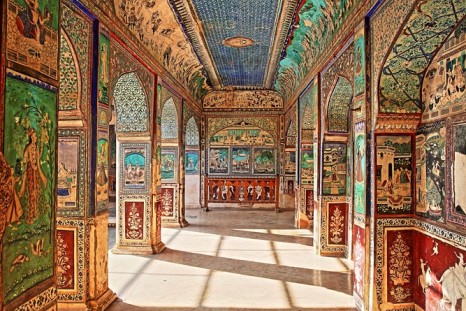
Garh Palace stands as one of the most architecturally splendid and artistically celebrated heritage destinations in Rajasthan, representing the magnificent royal residence of the Hada Chauhan rulers of Bundi whose honey-colored sandstone facades, intricately painted interior chambers, and dramatic hillside position together compose one of the finest examples of traditional Rajput palace architecture surviving anywhere in the state, a building so admired by the writer Rudyard Kipling that he is said to have described it as belonging more to the world of fairy tales and dreams than to ordinary architecture. Situated on the steep hillside immediately below Taragarh Fort in Bundi town in the Bundi district of Rajasthan, Garh Palace was constructed in stages by successive rulers of the Hada Chauhan dynasty beginning in the early seventeenth century, its multiple courtyards, ornate balconies, and a remarkable series of frescoed chambers climbing the hillside in an architectural composition of considerable visual drama and historical depth. The destination draws history enthusiasts, art lovers, and heritage travelers from across the country and the world, offering an encounter with a palace celebrated above all for the extraordinary quality and extent of its mural paintings, which together constitute one of the finest and most extensive collections of traditional Rajasthani miniature-style wall painting found in any palace in the entire region.
Garh Palace, Bundi
A hillside fortress of honey-colored sandstone, painted chambers, and Hada Chauhan legacy
🏰 Overview
Garh Palace stands as one of the most architecturally splendid and artistically celebrated heritage destinations in Rajasthan, representing the magnificent royal residence of the Hada Chauhan rulers of Bundi whose honey-colored sandstone facades, intricately painted interior chambers, and dramatic hillside position together compose one of the finest examples of traditional Rajput palace architecture surviving anywhere in the state, a building so admired by the writer Rudyard Kipling that he is said to have described it as belonging more to the world of fairy tales and dreams than to ordinary architecture.
Situated on the steep hillside immediately below Taragarh Fort in Bundi town in the Bundi district of Rajasthan, Garh Palace was constructed in stages by successive rulers of the Hada Chauhan dynasty beginning in the early seventeenth century, its multiple courtyards, ornate balconies, and a remarkable series of frescoed chambers climbing the hillside in an architectural composition of considerable visual drama and historical depth.
The destination draws history enthusiasts, art lovers, and heritage travelers from across the country and the world, offering an encounter with a palace celebrated above all for the extraordinary quality and extent of its mural paintings, which together constitute one of the finest and most extensive collections of traditional Rajasthani miniature-style wall painting found in any palace in the entire region.
✨ Why Visit Garh Palace
The recognition of Garh Palace as one of the most artistically significant royal residences in Rajasthan reflects its unparalleled importance within the painted heritage landscape of the state, the Bundi school of miniature painting having developed a distinctive style of considerable refinement that found its most complete and ambitious expression on the walls and ceilings of this very palace.
🎨 The Chitrashala
One of the most compelling reasons to visit is the Chitrashala, a dedicated gallery of paintings within the palace complex housing an exceptional collection of murals depicting scenes of court life, hunting expeditions, religious themes, and the celebrated love stories of Radha and Krishna, rendered in the distinctive Bundi style with its characteristic use of vivid blues and greens and a particular attentiveness to the depiction of the surrounding natural landscape.
🏛️ Hillside Architecture
The architectural complexity of the palace itself, with its successive courtyards and chambers ascending the steep hillside in a composition that responds directly to the dramatic topography of the site, offers a highlight of considerable structural and aesthetic interest, the building seeming to grow organically from the rock of the hill on which it stands.
📜 A Rewarding, Uncrowded Heritage
The combination of exceptional mural painting, architectural grandeur, the considerable literary association with Kipling's admiring description, and the relatively uncrowded atmosphere of a palace that remains significantly less visited than its remarkable artistic heritage deserves further strengthens its appeal as one of the most deeply rewarding heritage experiences available in Rajasthan.
🗺️ Key Highlights Within the Area
🖼️ Chitrashala Gallery
The Chitrashala gallery stands out as the single most celebrated feature of Garh Palace, its painted chambers preserving an extraordinary collection of Bundi school murals whose quality, extent, and state of preservation make this section of the palace one of the most important repositories of traditional Rajasthani painting anywhere in the state.
🐘 Hathi Pol (Elephant Gate)
The Hathi Pol, the elaborately carved elephant gate marking the principal entrance to the palace complex, offers a highlight of considerable architectural grandeur, its scale and decorative carving announcing the royal significance of the building beyond.
🏯 Successive Courtyards & Chambers
The successive courtyards and chambers of the palace, climbing the hillside in a sequence of increasingly private and ornately decorated spaces, provide a highlight of structural and historical interest, allowing visitors to trace the architectural evolution of the palace across the reigns of successive Hada Chauhan rulers.
🌄 Panoramic Views of Bundi
The views from the upper sections of the palace across Bundi town below add a further scenic dimension to the visit, the blue-washed houses of the old city spreading out beneath the palace walls in a vista of considerable beauty.
🎭 Activities
Exploring the painted chambers of the Chitrashala and the successive courtyards of the palace is the primary and most rewarding activity at Garh Palace, allowing visitors to engage closely with one of the finest collections of traditional Rajasthani mural art found anywhere in the state.
Photography of the painted interiors and the palace's distinctive sandstone architecture, where permitted, is a popular pursuit among heritage and art enthusiasts.
🧭 Practical Information
🔗 Connectivity
Garh Palace is situated in the heart of Bundi town, easily accessible on foot from the town's other major heritage sites. Bundi is connected by road to Kota, situated approximately 35 kilometres away and serving as the nearest major railway junction with regular services from Delhi, Mumbai, and Jaipur, making Garh Palace a centerpiece of any Bundi heritage itinerary alongside Taragarh Fort, the Rani Ji Ki Baori stepwell, and Sukh Mahal.
Hidden Gems Nearby [Garh Palace Rajashan]
- Taragarh Fort: Explore Bundi's Majestic Hilltop Fortress
-
Ranthambore-National-Park : Land Of The Royal Bengal Tiger
-
Pushkar : The Vibrant Camel Fair Of Rajasthan