Anamalai Tiger Reserve · Western Ghats · Tamil Nadu
Topslip, Tamil Nadu
Where the Wild Things Still Roam
A Gateway Into South India's Last Great Wildernesses
Forget mist-covered hill towns and souvenir shops for a moment. Picture instead a thick curtain of teak and bamboo forest, the distant trumpet of an elephant somewhere in the trees, and the kind of silence that only exists where the wild has been left mostly alone.
That's Topslip — not a town, not a resort destination, but a gateway into one of South India's last great wildernesses. Tucked inside the Anamalai Tiger Reserve in the Western Ghats of Tamil Nadu, Topslip sits at a modest altitude of around 240 metres, yet it feels worlds away from anywhere else in the state.
A Name Born of Logging History
Topslip's story begins, fittingly, with timber. During the colonial era, the East India Company discovered vast stands of teak in these forests, prized for shipbuilding and railway construction. Workers devised a clever system to move the felled trees downhill — cutting them up and "slipping" them from the top, with timber-hauling elephants carrying the logs the rest of the way. The name stuck, and what was once a logging outpost has since transformed into a protected wildlife zone. Commercial felling here stopped by the early 1970s, and the forest has been quietly reclaiming itself ever since.
🪦 Mount Stuart's Hill — A Moving Footnote
If you climb up to Mount Stuart's Hill nearby, you'll find the tomb of a forest officer who spent his life trying to regrow what had been cut down — a small, moving footnote in Topslip's history.
Wildlife That Will Take Your Breath Away
This is the real draw. Topslip is home to tigers, elephants, leopards, Indian gaur (bison), and over 300 species of birds, making it one of the richest biodiversity pockets in the Western Ghats.
The jungle safari is the star attraction — a roughly two-hour jeep ride deep into the reserve, where sightings of spotted deer, wild boar, and if luck favours you, a glimpse of a leopard or even a tiger, are entirely possible. Elephant safaris run daily between 10:30 AM and 3:30 PM, weather permitting, and offer rare chances to spot lion-tailed macaques and elusive big cats from a different vantage point altogether.
🐘 Kozhikamuthi Elephant Camp
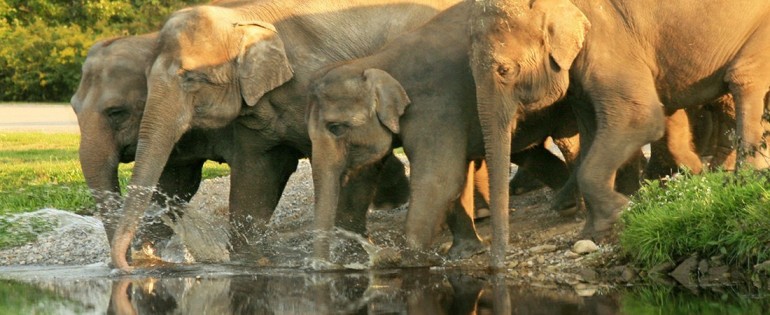
No visit is complete without stopping at the Kozhikamuthi Elephant Camp, an old training camp that once prepared elephants for logging work. Today, Malasar tribal families care for the elephants, training them as kumkis — calm, well-trained elephants used to manage wild ones that wander into trouble. Watching the elephants bathe in the river, splashing about after their daily feed, is oddly heartwarming — a glimpse into a relationship between people and animals that has lasted generations.
🥾 Guided Forest Treks
For those who'd rather walk than ride, guided treks of varying lengths wind through the forest — from easy two-hour strolls to demanding six-hour hikes.
Routes like Ambuli Watch, Kozhikammuthy, and Mt. Stuart cover anywhere from 4 to 15 kilometres, taking you through shola forest, past butterflies and birdsong, and up to ridgelines where the view stretches clean into Kerala. Some travellers even try forest bathing here — slow, mindful walks beneath the canopy, just breathing in the cool, green air.
People, Culture, and a Forest That Still Belongs to the Tribes
Topslip's identity is deeply tied to the indigenous Malasar community, whose knowledge of the forest and its elephants runs generations deep. Visiting their eco-shop near the entrance is worth your time — you'll find forest-harvested pepper, cardamom, wild honey, and tea, all processed by the tribal community itself, along with simple souvenirs that actually mean something.
📵 Leave the Signal Behind
There isn't much in the way of restaurants inside the reserve itself, so most visitors carry packed lunches or eat in nearby Pollachi before heading in. Don't expect Wi-Fi or mobile signal once you're inside — and honestly, that's part of the appeal.
Best Time to Visit
Cool winter weather — ideal for safaris and treks; peak wildlife activity.
Warmer but productive — animals gather near water sources, good for sightings.
Lush green forest; some safari routes restricted. Watch out for leeches on treks.
Winter, from November to February, is the most pleasant season, with cool weather that's ideal for safaris and treks. Summer, from March to May, runs warmer but is still good for wildlife sightings, since animals tend to gather near water sources. The monsoon months of June to September turn the forest lush and green, though some safari routes may be restricted — and if you're trekking during this time, carry something to deal with leeches.
How to Get There
By Air: The nearest airport is Coimbatore International Airport (CJB), well connected to major Indian cities and a few international destinations. From there, it's a scenic drive of a couple of hours to Topslip via Pollachi.
By Rail: Pollachi Junction is the closest railway station, connected to Coimbatore and other regional hubs. Taxis and local transport cover the remaining distance.
By Road: Topslip is roughly 35 km from Pollachi town. Bus services run from Pollachi to nearby Sethumadai, after which jeeps or shared vehicles complete the journey to Topslip. Driving yourself is also an option, and a fun one if you enjoy winding ghat roads.
A Few Things to Know Before You Go
- Topslip lies inside a protected forest, so entry requires a permit from the forest department, along with a nominal entry fee, with safari charges billed separately.
- Forest timings typically run from 7 AM to 4 PM, though this can shift with the season, so it helps to confirm locally before you plan your day.
- Carry a valid ID, wear sturdy shoes, and keep noise to a minimum during safaris — this is wildlife territory, not a theme park.
- If you're considering an overnight stay in the forest huts, know that accommodation here is basic and rustic rather than luxurious; pack accordingly and keep your expectations grounded in nature, not comfort.
Topslip lies inside a protected forest, so entry requires a permit from the forest department, along with a nominal entry fee, with safari charges billed separately. Forest timings typically run from 7 AM to 4 PM, though this can shift with the season, so it helps to confirm locally before you plan your day. Carry a valid ID, wear sturdy shoes, and keep noise to a minimum during safaris — this is wildlife territory, not a theme park. If you're considering an overnight stay in the forest huts, know that accommodation here is basic and rustic rather than luxurious; pack accordingly and keep your expectations grounded in nature, not comfort.
Explore The Surroundings [Topslip]
- Arimba-Hills : The Mini Ooty Of Kerela
- Ranipuram-Hills : The Ooty Of Kerela
- Ooty: The Paradise In The Hills
- Kovalam: The Coastal Paradise
- Parambikulam-Wildlife-Sanctuary
- Jallikattu-Festival