🏞️ Bhalukpong (Arunachal Pradesh)
📖 Overview
Bhalukpong stands as one of the most naturally generous and historically layered gateway destinations in northeastern India, a small town at the confluence of the Assam plains and the Eastern Himalayan foothills where the Kameng River — known downstream in Assam as the Jia Bhoreli — flows with a clarity and energy that has made it one of the finest rivers for white-water adventure and Mahseer angling in the entire northeast, and where the dense virgin forests of the surrounding hills shelter a biodiversity of extraordinary richness that includes tigers, elephants, hornbills, and the rare birds that have made this corner of western Arunachal Pradesh one of the most celebrated wildlife destinations in Asia. Situated in the West Kameng district of Arunachal Pradesh at an elevation of approximately 213 metres above sea level, approximately 52 kilometres north of Tezpur in Assam and approximately 100 kilometres south of Bomdila, Bhalukpong occupies the precise geographical and administrative threshold where the Indian plains end and the Himalayan world begins — a position that has given it its identity as the primary gateway to western Arunachal Pradesh and the most significant entry checkpoint on the Tezpur-Bomdila-Tawang tourist circuit.
The name Bhalukpong carries within it the memory of a ruler whose presence in the ancient historical record gives this small border town a mythological depth that belies its modest current scale.
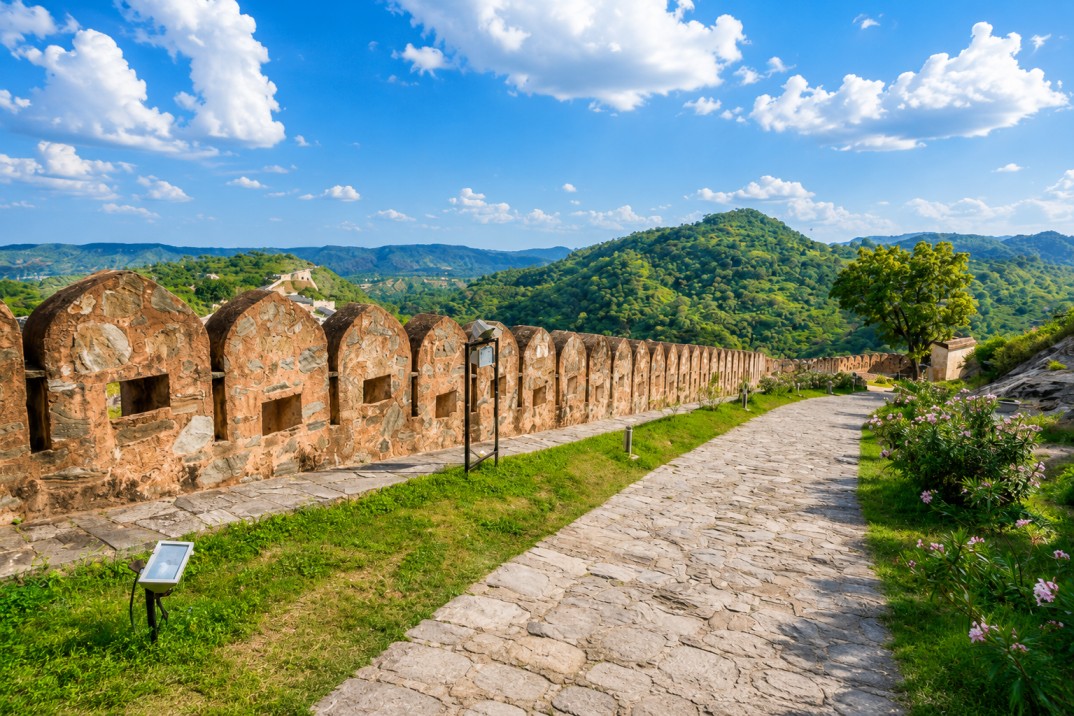
The town is named after King Bhaluka, an ancient ruler of the region whose fort — built in the tenth century CE on a hillock above the Bharali River and now in ruins but still partially visible — is the most tangible heritage landmark in the town.
King Bhaluka is identified in local tradition as the grandfather of King Bana — the demon king of the Mahabharata, the thousand-armed son of the god Shiva who ruled over the ancient city of Sonitpur, believed to correspond to the present-day area of Tezpur — a mythological lineage that connects Bhalukpong to one of the most celebrated episodes of the Mahabharata and gives the ruins of the fort a significance in the cultural memory of the northeastern Himalayan borderland far exceeding their modest physical remains.
The history of the broader Bhalukpong area through the medieval and early modern periods reflects the complex governance of the northeastern frontier — ruled by local tribal Aka rulers, subject to occasional political dominance from the kingdoms of Bhutan and Assam, largely left undisturbed by the Ahom rulers of Assam who maintained a policy of non-interference with the tribal communities of the hillside territory, and declared a restricted frontier area by the British administration in 1873 — a designation that preserved the surrounding forests and their indigenous communities from the commercial pressures that altered the character of more accessible parts of the northeast.
What distinguishes Bhalukpong from other entry-point towns on the Arunachal circuit is the richness of what it holds in its own right — the Kameng River with its white-water rapids and legendary Mahseer fishing, the Tipi Orchidarium with its extraordinary collection of orchid species, the Pakhui Tiger Reserve with its remarkable biodiversity, the ruins of the ancient fort, and the living culture of the Aka tribal community whose festivals, handicrafts, and traditions make the town as rewarding a cultural destination as a natural one.
🌟 Why Visit Bhalukpong
The most compelling reason to visit Bhalukpong is the quality of the transition it embodies and the completeness of the natural experience it offers at the very threshold of the Himalayan world.
Approaching from the Assam plains, the landscape shifts suddenly and dramatically at Bhalukpong — the flat agricultural country gives way to forested hills, the broad lowland rivers narrow and quicken, the air becomes cooler and more richly scented with forest vegetation, and the first sense of the Eastern Himalayan environment that will deepen and expand through the journey ahead announces itself with quiet but unmistakable power.
This quality of threshold — of being the place where one world ends and another begins — gives Bhalukpong a character and an emotional significance that pure scenic or heritage destinations rarely achieve.
Bhalukpong is also one of the finest adventure destinations in northeastern India in its own right, independent of its gateway role.
📍 Key Highlights Within the Area
The Kameng River, flowing fast and clear through the forested valley beside the town, is the defining natural feature of Bhalukpong and the source of its most distinctive experiences.
The Tipi Orchidarium, located approximately 5 kilometres from Bhalukpong on the road toward Bomdila, is one of the most significant orchid research and conservation institutions in India.
The Pakhui Wildlife Sanctuary, also known as the Pakke Tiger Reserve, situated in the adjoining East Kameng district and directly accessible from Bhalukpong, is one of the finest and most ecologically intact tiger reserves in northeastern India.
The Eaglenest Wildlife Sanctuary, located approximately 30 kilometres from Bhalukpong, is one of the most biologically significant and internationally celebrated birdwatching destinations in the world.
The Bhalukpong Fort ruins represent the most significant heritage landmark of Bhalukpong.
🚶 Activities
White-water river rafting on the Kameng River is the most adrenaline-intensive and most celebrated adventure activity at Bhalukpong.
Mahseer angling on the Kameng River is one of the most rewarding and most distinctive activities the destination offers.
Wildlife safaris and birdwatching in the Pakhui Tiger Reserve and the Eaglenest Wildlife Sanctuary provide the most ecologically significant and most personally memorable wildlife experiences available from Bhalukpong.
📅 Best Time to Visit
The most favorable period to visit Bhalukpong is from October to April.
December and January bring the coolest temperatures and the clearest air of the year to this low-altitude subtropical destination.
The monsoon from June to September brings heavy rainfall and high humidity to the foothills.
🚗 Connectivity
Bhalukpong is situated at the Assam-Arunachal Pradesh border and serves as the primary road entry checkpoint into western Arunachal Pradesh.
The nearest airport is Tezpur Airport in Assam.
An Inner Line Permit is mandatory for all Indian nationals from outside Arunachal Pradesh wishing to cross the Bhalukpong check post and enter the state.
Nearby places to visit